
Chicken Manure Application and Cucumber Plant Survival
Exploring the Complex Factors Impacting Cucumber Growth When Using Chicken Manure
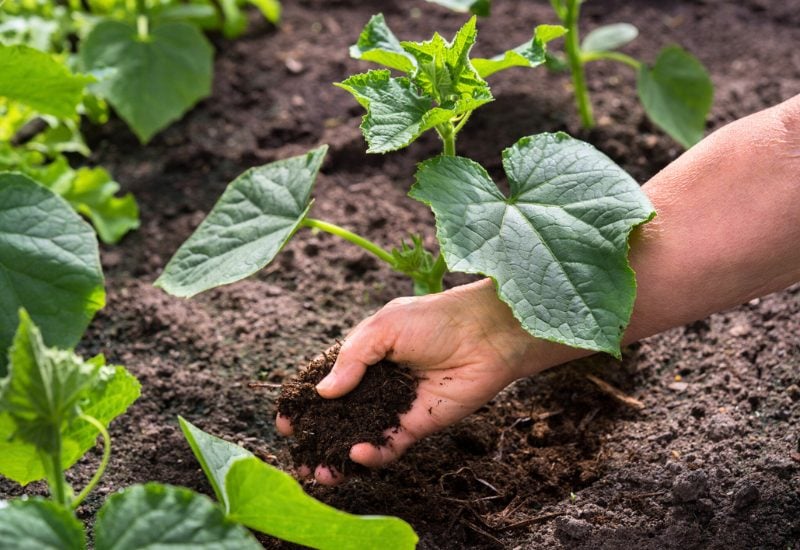
Key Highlights
- Optimal application rate and soil conditions are crucial
- Nutrient imbalances and salt build-up can reduce effectiveness
- Quality of manure and environmental factors significantly affect outcomes
Detailed Analysis
The survival and growth of cucumber plants following chicken manure application have been subjects of extensive study, and the research reveals that the lack of significant improvement in plant survival is primarily attributed to the precise balance of nutrients and application techniques used, which if not optimized can lead to detrimental conditions for the plants (Farming Pedia, 2023).
In many of the studies, the application of chicken manure was noted to improve soil fertility by providing essential nutrients; however, when the dosage exceeds the optimal rate, an excess of nitrogen can lead to nutrient imbalances, ultimately causing physiological stress to cucumber plants and compromising their ability to sustain proper growth (ResearchGate, 2023).
The accumulation of excess nitrogen along with other salts due to high rates of chicken manure application often leads to salt buildup in the soil, which in turn disrupts the osmotic balance required for the uptake of water and nutrients by the cucumber roots, therefore reducing their overall survival rate (ShunCy, 2023).
Furthermore, the variations in the composition of chicken manure sourced from different production methods and processing protocols also contribute to divergent outcomes in cucumber growth, with inconsistent nutrient profiles sometimes leading to inadequate support for the plant’s survival, regardless of its potential to increase yield under optimal conditions (Tandfonline, 2023).
Research indicates that while chicken manure contains a rich mix of nutrients beneficial for vegetative growth, these benefits may be offset by the potential negative impacts of improper application, such as pathogen presence in inadequately composted manure that can threaten plant health and reduce plant survival rates (link.springer.com, 2023).
Additionally, environmental conditions such as soil moisture, temperature fluctuations, and overall soil health play a critical role in modulating the effect of chicken manure on cucumber plants, with suboptimal conditions potentially exacerbating the negative impacts of nutrient overload and salt accumulation (Farming Pedia, 2023).
It has also been observed that the timing of manure application relative to planting is crucial, as applying manure too close to sowing may result in a rapid nutrient release that overwhelms the young seedlings’ capacity to absorb nutrients effectively, thereby impairing establishment and subsequent survival (ResearchGate, 2023).
Moreover, the degree of composting and the microbial stability of the chicken manure prior to its application are significant factors, and fresh manure often carries the risk of introducing pathogens or having too high a concentration of ammonia, which is toxic to the delicate root systems of cucumbers, further undermining plant survival (ShunCy, 2023).
Studies have demonstrated that even though certain dosages of chicken manure could significantly enhance specific growth parameters such as yield or vegetative development in cucumbers, these benefits do not consistently translate into improved plant survival, particularly when the manure application is not finely tuned to the needs of the specific soil and crop environment (Tandfonline, 2023).
A closer examination of these studies reveals that improper dosing not only leads to nutrient imbalances but also creates an environment where beneficial soil microorganisms, such as arbuscular mycorrhizal fungi, might be inhibited due to alterations in soil pH and excessive nutrient concentration, thereby precluding the symbiotic relationships essential for nutrient uptake and plant health (link.springer.com, 2023).
Furthermore, excessive nutrient levels precipitated by over-application can lead to adverse chemical reactions in the soil that may induce phytotoxicity, a condition where the chemical composition of the soil itself becomes harmful to the cucumber plants, thus limiting their ability to survive even if the manure is of high quality (Farming Pedia, 2023).
In addition, there is evidence suggesting that the method of manure application, whether it is incorporated into the soil or applied as a top dressing, significantly influences the outcome, as improper incorporation may result in uneven distribution of nutrients, consequently leading to pockets of high salt concentration that can negatively affect plant roots (ResearchGate, 2023).
The complex interplay of factors such as application timing, dosage, method of incorporation, and the inherent quality of the chicken manure suggests that a one-size-fits-all approach is not viable for cucumber cultivation, and customized manure management strategies need to be implemented in order to avoid the pitfalls of nutrient overload and salt stress (ShunCy, 2023).
To illustrate the multifactorial nature of the issue, the following table summarizes the key factors impacting the effectiveness of chicken manure in cucumber plant survival:
| Factor | Impact Description | Relevant Citation |
|---|---|---|
| Application Rate | Excessive rates lead to nutrient imbalances and salt accumulation, reducing plant survival. | ResearchGate, Farming Pedia |
| Soil Conditions | Soil moisture, pH, and composition modulate nutrient availability and uptake. | Farming Pedia, ResearchGate |
| Manure Processing | Fresh manure may harbor pathogens and high ammonia levels harming seedlings. | ShunCy, link.springer.com |
| Environmental Factors | Temperature and moisture fluctuations affect nutrient release and microbial activity. | Farming Pedia, ResearchGate |
| Application Timing | Timing relative to planting determines how effectively plants can absorb nutrients. | ResearchGate, Tandfonline |
Moreover, practitioners have observed that even under controlled experimental conditions where optimal dosages were used, variability in individual plant responses remained high, which can be attributed to micro-environmental differences that even sophisticated management practices may not completely mitigate (Tandfonline, 2023).
It is also important to recognize that some literature reports positive impacts of chicken manure on other growth parameters, such as increased fruit yield and improved vegetative growth, even though these beneficial aspects do not always directly translate into enhanced survival rates; this discrepancy further underscores the need for a nuanced understanding of the interactions between manure characteristics and plant physiology (link.springer.com, 2023).
The research community continues to investigate the precise conditions under which chicken manure can be most beneficial, emphasizing that the manifold benefits observed in nutrient supplementation may be negated by adverse side effects if the manure is not used within precise agronomic recommendations, thereby underscoring the limitations observed in cucumber plant survival (ShunCy, 2023).
Optimization of manure application strategies, perhaps integrating supplemental practices such as microbial inoculation or controlled-release formulations, may help to balance the nutrient profile delivered to the soil, but until such methods are standardized, the inconsistent survival results remain a prominent issue in cucumber cultivation (ResearchGate, 2023).
In summary, while chicken manure is undeniably a rich source of nutrients and has the potential to enhance many aspects of plant growth, its application in cucumber cultivation must be managed carefully, as the deleterious effects of nutrient overload, salt accumulation, improper timing, and inadequate composting combine to produce situations where improved plant survival is not always observed, effectively limiting its utility under suboptimal application conditions (Farming Pedia, 2023).
Literature Cited
The following sources provide detailed discussions and empirical evidence regarding the effects of chicken manure on cucumber plant survival:
- Farming Pedia - Farming Pedia
- ResearchGate - ResearchGate
-
ShunCy - ShunCy
- Tandfonline - Tandfonline
- link.springer.com - Springer
Recommended Further Queries
Last updated March 9, 2025