
Comprehensive Overview of the Maritime Security Strategy in the Solomon Islands
An in-depth introduction to the strategic initiatives spearheaded by the Director of Immigration
Key Takeaways
- Collaborative International Efforts: Strengthening partnerships with nations like New Zealand to enhance maritime governance.
- Addressing Emerging Threats: Focusing on combating Illegal, Unreported, and Unregulated (IUU) fishing as a primary maritime security challenge.
- Comprehensive Strategy Development: Formulating a multifaceted approach that includes inter-agency collaboration and advanced surveillance techniques.
Introduction to Maritime Security in the Solomon Islands
The Solomon Islands, located in the heart of the Pacific Ocean, possess a vast Exclusive Economic Zone (EEZ) that is both a boon and a strategic imperative. The nation's maritime security strategy is pivotal in safeguarding its waters, natural resources, and ensuring the safety and prosperity of its people. Under the leadership of the Director of Immigration, the Solomon Islands has embarked on a comprehensive journey to bolster its maritime defenses and regulatory frameworks.
Strategic Importance of Maritime Security
Maritime security in the Solomon Islands is not merely about protecting territorial waters but also about ensuring the sustainable management of maritime resources, preventing transnational crimes, and responding to the challenges posed by climate change. The strategic location of the Solomon Islands makes it a focal point for regional and international maritime activities, necessitating a robust security apparatus.
Economic Implications
The EEZ of the Solomon Islands is rich in marine biodiversity and resources, including fisheries, minerals, and potential underwater energy reserves. Effective maritime security ensures the protection of these assets against illegal exploitation, which is crucial for the nation's economic stability and growth.
Regional Stability
The Solomon Islands plays a critical role in maintaining regional stability in the Pacific. By establishing a strong maritime security framework, the nation contributes to the broader security architecture, facilitating safe navigation and deterring potential threats from illicit activities.
Collaborative International Efforts
Recognizing the complexities of maritime security, the Solomon Islands has engaged in strategic partnerships with key international players. New Zealand, Australia, and the United States have been instrumental in providing support and expertise to enhance the nation's maritime capabilities.
Partnership with New Zealand
New Zealand's support has been pivotal in the development of the Solomon Islands' Maritime Security Strategy. This collaboration focuses on capacity building, training of maritime personnel, and the implementation of advanced surveillance technologies to monitor and secure the EEZ effectively.
Regional Cooperation
Beyond bilateral relations, the Solomon Islands actively participates in regional maritime security initiatives. Collaborative efforts with neighboring Pacific nations aim to establish a networked approach to address shared maritime challenges, fostering a collective security environment.
Addressing Emerging Threats
The maritime landscape is evolving, with new threats emerging that require a dynamic and adaptive security strategy. The Director of Immigration emphasizes the need to prioritize and address these challenges proactively.
Combating IUU Fishing
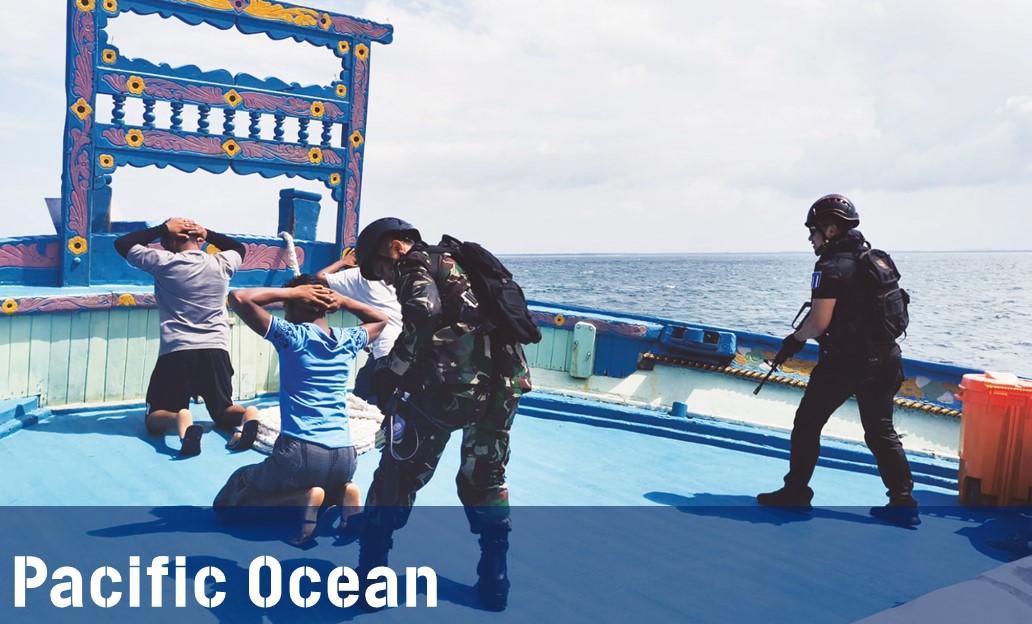
Illegal, Unreported, and Unregulated (IUU) fishing poses a significant threat to the Solomon Islands' marine resources. It undermines legitimate fishing activities, depletes fish stocks, and adversely affects the livelihoods of local communities. The maritime security strategy prioritizes stringent measures to detect and deter IUU fishing through enhanced monitoring and enforcement mechanisms.
Transnational Crime Prevention
Transnational crimes such as human trafficking, smuggling of contraband, and illegal migration exploit maritime routes. The Director of Immigration highlights the necessity of inter-agency collaboration to effectively intercept and dismantle such illicit operations, ensuring the nation's borders remain secure.
Climate Change and Environmental Security
Climate change introduces multifaceted challenges, including rising sea levels, increased frequency of extreme weather events, and impacts on marine ecosystems. The maritime security strategy integrates environmental considerations, aiming to build resilience against climate-induced disruptions and protect the maritime environment.
Comprehensive Strategy Development
The development of the Maritime Security Strategy involves a holistic approach that encompasses various dimensions of security, governance, and sustainability. The Director of Immigration plays a central role in orchestrating these efforts, ensuring that the strategy is both effective and adaptable.
Inter-Agency Collaboration
Effective maritime security requires seamless coordination among multiple agencies, including the immigration department, coast guard, navy, and law enforcement bodies. Establishing clear communication channels and unified objectives is fundamental to the successful implementation of the strategy.
Integrated Surveillance Systems
Advanced surveillance systems, including satellite monitoring and unmanned aerial vehicles (UAVs), are integral to maintaining situational awareness across the EEZ. These technologies provide real-time data, enabling swift response to potential threats and enhancing overall maritime security.
Training and Capacity Building
Investing in the training and development of maritime personnel ensures the effectiveness of security operations. Comprehensive training programs focus on operational readiness, intelligence gathering, and crisis management, equipping personnel with the necessary skills to address diverse maritime challenges.
Legislative and Policy Frameworks
Establishing robust legislative and policy frameworks is essential for the enforcement of maritime security measures. The strategy includes the formulation and amendment of laws that facilitate the prosecution of maritime crimes, regulation of fishing activities, and protection of marine environments.
Regulatory Measures
Implementing stringent regulations on fishing practices, shipping operations, and environmental protection forms the backbone of the maritime security strategy. These measures are designed to ensure compliance with international standards and promote sustainable maritime activities.
Emergency Response Protocols
Developing and refining emergency response protocols is critical for mitigating the impacts of maritime disasters and security breaches. The strategy outlines clear procedures for incident response, resource mobilization, and inter-agency cooperation during emergencies.
Technological Advancements in Maritime Security
Leveraging technology is a cornerstone of the Solomon Islands' maritime security strategy. The integration of cutting-edge technologies enhances monitoring capabilities, improves data accuracy, and facilitates efficient decision-making processes.
Advanced Surveillance and Monitoring
State-of-the-art surveillance systems, including radar installations and satellite tracking, provide comprehensive coverage of the EEZ. These technologies enable continuous monitoring of maritime activities, helping to detect and respond to unauthorized or suspicious movements effectively.
Data Integration and Analytics
Utilizing data integration and analytics tools allows for the consolidation and analysis of vast amounts of maritime data. This facilitates informed decision-making, predictive analysis, and the identification of emerging trends or threats in the maritime domain.
Communication and Information Systems
Robust communication and information systems ensure seamless information sharing among various stakeholders. These systems support coordinated operations, real-time updates, and effective dissemination of critical information during security operations.
Challenges and Mitigation Strategies
Despite significant advancements, the Solomon Islands faces several challenges in implementing its maritime security strategy. Addressing these challenges requires innovative solutions and sustained commitment.
Resource Constraints
Limited financial and human resources pose a significant challenge to the effective implementation of the maritime security strategy. To mitigate this, the Director of Immigration advocates for prioritizing resource allocation, seeking international funding, and optimizing existing resources through efficient management practices.
Geographical Barriers
The vast and dispersed maritime territories of the Solomon Islands make comprehensive surveillance and control challenging. Innovative approaches, such as deploying UAVs and satellite monitoring, help overcome these geographical constraints by extending the reach of surveillance capabilities.
Technological Limitations
While technology plays a crucial role in maritime security, technological limitations and the high costs associated with advanced systems can impede their widespread adoption. Collaborative efforts with international partners for technology transfer and affordable solutions are essential to address these limitations.
Implementation Roadmap
The successful implementation of the maritime security strategy is guided by a detailed roadmap that outlines specific objectives, timelines, and responsibilities.
Short-Term Objectives
In the immediate term, the focus is on establishing foundational security infrastructure, initiating training programs, and formalizing inter-agency collaboration frameworks. These steps are critical for building the necessary groundwork for more advanced security measures.
Medium-Term Goals
Medium-term initiatives involve the deployment of advanced surveillance systems, the enactment of comprehensive legislative measures, and the expansion of international partnerships. These goals aim to enhance the operational capabilities and legal frameworks necessary for robust maritime security.
Long-Term Vision
The long-term vision encompasses sustainable maritime governance, continuous improvement of security protocols, and the integration of environmental conservation into the maritime security paradigm. This vision ensures that the Solomon Islands remains resilient and adaptive to future maritime challenges.
Case Studies and Best Practices
Examining case studies and adopting best practices from other nations provides valuable insights into effective maritime security strategies. Learning from the experiences of countries with similar maritime contexts can inform the Solomon Islands' approach and enhance its strategic initiatives.
Case Study: New Zealand's Maritime Security Framework
New Zealand's comprehensive maritime security framework, which emphasizes collaboration, technology integration, and legislative support, serves as a model for the Solomon Islands. The success of New Zealand's approach underscores the importance of multifaceted strategies in safeguarding maritime interests.
Best Practices in Maritime Surveillance
Implementing best practices in maritime surveillance, such as the use of automated identification systems (AIS) and remote sensing technologies, enhances the ability to monitor and manage maritime activities effectively. These practices contribute to early detection of potential threats and enable timely interventions.
Future Directions and Innovations
Looking ahead, the maritime security strategy of the Solomon Islands must continually evolve to incorporate emerging technologies and adaptive strategies. Future directions focus on innovation, sustainability, and enhancing the resilience of maritime security frameworks.
Integration of Artificial Intelligence
Artificial Intelligence (AI) has the potential to revolutionize maritime security by enabling predictive analytics, automating surveillance processes, and enhancing decision-making capabilities. Integrating AI into the maritime security strategy can significantly improve threat detection and response efficiency.
Sustainable Maritime Practices
Ensuring that maritime security measures are sustainable is crucial for long-term success. This involves balancing security initiatives with environmental conservation, promoting sustainable fishing practices, and minimizing the ecological footprint of maritime operations.
Community Engagement and Awareness
Engaging local communities and raising awareness about maritime security issues fosters a culture of vigilance and cooperation. Community involvement is essential for reporting suspicious activities, supporting enforcement efforts, and contributing to the overall security framework.
Conclusion
The Maritime Security Strategy of the Solomon Islands, under the guidance of the Director of Immigration, represents a comprehensive and forward-thinking approach to safeguarding the nation's maritime interests. By leveraging international partnerships, addressing emerging threats, and embracing technological advancements, the Solomon Islands is poised to sustain a secure and prosperous maritime future. The ongoing commitment to collaboration, innovation, and sustainable practices ensures that the Solomon Islands can effectively navigate the complexities of maritime security, protecting its resources and upholding regional stability.
References
Last updated February 8, 2025