
Mark Carney: Unpacking the Acclaimed Strengths of a Global Economic Leader
Discover the attributes that define Mark Carney's impactful career, from navigating financial crises to shaping global economic and climate policy.
Mark Carney has carved out a distinguished international career, marked by influential leadership roles in central banking, global finance, and more recently, Canadian politics. While pinpointing a single "best thing" is subjective, a synthesis of observations points to a powerful combination of profound economic expertise, exceptional crisis management capabilities, and a distinctively composed and strategic leadership style as his most lauded attributes. These qualities have been consistently highlighted throughout his tenures at the Bank of Canada, the Bank of England, various international bodies, and in his current role as Prime Minister of Canada, a position he assumed in March 2025.
Key Highlights of Mark Carney's Profile
- Exceptional Crisis Management: Widely praised for his adept navigation of the 2008 global financial crisis as Governor of the Bank of Canada and for steering the UK economy through the uncertainties of Brexit during his time at the Bank of England.
- Strategic & Composed Leadership: Known for a pragmatic, data-driven, and "quietly confident" leadership style that builds trust and ensures stability, often seen as a valuable counterpoint to more theatrical political figures.
- Visionary Economic and Climate Advocacy: A prominent global voice on sustainable finance and climate action, leveraging his financial acumen to drive private sector engagement in achieving net-zero emissions and recasting the relationship between market values and societal values.
Deep Dive into Mark Carney's Defining Attributes
Mastery in Economic Stewardship and Crisis Navigation
One of the most consistently praised aspects of Mark Carney's career is his profound understanding of economic systems and his proven ability to manage them effectively during periods of acute stress. His leadership as Governor of the Bank of Canada (2008-2013) is a prime example. During the 2008 global financial crisis, Carney's proactive and innovative measures were credited with helping Canada weather the storm more effectively than many other advanced economies.
He implemented decisive actions, such as lowering interest rates preemptively and introducing "forward guidance"—a novel communication strategy at the time—which involved a conditional commitment to keep interest rates at their low level for an extended period. This helped to anchor expectations, bolster market confidence, and support domestic credit, thereby protecting jobs and facilitating a stronger recovery. His performance earned him international accolades, including being named one of Financial Times's "Fifty who will frame the way forward" and recognized by Time Magazine's 100 most influential people in 2010. Notably, he was the only central bank governor to receive an "A" grade from Global Finance magazine during this challenging period.
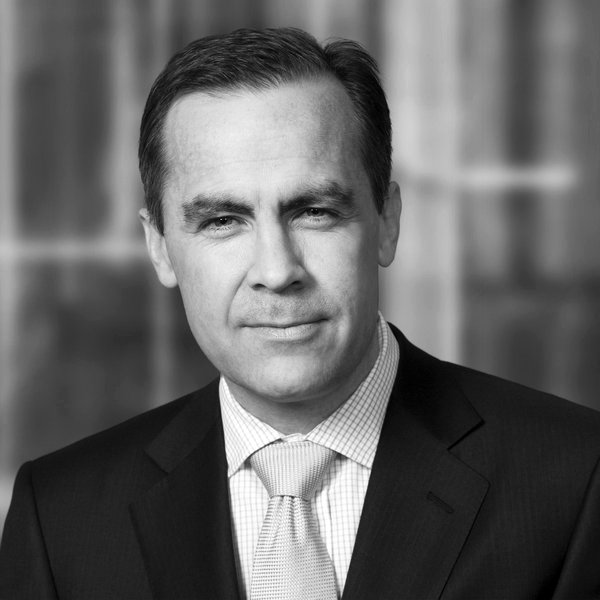
Mark Carney, recognized for his significant contributions to central banking.
His expertise was further demonstrated during his subsequent tenure as Governor of the Bank of England (2013-2020), the first non-Briton to hold the post. There, he navigated the complex economic fallout from the Brexit referendum, implemented measures to strengthen financial regulation, and introduced unconventional monetary policy tools to manage economic volatility. His leadership during these periods solidified his reputation as a calm, analytical, and effective crisis manager on the global stage.
A Distinctive Leadership Paradigm: Strategic, Composed, and Inclusive
Mark Carney's leadership style is frequently described as "composed," "quietly strategic," and "technically rigorous." This approach, often contrasted with more overtly charismatic or theatrical leadership, emphasizes data-driven decision-making, consistent messaging, and building trust through reliability and transparency. Observers have noted this "boring power" as a timely and effective counterpoint in an era often dominated by strong personalities.
He is known for being a demanding leader who also values inclusivity. Reports from his time at the Bank of Canada indicate he would actively seek input from a wide range of staff, including those at lower levels, a practice less common among traditional central bank governors. This consultative approach fosters a more comprehensive understanding of issues and encourages innovative solutions. His emphasis on integrity and a strong work ethic has also been central to his leadership philosophy, aiming to unite economic policy with broader human values.
Global Influence and a Vision for a Sustainable Future
Beyond his direct roles in national central banks, Carney has exerted considerable influence on the international financial architecture. He served as Chairman of the Financial Stability Board (FSB) from 2011 to 2018, where he played a crucial role in shaping global financial reforms designed to enhance the resilience of the international financial system post-2008.
In recent years, Carney has become a leading global advocate for climate action and sustainable finance. As the UN Special Envoy on Climate Action and Finance, and co-chair of the Glasgow Financial Alliance for Net Zero (GFANZ), he has championed the critical role of the private sector in financing the transition to a net-zero economy. His book, "Value(s): Building a Better World for All" (2021), delves into the need to recast the relationship between market value and societal values, advocating for values-based leadership and purpose-driven corporations. This forward-thinking perspective demonstrates a commitment to integrating long-term societal and environmental well-being with economic activity.
Visualizing Mark Carney's Key Attributes
To provide a visual representation of Mark Carney's widely recognized strengths, the following radar chart assesses several key attributes based on the consensus from various analyses of his career. These are qualitative assessments reflecting his perceived impact and capabilities.
This chart highlights Carney's exceptional capabilities in areas like Crisis Management and Economic Expertise, with strong showings in Strategic Leadership and Global Influence, reflecting his impactful career.
Mapping Carney's Career and Impact
The following mindmap offers a visual overview of Mark Carney's key roles, core strengths, and significant initiatives, illustrating the interconnectedness of his multifaceted career.
(2008-2013)"] id1b["Governor, Bank of England
(2013-2020)"] id1c["Chairman, Financial Stability Board
(2011-2018)"] id1d["UN Special Envoy on Climate Action & Finance"] id1e["Prime Minister of Canada
(March 2025 - Present)"] id2["Core Strengths"] id2a["Economic Expertise"] id2b["Crisis Management"] id2c["Strategic Leadership"] id2d["Global Financial Acumen"] id2e["Composed & Pragmatic Style"] id2f["Integrity & Public Service Focus"] id3["Significant Initiatives & Focus Areas"] id3a["Navigating 2008 Financial Crisis (Canada)"] id3b["Managing Brexit Impact (UK)"] id3c["Global Financial System Reform (FSB)"] id3d["Climate Finance & Net-Zero Advocacy (UN, GFANZ)"] id3e["Values-Based Economic Thinking (Book: 'Value(s)')"] id3f["Promoting Multilateralism"] id4["Leadership Style"] id4a["Data-Driven & Analytical"] id4b["Quietly Confident"] id4c["Inclusive & Consultative"] id4d["Technically Rigorous"]
This mindmap illustrates how Carney's roles have provided platforms for him to deploy his core strengths and drive significant initiatives on both national and global stages.
Transition to Political Leadership
Mark Carney's transition into elected politics, culminating in his election as leader of the Liberal Party and subsequently as Canada's 24th Prime Minister in March 2025, represents a new chapter. His "outsider appeal" in the political arena, combined with his extensive and proven financial background, resonated with a Canadian public seeking stable and experienced leadership amidst ongoing economic uncertainties and international trade complexities. His leadership is anticipated to champion multilateralism and bring a data-driven, financially astute approach to national governance, focusing on building a strong economy, uniting the country, and defending Canadian sovereignty.
Career Milestones and Associated Strengths
The table below summarizes key milestones in Mark Carney's career, highlighting the primary strengths and contributions associated with each role.
| Role | Organization | Years | Key Strengths & Contributions |
|---|---|---|---|
| Managing Director, Investment Banking | Goldman Sachs | Up to 2003 (13 years total) | Deep understanding of global finance, advisory on major financial events (e.g., South Africa's post-apartheid bond market entry, Russian financial crisis). |
| Governor | Bank of Canada | 2008 - 2013 | Exceptional crisis management (2008 financial crisis), innovative monetary policy (forward guidance), safeguarding Canadian economy and jobs. |
| Chairman | Financial Stability Board (FSB) | 2011 - 2018 | Leadership in global financial reform, strengthening international financial regulations and resilience. |
| Governor | Bank of England | 2013 - 2020 | Navigating Brexit's economic impact, financial regulation, steering UK economy through uncertainty. |
| UN Special Envoy | United Nations (Climate Action and Finance) | Ongoing | Advocacy for climate action, leveraging private finance for net-zero transition, global leadership on sustainable finance. |
| Prime Minister | Government of Canada | March 2025 - Present | Bringing economic expertise to political leadership, focus on stability, navigating trade relations, championing multilateralism. |
Mark Carney on Rethinking Capitalism
In this insightful discussion, Mark Carney explores themes from his book "Value(s): Building a Better World for All," touching upon the future of capitalism, climate change, and the importance of societal values in economic decision-making. The video provides a glimpse into his broader philosophical framework that underpins his approach to economic policy and leadership.
Frequently Asked Questions (FAQ)
What is Mark Carney most known for professionally?
How would you describe Mark Carney's leadership style?
What are some of Mark Carney's key policy focuses?
Has Mark Carney authored any books?
Conclusion
The "best thing" about Mark Carney, as synthesized from numerous accounts, is his exceptional blend of profound economic expertise, proven crisis management skills, and a calm, strategic leadership style. These attributes, consistently demonstrated across high-stakes roles in national and international finance, and now in political leadership, have established him as a highly respected and influential figure. His commitment to public service, coupled with a forward-looking vision that incorporates societal values and sustainability into economic frameworks, further defines his impactful career.
Recommended Further Exploration
- How did Mark Carney manage the 2008 financial crisis in Canada?
- What are Mark Carney's views on climate change and finance?
- Compare Mark Carney's leadership style with other global leaders.
- What are the main themes in Mark Carney's book "Value(s)"?
References
Last updated May 21, 2025