
Marketing Mix & Strategies for Avocado and Coconut Oil Biofuels
Exploring the 7Ps for Sustainable Alternative Biofuels
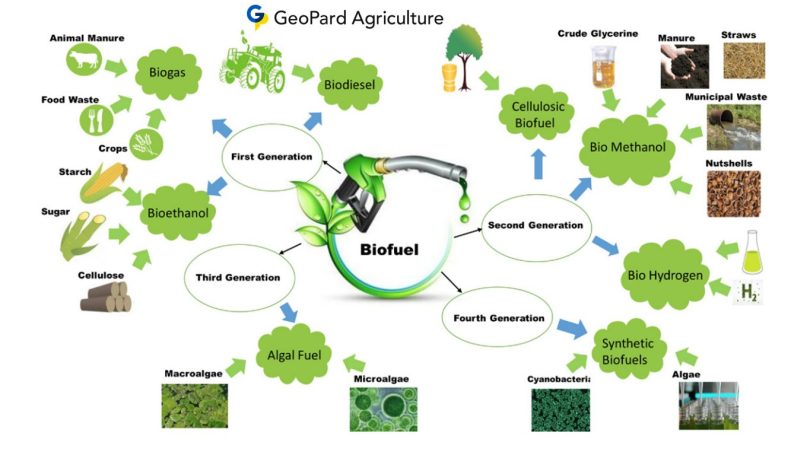
As the global community moves toward sustainable energy, avocado and coconut oil have gained recognition as promising alternative biofuels. These oils offer not only environmental advantages but also support local agriculture and sustainable production methods. Their application as biofuels involves a careful analysis of the marketing mix, particularly utilizing the 7Ps framework—Product, Price, Place, Promotion, People, Process, and Physical Evidence—which provides a structured approach to addressing market challenges and opportunities.
Key Highlights
- Sustainable and Renewable Energy: Both avocado and coconut oil provide eco-friendly alternatives to fossil fuels with potential for reduced greenhouse gas emissions.
- Comprehensive 7Ps Implementation: The careful integration of the 7Ps not only addresses product quality and pricing strategies but also focuses on distribution, promotion, and transparency in production.
- Targeted Market Strategies: Leveraging niche markets, partnerships, innovative branding, and educational campaigns are essential to drive consumer confidence and adoption.
Understanding the 7Ps for Biofuel Marketing
Integrating the 7Ps framework into your marketing strategy for avocado and coconut oil as alternative biofuels allows companies to position their products effectively. Each element of the framework needs to be tailored to capitalize on the unique benefits of these oils while addressing potential barriers in adoption and distribution.
Product
Characteristics & Quality
Avocado Oil: Known for its rich content of monounsaturated fats and antioxidants, avocado oil stands out for its dual usage. While traditionally used in culinary applications due to its health benefits, its potential in adaptive transesterification processes has positioned it as a candidate for biodiesel production. Its lower soot production and better lubricity in combustion engines contribute to its appeal as a biofuel.
Coconut Oil: Coconut oil is celebrated for its high energy content and kinetic properties that match closely with diesel engine requirements. Through the process of transesterification, coconut oil has been effectively converted into biodiesel that not only addresses the energy needs but also reduces harmful emissions. Its established market presence in cooking applications provides a twin pathway – both as a food product and as a renewable energy source.
Benefits as Biofuels
The potential health and environmental benefits of these oils include cleaner emissions than fossil fuels, better engine performance, and a sustainable lifecycle. Such attributes are backed by rigorous R&D, ensuring that the biofuels derived from these oils are not only technologically viable but also align with global sustainability goals.
Price
Cost Considerations & Competitive Positioning
Pricing remains a vital component when considering the marketability of biofuels. Although both avocado and coconut oils may incur higher production costs compared to traditional fossil fuels, their premium pricing can be justified by their environmental and sustainability credentials.
Competitive pricing strategies should be built around production efficiency, economies of scale, and the perceived added value of using renewable biofuels. While avocado oil might be costlier due to its dual-use nature and more intensive cultivation processes, coconut oil biodiesel can target niche markets that are willing to pay a premium for sustainable energy options.
Place
Distribution Channels and Strategic Partnerships
Effective distribution strategies are critical to reaching both individual consumers and commercial sectors. By incorporating existing biofuel infrastructure and forging partnerships with fuel retailers, local farmers, and eco-friendly brands, the market penetration of these alternative biofuels can be significantly enhanced.
Companies should explore a multi-channel approach:
- Traditional Retail: Engage with well-established fuel retailers and local gas stations.
- Direct-to-Consumer Platforms: Utilize online marketplaces and digital platforms, which offer broader reach and direct engagement.
- Strategic Alliances: Develop partnerships with government agencies and transportation companies focused on reducing carbon footprints and promoting sustainable practices.
Promotion
Marketing Campaigns and Communication Strategies
Promotion is perhaps the most dynamic facet of the marketing mix. To effectively promote avocado and coconut oil as biofuels, companies should design campaigns that educate and inspire confidence in their innovative product offerings. This includes:
- Emphasizing Environmental Benefits: Campaigns should underline the reduction of greenhouse gas emissions and cleaner combustion attributes compared to fossil fuels.
- Highlighting Health and Quality Standards: Transparency in production processes, quality certifications, and eco-friendly packaging bolster consumer trust.
- Leveraging Digital Media: Social media, online advertising, and collaborative partnerships with influencers and sustainability advocates can amplify the message to a broader audience.
- Educational Initiatives: Workshops, webinars, and community events can serve as forums to explain the technology behind biofuel production from these oils, thereby increasing consumer literacy on the topic.
People
Target Market and Staff Empowerment
The "People" component in the marketing mix involves both external customers and internal staff. Consumer targeting should extend to:
- Environmentally Conscious Consumers: Individuals and businesses committed to reducing their carbon footprint are primary targets.
- Commercial Fleets and Transportation Companies: Businesses seeking robust, sustainable solutions for their energy needs.
- Government and Municipalities: Agencies that support renewable energy initiatives can play a significant role in market promotion and adoption.
Internally, companies must ensure that their sales teams and customer service representatives are well-trained in the unique advantages of using avocado and coconut oil biodiesel. Providing detailed briefings, product demonstrations, and technical support fosters a knowledgeable workforce that can communicate the product’s benefits effectively.
Process
Efficiency in Production & Regulatory Compliance
Process efficiency is central to the scalable production of biofuels. The production process typically involves transesterification—a chemical reaction that converts the oils into biodiesel through the addition of an alcohol (usually methanol) and a catalyst. Ensuring optimal reaction conditions and sustainable practices is essential. Key considerations include:
- Source Quality: High-quality feedstocks are the foundation of a sustainable production operation. Adopting organic and sustainable farming practices significantly enhances the final biofuel product.
- Production Efficiency: The engineering and technological aspects of production need continuous innovation to reduce costs and improve yield.
- Regulatory Alignment: Meeting local, national, and international standards and obtaining necessary certifications build trust among consumers and regulatory bodies.
By streamlining operations, companies can reduce production costs over time, making the final product more competitive in the market.
Physical Evidence
Certifications, Packaging, and Brand Integrity
Physical evidence—the tangible elements that convey the quality and ethical commitment of a product—is immensely important in establishing credibility. For avocado and coconut oil biofuels:
- Packaging: Use of eco-friendly materials not only reduces environmental impact but also serves as a visual testament to the product’s sustainability.
- Certifications and Labels: Securing independent certifications such as organic, sustainable, or energy-efficient endorsements validates the product’s claims. These certifications contribute to positive brand perception among discerning customers.
- Branding and Promotional Materials: Effective branding, including logos, brochures, and digital content, reaffirms the product’s quality and positions the biofuel as a reliable, high-performance alternative to traditional fuels.
7Ps Summary Table for Avocado and Coconut Oil Biofuels
The table below provides a consolidated view of the 7Ps as applied to avocado and coconut oil biofuels, highlighting core characteristics, strategies, and actions.
| 7Ps Element | Avocado Oil Biofuel | Coconut Oil Biofuel |
|---|---|---|
| Product | Dual-use oil with health and biodiesel benefits; lower soot production and enhanced lubricity. | High energy output, effective transesterification, reduced emissions, and proven diesel engine compatibility. |
| Price | Premium pricing given the niche cultivation process and dual-usage potential. | Premium pricing with possibilities for cost reduction via process optimization and methanol recycling. |
| Place | Distributed through eco-friendly channels, online platforms, and strategic partnerships with fuel retailers. | Established distribution via traditional and modern fuel markets, enhanced by sustainable supply chain collaborations. |
| Promotion | Emphasis on environmental benefits, education about health advantages, and digital/social media outreach. | Focused campaigns on green energy, sustainability, and endorsements by influencers and environmental organizations. |
| People | Targeting environmentally conscious consumers, leveraging expert staff for education and communication. | Engaging commercial fleets, government agencies, and well-trained sales professionals committed to sustainable products. |
| Process | Efficient transesterification, emphasis on organic sourcing, and streamlined production to reduce costs. | Focused on sustainable and efficient production methods, strict quality control, and compliance with regulatory standards. |
| Physical Evidence | Eco-friendly packaging, verified certifications, and branded promotional materials enhancing product credibility. | Innovative packaging, certifications validating eco-claims, and solid brand identity with strong sustainability messaging. |
Integrated Marketing Strategies
A well-rounded marketing strategy for avocado and coconut oil biofuels not only aligns with the 7Ps but also incorporates innovative approaches to drive consumer engagement and expand market reach. The following strategies detail how to effectively position these oils in the competitive renewable energy market:
1. Health & Environmental Messaging
Crafting the Narrative
At the heart of the promotion is the need to educate potential consumers about the dual-purpose benefits of these biofuels. This involves highlighting:
- Cleaner emissions and lower pollutants compared to traditional diesel.
- Enhanced engine performance due to high energy density.
- The dual benefits of improved personal health (in case of edible use) and environmental sustainability.
Visual storytelling via infographics, short videos, and interactive online platforms can elucidate the scientific processes such as transesterification, while simplifying the message for broader understanding.
2. Building Strategic Partnerships
Expanding Distribution and Market Support
For both avocado and coconut oil biofuels, forming partnerships with local and international stakeholders is imperative. Collaborations should include:
- Fuel Retailers: Partner with existing fuel distributors to integrate biofuels into conventional fueling stations.
- Eco-Friendly Brands & Influencers: Leverage the trust that established personalities and ethical brands have within environmentally conscious communities.
- Research Institutions: Contribute to and utilize studies that validate performance and sustainability claims, enhancing credibility.
3. Innovative Packaging & Certification
Enhancing Physical Evidence
The tangible presentation of the product is critical. Companies should invest in research to develop packaging that not only preserves the quality of the oils but also visibly demonstrates environmentally friendly practices. Certification logos visible on packaging provide immediate reassurance and repeatable proof of quality for consumers.
4. Community Engagement and Market Education
Outreach and Awareness Initiatives
Hosting community workshops, webinars, and demonstrations is a direct way to inform potential users about the advantages of biodiesel derived from these oils. By demystifying the production process and discussing safety, performance, and sustainability aspects, companies can foster transparency, trust, and long-term engagement.
5. Research & Development Investment
Future-Proofing the Biofuel Industry
Continuous investment in R&D facilitates improvements in production efficiency, cost reduction, and performance optimization. Innovating on catalyst use, refining the transesterification process, and scaling up production are essential to maintaining a competitive cost-to-benefit ratio, which is particularly vital in a market transitioning from fossil fuels.
References
-
Coconut Oil as a Sustainable Fuel Source in Rural Areas - OilCocos
- Coconut Oil Biofuel: Sustainable Solutions? - OilCocos
- Biofuel Marketing Mix Analysis [Updated 2025] - FinModelsLab
- Marketing Mix (7Ps of Marketing) - Mailchimp
- Biodiesel from Coconut Oil: An Eco-Friendly Alternative Fuel for Diesel Engines - Advanced Biofuels USA
Recommended Queries for Further Exploration
Last updated March 15, 2025