
Mastering Chess: A Comprehensive Guide to Becoming a Skilled Player
Unlock the secrets to effective chess learning through structured strategies and consistent practice.
Key Takeaways
- Foundational Knowledge: Grasp the rules, piece movements, and basic strategies to build a strong chess base.
- Consistent Practice: Engage in regular gameplay, solve puzzles, and analyze games to enhance tactical and strategic skills.
- Utilize Resources: Leverage books, online platforms, and coaching to receive diverse training and personalized feedback.
1. Building a Strong Foundation
Understanding the Basics
Embarking on the journey to learn chess begins with a solid understanding of the game's fundamentals. This includes knowing how each piece moves, the objective of the game, and special moves such as castling and en passant.
Piece Movements and Roles
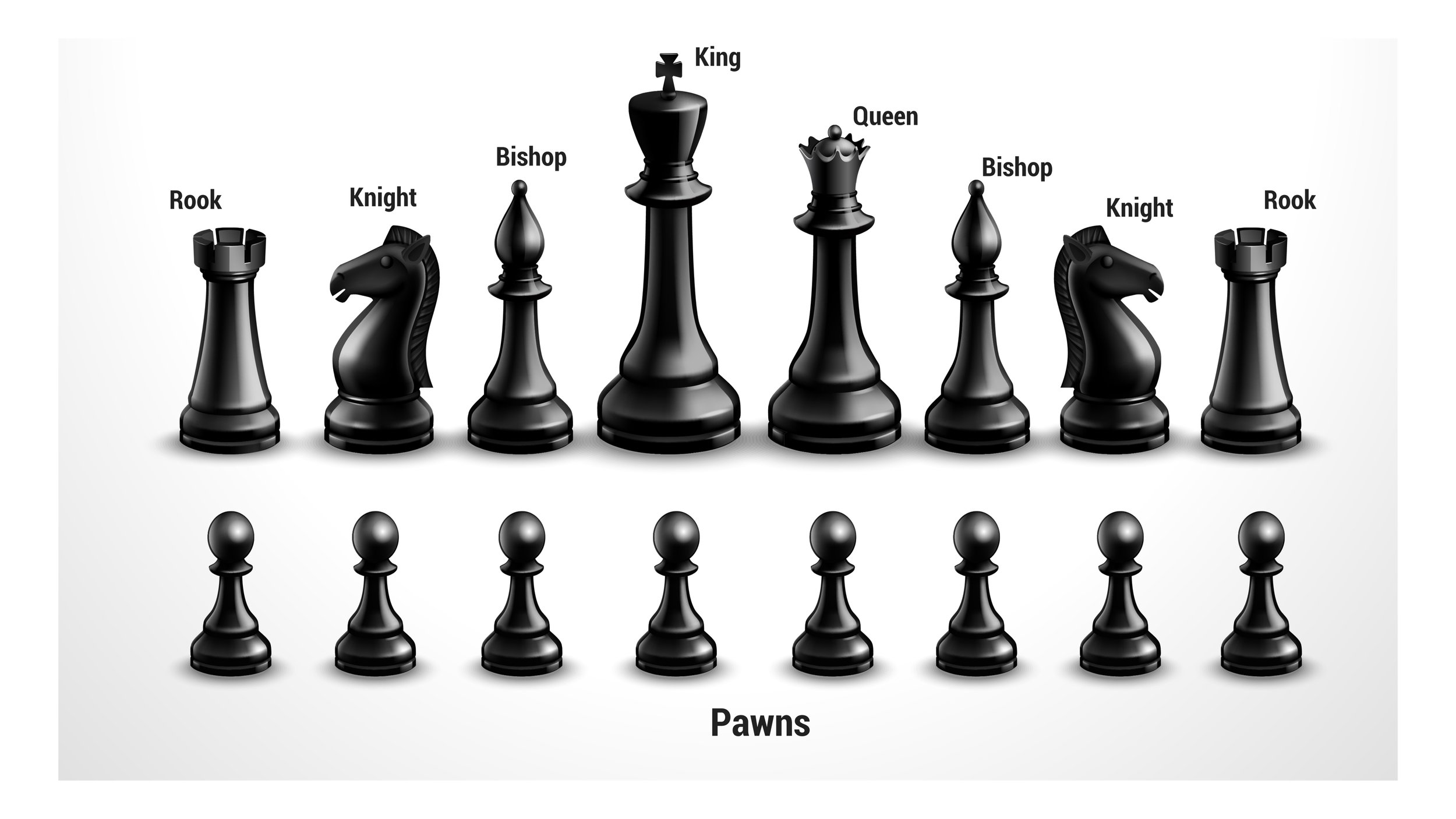
Each chess piece has distinct movements and roles:
- King: Moves one square in any direction. The primary objective is to checkmate the opponent's king.
- Queen: Moves any number of squares vertically, horizontally, or diagonally. It is the most powerful piece.
- Rook: Moves any number of squares vertically or horizontally. It plays a crucial role in controlling files and ranks.
- Bishop: Moves any number of squares diagonally. It controls key diagonals across the board.
- Knight: Moves in an L-shape: two squares in one direction and then one square perpendicular. It can jump over other pieces.
- Pawn: Moves forward one square, with the option to move two squares on its first move. It captures diagonally and can promote upon reaching the opposite end.
Basic Rules and Objectives
The objective of chess is to checkmate your opponent's king, which means putting the king under threat of capture with no possible escape. Understanding fundamental rules like stalemate, insufficient material, and threefold repetition is also essential.
Special Moves
Special moves add depth to the game:
- Castling: A move involving the king and rook that enhances king safety and rook activity.
- En Passant: A pawn capture that can occur immediately after an opponent's pawn makes a double-step move from its starting position.
- Pawn Promotion: When a pawn reaches the farthest rank, it can be promoted to a queen, rook, bishop, or knight.
Phases of the Game
Chess is typically divided into three phases, each requiring different strategies and skills:
- Opening: Focuses on developing pieces, controlling the center, and ensuring the king's safety through castling.
- Middlegame: Involves strategic planning, tactical operations, and maneuvering to gain advantages.
- Endgame: Concentrates on pawn promotion, king activity, and executing checkmate strategies.
2. Developing Tactical and Strategic Skills
Tactics Training
Tactics are the short-term calculated sequences of moves that result in material gain or positional advantages. Regularly solving tactical puzzles sharpens pattern recognition and enhances your ability to spot opportunities during games.
Common Tactical Themes
Familiarize yourself with key tactical motifs:
-
Forks: A single piece attacks two or more enemy pieces simultaneously.
-
Pins: A piece cannot move without exposing a more valuable piece behind it.
-
Skewers: Similar to pins, but the more valuable piece is in front and must move, exposing a less valuable piece.
-
Discovered Attacks: Moving one piece reveals an attack from another piece.
-
Double Checks: Two pieces deliver check simultaneously, forcing the king to move.
Strategic Development
Strategy in chess involves long-term planning and understanding positional concepts to control the board and limit your opponent's options.
Control of the Center
Controlling the central squares (e4, d4, e5, d5) provides mobility for your pieces and restricts your opponent's maneuvering space.
Piece Development
Efficiently developing your pieces to active squares enhances their effectiveness and prepares for both attack and defense.
King Safety
Ensuring the safety of your king, typically through castling, is vital to prevent your opponent from launching a successful attack.
Pawn Structure
Maintaining a solid pawn structure prevents weaknesses that can be exploited by your opponent. Avoid creating isolated, doubled, or backward pawns unless strategically justified.
Endgame Principles
Understanding basic endgame techniques, such as opposition, triangulation, and key pawn endings, is crucial for converting advantages into victories.
3. Practical Application and Regular Practice
Consistent Gameplay
Playing regularly is essential for applying theoretical knowledge and gaining practical experience. Start with longer time controls to allow thoughtful planning and reduce impulsive moves.
Online Platforms
Platforms like Chess.com and Lichess.org offer opportunities to play against a diverse range of opponents, participate in tournaments, and engage in various game modes.
Playing Against the Computer
Utilizing computer opponents can help you practice without the pressure of facing human unpredictability. Adjusting difficulty levels allows gradual progression suited to your improving skills.
Analyzing Your Games
Post-game analysis is a powerful tool for identifying mistakes, understanding successful strategies, and preventing recurring errors. Use chess engines and software to gain deeper insights into your gameplay.
Self-Review
After each game, review key moments and decisions. Reflect on alternative moves and consider how different choices could have impacted the game's outcome.
Using Chess Software
Software like Fritz or ChessBase provides detailed analysis, highlighting tactical oversights and suggesting better moves. These tools are invaluable for deepening your understanding.
Solving Chess Puzzles
Engaging with chess puzzles enhances your ability to recognize tactical opportunities and develop calculation skills. Incorporate puzzle-solving into your daily routine to maintain and improve your tactical sharpness.
Daily Puzzle Challenges
Websites like Chess.com offer daily puzzles that cater to various skill levels. Consistent practice with these challenges builds pattern recognition and quick decision-making.
4. Leveraging Learning Resources
Books and Literature
Investing time in chess literature can provide structured learning and in-depth explanations of strategies and tactics. Select books that match your current skill level and gradually progress to more advanced texts.
Recommended Reads
For beginners, titles such as "Bobby Fischer Teaches Chess" by Bobby Fischer and "Logical Chess: Move by Move" by Irving Chernev offer clear insights. Advanced players can explore works like "My System" by Aron Nimzowitsch to deepen strategic understanding.
Online Platforms and Courses
Numerous online platforms provide interactive lessons, tutorials, and structured courses designed to cater to different learning styles.
Chess.com and Chessable
Chess.com offers comprehensive lessons, tutorials, and videos that cover all aspects of the game. Chessable utilizes a unique spaced repetition system to help reinforce learning and improve retention.
YouTube and Video Tutorials
Channels like The Chess Website and GothamChess provide valuable video content that explains complex concepts in an accessible manner.
Chess Software and Apps
Utilize software and applications designed to enhance your chess training through interactive exercises, game analysis, and progress tracking.
Training Tools
Applications like Chess.com App and Lichess Mobile offer features such as tactics trainers, puzzle databases, and computer analysis, enabling you to practice and improve on the go.
Chess Engines
Engines like Stockfish provide deep analysis of positions, helping you understand the strengths and weaknesses of your moves. Integrating these tools into your study routine can accelerate improvement.
5. Engaging with the Chess Community
Joining Chess Clubs
Being part of a chess club offers opportunities to play against a variety of opponents, participate in tournaments, and receive mentorship from experienced players.
Local and Online Communities
Local chess clubs provide face-to-face interactions and organized events, while online communities on platforms like Lichess.org and chess forums facilitate global connections and discussions.
Seeking Coaching and Mentorship
Personalized coaching can address specific weaknesses and accelerate learning. Coaches provide tailored advice, structured training plans, and motivational support.
Professional Coaches
Engaging with a professional chess coach can offer insights that self-study might miss. Platforms like Chess.com Coaches connect learners with experienced mentors suited to their skill level.
Participating in Tournaments
Competing in tournaments exposes you to higher levels of play, tests your skills under pressure, and provides valuable experience that contributes to growth as a chess player.
Over-the-Board and Online Tournaments
Over-the-board tournaments offer traditional competitive experiences, while online tournaments on platforms like Chess.com provide convenient and frequent competitive opportunities.
6. Implementing Effective Learning Habits
Structured Practice Routine
Establishing a consistent and balanced practice schedule is crucial for continuous improvement.
Daily Practice
Allocate dedicated time each day for various training activities such as solving puzzles, playing games, studying openings, and reviewing past games.
Balanced Focus
Ensure a balanced approach by dividing your time between tactical exercises, strategic study, and practical gameplay. This prevents overemphasis on one aspect at the expense of others.
Setting Achievable Goals
Define clear, measurable goals to stay motivated and track your progress. Goals can range from reaching a specific rating, mastering a particular opening, or improving endgame techniques.
Short-term and Long-term Goals
Short-term goals provide immediate objectives to work towards, while long-term goals guide your overall development trajectory. Regularly assess and adjust these goals based on your progress.
Review and Reflection
Periodically review your learning methods and progress to identify strengths, weaknesses, and areas needing improvement. Reflecting on your journey fosters self-awareness and strategic adjustments.
Game Analysis
Consistently analyzing your games helps you recognize patterns in your play, understand recurring mistakes, and reinforce successful strategies.
Progress Tracking
Maintain a journal or use digital tools to record your games, notes, and reflections. Tracking your progress over time provides tangible evidence of your improvement and areas for further development.
7. Advanced Strategies and Continuous Learning
Studying Master Games
Analyzing games played by chess masters offers insights into advanced strategies, positional play, and tactical execution. Emulate their moves to understand high-level thinking.
Historical and Contemporary Masters
Study games from legendary players like Garry Kasparov, Bobby Fischer, and Magnus Carlsen. Each era offers unique lessons and evolving strategies that can enhance your understanding of the game.
Expanding Opening Repertoire
Developing a diverse opening repertoire allows you to navigate the initial phase of the game with confidence and flexibility.
Understanding Opening Principles
Rather than memorizing moves, focus on understanding the underlying principles of each opening, such as control of the center, piece development, and king safety.
Exploring Different Openings
Experiment with various openings to discover which ones align with your playing style. This exploration broadens your tactical and strategic options during games.
Enhancing Endgame Proficiency
A strong grasp of endgame techniques is essential for converting advantages into wins and salvaging points from disadvantaged positions.
Key Endgame Concepts
Master essential endgame concepts such as opposition, zugzwang, and the square rule. Understanding these can turn seemingly equal positions into winning ones.
Practical Endgame Exercises
Engage in targeted endgame practice by solving specific endgame puzzles and playing endgame scenarios. This targeted practice reinforces theoretical knowledge.
8. Utilizing Technology and Tools
Chess Engines and Analysis Tools
Chess engines provide deep analysis of positions, offering move suggestions and evaluating tactical possibilities. Integrating these tools into your study routine enhances your analytical skills.
Popular Chess Engines
Engines like Stockfish and Komodo are renowned for their analytical prowess. They can help identify optimal moves and uncover hidden tactical opportunities.
Analysis Software
Software such as ChessBase offers extensive databases of games, allowing you to study master games, track player statistics, and prepare for specific opponents.
Interactive Learning Platforms
Interactive platforms provide tailored learning experiences through drills, lessons, and adaptive training modules.
Adaptive Learning Systems
Platforms like Chessable adapt to your learning pace, reinforcing concepts through spaced repetition and ensuring long-term retention of strategies and tactics.
Conclusion
Learning chess is a multifaceted endeavor that combines theoretical study, practical gameplay, and continuous analysis. By building a strong foundation, engaging in consistent practice, leveraging diverse resources, and actively participating in the chess community, you can steadily improve your skills and enjoy the rich strategic depth that chess offers. Remember, patience and persistence are key—embrace each game as an opportunity to learn and grow.
References
Last updated February 3, 2025