
The Maya Civilization
Exploring the Rich Heritage and Legacy of an Ancient Culture
Key Takeaways
- Advanced Writing and Calendar Systems: The Maya developed a sophisticated hieroglyphic script and precise calendar systems.
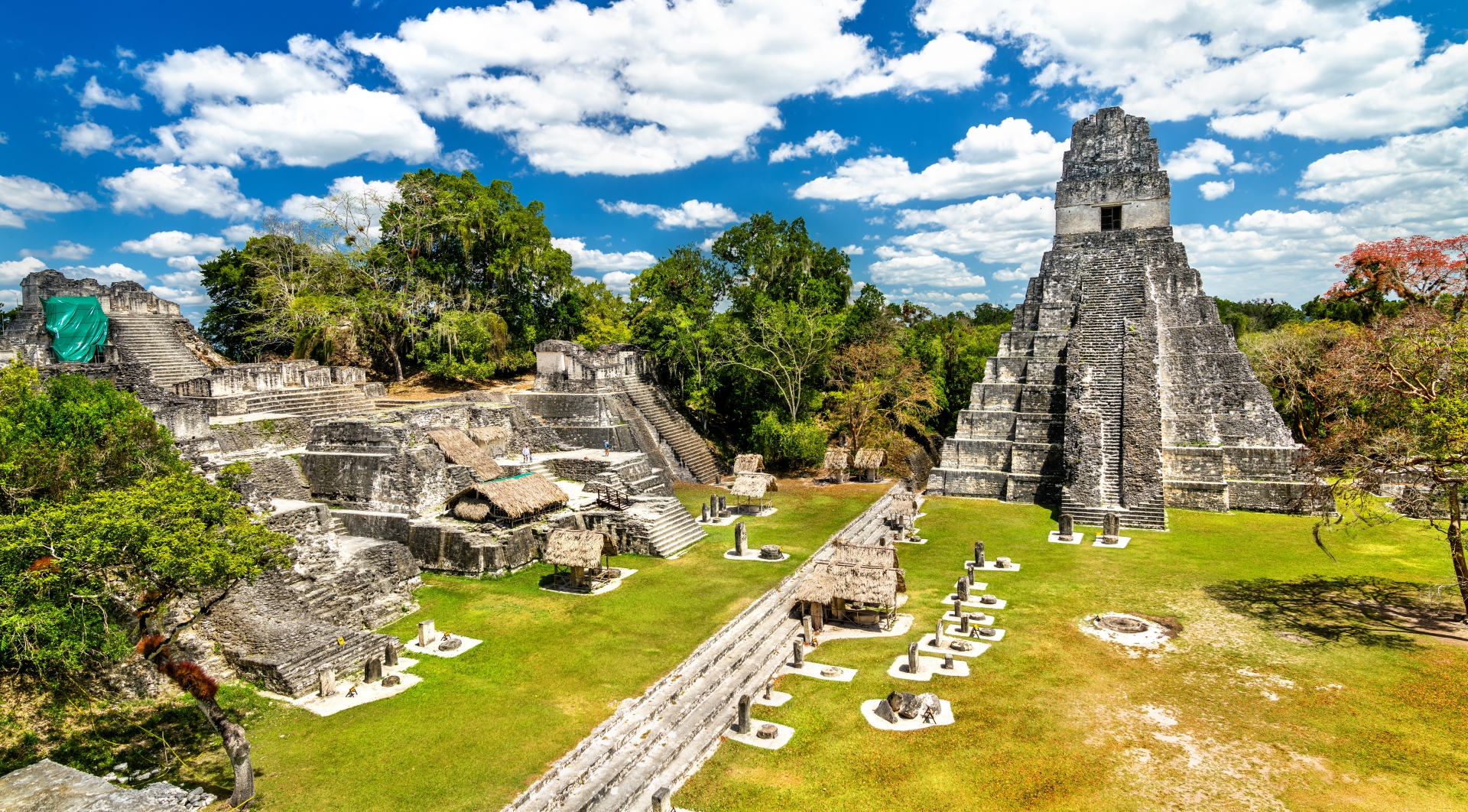
- Architectural Marvels: Their impressive cities featured pyramids, temples, and observatories that showcased their engineering prowess.
- Enduring Legacy: Millions of Maya descendants still maintain cultural traditions, languages, and agricultural practices today.
Introduction
The Maya civilization, one of the most advanced and enduring cultures of pre-Columbian Mesoamerica, thrived in present-day southeastern Mexico, Guatemala, Belize, Honduras, and El Salvador. Renowned for their achievements in writing, mathematics, astronomy, art, and architecture, the Maya left a rich legacy that continues to influence modern society.
Origins and Timeline
Preclassic Period (2000 BCE – 250 CE)
The Preclassic Period marks the early development of Maya society, beginning around 2000 BCE. During this time, the Maya established their first agricultural communities, cultivating crops such as maize, beans, and squash. Settlements like Kaminaljuyu and El Mirador began to emerge, laying the foundation for complex societal structures.
Classic Period (250 – 900 CE)
The Classic Period represents the zenith of Maya civilization. This era witnessed the rise of powerful city-states such as Tikal, Palenque, Copán, and Calakmul. The Maya built monumental architecture, including pyramids, temples, and ball courts, many of which still stand today. Advances in writing and mathematics flourished, with the development of a logo-syllabic hieroglyphic script and the concept of zero.
Postclassic Period (900 – 1521 CE)
The Postclassic Period followed the decline of many major Classic cities around 900 CE. Despite political instability and reduced population in the southern lowlands, northern regions like Chichen Itza and Mayapan continued to thrive until the Spanish conquest in the early 16th century. Trade and cultural exchange remained vital, sustaining Maya traditions amid changing social landscapes.
Timeline of the Maya Civilization
| Period | Years | Key Features |
|---|---|---|
| Preclassic | 2000 BCE – 250 CE | Early settlements, agricultural development, initial monumental constructions. |
| Classic | 250 – 900 CE | Peak of Maya culture, construction of major cities, advancements in writing and mathematics. |
| Postclassic | 900 – 1521 CE | Decline of southern cities, rise of northern centers, continued cultural practices. |
Geography
The Maya civilization spanned a diverse geographical region that included the tropical lowlands and the highlands. The lowlands were characterized by dense rainforests, abundant rivers, and fertile soil suitable for agriculture, while the highlands featured mountainous terrain with cooler climates. Major cities were strategically located to take advantage of the region's resources and trade routes.
Achievements
Writing System
The Maya developed one of the most intricate writing systems of the ancient world, consisting of hieroglyphs that combined logograms and syllabic symbols. This writing system was used to document historical events, religious rituals, and administrative records, providing invaluable insights into Maya society and culture.
Mathematics and Astronomy
Maya mathematics was highly advanced for its time, introducing the concept of zero, which was essential for their calendar and astronomical calculations. Their astronomy was precise; they accurately tracked celestial bodies and movements, predicting solar and lunar eclipses and developing the Long Count calendar, capable of recording dates over vast periods.
Architecture
The Maya were master builders, constructing impressive architectural structures such as pyramids, temples, palaces, and ball courts. Cities like Tikal and Palenque showcased their architectural prowess, with structures aligned to astronomical events and intricate stone carvings illustrating their myths and history.
Art and Craftsmanship
Maya art encompassed pottery, sculpture, murals, and textiles, featuring intricate designs and vibrant colors. Their artisans excelled in creating detailed figurines, stelae, and codices that depicted gods, rulers, and aspects of daily life, reflecting their rich cultural and religious beliefs.
Society and Culture
Social Structure
Maya society was hierarchical, composed of distinct social classes. At the top stood the king, or ajaw, who wielded political and religious authority. Below the king were nobles and priests who held power within religious and administrative institutions. Artisans, traders, and farmers formed the backbone of the society, contributing to its economic and cultural vitality.
Religion and Beliefs
The Maya practiced a polytheistic religion, worshipping a pantheon of gods associated with natural elements and celestial bodies. Key deities included the sun god Kinich Ahau and the rain god Chaac. Religious rituals often involved bloodletting and human sacrifices intended to appease the gods and ensure cosmic order.
Daily Life
Daily life for the Maya was centered around agriculture, with maize being the staple crop. Farmers employed advanced techniques like terracing and irrigation to cultivate their lands. Trade was also significant, with commodities such as cacao beans used as currency. The Maya engaged in various crafts, including pottery, weaving, and metalwork, showcasing their skill and creativity.
Decline and Legacy
Decline of the Classic Cities
Around 900 CE, many of the major Classic Period cities began to decline. Several theories attempt to explain this collapse, including prolonged droughts, overpopulation, warfare, and political fragmentation. Environmental degradation and resource scarcity may have exacerbated these issues, leading to societal stress and abandonment of urban centers.
Continuing Cultural Legacy
Despite the collapse of major cities, Maya culture persisted through the Postclassic Period and into the modern era. Millions of Maya descendants continue to inhabit Central America, maintaining their languages, traditions, and agricultural practices. Contemporary Maya communities preserve aspects of their ancient heritage, blending traditional customs with modern influences.
Modern-Day Influence
The legacy of the Maya civilization is evident in various fields. Their contributions to mathematics and astronomy are studied by scholars worldwide. Architectural sites like Chichen Itza and Tikal attract tourists and researchers, fostering cultural tourism and archaeological exploration. Maya art and mythology inspire contemporary artists and storytellers, keeping the spirit of the civilization alive.
Educational Resources
- Books: "The Popol Vuh" – Sacred book of the Quiché Maya; scholarly works on Maya civilization by epigraphers and archaeologists.
- Documentaries: Various educational documentaries exploring Maya history, culture, and archaeological discoveries.
- Museums and Archaeological Sites: Visiting museums with Maya artifacts and archaeological sites like Tikal, Palenque, and Chichen Itza for immersive learning experiences.
- Online Resources: Interactive websites and databases providing in-depth information about Maya hieroglyphs, calendar systems, and daily life.
Conclusion
The Maya civilization represents a remarkable chapter in human history, showcasing extraordinary advancements in writing, mathematics, astronomy, and architecture. Their enduring legacy continues to influence and inspire, offering valuable lessons on cultural resilience, innovation, and the interconnectedness of society and environment. Studying the Maya provides students with a comprehensive understanding of an ancient civilization's complexities and contributions to the modern world.
References
- ANCIENT MAYA CIVILIZATION | MESOAMERICAN Research Center
- Mayan Civilization: Calendar, Pyramids & Ruins | HISTORY
- Maya Research Program
- History of the Maya Civilization - Wikipedia
- Maya Civilization - World History Encyclopedia
- Journal of Maya Heritage | Kennesaw State University
Let me know if you'd like further details or specific examples!
Last updated January 26, 2025