
How Well Do You Understand Global Development Challenges? Test Your Knowledge!
Explore the complexities of developing nations through definitions, characteristics, theories, and progress markers.
The journey of nations towards improved living standards, economic stability, and social equity is a central theme in global studies. Often, countries undergoing significant transformation are referred to as "developing countries," a term that has largely replaced the older, Cold War-era label "Third World." Understanding the nuances of this development process involves exploring diverse economic indicators, social challenges, theoretical perspectives, and international efforts aimed at fostering progress.
This exploration delves into the multifaceted world of developing countries, examining their common characteristics, the hurdles they face, the frameworks used to understand their trajectories, and the strategies employed to achieve sustainable growth and well-being. Prepare to test your understanding with a series of multiple-choice questions designed to cover key aspects of this critical global topic.
Highlights: Understanding Development Dynamics
- Key Indicators: Development is often measured using metrics like Gross National Income (GNI) per capita and the Human Development Index (HDI), which considers health, education, and income.
- Common Challenges: Many developing nations grapple with issues like widespread poverty, limited access to quality healthcare and education, inadequate infrastructure, political instability, and vulnerability to climate change.
- Pathways to Progress: Strategies for development include fostering economic growth, implementing sustainable practices (like the UN's Sustainable Development Goals - SDGs), improving governance, investing in human capital, and leveraging international aid and investment.
Defining and Measuring Development
Grasping the concept of development requires looking beyond simple economic metrics. While income is crucial, human well-being encompasses much more.
Key Indicators of Development
Several indicators help paint a picture of a nation's development status:
Gross National Income (GNI) per capita:
This metric, used by the World Bank, measures the total income generated by a country's residents and businesses, divided by the population. It provides a snapshot of the average income but doesn't show income distribution.Human Development Index (HDI):
Developed by the United Nations Development Programme (UNDP), the HDI offers a more holistic view by combining three dimensions:- A long and healthy life (measured by life expectancy at birth).
- Knowledge (measured by mean years of schooling and expected years of schooling).
- A decent standard of living (measured by GNI per capita, adjusted for purchasing power parity).
From "Third World" to "Global South": Evolving Terminology
The term "Third World" originated during the Cold War to describe countries not aligned with either the capitalist "First World" (NATO allies) or the communist "Second World" (Soviet allies). Over time, it became associated with poverty and underdevelopment. Today, this term is considered outdated and potentially pejorative by many.
More neutral and descriptive terms are now preferred:
- Developing Countries: This is a broad term for nations with lower levels of industrialization, income, and human development indicators compared to developed countries.
- Least Developed Countries (LDCs): A specific UN category for countries facing severe structural impediments to sustainable development.
- Global South: This term often refers broadly to regions in Latin America, Africa, Asia, and Oceania, highlighting shared histories of colonialism and common challenges in the global political economy, rather than a strict geographical or economic definition.
Common Characteristics and Challenges
While diverse, developing countries often share certain characteristics and face overlapping challenges on their path to progress.
Socioeconomic Hurdles
Widespread Poverty:
A significant portion of the population often lives below the international poverty line, lacking resources for basic needs.Health and Sanitation Issues:
Limited access to quality healthcare, safe drinking water, and sanitation facilities contributes to lower life expectancies, high infant and maternal mortality rates, and a higher burden of infectious diseases compared to developed nations.Educational Gaps:
Challenges include insufficient access to quality education at all levels (primary, secondary, tertiary), inadequate resources, lack of trained teachers, and lower literacy rates.High Population Growth and Urbanization:
Many developing countries experience rapid population growth and significant migration from rural to urban areas, often leading to the growth of informal settlements or slums with inadequate services.Food Security:
Issues with food production and distribution can lead to malnutrition and famine, sometimes exacerbated by political factors or climate change rather than just absolute food shortages.
Infrastructure and Economic Structure
Infrastructure Deficits:
Lack of reliable transportation networks (roads, railways, ports), energy supply (energy poverty), communication systems, and other essential infrastructure hinders economic activity and quality of life.Large Informal Economies:
A significant part of economic activity often occurs outside formal regulation and taxation, providing livelihoods but lacking worker protections and contributing less to public revenue.Dependence on Primary Commodities:
Many economies rely heavily on exporting raw materials or agricultural products, making them vulnerable to global price fluctuations.Limited Access to Technology:
Gaps in access to and adoption of modern technologies can impede productivity and innovation.
Governance and Stability
Political Instability:
Frequent changes in government, civil unrest, or conflict can disrupt development efforts and deter investment.Corruption:
Corruption at various levels can divert resources intended for public services and development projects, undermining trust and efficiency.Debt Burden:
High levels of national debt can consume a large portion of government revenue, limiting funds available for development spending.
Visualizing Development Disparities
Comparing different aspects of development can highlight the varying challenges and progress levels across countries. The following chart provides a conceptual comparison of hypothetical developing country profiles across key dimensions. Note that these are illustrative representations and not based on specific country data.
This radar chart illustrates hypothetical relative strengths and weaknesses across six crucial development areas for countries at different income levels within the developing category. For instance, a low-income profile might show significant challenges across most areas, particularly infrastructure and health access, while an upper-middle-income profile might show comparatively better performance but still face governance or environmental hurdles.
Theories and Strategies for Development
Understanding why some countries develop faster than others involves various theories, and promoting development requires targeted strategies.
Theoretical Frameworks
Modernization Theory:
Popular in the mid-20th century, this theory suggests countries progress through stages, moving from traditional societies to modern, industrialized ones by adopting Western values, technologies, and institutions.Dependency Theory:
Emerging as a critique of modernization, this theory argues that underdevelopment in the "periphery" (developing countries) is a direct result of their economic exploitation by the "core" (developed countries) within the global capitalist system.World-Systems Theory:
Similar to dependency theory, it views the world as a single capitalist system divided into core, semi-periphery, and periphery countries, emphasizing the structural economic relationships between them.
Pathways to Progress
Economic Growth:
Often seen as fundamental, strategies focus on industrialization, diversifying the economy, improving trade, and attracting foreign direct investment (FDI).Human Capital Development:
Investing in education and healthcare improves productivity, innovation, and overall well-being.Sustainable Development Goals (SDGs):
The UN's 2030 Agenda provides a blueprint with 17 goals addressing poverty, hunger, health, education, equality, climate action, clean energy, economic growth, and more, emphasizing integrated and sustainable progress.Good Governance:
Strengthening institutions, reducing corruption, promoting the rule of law, and ensuring political stability are crucial for effective development.International Aid and Finance:
Organizations like the World Bank and IMF provide loans and technical assistance, while foreign aid from governments and NGOs plays a role. However, aid effectiveness and potential dependency are subjects of debate. Microfinance programs also aim to support small entrepreneurs.
Mapping the Concepts of Development
The interconnected nature of development issues can be visualized through a mindmap, highlighting the key areas related to developing countries.
(Health, Education, Income)"] ["Life Expectancy"] ["Literacy Rates"] ["Infant Mortality Rate"] ["Theories"] ["Modernization Theory"] ["Dependency Theory"] ["World-Systems Theory"] ["Strategies & Goals"] ["Economic Growth"] ["Poverty Reduction"] ["Sustainable Development Goals (SDGs)"] ["Human Capital Investment"] ["Good Governance"] ["Microfinance"] ["Foreign Aid & Investment"] ["Global Context"] ["Global South Terminology"] ["International Organizations
(World Bank, IMF, UN)"] ["Globalization Impacts"] ["Trade Relations"] ["G77 Diplomatic Group"]
This mindmap outlines the core components associated with the study of developing countries, from their defining features and the obstacles they face, to the metrics used to gauge progress, the theories explaining their situation, the strategies employed for advancement, and their position within the global system.
World Bank Income Classifications and Development Indicators
The World Bank categorizes economies based on GNI per capita. While income is just one aspect, these categories often correlate with broader development trends. The table below shows typical ranges and characteristics associated with developing country income groups as of early 2025 (note: specific thresholds change annually and values are approximate).
| Income Category | Approx. GNI per capita (USD, 2024 Thresholds) | Typical HDI Range (Approx.) | Common Characteristics |
|---|---|---|---|
| Low-Income | ≤ $1,135 | < 0.55 | Significant poverty, high dependence on agriculture, major challenges in health, education, and infrastructure, political instability can be high. |
| Lower-Middle Income | $1,136 - $4,465 | 0.55 - 0.70 | Beginning industrialization, improving but still limited access to services, large informal sectors, urbanization challenges. |
| Upper-Middle Income | $4,466 - $13,845 | 0.70 - 0.80 | More advanced industrialization/service economies, rapidly improving infrastructure and education, but inequality and environmental concerns may rise. |
| High-Income | > $13,845 | > 0.80 | Advanced economies, strong institutions, high living standards (considered developed). |
This table provides a general framework for understanding how income levels often relate to broader development indicators and challenges. However, significant variation exists within each category, and factors beyond income heavily influence a country's development trajectory.
Visual Perspectives on Development
Images can offer powerful insights into the realities of development, showcasing both the challenges faced and the progress being made.
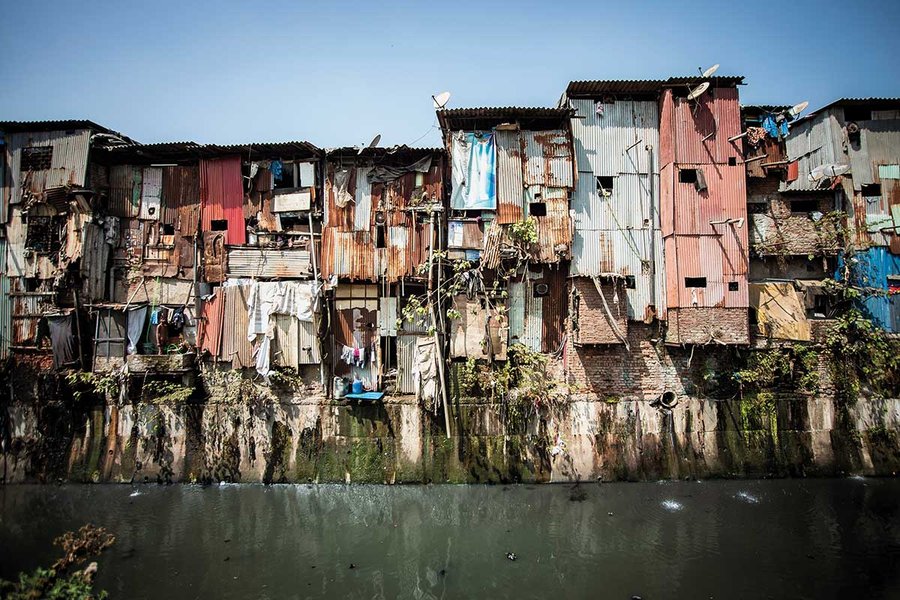
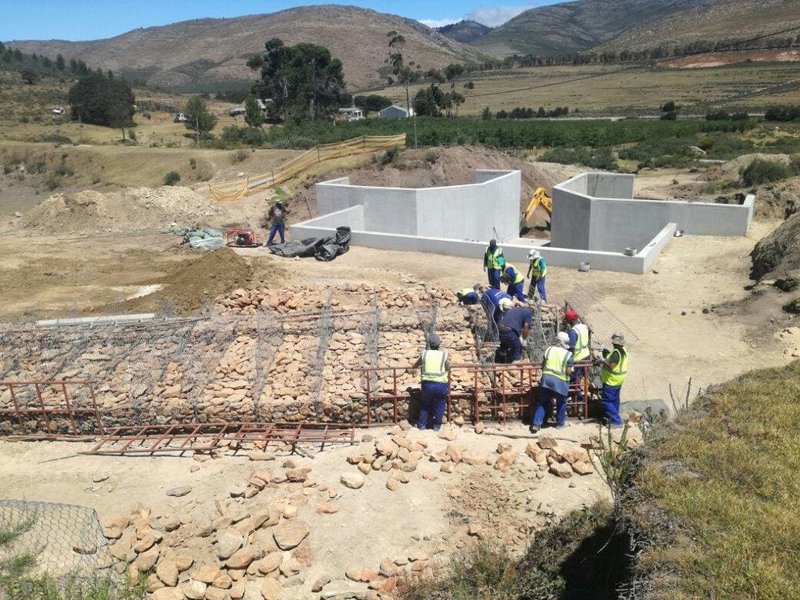
The contrast between images often seen from developing countries – such as densely populated informal settlements lacking basic services and infrastructure projects aimed at improving rural livelihoods or urban connectivity – underscores the complex and uneven nature of development. Addressing the needs of rapidly growing urban populations while also ensuring progress in rural areas represents a key challenge for many nations.
Focusing on Sustainable Development Goals (SDGs)
The United Nations' Sustainable Development Goals (SDGs) represent a global consensus on the key targets for achieving a better and more sustainable future for all by 2030. Understanding these goals is crucial for grasping contemporary development efforts.
This video provides an overview of the SDGs. These 17 interconnected goals cover a wide range of issues critical to developing countries, including ending poverty and hunger (Goals 1 & 2), ensuring health and well-being (Goal 3), providing quality education (Goal 4), achieving gender equality (Goal 5), ensuring clean water and sanitation (Goal 6), promoting affordable and clean energy (Goal 7), fostering decent work and economic growth (Goal 8), building resilient infrastructure (Goal 9), reducing inequality (Goal 10), creating sustainable cities (Goal 11), and combating climate change (Goal 13). They emphasize that development must balance social, economic, and environmental sustainability.
Test Your Knowledge: 20 MCQs on Development
Assess your understanding of the key concepts related to developing countries with these multiple-choice questions:
-
Which term is now widely preferred over "Third World" to describe countries with lower levels of industrialization and income?
- a) First World
- b) Global North
- c) Developing Countries
- d) Eastern Bloc
Answer: c) Developing Countries
-
The Human Development Index (HDI) combines measures of:
- a) GDP, inflation, and trade balance
- b) Life expectancy, education, and income (GNI per capita)
- c) Political stability, military strength, and population size
- d) Infrastructure quality, internet access, and urbanization rate
Answer: b) Life expectancy, education, and income (GNI per capita)
-
The World Bank primarily categorizes countries' economic status based on:
- a) Land area
- b) Population density
- c) Gross National Income (GNI) per capita
- d) Human Development Index (HDI)
Answer: c) Gross National Income (GNI) per capita
-
Which of the following is a common characteristic often found in developing countries?
- a) Very low population growth
- b) High levels of industrial pollution per capita
- c) Widespread poverty and significant income inequality
- d) Universal access to advanced healthcare
Answer: c) Widespread poverty and significant income inequality
-
Lower life expectancies in many developing countries are often linked to:
- a) Over-investment in tertiary education
- b) Limited access to quality healthcare and sanitation
- c) Predominantly aging populations
- d) Low levels of infectious diseases
Answer: b) Limited access to quality healthcare and sanitation
-
Improving the quality of education in developing nations often requires focusing on:
- a) Reducing the number of schools
- b) Eliminating technology from classrooms
- c) Enhancing teacher training and educational resources
- d) Focusing solely on vocational training
Answer: c) Enhancing teacher training and educational resources
-
A lack of adequate roads, reliable electricity, and communication networks is referred to as:
- a) Human capital deficit
- b) Infrastructure deficit
- c) Trade imbalance
- d) Fiscal surplus
Answer: b) Infrastructure deficit
-
A large portion of economic activity happening outside government regulation and taxation is known as the:
- a) Formal economy
- b) Public sector
- c) Informal economy
- d) Quaternary sector
Answer: c) Informal economy
-
Which factor is often cited as a major barrier to development by diverting public funds and undermining trust in institutions?
- a) High literacy rates
- b) Strong property rights
- c) Systemic corruption
- d) Low national debt
Answer: c) Systemic corruption
-
Which development theory suggests that countries progress through linear stages towards a Western model of development?
- a) Modernization Theory
- b) Dependency Theory
- c) World-Systems Theory
- d) Post-Development Theory
Answer: a) Modernization Theory
-
Dependency Theory primarily argues that underdevelopment is caused by:
- a) Internal cultural factors
- b) Exploitative economic relationships between rich and poor countries
- c) Lack of natural resources
- d) Insufficient population growth
Answer: b) Exploitative economic relationships between rich and poor countries
-
A key focus for many developing countries aiming for progress is:
- a) Reducing international trade
- b) Decreasing agricultural output
- c) Achieving sustainable economic growth
- d) Maintaining traditional social structures unchanged
Answer: c) Achieving sustainable economic growth
-
The UN's Sustainable Development Goals (SDGs) aim to achieve a balance between:
- a) Military power and economic influence
- b) Urban and rural population sizes
- c) Economic growth, social inclusion, and environmental protection
- d) National sovereignty and global governance
Answer: c) Economic growth, social inclusion, and environmental protection
-
Microfinance primarily aims to:
- a) Fund large government infrastructure projects
- b) Provide small loans and financial services to low-income individuals/entrepreneurs
- c) Bail out failing multinational corporations
- d) Offer foreign exchange services
Answer: b) Provide small loans and financial services to low-income individuals/entrepreneurs
-
Which international institutions are primarily known for providing loans and financial assistance, often tied to policy reforms, to developing countries?
- a) WHO and UNESCO
- b) Greenpeace and Amnesty International
- c) World Bank and International Monetary Fund (IMF)
- d) NATO and ASEAN
Answer: c) World Bank and International Monetary Fund (IMF)
-
The increasing interconnectedness of countries through trade, investment, and cultural exchange is known as:
- a) Isolationism
- b) Protectionism
- c) Globalization
- d) Regionalism
Answer: c) Globalization
-
A common criticism of international aid is that it can sometimes:
- a) Be too difficult to obtain
- b) Foster dependency and not reach the intended beneficiaries
- c) Lead to deflation
- d) Be excessively focused on environmental issues
Answer: b) Foster dependency and not reach the intended beneficiaries
-
Rapid migration from rural areas to cities in developing countries often contributes to the growth of:
- a) National parks
- b) Agricultural cooperatives
- c) Informal settlements and slums
- d) Well-planned suburban communities
Answer: c) Informal settlements and slums
-
High levels of external __________ can significantly constrain a developing country's budget, limiting spending on essential services.
- a) Foreign direct investment
- b) Tourism revenue
- c) National debt
- d) Export earnings
Answer: c) National debt
-
The diplomatic group representing the interests of many developing countries in international economic negotiations is known as the:
- a) G7
- b) OECD
- c) G77 (plus China)
- d) European Union
Answer: c) G77 (plus China)
Frequently Asked Questions (FAQs)
What is the main difference between a 'developing' and a 'developed' country?
The distinction usually hinges on economic indicators, levels of industrialization, and human development metrics. Developed countries typically have high GNI per capita, advanced industrial or service-based economies, robust infrastructure, high standards of living, high life expectancy, and universal access to quality education and healthcare (high HDI scores). Developing countries generally have lower GNI per capita, are less industrialized (often relying more on agriculture or resource extraction), face significant challenges in providing basic services and infrastructure, and have lower HDI scores compared to developed nations.
Why is the term "Third World" considered outdated or problematic?
The term "Third World" originated during the Cold War to classify countries unaligned with the US-led "First World" or the Soviet-led "Second World." It lacks precision, lumps together highly diverse nations, and became associated with negative stereotypes of poverty and backwardness. After the Cold War ended, the tripartite division became irrelevant. Terms like "developing countries" or "Global South" are now generally preferred as they are considered more neutral, descriptive, or politically relevant, though they too have limitations and encompass great diversity.
What does the Human Development Index (HDI) actually measure?
The HDI provides a composite measure of human development based on three key dimensions:
- A long and healthy life: Measured by life expectancy at birth.
- Knowledge: Measured by mean years of schooling (for adults aged 25+) and expected years of schooling (for children entering school).
- A decent standard of living: Measured by Gross National Income (GNI) per capita, adjusted for purchasing power parity (PPP) to account for cost of living differences.
It aims to give a broader picture of development than income alone.
Are all developing countries poor?
No. The term "developing countries" covers a vast range of nations with diverse economic situations. While many face significant poverty challenges (especially Least Developed Countries), others are categorized as middle-income countries with rapidly growing economies, substantial industrial bases, and rising living standards (e.g., many Upper-Middle Income countries). Poverty exists within all countries, but its prevalence and depth are typically greater in developing nations compared to developed ones. Lumping all developing countries together as uniformly "poor" ignores their significant diversity.
References
- Developing country - Wikipedia
- Developing Countries Topic - ResearchGate
- Online Activity 2 The Global Divides Lesson and Quiz - Scribd
- 3rd world development Test 1 | Quizlet
- SDG Indicators Goal 11 - UNStats
-
The IMF and World Bank - IMF
Recommended
Last updated April 5, 2025