
Background of the Study
Exploring Challenges and Strategies of Meat Vendors in Pili Public Market
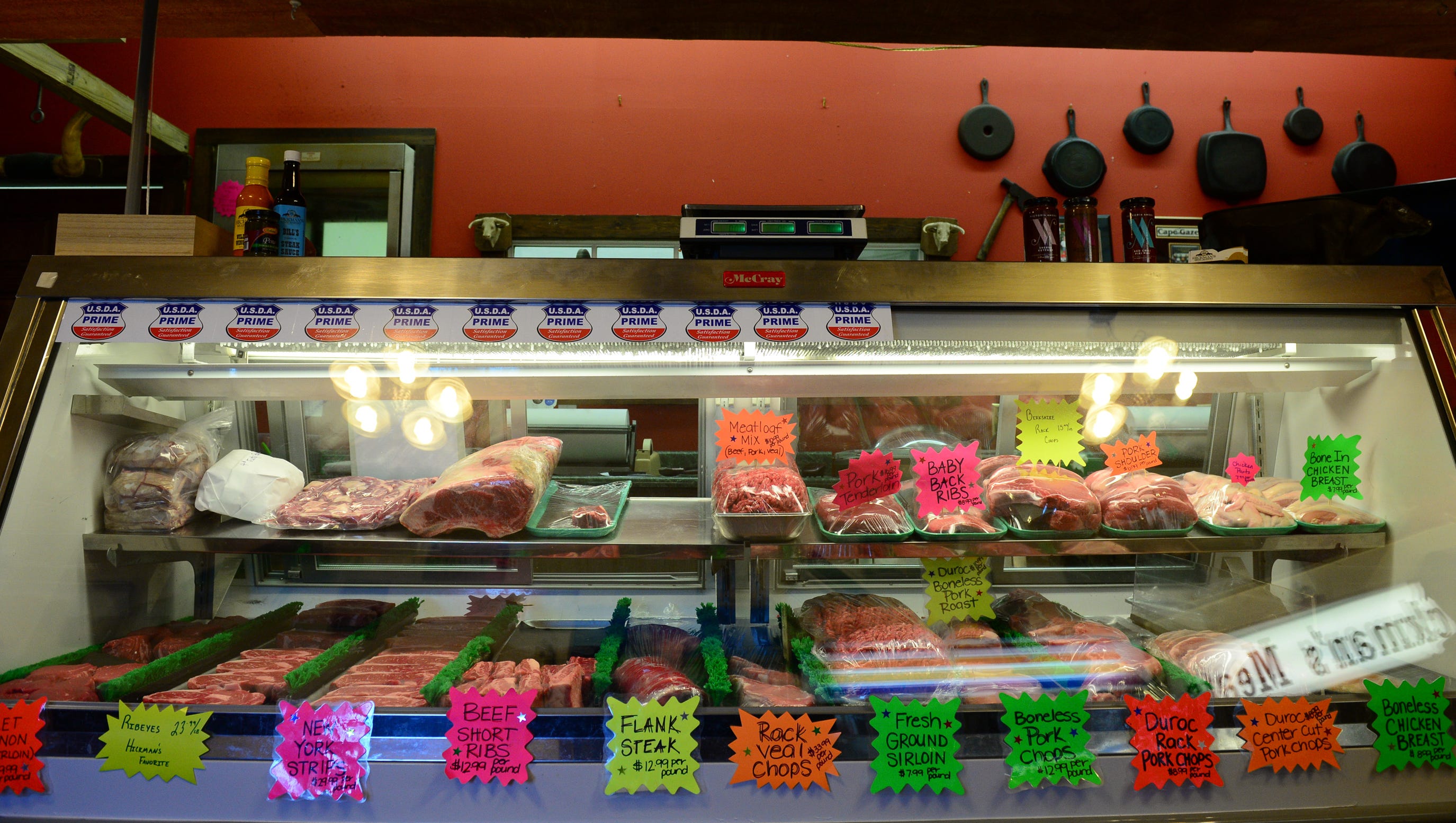
Key Highlights
- Lived Experiences: Real-world challenges and adaptive strategies of meat vendors.
- Global to Local Perspectives: Comparative insights from global research to the specific realities in Pili.
- Legal Framework and Policy Implications: Importance of regulatory compliance and legal support.
1. Overview
Meat vendors in Pili Public Market reflect a dynamic segment of the urban informal economy, facing a spectrum of significant challenges while implementing adaptive strategies to sustain their livelihoods. Their lived experiences provide an insightful view into the struggles and resilience inherent to operating within a competitive market environment that is influenced by both local socio-economic conditions and broader global trends. These vendors contend with financial constraints, regulatory compliance issues, and evolving consumer demands, all of which compel them to continuously innovate and adjust their business models. The study of these lived experiences not only highlights individual narratives of perseverance but also underscores the need for targeted policy interventions that can support their economic sustainability and promote market viability over the long term.
2. Global Research and Comparative Perspectives
Global Challenges and Market Trends
On the global stage, the meat vending and broader informal food sector are characterized by rapid urbanization, shifting consumer preferences, and increasingly stringent health and safety regulations. Research from diverse regions highlights that vendors across various urban centers face common challenges such as inadequate financial resources, intense market competition, and the pressure to meet evolving consumer expectations in terms of quality and safety. Globally, meat vendors have had to grapple with issues associated with market volatility, including fluctuating demand influenced by consumer health consciousness and the rise of convenience-oriented dietary trends. Such challenges have necessitated a reliance on adaptive strategies that embrace diversified product offerings, quality enhancement, and cost management—all aimed at staying viable in an intensely competitive landscape.
Additionally, international studies emphasize the importance of technological advancements and digital marketing tools as means for small-scale vendors to increase customer engagement and trust. Initiatives such as cooperative marketing, modernization of business practices, and leveraging social media platforms have emerged as valuable strategies in the global context. These approaches not only facilitate better consumer connectivity but also support market transparency and accountability, ensuring that vendors align with modern regulatory frameworks while nurturing their customer base.
3. Regional and National Context
Regional Challenges and Regulatory Frameworks
Within the Asia-Pacific region, particularly in cities across the Philippines, meat vendors encounter unique challenges that are intertwined with local economic conditions and regulatory landscapes. Market studies in Southeast Asia have illustrated that meat vendors often have to navigate conflicting demands: on one hand, there is the imperative to adhere to stringent food safety standards, and on the other, the pressure to remain financially viable in conditions where access to capital may be limited. Regional research indicates that local regulatory policies—while designed to ensure public safety and food quality—can often create operational constraints that hinder the economic growth of small-scale vendors. In many instances, the balancing act between regulatory compliance and business innovation challenges vendors to develop strategic responses that mitigate risks while boosting overall operational efficiency.
Furthermore, national policies such as the Local Government Code of 1991 and related ordinances establish a legal framework within which meat vendors must operate. These legal bases are critical in setting the operational parameters of food safety and trade, yet their application often varies significantly across different municipalities. This discrepancy directly impacts the day-to-day business activities of vendors in public markets, where consistent enforcement can either facilitate a stable trading environment or, conversely, add to the economic uncertainty that vendors already face.
4. Local Literature and Specific Insights on Pili Public Market
Local Market Dynamics and Entrenched Challenges
When examining the case of Pili Public Market, the significance of lived experiences becomes even more pronounced. Local studies reveal that meat vendors in this market are not only grappling with the universal issues of financial constraints and market competition but also with region-specific challenges such as inconsistent regulatory enforcement, inadequate infrastructure, and market fragmentation. Vendors have been observed employing a variety of cost-cutting measures and adaptive strategies, such as offering credit sales and engaging in informal negotiations with market authorities, aimed at balancing compliance with survival.
In Pili, vendors are required to adhere to the legal standards set forth by national regulatory bodies, including provisions defined in the Meat Inspection Code (Republic Act No. 9296) and subsequent guidelines regarding food safety and animal welfare. Moreover, the National Meat Inspection Service (NMIS) ensures that local implementations of these laws are in line with broader public health goals. However, the enforcement of these regulations is often inconsistent, leading to a situation where vendors must simultaneously navigate the rigors of legal compliance and the unpredictability of market forces.
To provide a clearer understanding of the complex interplay between local market dynamics and regulatory frameworks, the following table summarizes key aspects of the challenges and strategies reported by meat vendors in Pili Public Market:
| Aspect | Challenges | Strategies Employed |
|---|---|---|
| Financial Constraints | Limited access to capital; fluctuating market demand | Credit sales; cost management; adaptive pricing |
| Regulatory Compliance | Inconsistent enforcement of safety standards; complex legal procedures | Informal negotiations with local authorities; forming vendor associations |
| Market Competition | Pressure from larger retailers; market fragmentation | Diversification of product offerings; community-based marketing |
| Infrastructure Limitations | Inadequate facilities; limited access to modern processing equipment | Utilization of traditional methods; gradual investments in infrastructure |
5. Status Quo in Pili Public Market
As of the current assessment, the environment within Pili Public Market continues to be characterized by a precarious balance between the enforcement of legal standards and the entrepreneurial resilience of meat vendors. Despite the implementation of framework policies such as the Food Safety Act and national meat inspection guidelines, vendors find themselves in a position where they must continuously juggle the imperative for regulatory compliance with their need to manage operational costs and sustain customer loyalty. This tension is exacerbated by frequent inspections, penalties, and competition from more established retail chains. The adaptive measures adopted by vendors, which include diversifying product offerings and embracing cost-cutting strategies, are necessary responses to an ever-evolving landscape that is both influenced by internal market dynamics and external regulatory pressures.
Furthermore, local infrastructural deficits and the absence of cohesive market development programs contribute to a fragmented business environment, further complicating vendors' ability to achieve profitability and long-term sustainability. This condition underscores the need for targeted interventions, which not only address the operational challenges but also offer support in terms of capacity building and infrastructural improvements.
6. Significance of the Study
Implications for Policy and Market Development
The significance of this study lies in its potential to bring to light the nuanced experiences of meat vendors in Pili Public Market, offering valuable insights for academic research, policymakers, and local government authorities. By documenting the challenges and adaptive strategies adopted by these vendors, the study provides a micro-level perspective of the broader informal economy within urban centers. The detailed analysis not only contributes to the academic discussion surrounding informal market economies but also serves as a foundational reference for policy formulation aimed at ensuring the economic stability of small-scale vendors.
Moreover, the study highlights the imperative to reform and synchronize local regulatory practices with the broader objectives of public welfare and market sustainability. The legal bases underpinning meat vending activities—such as the Meat Inspection Code (Republic Act No. 9296), the Food Safety Act, and local government mandates—serve as critical points of intervention. Ensuring that these legal frameworks are applied consistently and fairly can foster a more enabling environment for vendors, safeguarding public health while nurturing local enterprise development.
7. Research Gap and Legal Bases
Identifying the Gaps and Potential Legal Remedies
Despite extensive literature addressing meat markets and regulatory environments at the global and national levels, there remains a notable gap in research that specifically captures the lived experiences of meat vendors in Pili Public Market. The in-depth challenges, ranging from financial constraints and infrastructural deficits to the pressures of regulatory compliance, have not been thoroughly explored in a manner that integrates local realities with broader legal and economic frameworks. This gap is particularly significant given the reliance of these vendors on informal mechanisms to navigate regulatory mandates, which are intended to secure food safety yet often inadvertently contribute to economic instability.
The study aims to bridge this research gap by employing a mixed-methods approach that emphasizes both qualitative and quantitative insights from the vendors themselves. By closely examining the everyday challenges and strategic adaptations employed by meat vendors, the research seeks to illuminate areas where legal reforms could alleviate undue burdens on small-scale vendors. The legal bases central to this context include:
- Republic Act No. 9296 - Meat Inspection Code, which provides guidelines and standards for meat processing and sales.
- The Food Safety Act, which outlines the requirements for food safety and consumer protection in the marketplace.
- Local Government Code provisions and other municipal ordinances that govern market operations and vendor practices.
These legal frameworks, while intended to ensure safe and reliable food distribution, often require more nuanced application in practice. As such, the study not only documents the current status quo of regulatory challenges but also advocates for more tailored policies that reflect the realities faced by meat vendors. Formulating interventions that are based on ground-level insights could lead to more balanced regulations, ultimately supporting vendor sustainability, enhancing consumer trust, and promoting overall market development.
Conclusion
In summary, the exploration of the challenges and strategies of meat vendors in Pili Public Market provides a critical lens through which the complex interplay of global market pressures, local economic realities, and regulatory frameworks can be understood. The lived experiences of these vendors—from the global trends influencing operational dynamics to the specific hurdles encountered in a local public market—underscore the vital need for adaptive strategies and supportive legal reforms. This study emphasizes that while vendors have developed innovative methods to sustain their businesses amidst uncertain market conditions, significant gaps remain in policy and infrastructure support. By integrating insights from global research, regional dynamics, and local contexts, the study advocates for a more nuanced application of legal frameworks that not only mandate food safety but also protect the socio-economic welfare of the entrepreneurial communities in public markets.
Ultimately, the findings call for concerted efforts by policymakers, local government units, and community stakeholders to create a balanced and sustainable trading environment. Recognizing and addressing the research gaps identified in this study is paramount to informing future interventions that can effectively support the economic stability and growth of meat vendors in Pili Public Market.
References
- Navigating the Daily Challenges Faced by Small Food Vendors in Metro Manila, Philippines - CGIAR
- Maximizing Profits: Financial Strategies for Market Vendors - Course Hero
-
Laws and Policies - National Meat Inspection Service
- Conclusion - Meat Vendor Sector Insights - Studocu
-
Struggles of Selected Chicken Meat Vendors in Wet Market of San Isidro, Nueva Ecija - Ascendens Asia Journal
Recommended
Last updated February 20, 2025