
The Lived Experiences of Meat Vendors
Exploring Challenges and Strategies in Pili Public Market
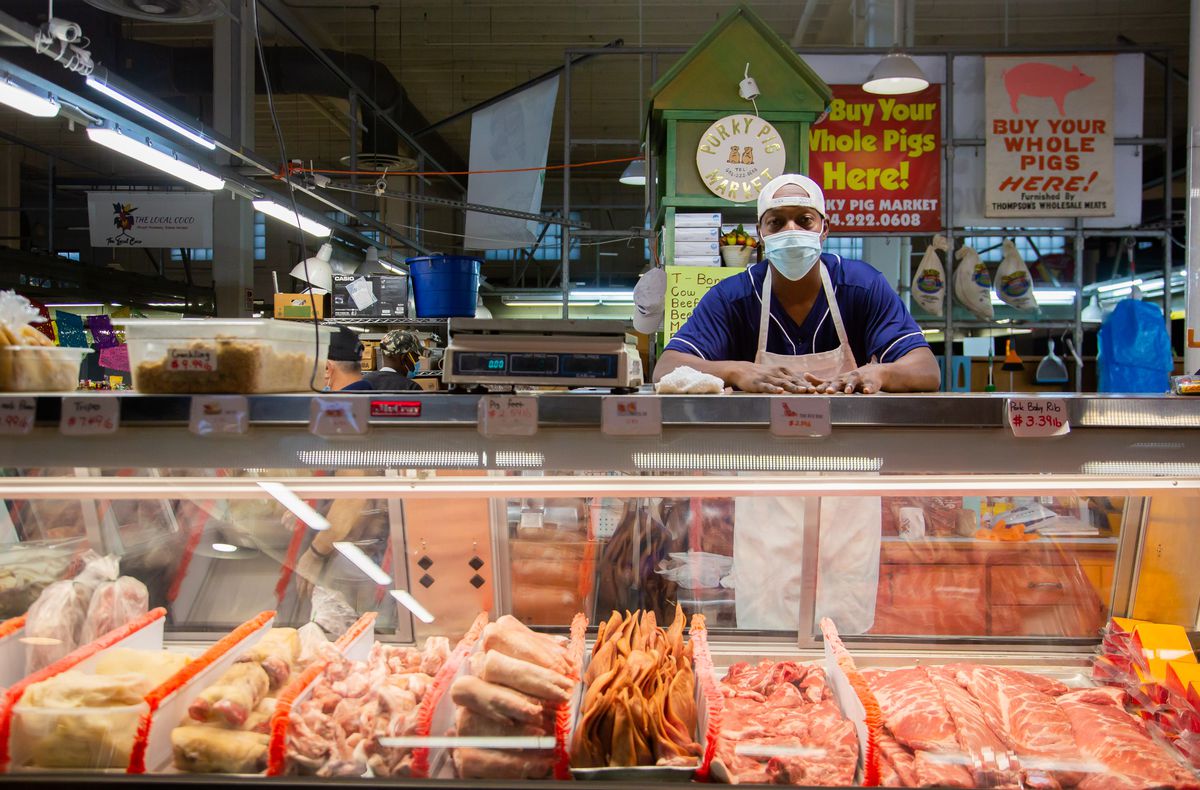
Highlights
- Economic and Operational Challenges: Detailed discussion on supply chain disruptions, soaring meat prices, and regulatory hurdles.
- Adaptive Strategies: Exploration of innovative business adjustments such as product diversification, direct-to-consumer sales, and creative marketing.
- Contextual Influences: Analysis of cultural, socioeconomic, and informal economy factors impacting vendor resilience and community engagement.
Introduction
The study of the lived experiences of meat vendors in venues such as Pili Public Market offers valuable insights into the interplay of economic challenges, operational constraints, and the innovative strategies employed by vendors. These experiences are marked by the dynamic challenges arising from external pressures—such as global health crises, economic recessions, and regulatory changes—and intrinsic market forces including competition and shifting consumer demands. Views derived from various studies in similar environments demonstrate a blend of adversity and ingenuity that characterizes the daily operations of meat vendors.
This comprehensive discussion synthesizes insights from detailed research on market vendors, focusing specifically on the challenges and subsequent strategies adopted by meat vendors in Pili Public Market. By examining theoretical perspectives of entrepreneurial adversities, informal economy operations, and culturally embedded business practices, we can appreciate the nuanced realities of vendors and the proactive measures they employ.
Theoretical Perspectives on Lived Experiences
Entrepreneurial Adversities
Meat vendors in public markets such as Pili Public Market frequently encounter significant entrepreneurial adversities. These include:
Economic Disruptions
A primary concern for many vendors is the economic instability driven largely by global events such as the COVID-19 pandemic. The disruption in normal business operations led to supply chain interruptions and declining customer footfall, placing significant strain on daily sales. Economic pressures have also been compounded by inflationary trends, which have resulted in soaring meat prices, rendering it increasingly difficult for vendors to maintain profit margins while keeping products affordable for consumers.
Informal Economy Dynamics
Operating largely within a relatively unregulated informal economy, meat vendors face distinctive challenges related to inconsistent access to resources, regulatory oversight, and competition with formal retail chains. This informal status, while affording some flexibility, also means that vendors may lack robust support systems typically available to formal businesses. Numerous vendors depend on community networks and localized supply chains, underlying the importance of strong interpersonal and inter-business relations.
Socioeconomic and Cultural Influences
Cultural preferences and socioeconomic conditions have a profound impact on how vendors provide their services. Local consumer tastes and economic capacities drive market demands, influencing both the selection of products and the pricing strategies that vendors adopt. In addition, cultural values and trust established within the community enable vendors to build lasting relationships, which are crucial in times of crisis. The local market dynamics ensure that vendors must continuously adapt to meet ever-changing customer expectations.
Defining the Challenges
The challenges faced by meat vendors are multifaceted and interdependent. While several challenges are universal, specific aspects of operating in Pili Public Market create unique obstacles that require strategic contemplation.
Pandemic and Health-Related Disruptions
The global COVID-19 pandemic resulted in immediate and far-reaching impacts on meat vendors. Restrictions on movement, temporary market closures, and social distancing measures led to significant business interruptions. This unprecedented health crisis not only reduced consumer demand but also disrupted established supply chains. Consequently, vendors experienced financial losses, accumulation of unsold inventories, and operational pressures that demanded quick, transformative responses.
Supply Chain and Economic Pressures
Beyond the pandemic, meat vendors have faced ongoing supply chain disruptions stemming from global market fluctuations and localized issues such as shortages in meat supply. The rising cost of meat products, partly due to economic recessions and other global events (such as animal diseases or natural calamities), further complicates the balance between cost and consumer pricing. Additionally, these pressures necessitate rigorous price adjustments which can be challenging to sustain over time.
Regulatory and Compliance Constraints
Adherence to stringent health and safety regulations is a critical aspect of the meat market. Vendors must rigorously ensure the quality and safety of their products to maintain consumer trust. This includes dealing with regular inspections, complying with food safety standards, and implementing proper hygiene practices. In a market setting like Pili Public Market, these regulatory standards demand continuous monitoring and adjustment, which often contributes to increased operational costs and administrative burdens.
Market Competition and Customer Demand
The heavily competitive market environment adds another layer of challenge to meat vendors. Facing competition from both traditional stalls and modern retail alternatives such as supermarkets, individual vendors struggle to differentiate their offerings. Maintaining competitiveness involves continuous monitoring of consumer trends and pricing while also innovating product presentations. Additionally, changes in consumer preferences—such as shifting tastes or increased demand for convenience—force vendors to adapt swiftly.
Strategies for Navigating Challenges
Operational Adaptations
In response to the complex challenges presented by both the external marketplace and internal dynamics, meat vendors have adopted several operational strategies aimed at ensuring business continuity and profitability. One of the core areas of transformation has been operational adaptation, which includes:
Scaling Product Offerings
In light of supply chain constraints and economic pressures, many vendors have streamlined their product offerings. Rather than maintaining a large inventory, vendors opt for focusing on a select range of meat products that demonstrate high demand. This reduction in variety not only simplifies supply chain management but also reduces overhead costs and mitigates the risk of unsold stock. Furthermore, some vendors have diversified into value-added products such as marinated cuts, ready-to-cook packages, and processed meats, enabling them to capture a broader segment of the market.
Adapting Sales Channels
The severe restrictions posed by the pandemic accelerated the integration of digital and direct-to-consumer sales strategies. Many vendors incorporated online sales platforms and social media marketing, thereby expanding their customer base beyond traditional foot traffic. Mobile market approaches such as door-to-door selling and establishing community-based delivery systems have also emerged as prominent strategies, enabling vendors to maintain close contact with their customers. This not only fosters customer loyalty but also allows vendors to communicate product availability and special offers effectively.
Cost Management and Financial Coping Techniques
Financial management is central to sustaining operations in a volatile market environment. Vendors have employed several financial coping mechanisms including:
- Borrowing funds to maintain liquidity during periods of low turnover
- Implementing minimal product markups to ensure competitiveness while still achieving acceptable profit margins
- Exploring alternative supply chains that could offer more favorable price points
These financial strategies, while sometimes dependent on informal credit networks, have allowed vendors to navigate short-term liquidity crises while planning for longer-term business sustainability.
Marketing Innovations
As key players in an intensely competitive market, meat vendors rely significantly on innovative marketing strategies to differentiate themselves and reach a broader audience. The following approaches have been instrumental:
Community Engagement and Direct Communication
Among the most effective methods of building resilience is establishing robust community ties. Vendors who cultivate personal connections with their customers through regular engagement and participation in local events are better positioned to weather economic and market fluctuations. This community-centric approach not only promotes repeat business but also creates a trusted brand identity that customers come to rely on during turbulent times.
Utilizing Digital Platforms
The integration of digital technologies into the marketing mix has become indispensable. Meat vendors are increasingly leveraging social media platforms, professional photography, and targeted online advertisements to create compelling narratives about the quality and reliability of their products. Such tactics have proven successful in attracting new customers, especially among younger demographics who value convenience and quality assurance.
Collaborative and Innovative Marketing Tactics
In some instances, vendors have banded together to form cooperatives or associations that enhance their bargaining power and support collective marketing efforts. These collaborative initiatives can lead to shared branding, joint promotions, and coordinated responses to regulatory or supply issues. By pooling resources, small-scale meat vendors can also invest in community-wide advertising campaigns or create localized events to boost overall market exposure.
Supply Chain and Regulatory Adaptations
Strengthening Supply Chains
The integrity of a reliable supply chain is essential to the success of meat vendors. Disruptions in the supply chain affect product quality, availability, and ultimately, customer trust. Vendors in Pili Public Market have been experimenting with various methods to secure a consistent flow of quality meat products:
Diversification of Suppliers
Diversifying supplier relationships is a common strategy implemented to mitigate risks associated with product shortages and rising costs. By sourcing from multiple suppliers, vendors significantly reduce the risk of dependency on a single channel, which in turn helps to ensure consistent product quality and availability. This approach also fosters competitive pricing, as vendors can negotiate better terms based on market demand.
Adapting to Regulatory Requirements
Compliance with food safety and quality regulations remains a high priority. To adhere to these standards, vendors have adopted rigorous quality control measures. These measures include regular product inspections, proper storage protocols, and periodic training on health and safety guidelines. There is also an emerging trend among vendors to proactively engage with local authorities and industry associations, ensuring that they are both informed of, and can influence, regulatory changes. This proactive engagement helps in negotiating more favorable conditions and streamlining compliance demands.
Market Competition and Customer-Centric Strategies
Differentiation in a Competitive Environment
Competing in a busy market environment such as Pili Public Market requires meat vendors to create a distinctive identity. This is achieved by emphasizing quality, customer service, and product uniqueness. Strategies include:
Quality Control and Assurance
Maintaining a strong commitment to quality is fundamental. Vendors implement rigorous standards for meat freshness, handling procedures, and presentation. Customers associate quality with trust, which is critical in a market where both traditional and modern retail channels vie for consumer attention.
Customer Loyalty and Relationship Building
Beyond tangible product quality, fostering customer loyalty through personal relationships has emerged as a central strategy. Vendors often rely on their longstanding connections with community members, offering personalized service and flexible purchasing options. Repeat customers form the backbone of a stable revenue stream, and their feedback is instrumental in refining both product offerings and service mechanisms.
Responsive Pricing Strategies
In the face of rising costs and competitive pressures, pricing strategies are continuously being recalibrated. Vendors typically implement approaches such as dynamic pricing, which involves adjusting prices based on market demand and supply availability. Some have also experimented with discounts and promotional deals to attract more customers during slower periods without undermining the perceived value of their products.
Innovative Business Models
To achieve long-term sustainability, meat vendors are increasingly embracing innovative business models that integrate several strategic dimensions:
- Diversification of Revenue Streams: In addition to traditional sales, vendors are exploring value-added products—such as pre-cooked meat packages, marinated options, and even processed meat products—that command higher margins.
- Direct-to-Consumer Engagement: Emphasis on direct sales and community-supported agriculture (CSA) models have allowed vendors to bypass intermediaries, thereby reducing costs and building stronger customer bonds.
- Collaborative Ventures: Forming alliances with other vendors to share resources, marketing expertise, and even collective bargaining power with suppliers has proven beneficial in a competitive marketplace.
Table: Comparative Overview of Challenges and Strategies
| Challenges | Strategies |
|---|---|
| Economic disruptions and rising costs | Price adjustments, financial management, supplier diversification |
| Supply chain disruptions | Multiple supplier sourcing and predictive inventory management |
| Regulatory compliance issues | Enhanced quality control systems and proactive regulatory engagement |
| Intense market competition | Innovative marketing, quality assurance and direct customer engagement |
| Pandemic-induced disruptions | Adoption of digital sales channels and mobile market strategies |
Case Study: Pili Public Market
While precise empirical studies centered exclusively on Pili Public Market are limited, extrapolating from broader research reveals the following contextual factors:
Localized Economic Context
Pili Public Market, much like other traditional public markets, operates as a microcosm of local economic activity. Vendors here are not only affected by global dynamics but also by localized issues such as community income levels, regional supply chain structures, and localized competition. This setting necessitates a highly adaptive approach, where vendors continually adjust their product offerings and pricing strategies depending on the local economic environment. Additionally, fluctuating local demand and periodic market fluctuations are factored into daily operational planning.
Community and Cultural Dimensions
Cultural affinity plays an essential role in the market dynamics of Pili Public Market. The community’s trust in local vendors often translates to robust customer relationships, which vendors leverage during periods of supply shortage or economic downturn. Social capital accumulated over years of consistent service becomes a crucial asset for survival, enabling vendors to maintain a loyal customer base even under challenging conditions.
Regulatory Environment
Vendors in public markets are subject to localized regulatory frameworks that demand regular compliance checks and adherence to safety and quality standards. These regulations, while protective of consumer interests, can sometimes result in operational strains due to limited resources and sporadic enforcement. Consequently, many vendors in Pili Public Market deploy adaptive strategies that include internal quality monitoring, staff training programs, and direct engagement with local regulatory bodies.
Integrating Theory with Practice
The integration of theoretical perspectives into the everyday business practices of meat vendors in Pili Public Market illuminates the profound resilience within this sector. The dual approach of strategic operational adjustments and community-centered marketing bridges gaps posed by both modern economic challenges and deep-rooted traditional business norms.
The theoretical framework highlights how entrepreneurial adversities can precipitate innovative responses. For instance, emphasis on direct communication and customer loyalty underscores a move away from transactional interactions towards relationship-based business practices. Concurrently, the acknowledgment of informal economy dynamics in policymaking suggests that comprehensive support systems tailored to the unique needs of market vendors can facilitate sustainable business practices.
Interdisciplinary Influences
The exploration of these strategies also brings to light an interdisciplinary appreciation: economic theory, cultural studies, and business innovation converge to inform the everyday experiences of these vendors. On one hand, economic pressures demand a pragmatic and rational approach to price management and supply chain efficiency. On the other, cultural and social dynamics encourage relational strategies that prioritize trust and community engagement. This intersection explains the varied and layered responses that define the vendors’ lived experiences.
Sustainability and Future Trends
Looking ahead, the experiences of meat vendors in Pili Public Market suggest evolving trends that could shape their future. Sustainable practices including environmental considerations, such as reducing waste through efficient inventory management, are gaining traction. Furthermore, the persistent development of digital platforms is expected to further transform the traditional market framework, offering new opportunities for vendors to scale their operations while preserving the essential personal touch.
Conclusion
In summary, the lived experiences of meat vendors at Pili Public Market embody a complex tapestry of challenges and adaptive strategies influenced by economic disruptions, regulatory constraints, supply chain instability, and intensifying market competition. The vendors, drawing from an intrinsic resourcefulness rooted in community trust and cultural heritage, have progressively navigated these hurdles through a combination of operational adaptations, innovative marketing techniques, and proactive supply chain interventions.
The emerging theoretical perspectives reveal that while contemporary challenges such as global pandemics and rising meat prices pose significant hardships, the strategic responses by meat vendors—ranging from product diversification, direct-to-consumer sales, to collaborative networking—enable them to not only survive but also thrive in an ever-changing market. Practical strategies such as scaling product offerings, embracing digital marketing, and strengthening local supplier networks illustrate the practical manifestations of broader economic theories around informal market dynamics and entrepreneurial adversity.
Ultimately, the synthesis of these perspectives provides a comprehensive understanding of how meat vendors in Pili Public Market respond to multifaceted challenges, adapt strategically, and establish a resilient business model that is as much about community engagement as it is about financial and operational efficiency.
References
- Document on Socio-Technology and Science - Studocu
- Meat Vendors & Consumers Struggle - Philnews
-
Challenges of Chicken Meat Vendors - AAJMRA
- Challenges Faced by Small Food Vendors - CGIAR
- Marketing Strategies for Meat Shops - Desygner
- Direct-to-Consumer Meat Sales - Agriculture.com
Recommended
Last updated February 21, 2025