
Background Study on the Lived Experiences of Meat Vendors in Pili Public Market
An in-depth exploration of the everyday realities, challenges, and resilience of local meat vendors
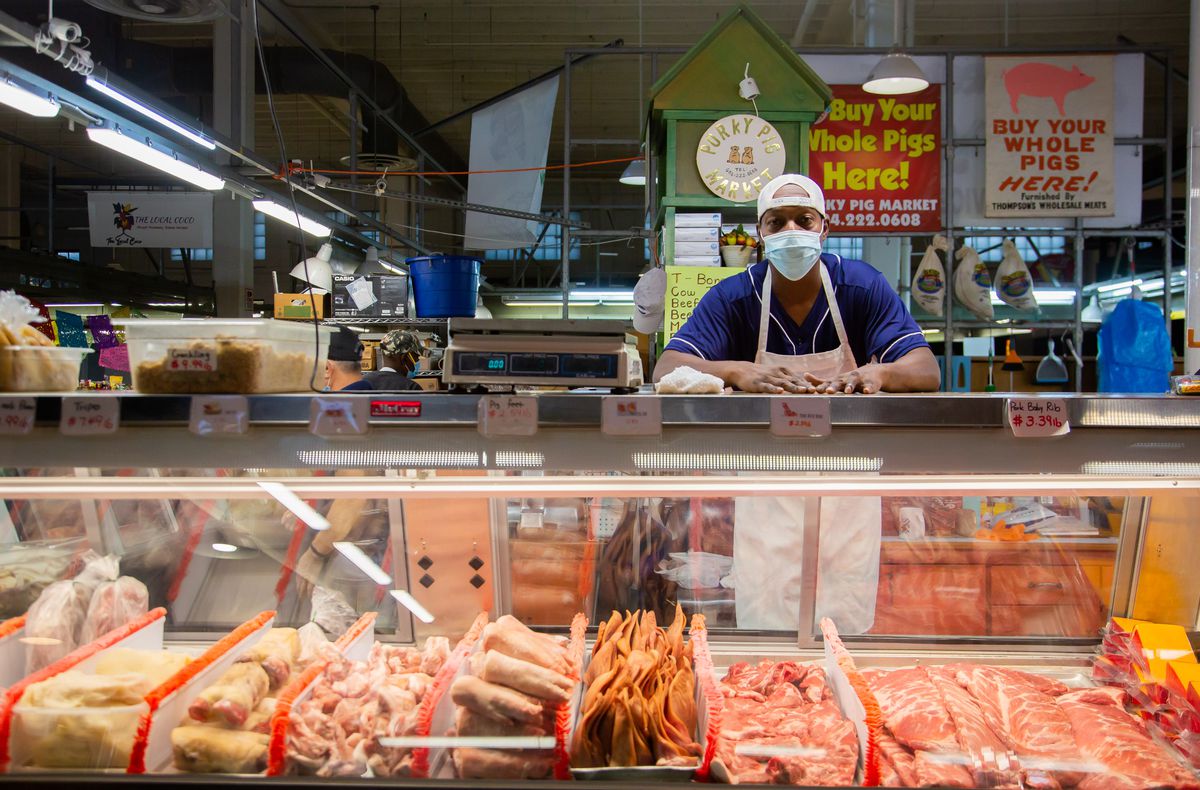
Key Highlights
- Economic and Regulatory Pressures: Meat vendors face multifaceted economic challenges coupled with a dynamic regulatory environment.
- Cultural and Social Dynamics: Traditional practices and strong local networks shape the vendors' identities and livelihoods.
- Adaptation and Coping Strategies: Vendors employ diverse mechanisms to overcome challenges, ensuring community food security and resilience.
1. Introduction
Public markets are more than mere venues for commercial transactions; they embody the cultural, economic, and social ethos of a community. In the Philippines, local markets such as Pili Public Market have historically provided a vibrant nexus for food distribution, particularly in meat commerce. The lived experiences of meat vendors in Pili Public Market reveal a complex interplay of tradition, modern market pressures, regulatory challenges, and community solidarity. Their stories are testimony to resilience, adaptability, and the intricate balancing act between sustaining tradition and adapting to dynamic market conditions.
2. Historical and Socio-Economic Context
2.1 Evolution of the Market
Pili Public Market has evolved from a small, community-driven trading post to a bustling center that supports a significant part of the local economy. Historically, meat vending in this locale was intimately tied to family traditions and local livestock practices. Generational knowledge was passed down, ensuring consistency and authenticity in the way meat was handled and sold.
2.1.1 The Traditional Framework
In earlier times, local meat vendors relied on small-scale livestock farming and bartering systems. This system fostered close-knit relationships between producers, vendors, and consumers. The market was not only a place for trade but also a space where community traditions were celebrated, and local culinary practices were maintained.
2.1.2 Modern Transformations
With the forces of urbanization and globalization, the supply chain within Pili Public Market has undergone significant transformation. Larger retailers and organized supply chains have started to influence local street-level trade. This evolution has increased competition and altered consumer behavior, forcing vendors to adapt their traditional practices to a market that demands efficiency and consistency.
2.2 Socio-Economic Role of Meat Vendors
Meat vendors are integral to local food security and the economic fabric of the community. They ensure that fresh meat is available to a broad segment of the population, many of whom rely on these markets for affordable and high-quality products. The vendors’ businesses are not only commercial enterprises but also social spaces where community ties are strengthened through daily interactions.
2.2.1 Economic Contribution
The livelihood of many families within the community depends on the trade established by meat vendors. Amid fluctuating meat prices and market competition, these vendors have become linchpins in the network of local food distribution.
2.2.2 Social Cohesion and Community Identity
Beyond the economic implications, vendors contribute to the social identity of Pili Public Market. The interpersonal networks they build with suppliers, regular customers, and fellow vendors create an enduring support system. This social fabric is vital for maintaining community resilience in the face of external pressures.
3. Challenges Affecting Meat Vendors
3.1 Economic Challenges
Meat vendors at Pili Public Market operate in an environment characterized by tight profit margins, fluctuating meat prices, and increasing operating costs. The economic challenges they face are compounded by:
3.1.1 Market Competition
The rise of large retail chains and supermarkets often places traditional meat vendors at a disadvantage. These larger outlets can leverage economies of scale to offer lower prices, thereby siphoning off potential customers away from local vendors.
3.1.2 Price Volatility and Supply Chain Issues
Meat prices can be highly volatile due to various influences such as feed costs, seasonal fluctuations, and unexpected supply chain disruptions. The vendors must navigate these uncertainties while striving to maintain affordable prices for consumers without compromising on quality.
3.1.3 Limited Capital and Infrastructure
Operating in an informal or semi-formal market structure, many meat vendors often contend with limited access to the capital needed for upgrading stalls, improving sanitary conditions, or investing in modern equipment. Inadequate infrastructure in the market, such as unreliable electricity and water supply, further exacerbate these struggles.
3.2 Regulatory and Environmental Challenges
The regulatory landscape impacting meat vendors is multifaceted, blending the need for sanitary compliance with bureaucratic oversight. These regulations are designed to ensure food safety but may pose significant obstacles for small vendors.
3.2.1 Health and Safety Compliance
Strict health and safety standards are crucial in the handling and sale of meat. Vendors are required to adhere to government-imposed regulations, which include maintaining clean stalls, proper storage, and safe handling of meat products. Non-compliance can result in fines or even the temporary closure of stalls, directly affecting vendors' incomes.
3.2.2 Lack of Formal Regulation in Informal Markets
Many meat vendors operate in a largely unorganized sector where formal regulatory support is minimal. The absence of clear guidelines or support mechanisms often leaves these vendors vulnerable to both inconsistent enforcement of regulations and limited avenues for formal support or advocacy.
3.2.3 Environmental Concerns
Handling meat involves inherent environmental concerns, such as waste management and the risk of contamination. Ensuring a balance between environmental health and business viability requires vendors to frequently invest time and resources into proper waste disposal methods and maintaining a hygienic environment.
3.3 Impact of External Shocks
External shocks such as pandemics, natural disasters, or disease outbreaks have a profound impact on the operations of meat vendors. Instances like the COVID-19 pandemic and the outbreaks of African Swine Fever (ASF) have destabilized supply chains and reduced consumer purchasing power, making it increasingly challenging for vendors to operate.
3.3.1 Public Health Crises
During public health emergencies, limitations on movement and restrictions in market operations directly affect the foot traffic in public markets. This reduction in customer flow forces vendors to rethink their business models and adopt new strategies to survive economically.
3.3.2 Natural and Economic Disasters
Beyond health crises, natural disasters such as typhoons can disrupt the supply chain and hamper the day-to-day functioning of public markets. Economic downturns further strain the capacity of vendors to invest in infrastructure improvements or sustain their operations during lean periods.
4. Coping Mechanisms and Adaptation Strategies
4.1 Adaptation to Market Trends
In the face of numerous challenges, meat vendors have shown considerable resilience by adapting their business practices to changing market conditions. This adaptability is critical to their survival and ongoing relevance in the community.
4.1.1 Diversification of Products
By expanding their product offerings to include a variety of meat cuts, processed meat products, and even collaborating with local food producers for complementary goods, vendors better cater to the diverse preferences of a modern customer base. This strategic diversification not only mitigates risk but also attracts new customer segments.
4.1.2 Embracing Technology and Modern Methods
Some vendors have begun to incorporate digital technologies into their operations. The use of mobile payment systems, social media marketing, and even simple digital inventories has enabled them to streamline their processes and broaden their customer reach. This incorporation of modern methods signifies a gradual shift toward more organized business models.
4.2 Building and Leveraging Social Networks
One of the most enduring features of the meat vendors' experience in Pili Public Market is the strong sense of community. Vendors often rely on robust local networks and social relationships to navigate various challenges.
4.2.1 Community Support Systems
Close-knit networks among vendors provide much-needed emotional and operational support. These networks facilitate the sharing of resources, collective bargaining with suppliers, and even mutual aid during times of crisis. Such partnerships often fill the void left by the lack of formal regulatory or financial support.
4.2.2 Customer Relationships and Loyalty
The interpersonal relationships that vendors form with regular customers significantly contribute to their business endurance. Trust and familiarity encourage repeat business and allow vendors to maintain a loyal customer base even during periods of market instability. This relational dynamic further enhances the social fabric of the community.
4.3 Collaborative Strategies and Informal Alliances
In response to the challenges faced, meat vendors often form informal alliances with one another. By pooling resources, sharing best practices, and coordinating on market responses, they create a collective form of resilience that allows them to better cope with external pressures.
4.3.1 Resource Sharing and Joint Negotiations
Vendors may collaborate by sharing bulk purchases of supplies or negotiating collectively with regulatory bodies for more reasonable compliance periods and supports. In many instances, these joint efforts have resulted in better access to resources and improved bargaining power against market forces.
4.3.2 Adaptive Business Practices
Recognizing the shifting landscape, some vendors engage in adaptive practices such as offering home delivery services during public health crises or setting up temporary stalls in response to damaged infrastructure due to natural calamities. These adaptive measures underline the innovative spirit pervasive among vendors in the market.
5. Case Analysis: Operational Dynamics in Pili Public Market
5.1 Overview of Daily Operations
A typical day for a meat vendor in Pili Public Market begins early in the morning. Vendors manage pre-opening preparations by ensuring that their meat products are stored under appropriate conditions and that the display areas are arranged optimally to attract customers. The operations are characterized by continuous engagement with suppliers, local regulatory compliance checks, and interaction with a diverse customer base.
5.1.1 Workflow and Routine
The daily schedule often includes early morning procurement of fresh meat, set up of stalls, and restocking as needed throughout the day. Regular interactions with suppliers ensure a steady stream of products, while maintenance of sanitary standards is given utmost priority.
5.1.2 Market Competition and Customer Interaction
Despite facing competition from larger markets and organized retailers, the meat vendors of Pili Public Market maintain distinct customer service practices that are deeply rooted in local customs. Their ability to provide personalized service and adapt to consumer tastes remains a critical component of their operational success.
5.2 Comparative Analysis: Traditional vs. Modern Adaptations
The dichotomy between traditional practices and modern business adaptations can be summarized effectively by a comparative analysis. The table below presents an overview of the key aspects of this contrast:
| Aspect | Traditional Practices | Modern Adaptations |
|---|---|---|
| Supply Source | Local livestock and family farms | Integration with organized supply chains |
| Customer Engagement | Personalized, community-based relationships | Utilization of social media and digital transactions |
| Regulation Compliance | Informal adherence to local norms | Structured measures to meet government standards |
| Business Operations | Established routines passed down through generations | Innovative practices like dynamic pricing and home deliveries |
This comparative analysis illustrates how the sector is in a state of transformation, driven by both necessity and the opportunities presented by technological integration and evolving consumer behaviors.
6. Implications for Policy and Future Research
6.1 Policy Development
The insights gained from examining the lived experiences of meat vendors in Pili Public Market are crucial for informing policy development. There is a clear need for:
6.1.1 Formalizing the Informal Sector
Policymakers should explore ways to integrate these vendors into formal economic systems without compromising their traditional practices. Support in the form of microfinance, subsidies, or infrastructural improvements can create an enabling environment that allows these vendors to thrive while meeting modern standards.
6.1.2 Enhanced Regulatory Frameworks
A balanced regulatory framework ideally supports food safety and public health while mitigating the bureaucratic burdens on small-scale vendors. Such frameworks could include training programs on food safety, simplified compliance procedures, and periodic reviews to align regulations with on-the-ground realities.
6.2 Directions for Future Research
There remains a significant gap in scholarly literature regarding the lived experiences of meat vendors, particularly within informal markets in the Philippines. Future research can address:
6.2.1 In-Depth Ethnographic Studies
Detailed, ethnographic studies involving direct interviews and participant observation can yield comprehensive insights into the daily challenges, aspirations, and coping strategies of these vendors.
6.2.2 Longitudinal Analyses
Long-term studies that track changes over time in market dynamics, regulatory impacts, and social networks would be beneficial. Such continuous research could inform adaptive policy measures that keep pace with the evolving landscape.
7. Synthesis and Final Remarks
7.1 Synthesis of Lived Experiences
The lived experiences of meat vendors in Pili Public Market vividly capture the challenges faced by people operating within informal economic sectors. These experiences are marked by a fusion of historical practices, economic struggles, and adaptive innovations to overcome regulatory and external shocks. From managing daily operations under uncertain market conditions to fostering strong community networks, these vendors exhibit remarkable resilience.
7.2 The Future Outlook
As public markets continue to adapt to novel challenges posed by global events and internal economic shifts, the role of meat vendors as custodians of local tradition and innovation becomes even more significant. Their adaptive strategies, such as diversification of products and embracing technological advancements, provide a blueprint for how small-scale business operators can thrive even under pressure. Understanding, supporting, and integrating their experiences into policy design is paramount for both local development and the preservation of cultural heritage.
Conclusion
In conclusion, the background study of meat vendors in Pili Public Market highlights a rich tapestry of historical legacies, economic challenges, and adaptive resilience. Their operational dynamics, deeply ingrained in both tradition and modernity, not only sustain local food systems but also embody the wider socio-economic interactions of the community. For policymakers, researchers, and stakeholders, understanding these lived experiences is a critical step in crafting support mechanisms that nurture both economic development and cultural preservation. The narrative outlined here sets the stage for further scholarly inquiry and informed policy interventions that can safeguard the future of local markets.
References
- Case Study of the Pili Market Expansion - Nagoya University
- Tales of Local Meat Vendors Tackling COVID-19 and ASF - ResearchGate
Recommended
Last updated February 20, 2025