
Research Studies on Meat Vendors' Challenges and Strategies
A comprehensive analysis of challenges and adaptive strategies in the meat industry
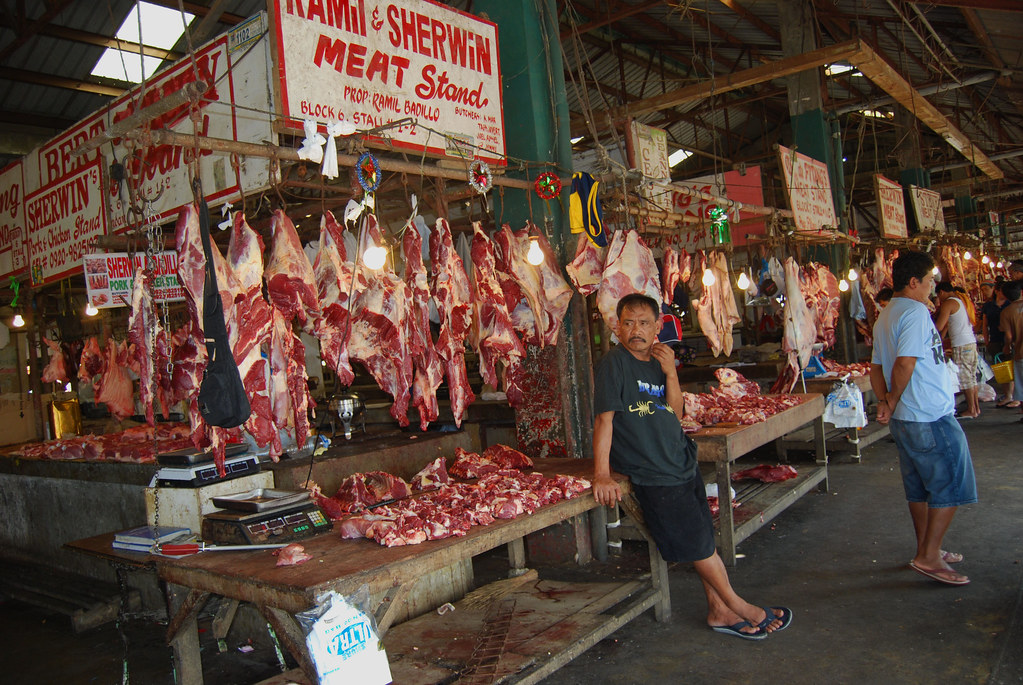
Key Insights
- Economic and Operational Challenges: Research reveals that meat vendors face critical issues ranging from economic pressures and fluctuating market demands to regulatory obstacles and supply chain inconsistencies.
- Strategic Adaptations and Innovation: Studies highlight that vendors are increasingly adopting innovative practices such as technological integration, diversification, and community-driven marketing to secure and stabilize their market positions.
- Sustainability and Public Health: The growing focus on sustainability practices and consumer health concerns is prompting meat vendors to adopt eco-friendly strategies and maintain rigorous safety standards.
Overview of Challenges Facing Meat Vendors
A significant body of research has documented the multi-dimensional challenges faced by meat vendors across various global contexts. One of the most prominent issues is the economic pressure arising from rising costs, supply chain disruptions, and the competitive landscape. The meat industry, being subject to fluctuating meat prices and global market shifts, consistently affects the cost of operations. Vendors often operate in an environment of recurring inflation and demand instability, necessitating short-term and long-term strategic planning.
Economic and Market Challenges
Several studies emphasize that rising costs, including feed, transportation, and processing expenses, place a significant strain on meat vendors. Economic challenges are compounded by:
- Inflationary Pressures: The ongoing fluctuations in meat prices driven by global economic conditions and unforeseen pandemics like COVID-19 have a direct impact on vendors’ profitability.
- Supply Chain Disruptions: Vendors often grapple with inconsistent supply modalities, which affect both the sourcing and distribution of meat products. In regions where infrastructure may be inadequate, such as certain areas in Africa, these disruptions are even more pronounced.
- Fluctuating Demand: Variations in consumer behavior and market competition, particularly from plant-based alternatives or other traditional meat vendors, add another layer of complexity.
Regulatory and Health-Related Challenges
Meat vendors must navigate rigorous government regulations and food safety standards. Compliance with these legal frameworks is essential not only for operational legitimacy but also for maintaining public health standards. Research indicates:
- Stringent Compliance: Adapting to regular updates in food safety laws involves significant operational changes and often incurs higher costs for certification and routine inspections.
- Health Risks: Outbreaks of diseases such as COVID-19 and other contagious conditions like African Swine Fever (ASF) have underscored the vulnerability of traditional meat vending systems. Vendors must balance the need to maintain business operations with the imperative to implement enhanced safety measures.
- Consumer Concerns: Public perceptions often influence purchasing decisions, where any lapse in complying with health standards or the presence of contamination risks can immediately impact sales and customer trust.
Environmental and Sustainability Challenges
Sustainability has emerged as a central concern in the meat supply chain. The environmental impact of meat production—ranging from deforestation to water pollution—places an additional responsibility on vendors. Research highlights include:
- Environmental Impact: The meat industry is increasingly scrutinized for practices that contribute to environmental degradation. Meat vendors face pressure not only from regulators but also from environmentally conscious consumers.
- Sustainability Pressures: Vendors are encouraged to adopt practices that reduce their ecological footprint, such as responsible sourcing of feed, improved waste management, and efforts to reduce water and energy consumption.
Strategies for Overcoming Challenges
To navigate these multifaceted challenges, meat vendors are implementing a variety of innovative strategies aimed at securing their market presence and ensuring long-term sustainability. The following sections offer an in-depth synthesis of strategies identified across several research studies.
Customer Relationship and Marketing Strategies
Building and Sustaining Customer Loyalty
Studies consistently emphasize the importance of customer loyalty in sustaining business operations. Meat vendors are increasingly focusing on personalized customer relationships to foster trust and repeat business. Key strategies include:
- Enhanced Customer Service: By offering superior service and engaging directly with consumers, vendors build long-term relationships that mitigate the risks of fluctuating demand.
- Community-Based Marketing: Initiatives that involve local communities help establish a sense of belonging and loyalty among consumers. This includes hosting events, collaborating with local businesses, or even creating social media campaigns centered on community values.
- Direct Marketing Approaches: Bypassing intermediaries allows vendors to control brand narratives and communicate directly with their customer base, highlighting product quality and safety measures.
Innovative Marketing Techniques
With the rise of digital media, meat vendors have also turned to innovative marketing technologies. Leveraging social media and online platforms allows smaller vendors to reach wider audiences without traditional large-scale advertising expenses. Techniques that have been successful include:
- Social Media Engagement: Regularly updating consumers through platforms like Instagram and Facebook builds an interactive community, showcasing behind-the-scenes operations and food safety practices.
- Brand Storytelling: Sharing authentic stories about local sourcing or traditional methods aids in differentiating products from competitors, enhancing consumer trust.
Operational and Technological Adaptations
Adoption of Modern Technologies
To stay afloat amidst increasing competition and operational challenges, meat vendors are embracing modern technological solutions. These include:
- Integration of Technology in Operations: Utilizing technology for inventory management, online sales, and digital payment systems improves operational efficiency and reduces manual errors.
- Use of Data Analytics: Analyzing consumer trends and sales data enables vendors to adjust their offerings in real-time, ensuring that demand and supply remain balanced.
- Automation and Process Improvement: Automated systems in areas such as ordering and packaging have been effective in reducing labor costs and increasing accuracy in order fulfillment.
Diversification and Cooperative Networks
The diversification of product lines and the formation of cooperative networks have emerged as critical adaptive strategies. Research shows that:
- Product Diversification: By offering a range of products—from fresh cuts to processed or value-added items such as sausages and marinated meats—vendors can appeal to a broader customer base.
- Cooperative Ventures: Establishing cooperatives allows small vendors to pool resources to negotiate bulk purchases and share market intelligence. This not only reduces costs but also enhances bargaining power with suppliers.
Sustainability Initiatives and Public Health Measures
Implementing Eco-Friendly Practices
Responding to environmental pressures, meat vendors are increasingly incorporating sustainability initiatives into their business models. Across several research studies, the implementation of eco-friendly practices has been highlighted as a pivotal strategy. Notable initiatives include:
- Responsible Sourcing: Ensuring that the meat is obtained from suppliers who practice sustainable and humane farming techniques.
- Waste Management Systems: Proper management of waste products, including manure and by-products, not only mitigates environmental impact but can also serve as an additional revenue stream if repurposed as organic fertilizer.
- Energy and Resource Efficiency: Employing energy-efficient methods in storage and transportation helps in reducing the overall environmental footprint of meat vending operations.
Strengthening Health and Safety Protocols
Health and safety remain paramount, especially in light of recent global health crises. Vendors enhance their operational integrity by instituting rigorous safety measures:
- Safe Meat Handling Practices: Extensive training sessions ensure that all employees adhere to recommended practices, reducing contamination risks and ensuring consumer confidence.
- Regular Compliance Checks: Routine audits and inspections guarantee that all operations stay within compliance, thereby avoiding legal repercussions and maintaining high standards.
- Investment in Sanitation Infrastructure: Upgrading facilities with modern sanitation equipment and adopting innovative techniques for virus prevention are critical in securing public health safety.
Comparative Overview: Challenges and Strategies Table
The table below summarizes key challenges and corresponding strategic adaptations identified in various studies and research on meat vendors:
| Aspect | Challenges | Strategies |
|---|---|---|
| Economic | Inflation, rising operational costs, market fluctuations | Diversification, direct marketing, cost management |
| Supply Chain | Disruptions and infrastructural deficits | Cooperative networks, technology integration, improved logistics |
| Regulatory & Health | Stringent food safety and government regulations, pandemics | Compliance, direct customer engagement, enhanced health protocols |
| Environmental | Environmental degradation, sustainability pressures | Eco-friendly practices, responsible sourcing, improved waste management |
| Marketing | Intense competition, changing consumer behavior | Community-based initiatives, digital marketing, brand storytelling |
Detailed Discussions from Relevant Research Studies
A number of research studies offer a deeper insight into the issues and strategies faced by meat vendors. Below is a more detailed account of some of the notable scholarly work and findings:
Supply Chain and Economic Stresses
In multiple studies, after the shocks from the COVID-19 pandemic, meat vendors were seen to be grappling with unprecedented economic challenges. These difficulties included inconsistent supply delivery, high costs due to increased transportation and energy demands, and the overall instability of commodity prices. The unpredictability of the supply chain forced many vendors to develop contingency plans, such as forming alliances with local producers and refining their inventory management practices. The emphasis on cooperative networks where vendors shared crucial market intelligence and resources has been recognized as a proactive step toward adaptive resilience.
Regulatory Environment and Health Priorities
Stringent government regulations have long been a double-edged sword for meat vendors. On one hand, they ensure that meat products are safe for consumption; on the other, they impose tough operational conditions that can be financially draining. Research articles underscore that regulatory challenges are compounded by the added pressure of emergent health crises. As a response, vendors have adopted rigorous internal protocols, thereby ensuring alignment with the ever-evolving national and international food safety standards. Professional development programs focusing on safe meat handling and storage have proven essential, and the constant monitoring of internal practices helps vendors swiftly adapt to regulatory changes.
Innovative and Direct Marketing Techniques
Given the competitive commercial environment, many vendors have shifted focus towards strengthening their direct marketing channels and reinforcing consumer loyalty. Digital innovation has been a central theme in recent literature, with emphasis on the role of social media and online sales platforms. Vendors who leverage these platforms often display greater market agility, enabling immediate communication of product innovations and changes in service. Moreover, direct customer engagement not only serves marketing needs but also provides feedback that is crucial for enhancing product quality and tailoring future offerings.
Sustainability Initiatives
The spotlight on sustainability has driven vendors to reassess their operational practices through the lens of environmental stewardship. Studies have documented that integrating sustainability into the business model—ranging from waste management to responsible sourcing—can significantly improve overall market perception. As consumer awareness regarding environmental issues grows, vendors that demonstrate a commitment to sustainability enjoy a competitive advantage. Initiatives such as investing in renewable energy for storage facilities, recycling programs, and improved animal welfare standards are increasingly regarded as smart business strategies that resonate well with modern consumers.
Interdisciplinary Perspectives and Holistic Approaches
The challenges facing meat vendors transcend simple economic issues. They incorporate elements of public health, environmental concerns, and societal changes. This multidisciplinary approach is essential for forming a complete picture of the meat industry’s complexities. For instance, integrating technology with traditional business practices not only enhances operational effectiveness but also creates avenues for innovation that can redefine market norms. The simultaneous focus on sustainability practices and consumer trust is particularly noteworthy as it addresses both market demands and ethical considerations.
Lessons from Global Case Studies
Research studies from different regions, including North America, Africa, and Europe, show varied experiences that enrich the understanding of this subject. While the economic and operational challenges are consistent, the strategies often display regional adaptations. In some African markets, for example, infrastructural deficits necessitate the formation of cooperative supply chains. Conversely, in more developed markets, digital marketing and technological innovations are predominantly highlighted as key strategies. Such case studies provide invaluable insights into how local conditions influence business strategies and underscore the need for tailored responses rather than one-size-fits-all solutions.
Summary of Findings Across Studies
Cumulatively, the research on meat vendors outlines a narrative where challenges and strategic responses are deeply interwoven. Economic, regulatory, environmental, and technological challenges require not only immediate operational changes but also long-term strategic planning. The emphasis on enhancing customer relationships, adopting new marketing technologies, ensuring food safety, and integrating sustainability practices consistently emerges as central to the resilience of meat vendors. The literature highlights that while the obstacles can be significant, proactive and adaptive strategies enable these vendors to sustain their businesses even in volatile market conditions.
References
- Meat Vendors Research Document - Course Hero
- Strategic Marketing Insights for Small Business Meat Retailers - ResearchGate
-
Challenges in Meat Industry - ScienceDirect
- Challenges in Meat Vending - Emerald Insight
- Marketing Meat Shops - Desygner
Recommended Related Queries
Last updated March 12, 2025