
Overview and Background of the Study
Exploring the Challenges and Strategies of Meat Vendors in Pili Public Market
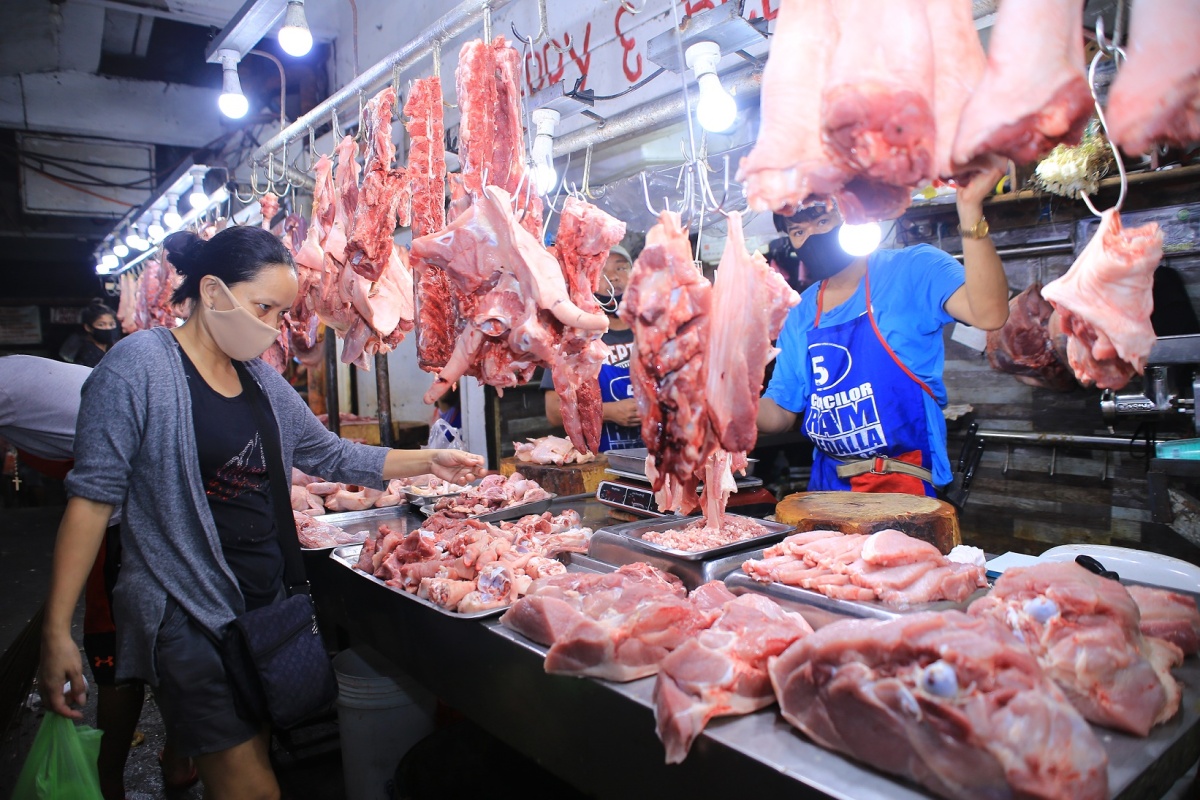
Key Highlights
- Dynamic Challenges: Economic fluctuations, supply chain disruptions, and stringent regulatory compliance shape the business landscape.
- Adaptive Strategies: Diversification, cost-control measures, and modern marketing practices are key for resilience.
- Market Impact: The evolution of consumer preferences and competitive pressures from modern retail outlets are redefining traditional practices.
Introduction
The Pili Public Market, a bustling hub known for its vibrant community commerce, serves as an important venue where meat vendors play a critical role in providing affordable and fresh meat products to local residents. This study analyzes the background, challenges, and adaptive strategies employed by meat vendors in the market. It situates the discussion in the context of broader market dynamics, regulatory environments, and consumer behavior shifts that have evolved over recent years.
Historical Context and Economic Significance
A Snapshot of Traditional Marketplaces
Public markets have long served as essential loci for commerce where vendors and consumers interact in a direct, vibrant manner. In markets such as Pili, vendors not only contribute to the local economy through food distribution and commerce, but they also help sustain local traditions and culinary practices. The legacy of public markets is rooted in providing affordable and accessible food options—especially meat goods—to everyday consumers.
Historically, meat vending has been a family-run and community-centered endeavor. Many vendors have passed down their expertise through generations, adapting traditional methods while facing contemporary challenges. As the market environment transformed due to economic uncertainties and evolving consumer demands, meat vendors had to balance traditional practice with necessary modern adaptations.
Socio-Economic Importance of Meat Vendors
The socioeconomic fabric of the Pili Public Market is intricately tied to the role of meat vendors. Their operations are a microcosm of the larger food supply chain and are particularly significant in communities where access to fresh and affordable meat is crucial for nutritional needs. Meat vendors directly affect local food security, employment, and the overall economic vitality of the market community.
The meat industry in the Philippines, a market valued at billions of dollars and expected to grow steadily, sets the stage for understanding how fluctuations in prices, supply chain issues, and economic policies impact each vendor's bottom line. Although national market data indicates overall growth, local markets like Pili face unique challenges that require a customized set of strategies.
Core Challenges Facing Meat Vendors
Economic and Price Fluctuations
One of the most significant challenges encountered by meat vendors in Pili Public Market is the volatility of meat prices and economic fluctuations. This instability often arises due to a variety of factors including international market trends, local livestock availability, and the ripple effects of regional crises. Economic downturns or specific crises — such as health pandemics — can lead to reduced consumer spending and, in turn, diminished sales.
Rapid changes in the prices of raw meat not only squeeze profit margins but also force vendors to make quick decisions about inventory and pricing strategies. Consequently, the ability to adapt to unforeseen economic pressures is paramount for the survival of these small-scale enterprises.
Supply Chain Disruptions
The meat vending sector in Pili is closely interlinked with the supply chain dynamics of livestock production and distribution. Meat vendors often face challenges such as sporadic supply, seasonal variations, and issues regarding the consistent quality of meat. Supply chain disruptions can be caused by various factors including disease outbreaks among livestock, transportation difficulties, or natural disasters.
Such disruptions not only affect the availability of fresh meat but can also lead to increased procurement costs. This creates a domino effect where vendors, having less control over the supply chain, must deal with uncertainty and the risk of financial losses due to spoilage or inventory mismanagement.
Operational and Regulatory Pressures
Meat vendors operate in a tightly regulated environment where food safety standards are strictly enforced. Regular inspections, adherence to hygiene protocols, and the need to ensure that meat products remain fresh and consumable pose significant operational challenges. Vendors must balance the dual objectives of maintaining regulatory compliance and minimizing operational costs.
Furthermore, as consumer awareness about food safety increases, meat vendors encounter constant pressure to improve their sanitation practices and enhance the presentation of their products. Failure to meet these regulatory requirements can lead to operational shutdowns, fines, or a diminished reputation among consumers.
Impact of Health Crises
Health crises, notably those experienced during pandemics, have disrupted normal business operations in many public markets. The impact of these crises is often multifaceted, affecting not only supply chains and economic stability but also leading to diminished consumer foot traffic. In such circumstances, meat vendors may experience a significant drop in daily sales, compounded by increased expenses related to enhanced sanitary measures.
The paradigm shift introduced by health crises necessitates a quick pivot in business strategy, highlighting the need for resilience and a robust operational framework to weather periods of uncertainty.
Competitive Pressures and Consumer Preferences
The competitive landscape within the market is intensifying due to the emergence of modern retail formats and supermarkets, which often offer meat products at competitive rates. This competition forces traditional meat vendors in Pili Public Market to continually innovate in order to retain their customer base.
Additionally, evolving consumer preferences, including a growing demand for hormone-free, grass-fed, or organic meats, place additional pressure on vendors to adapt their product lines. Maintaining a balance between traditional offerings and contemporary consumer trends is essential for ensuring long-term success in an increasingly competitive marketplace.
Effective Strategies and Adaptive Measures
Diversification of Products and Services
In response to the diverse challenges faced, many meat vendors have adopted the strategy of diversifying their product lines. This involves not just offering a wider variety of meat cuts but also incorporating processed, frozen, and value-added meat products. Diversification allows vendors to cater to a broader spectrum of consumer preferences and spread their risk in times of supply shortage or price hikes.
By expanding their product offerings, vendors are better equipped to meet changing consumer tastes while also creating additional revenue streams. For instance, a pork vendor might branch out into making processed sausages or longaniza, and poultry vendors might offer both fresh and frozen varieties.
Financial and Cost Management
Effective financial management is integral to the resilience of meat vendors, especially in an environment characterized by economic uncertainty. Many vendors leverage strategies such as budget planning, negotiating lower procurement costs, and implementing cost-cutting measures to stay profitable. In some instances, vendors resort to financial borrowing or participating in cooperative schemes to enhance their purchasing power and mitigate risks associated with price volatility.
Cost management is not just about reducing expenditure; it also involves smart financial planning to account for inventory fluctuations, spoilage, and other unforeseen expenses. These measures enable vendors to maintain stable cash flow and support business continuity during periods of economic instability.
Marketing Innovations and Community Engagement
As competition intensifies with the rise of modern retail outlets, traditional meat vendors have increasingly turned towards innovative marketing practices. This involves improving the aesthetic appeal of their stalls, adopting better packaging techniques, and engaging with consumers directly through promotional activities. Enhanced branding and personalized customer service have proven effective in differentiating these vendors in a crowded market.
Additionally, several vendors have embraced digital marketing tactics and social media platforms to reach a broader audience. Community engagement, particularly initiatives that highlight local or specialty meats, creates a niche market segment that values quality over mere price competition. These efforts contribute to building customer loyalty and can lead to a more sustainable business model.
Operational Efficiency and Modernization
Streamlining operations is essential for mitigating the challenges faced by meat vendors in the public market. Many vendors are investing in better storage facilities and refrigeration systems to ensure that meat products remain fresh for longer periods. Upgrading operational practices not only helps in complying with stringent health protocols but also minimizes losses due to spoilage.
In addition, some vendors have incorporated technology-based solutions to monitor inventory levels and manage supply chain logistics more efficiently. By adopting automated systems and real-time tracking, they are better positioned to respond to sudden market changes or supply chain disruptions.
Consumer Education and Value-driven Selling
Educating consumers about the value and quality of locally sourced meat products is another strategy that has evolved in Pili Public Market. Through organized demonstrations, food tasting events, and informational campaigns about the health benefits of certain meat products, vendors foster an environment of trust with their clientele.
This proactive approach not only elevates consumer awareness but also justifies premium pricing for high-quality meats. As consumers become more informed about meat production practices and the benefits of locally sourced meats, their purchasing decisions increasingly favor vendors who demonstrate transparency and a commitment to quality.
Detailed Comparison Table: Challenges vs. Strategies
| Challenges | Adaptive Strategies |
|---|---|
| Price volatility and economic fluctuations | Budget planning and cost management; financial borrowing strategies |
| Supply chain disruptions and seasonal variability | Diversification of meat products and value-added offerings |
| Regulatory and hygiene standard compliance | Investment in modern storage, refrigeration, and improved sanitation practices |
| Competitive pressures from modern retail outlets | Innovative marketing, enhanced branding, and community engagement |
| Impact of health crises and pandemics | Adoption of digital tools for inventory management and consumer outreach |
| Evolving consumer preferences and demand for quality | Consumer education on quality, promotions of specialty products, and personalized service |
Interplay of Market Dynamics and Long-Term Viability
Understanding the Market Ecosystem
The functioning of meat vending at Pili Public Market can be better comprehended by analyzing the intricate interactions among economic conditions, consumer behavior, operational costs, and supply chain logistics. Each of these elements plays a critical role in shaping the business environment in which meat vendors operate. While economic instability and supply chain challenges impose a considerable burden, a proactive approach in terms of marketing strategy and operational efficiency can often mitigate these challenges.
The integration of modern technology in day-to-day operations has provided meat vendors with tools for better inventory tracking and financial management. These innovations not only help in reducing wastage and spoilage but also enable quick adaptations to changing market conditions. Streamlined operations thus result in more predictable cash flows and reduced risk during economic downturns.
Role of Cooperative Efforts and Community Support
An essential yet often understated aspect of the meat vending ecosystem is the possibility of cooperative efforts among vendors. By banding together—whether through formal cooperatives or informal networks—vendors can share resources, negotiate better prices from suppliers, and collectively address challenges that might be insurmountable individually. This sense of community fosters not only mutual support but also serves as a platform for exchanging ideas and best practices.
Local government units and community organizations can further reinforce these cooperative efforts by offering support services such as training on modern business practices, facilitating access to credit, and even implementing policies that reduce the regulatory burden on small-scale vendors. This collaborative atmosphere can serve as a significant force in ensuring the long-term sustainability of meat vendors in traditional marketplaces like Pili.
Regulatory Environment and Compliance Dynamics
Stringent Food Safety Standards
In today’s increasingly health-conscious consumer landscape, maintaining stringent food safety standards is not merely a regulatory requirement but also a key component of building consumer trust. Meat vendors in such markets must continuously upgrade their operational protocols to ensure that the meat products meet high quality and safety standards. This involves regular monitoring of hygiene practices, ensuring proper transportation and storage conditions, and remaining compliant with periodic local and national inspections.
While these compliance requirements may seem to add to the operational burden, they ultimately benefit vendors by reinforcing the quality of their products, leading to enhanced customer loyalty and potentially higher sales figures. Compliance with safety standards also helps in building a brand identity rooted in reliability and quality—a critical differentiation in competitive market environments.
Administrative and Infrastructural Hurdles
Alongside food safety regulations, administrative challenges such as licensing, periodic inspections, and the cost of infrastructural improvements are common challenges for meat vendors. Many vendors operate with limited capital and may find it challenging to invest in state-of-the-art facilities or modernized systems required by regulatory bodies.
To navigate these issues, vendors often rely on gradual improvements and seek communal or governmental support to modernize their facilities. Investments in better storage facilities not only help in meeting regulatory requirements but also have a direct impact on reducing product wastage, thus improving overall business efficiency.
Implications for Policy and Future Research
Informing Policy Interventions
The ongoing evolution of the meat vending sector in Pili Public Market has significant implications for policy-making. Understanding the operational challenges and adaptive strategies of vendors provides essential insights required to formulate policies that are both supportive and commonplace in reinforcing the economic stability of small-scale vendors. Policymakers can use these insights to tailor interventions that address supply chain bottlenecks, offer financial and technical support, and reduce the regulatory complexities that disproportionately affect small vendors.
Future policy initiatives could focus on establishing dedicated support programs for vendor cooperatives, subsidizing modern storage and refrigeration systems, or even offering tax incentives that encourage technological adoption. By taking a comprehensive look at the challenges and strategies of meat vendors, policymakers can help secure the sustainability of a vital segment of the local economy.
Potential Areas for Further Study
Although this analysis provides a detailed overview of the challenges and strategies faced by meat vendors, there remain areas that warrant further research. For instance, exploring the specific demographic constitution of the vendors, the long-term impact of digital technology on traditional market practices, and the role of consumer education in shifting market dynamics could yield valuable insights.
Moreover, a dedicated field study in Pili Public Market, involving direct interviews, participant observations, and statistical analyses, would further enrich the understanding of how localized challenges and strategies align with broader national trends. Such research can help bridge the gap between theoretical models and the lived experiences of vendors, thereby offering a holistic view of the meat vending landscape.
Conclusion
In summary, the study of meat vendors in Pili Public Market reveals a complex interplay between economic pressures, supply chain disruptions, regulatory challenges, and adaptive strategies that ensure business longevity. Vendors are continually faced with the dual challenge of maintaining product quality while remaining financially viable amidst fluctuating meat prices and competitive pressures from modern retail formats. In response, these vendors have adopted diversified product lines, embraced innovative marketing methods, leveraged financial management techniques, and invested in modern infrastructural improvements.
Their ability to adapt in the face of adversity not only provides a blueprint for resilience in an ever-changing economic landscape but also sets the stage for future policy interventions and research. By addressing operational, regulatory, and consumer-related challenges, meat vendors in Pili Public Market contribute significantly to both local food security and the broader economic tapestry. A comprehensive understanding of these dynamics is essential for designing supportive measures that empower local entrepreneurs and safeguard traditional market systems as they evolve in the modern age.
References
- CHAPTER-1docx - Course Hero
- Conclusion - Studocu
- Meat Vendors & Consumers Struggle w/ Soaring Prices - PhilNews
- Struggles of Selected Chicken Meat Vendors - AAJMRA
- Pork Plight in the Philippines - ISPWeb
- Philippines Meat Market - 6W Research
- Philippines Meat Market Outlook - Statista
- Navigating the Daily Challenges of Small Food Vendors - CGIAR
Recommended
Last updated February 20, 2025