
Background of the Study
An In-depth Analysis of Meat Vendors' Challenges and Strategies
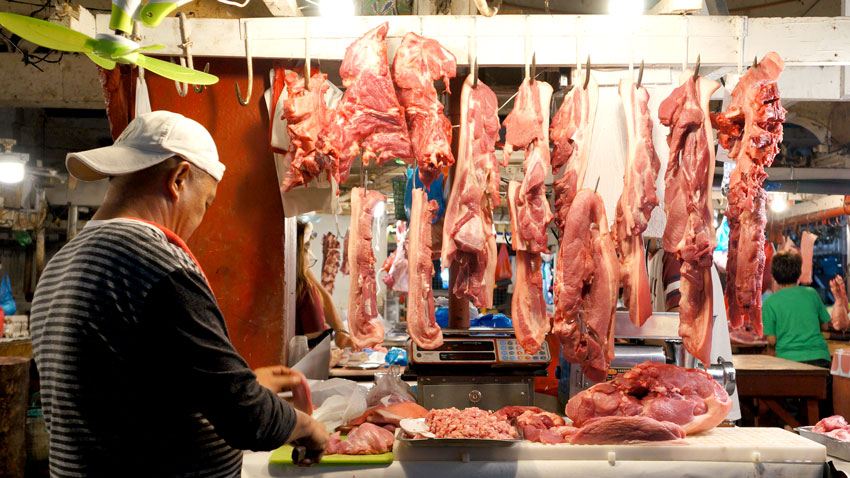
Highlights
- Comprehensive Overview: Detailed look into the lived experiences of meat vendors in Pili Public Market.
- Global to Local Perspectives: Analysis of challenges and strategies from international trends down to localized legal frameworks.
- Adaptive Strategies & Legal Context: Exploration of innovative vendor strategies to overcome economic, regulatory, and market competition challenges.
Background and Overview
In contemporary urban markets, meat vending forms a crucial part of the local food supply system, providing essential livelihood opportunities and contributing to community interactions. This study focuses on the detailed background of the challenges and strategies of meat vendors in Pili Public Market through the lens of their lived experiences. The overview presented herein sets the stage for understanding the multifaceted issues these vendors face. It examines how external global factors, regional economic shifts, and localized legal necessities interplay to influence their day-to-day operations. The aim is to capture the resilience, tactical shifts, and adaptive strategies deployed by these vendors as they navigate through regulatory burdens, fluctuating market demand, and fierce competition. This comprehensive perspective intends to offer both researchers and policymakers insights that could lead to supportive interventions and a better structural framework to sustain this critical segment of the local economy.
Review of the Study and Related Literature from Global to Local
Global Perspectives on Meat Vending Challenges
At the global level, the meat vending industry is increasingly recognized as an integral part of urban food economies. Many meat vendors encounter challenges that stem from international market dynamics and consumer behavior trends. These challenges include volatile global supply chains, changing consumer preferences for healthier and more sustainable protein sources, and rigorous food safety standards. Global market analyses reveal that fluctuations in meat prices, often triggered by economic crises or pandemics, directly impact the supply chains that small-scale vendors rely on. Such instability not only leads to inconsistent availability of meat products but also heightens the risk of revenue loss due to unsold or wasted inventory.
Additionally, technological advancements and digital disruptions have altered how meat is marketed and sold globally. With the rise of e-commerce and social media platforms, meat vendors have been forced to re-strategize their traditional business models to include online marketing channels. However, global digital trends also bring about increased competition from larger, well-capitalized enterprises that can leverage economies of scale and robust technological support. This global narrative underscores that while market liberalization and technological progress offer new opportunities, they concurrently impose competitive pressures that require vendors to continuously adapt their strategies.
Regional Perspectives and Relevant Literature
Shifting focus to a regional perspective, Southeast Asia, with its vibrant street food culture and bustling public markets, offers a different but comparably challenging environment. In numerous Southeast Asian economies, meat vendors operate not only as small-scale entrepreneurs but also as crucial elements of the informal sector that bridges gaps in food supply. Despite being critical to their local economies, these vendors frequently face a dual-edged sword: supportive community networks on one side and stringent regional food safety regulations on the other.
Research in this region highlights that meat vending operations are often burdened by bureaucratic procedures surrounding licensing, regular inspections, and health standard compliance. Regional studies have noted that while government interventions in the form of improved food safety protocols are essential for protecting public health, these measures sometimes translate into additional financial and operational burdens for small vendors. This continual tug-of-war necessitates that meat vendors develop innovations in cost management, supply chain diversification, and community-based marketing to remain competitive. Furthermore, effective communication channels among vendors—such as local associations or cooperatives—have played a significant role in negotiating better terms with suppliers and regulators, thereby mitigating some of the adverse impacts of these stringent measures.
Local Perspectives and Legal Frameworks
At the most granular level, Pili Public Market represents a microcosm where the interplay of global trends and regional policies is vividly apparent. On the ground, meat vendors engage in daily operations that require meticulous balancing of customer expectations, cost constraints, and legal mandates. Locally, meat vendors face challenges such as fluctuating demand spurred by local economic cycles, competition from larger retail chains, and the pressure to consistently maintain high standards of food hygiene and safety.
The legal framework governing meat vending in this market is comprehensive, rooted in both national and local policies. One of the key legal statues is the Meat Inspection Code, officially known as Republic Act No. 9296, which lays down stringent guidelines to ensure that meat sold in public markets is safe for consumption. Complementing this code is the Food Safety Act along with various local government ordinances that manage sanitation practices, licensing, and regulatory compliance. Food vendors must adhere to these laws rigorously, which, while protecting public health, can also introduce considerable administrative and operational challenges. Compliance with these regulations requires investments in proper storage, adherence to hygiene protocols, routine health inspections, and sometimes, the adoption of new business models that align with legal expectations.
Furthermore, local policies are often influenced by the broader socio-economic context. For instance, during periods of economic downturn or post-pandemic recoveries, local governments may introduce additional measures or temporary relaxations to stabilize the market. However, such adjustments come with their own set of complexities and expectations on vendors. The symbiotic yet sometimes conflicting relationship between government regulatory aims and market survival strategies is central to understanding the lived experiences of meat vendors in Pili Public Market.
Status Quo in Pili Public Market
Current Market Dynamics and Vendor Adaptation
Presently, Pili Public Market is characterized by a dynamic yet challenging operational environment. Meat vendors in this local market are navigating a competitive landscape where traditional practices coexist with modern economic pressures. Despite encountering challenges such as supply chain disruptions, competitive pricing from larger retail chains, and increased regulatory scrutiny, the vendors have showcased significant ingenuity in adaptive strategies. The status quo reflects a gradual, cautious recovery in the aftermath of global crises such as the COVID-19 pandemic, wherein many vendors diversified their supply channels and embraced digital marketing trends to reach a broader customer base.
The market is also seeing a rise in customer awareness regarding food safety and quality, which further pressures vendors to align their practices with stringent health protocols. This heightened consumer scrutiny, while beneficial for public health, often requires vendors to invest in higher standards of cleanliness, advanced refrigeration, and meticulous record-keeping practices—all of which influence operational costs. As vendors continue to adjust to these emerging expectations, they have increasingly turned to forming collaborative networks or associations that allow for collective negotiation with suppliers and regulatory bodies. Such alliances not only enhance operational efficiency but also foster a sense of community among vendors, thereby providing emotional and logistical support during periods of uncertainty.
Additionally, market research indicates that there has been a noticeable shift towards emphasizing customer loyalty and community engagement. Vendors are increasingly participating in local events and adopting personalized service approaches that cater specifically to the tastes and preferences of their regular clientele. By blending traditional market practices with modern strategies—such as digital payment systems and social media outreach—vendors in Pili Public Market are striving to regain pre-pandemic levels of business stability while also setting the foundation for a sustainable future.
Significance of the Study and Identified Gaps
Significance of This Research
The significance of exploring the challenges and strategies of meat vendors in Pili Public Market through their lived experiences cannot be understated. This study not only contributes to the academic understanding of small-scale entrepreneurship in a post-global crisis era but also provides practical insights that can influence policy reforms. By documenting these experiences, the research underscores the resilience and innovative spirit of small vendors who continuously adapt to fluctuating economic and regulatory landscapes. The insights derived are especially useful for policymaking, as they illuminate the often overlooked operational realities of vendors who serve as the backbone of local food systems.
In a broader context, this study serves as a critical case for understanding how global trends in food safety, technological change, and consumer behavior impact local markets. The adaptive strategies employed by these vendors—ranging from cost-cutting measures and product diversification to community networking and digital transformation—offer a blueprint for similar markets facing parallel challenges. Furthermore, in relation to food security and public health, the study emphasizes the need for balanced regulatory frameworks that protect consumer interests without imposing disproportionate burdens on small-scale entrepreneurs.
Identified Gaps and the Need for Further Research
Despite the availability of global and regional studies on meat vending and market dynamics, there remains a significant gap in the literature when it comes to localized, in-depth analyses of meat vendors’ experiences in smaller public markets such as Pili. Most of the extant studies focus broadly on large-scale market phenomena and global trends, often overlooking the nuanced challenges encountered by vendors in community-based settings. This research thus addresses the lacuna by integrating the lived experiences of meat vendors with a meticulous review of relevant legal frameworks and market challenges unique to their operational environment.
The identified gaps emphasize the need for further research that explores the intersection between local practices and overarching legal, economic, and technological influences. Specifically, it is crucial to investigate how mandated legal bases—such as the Meat Inspection Code (Republic Act No. 9296), the Food Safety Act, and pertinent local ordinances—affect day-to-day business decisions and long-term sustainability strategies. Detailed case studies and empirical data capturing vendor perspectives can facilitate the development of tailored support programs that align regulatory objectives with the economic realities faced by small enterprises. Such targeted research is essential for enacting policy changes that would not only protect public health but also buffer vendors against the economic shocks caused by global supply chain disruptions and market volatility.
By addressing these gaps, future research can contribute to the creation of supportive intervention frameworks that are both pragmatic and sensitively aligned with local cultural and economic contexts. The study thus lays the groundwork for subsequent analyses that might consider comparative studies across different public markets, potentially yielding a set of best practices that could be implemented more widely. In doing so, the research advocates for a more inclusive approach to market regulation—one that recognizes and harnesses the adaptive strengths of small-scale vendors as critical players in the urban food ecosystem.
Legal Bases
Regulatory and Legal Framework Overview
Meat vendors in Pili Public Market operate under a robust legal framework designed to safeguard food safety and ensure quality standards. The regulatory environment is anchored by national legislations and localized ordinances that collectively define the operational boundaries for meat vending. Prominent among these legal bases is the Meat Inspection Code, formally known as Republic Act No. 9296, which establishes comprehensive guidelines for all meat establishments. This law is pivotal in ensuring that vendors adhere to critical sanitary and processing standards, thus protecting consumers from foodborne illnesses.
Complementing the Meat Inspection Code is the Food Safety Act, which further tightens the regulatory oversight on food standards by imposing strict requirements on hygiene, storage, and distribution practices. Additional local government ordinances further refine these regulations by addressing market-specific issues such as licensing requirements, regular health inspections, and environmental standards. Moreover, directives from bodies like the National Meat Inspection Service guide the implementation of these policies, offering technical support and ensuring uniformity across public markets. Together, these legal instruments create a structured environment intended to balance the protection of consumer health with the economic viability of local meat vendors.
Conclusion and Final Thoughts
In conclusion, the comprehensive analysis of meat vendors in Pili Public Market illustrates a dynamic interplay of global market trends, regional economic pressures, and local regulatory frameworks. These vendors, through their lived experiences, have demonstrated remarkable resilience and adaptability in the face of numerous challenges. While global supply chain disruptions and changing consumer preferences shape the overall context of meat vending, regional and local policies significantly influence the operational realities of these entrepreneurs. The study not only documents the varied challenges—from fluctuating market demands to the pressing need for adherence to legal guidelines—but also highlights an array of adaptive strategies that these vendors employ. Their collective experiences form a critical basis for understanding how urban food economies can be both vulnerable and resilient.
The insights derived from this study have far-reaching implications for policy makers and stakeholders in the food sector. They underscore the necessity for integrated support systems that address not only the regulatory and health aspects intrinsic to meat vending but also the economic strategies essential for market survival. This unique combination of legal bases and adaptive business strategies points to a future where local markets, empowered by targeted research and supportive policies, can thrive amidst challenges. Furthermore, the identification of literature gaps sets the stage for further research that is pivotal for refining regulatory measures and promoting sustainable economic development within small-scale food vending sectors.
References
- Top 10 Meat Supply Chain Challenges & How Companies Overcome Them - ESSFeed
- UIJRT Article - PDF
- Studocu - Meat Vendors Analysis
- The Meat Inspection Code of the Philippines - AP FFTC
-
National Meat Inspection Service - Laws and Policies
- Grand View Research - Deli Meat Market Report
Recommended Queries for Further Exploration
Last updated February 20, 2025