
Media Representation of Marginalized Communities Impacted by CPEC in India and Pakistan
An In-Depth Analysis of Media Coverage and Its Implications
Key Takeaways
- Underrepresentation of Local Voices: Media in both India and Pakistan predominantly focuses on geopolitical and economic aspects of CPEC, sidelining the narratives of marginalized communities.
- Socio-Economic Disparities: The implementation of CPEC has exacerbated existing socio-economic inequalities, yet media coverage fails to highlight these critical issues adequately.
- Media Framing and Narrative Control: State-influenced narratives and media framing techniques contribute to the marginalization of impacted communities in both nations.
Introduction
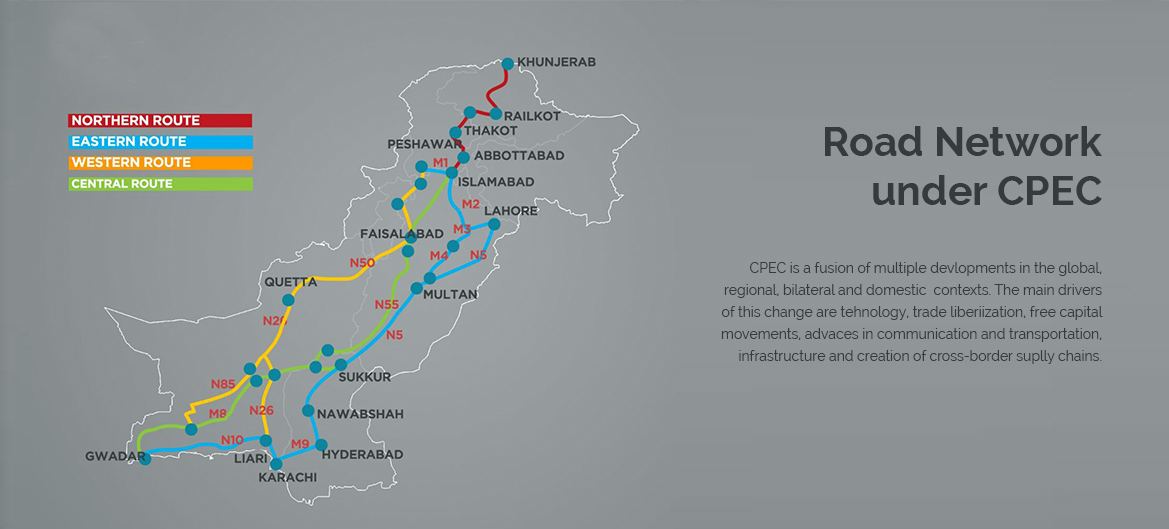
The China-Pakistan Economic Corridor (CPEC) is a flagship project under China's Belt and Road Initiative, aiming to enhance connectivity and economic integration between China and Pakistan. While CPEC promises significant economic benefits, its implementation has profound socio-economic and environmental impacts on local communities, particularly marginalized groups in both countries. This analysis seeks to substantiate the hypothesis that media in India and Pakistan rarely represent marginalized communities impacted by CPEC, exploring the extent and manner of such representations.
Media Representation in Pakistan
Focus on Geopolitical Narratives
Pakistani media coverage of CPEC predominantly emphasizes the geopolitical and economic advantages of the project. This focus aligns with national narratives that highlight CPEC as a means to boost Pakistan's infrastructure, economy, and strategic position. However, this emphasis often comes at the expense of detailing the qualitative impacts on marginalized communities.
Neglect of Marginalized Communities
Despite the significant socio-economic disruptions caused by CPEC, including displacement, environmental degradation, and socio-cultural changes, Pakistani media rarely portrays the struggles and perspectives of marginalized groups. Communities in regions like Balochistan experience heightened marginalization due to unequal distribution of CPEC benefits, yet their voices remain largely absent in mainstream media narratives.
Socio-Economic Inequalities
CPEC has intensified existing socio-economic disparities in Pakistan. While large-scale infrastructure projects create economic opportunities, they also lead to the displacement of local populations and environmental challenges. Marginalized communities, particularly in less-developed areas, face unequal access to the benefits of CPEC, exacerbating poverty and social tensions. However, Pakistani media coverage tends to gloss over these complex issues, focusing instead on macroeconomic indicators and strategic partnerships.
Environmental Degradation
The environmental impact of CPEC projects, such as deforestation, water scarcity, and pollution, disproportionately affects marginalized communities who rely heavily on local natural resources for their livelihoods. Despite these critical issues, media coverage in Pakistan seldom addresses the environmental concerns voiced by these communities, thereby minimizing the perceived negative consequences of CPEC.
Media Framing and Narrative Control
Pakistani media often operates within a narrative frame that prioritizes national development and strategic alignment with China, potentially influenced by governmental and economic interests. This framing diminishes the space for alternative narratives that highlight local dissent and the adverse effects of CPEC on marginalized groups. As a result, the media landscape in Pakistan reinforces a singular, state-aligned perspective, sidelining grassroots voices and concerns.
Media Representation in India
Geopolitical Opposition
Indian media's portrayal of CPEC is largely framed within the context of geopolitical rivalry with China. Coverage often emphasizes concerns over sovereignty, regional security, and economic competition. This framing aligns with India's broader strategic position against China's increasing influence in the region. However, this perspective tends to overshadow the nuanced socio-economic impacts of CPEC on marginalized communities.
Limited Focus on Social Impacts
While Indian media extensively covers the strategic and political dimensions of CPEC, there is a marked deficiency in reporting on the social repercussions for marginalized groups within Pakistan. Issues such as displacement, loss of livelihoods, and cultural disruption receive minimal attention, if any, in mainstream discourse. This lack of coverage contributes to an incomplete understanding of CPEC's multifaceted impacts.
Underrepresentation of Marginalized Groups
Marginalized communities, including lower-caste groups and indigenous populations in Pakistan, are underrepresented in Indian media narratives on CPEC. The focus remains predominantly on high-level strategic analysis and economic forecasts, neglecting the grassroots-level implications for these vulnerable populations. This lack of representation perpetuates a discourse that is disconnected from the lived experiences of those directly affected by CPEC.
Stereotypical Portrayals
When marginalized communities are mentioned, Indian media often resorts to stereotypical and generalized portrayals, failing to capture the complexity and specificity of their challenges. Such representations can reinforce preconceived notions and overlook the unique socio-cultural dynamics at play, further marginalizing these groups within the broader narrative on CPEC.
Media Bias and Narrative Dominance
Similar to Pakistani media, Indian media operates within a framework influenced by national political agendas and security considerations. This bias results in a dominant narrative that prioritizes state-centric viewpoints over localized and community-focused stories. Consequently, the media landscape in India insufficiently addresses the grassroots impacts of CPEC, maintaining a focus on macro-level implications.
Comparative Analysis of Media Coverage
Themes in Media Coverage
Both Indian and Pakistani media heavily emphasize the geopolitical and economic dimensions of CPEC. However, there is a stark contrast in the representation of marginalized communities and the socio-economic impacts on local populations. Below is a comparative table illustrating the primary themes in media coverage across both countries.
| Aspect | Indian Media | Pakistani Media |
|---|---|---|
| Geopolitical Narratives | Emphasizes sovereignty and regional security threats | Focuses on strategic partnerships and national development |
| Economic Benefits | Highlights competition and economic challenges | Showcases infrastructure growth and investment opportunities |
| Marginalized Communities | Rarely represented; focus on macro perspectives | Underrepresented; minimal coverage of local impacts |
| Environmental Concerns | Occasional mentions without depth | Seldom addressed; lack of in-depth analysis |
| Media Framing | State-centric and security-oriented | Development-driven narrative with strategic focus |
Impact on Marginalized Communities
The table highlights a consensus across both countries' media: the underrepresentation of marginalized communities and the minimal coverage of the socio-economic and environmental impacts of CPEC. This pattern underscores a broader media trend where large-scale geopolitical and economic projects often overshadow localized human stories and challenges.
Factors Contributing to Underrepresentation
State Influence and Censorship
In both India and Pakistan, media outlets often operate under significant state influence, either directly or indirectly. This influence can lead to self-censorship, where journalists refrain from reporting on sensitive issues that may conflict with governmental narratives. As a result, stories highlighting the struggles of marginalized communities impacted by CPEC remain suppressed or receive limited coverage.
Focus on Macro Narratives
The predominant focus on macro narratives—such as national security, economic growth, and international relations—leaves little room for the exploration of micro-level impacts. Marginalized communities, whose experiences and challenges are integral to understanding the full spectrum of CPEC's implications, are often overshadowed by overarching strategic discourses.
Lack of Investigative Journalism
Investigative journalism, which plays a crucial role in uncovering underreported issues and giving voice to marginalized groups, is limited in both countries. Resource constraints, political pressures, and the prioritization of sensationalist storytelling over in-depth reporting contribute to the scarcity of comprehensive coverage on the socio-economic and environmental impacts of CPEC on vulnerable populations.
Public Interest and Audience Demand
Media outlets often tailor their content to what they perceive as audience interests. Given the complexity and localized nature of issues faced by marginalized communities, there may be a perceived lack of public interest in these stories. Consequently, media entities may prioritize content that appeals to broader audiences, further marginalizing community-specific narratives.
Consequences of Underrepresentation
Policy Implications
The lack of media coverage on marginalized communities' experiences with CPEC can lead to insufficient policy responses. Policymakers may remain unaware of the ground realities, resulting in the formulation of strategies that do not address or mitigate the adverse impacts on these populations. This disconnect perpetuates socio-economic inequalities and hampers sustainable development efforts.
Social Tensions and Conflicts
Ignoring the voices of marginalized groups can exacerbate social tensions and conflicts. When communities feel neglected and unheard, resentment towards large-scale projects like CPEC can intensify, leading to protests, unrest, and even violent confrontations. Media's failure to report on these issues diminishes public awareness and understanding, hindering conflict resolution and community reconciliation efforts.
Erosion of Trust in Media
Persistent underrepresentation and biased reporting can erode public trust in media institutions. Audiences may perceive media as being aligned with governmental or economic interests, undermining the credibility and objectivity that are essential for a healthy democratic discourse. This erosion of trust can have long-term ramifications for media's role as a watchdog and a platform for diverse voices.
Case Studies
Balochistan and CPEC
Balochistan, a region significantly impacted by CPEC, presents a poignant example of media underrepresentation. Despite facing economic disparities, displacement, and environmental challenges due to CPEC projects, local narratives from Baloch communities receive minimal attention in both Indian and Pakistani media. This neglect perpetuates a cycle of marginalization, where the affected populations remain voiceless in national and international discourse.
Environmental Impact in Gwadar
Gwadar, a key city in CPEC, has witnessed rapid infrastructural developments. However, the environmental repercussions, such as coastal erosion and habitat destruction, have adversely affected local fishing communities. Media coverage in both countries has largely ignored these environmental issues, focusing instead on economic growth metrics. The lack of environmental reporting disregards the livelihoods and ecological concerns of marginalized groups dependent on these natural resources.
Recommendations for Improved Media Coverage
Encouraging Investigative Journalism
Media institutions should prioritize investigative journalism that delves into the socio-economic and environmental impacts of CPEC on marginalized communities. By dedicating resources to in-depth reporting, media can uncover and highlight the challenges faced by these groups, fostering greater public awareness and accountability.
Diversifying Media Voices
Incorporating diverse perspectives, including those of marginalized communities, is essential for comprehensive media coverage. Media organizations should engage with local communities, activists, and experts to provide a platform for varied voices, ensuring that narratives are inclusive and representative of all stakeholders affected by CPEC.
Implementing Media Training and Ethics
Training journalists in ethical reporting and the importance of covering marginalized groups can enhance the quality and depth of media coverage. Emphasizing the role of media in promoting social justice and equity can motivate journalists to pursue stories that address systemic issues affecting vulnerable populations.
Fostering Independent Media Outlets
Supporting independent and grassroots media outlets can provide alternative platforms for reporting on CPEC's impacts. Independent media are often better positioned to challenge dominant narratives and shed light on issues overlooked by mainstream media, amplifying the voices of marginalized communities.
Conclusion
The hypothesis that media in both India and Pakistan rarely represent marginalized communities impacted by CPEC is substantiated through a comprehensive analysis of media coverage patterns, thematic focus, and the resultant socio-economic implications. Both nations' media predominantly prioritize geopolitical and economic narratives, effectively sidelining the nuanced and critical experiences of marginalized groups affected by CPEC. This underrepresentation not only perpetuates socio-economic disparities and environmental injustices but also undermines the potential for inclusive and sustainable development.
Addressing this gap requires concerted efforts to diversify media voices, enhance investigative journalism, and uphold ethical reporting standards that prioritize the inclusion of marginalized perspectives. By doing so, media can play a pivotal role in fostering a more equitable discourse surrounding CPEC, ensuring that the development benefits are distributed fairly and that the rights and livelihoods of vulnerable communities are safeguarded.
References
Last updated February 11, 2025