
Pakistan-China Economic Relations: Opportunities and Challenges
Exploring the intricacies of a multifaceted economic partnership
Key Takeaways
- Strategic Infrastructure Investments: Pivotal projects like the China-Pakistan Economic Corridor are transforming regional connectivity, energy security, and industrial growth.
- Economic Benefits vs. Risks: While opportunities for enhanced trade, job creation, and technology transfer are significant, challenges such as debt sustainability, security risks, and persistent trade imbalances must be managed.
- Balanced Policy Approach: Achieving a mutually beneficial partnership requires a transparent, strategic framework addressing governance, local impacts, and external diplomatic pressures.
Introduction
The economic relationship between Pakistan and China is characterized by a long history of cooperation, marked by both significant opportunities and notable challenges. Over the years, this multifaceted partnership has deepened, particularly under flagship initiatives such as the China-Pakistan Economic Corridor (CPEC), a major component of China's Belt and Road Initiative (BRI). This relationship continues to shape the economic, geopolitical, and social landscapes of both countries.
The benefits of this partnership include large-scale infrastructural development, increased job creation, access to technology and investment, and improved market access for Pakistani exports. These gains, however, are tempered by issues such as a growing dependency on debt financing, security challenges that can delay or disrupt projects, and an ongoing trade imbalance which favors China. In this comprehensive analysis, we delve into the opportunities and challenges that define Pakistan-China economic relations, providing a detailed examination of the pathways toward enhanced mutual benefits and sustainable development.
Opportunities in Pakistan-China Economic Relations
1. Strategic Infrastructure Investments
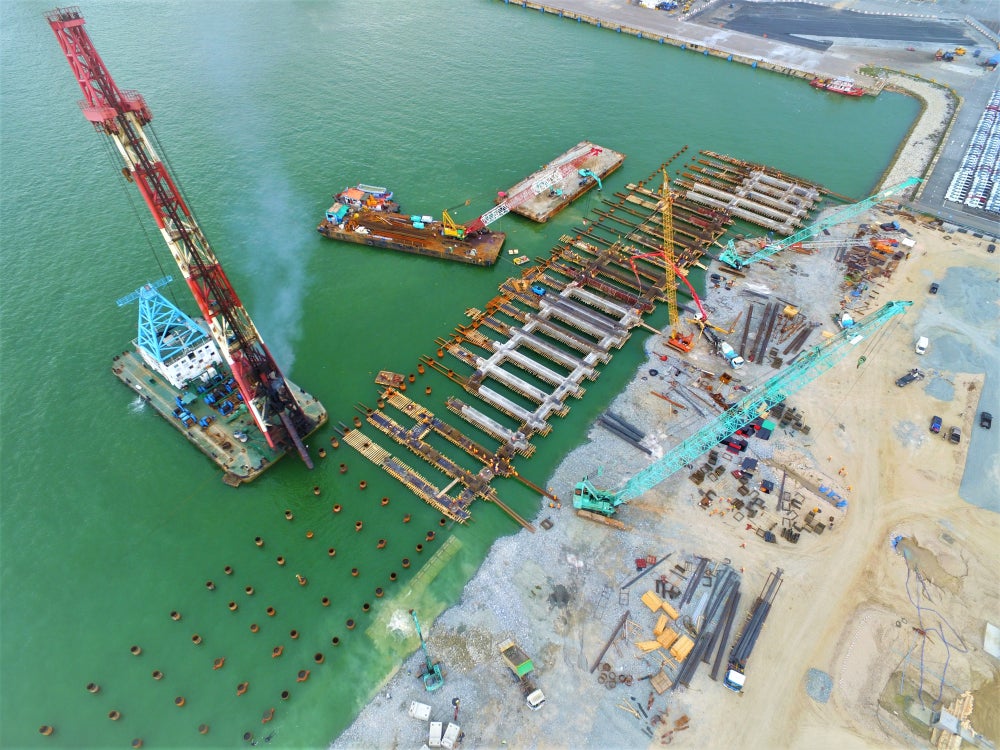
One of the most transformative facets of the bilateral relationship is the development of critical infrastructure under the banner of CPEC. This large-scale initiative has seen investments in road and rail networks, energy projects, and special economic zones that are expected to modernize Pakistan’s economic map. The focus on infrastructure not only aims to ameliorate issues like logistical bottlenecks and energy shortages but also lays the groundwork for industrial growth and regional connectivity.
Infrastructure investments play a crucial role in job creation, regional trade enhancement, and energy security. The strategic positioning of projects, such as the modernization of Gwadar Port, offers China a secure and efficient pathway for its energy imports, thereby giving it a competitive edge in global trade. This development underlines the potential for infrastructural advancements to drive long-term economic stability and growth.
2. Enhanced Trade and Investment
Trade is a cornerstone of the Pakistan-China partnership. With China being Pakistan’s largest trading partner, initiatives such as free trade agreements have facilitated market access to an expansive consumer base while also enabling Pakistani exports, particularly in textiles, to benefit from lower tariffs. Despite these advances, efforts continue to diversify the trade basket.
Expanding bilateral trade to include manufactured goods, agricultural produce, and even services has the potential to catalyze sustainable economic growth. Chinese investment in Pakistan is not limited to infrastructural projects but extends into sectors such as technology and industry, which helps modernize local production capabilities and fosters an environment ripe for industrial cooperation.
3. Industrial and Technological Collaboration
China’s strides in industrialization and technological innovation offer Pakistan crucial lessons in modernizing its industrial base. Collaboration in research and development, technology transfer in manufacturing processes, and joint ventures have emerged as significant aspects of the partnership. These collaborative efforts can potentially improve Pakistan’s manufacturing and industrial sectors, enhancing its capacity to produce high-value goods for both regional and global markets.
In practical terms, such collaborations foster an environment where Pakistani firms benefit from improved efficiency, advanced production technologies, and expanded market reach. This not only enhances competitiveness but also boosts domestic industries by aligning them with global technological trends.
4. Energy Security and Development
Addressing chronic energy shortages remains an essential component of Pakistan’s economic development strategy. Chinese investments in energy infrastructure, including renewable energy projects, coal-fired plants, and hydroelectric power stations, represent a dual benefit—resolving energy deficits while fostering industrial growth. The infusion of capital and technology into Pakistan’s energy sector has the potential to transform its energy matrix, making it more sustainable and robust.
Projects targeting energy generation not only improve the quality and reliability of power supply but also contribute significantly to job creation and industrial expansion. Addressing energy needs through modern, diversified sources is imperative for sustaining long-term economic growth.
5. Geostrategic and Diplomatic Support
Pakistan’s relationship with China extends beyond economic and infrastructural investments. It also encompasses significant geostrategic and diplomatic dimensions. China’s support on international platforms provides Pakistan with enhanced political leverage and opens additional avenues for bilateral financial support. This strategic backing can be indispensable when facing external economic and political challenges.
The deep-rooted relationship, bolstered by mutual trust and strategic interests since the mid-20th century, has allowed Pakistan to benefit from a model of partnership where economic objectives align with broader diplomatic agendas. This, in turn, provides a stable platform for pursuing long-term development strategies with increased confidence.
Challenges in Pakistan-China Economic Relations
1. Debt Sustainability and Economic Dependency
A significant downside of the Pakistan-China economic relationship is the growing dependency on Chinese loans and the increasing debt burden. With a large portion of Pakistan's external debt owed to China, there is an inherent risk associated with over-reliance on foreign financing, which may compromise fiscal autonomy. The heavy reliance on infrastructure financing through instruments such as concessional loans has raised questions about Pakistan’s ability to sustainably service its debt without compromising its economic sovereignty.
The debt-related concerns are multifaceted. Aside from the immediate risk of fiscal imbalance, the long-term implications can include reduced leverage in policy-making and potential vulnerability to external economic pressures. An over-dependence on Chinese capital could inadvertently translate into increased political and economic influence for China in Pakistan’s domestic affairs.
2. Security and Political Instability
The execution of large-scale projects under CPEC has been hindered by various security-related challenges. Attacks on Chinese nationals and infrastructure projects have raised severe concerns regarding the reliability and safety of such investments. Political instability, both locally and in adjoining regions, remains a pressing issue that has the potential to disrupt planned developmental initiatives.
The security challenges not only affect the progress of ongoing projects but also deter further investments. There is a critical need for enhanced security protocols and robust political frameworks to secure the assets and lives of those involved in these large infrastructural projects. The inconsistent security environment continues to present a barrier to the full realization of potential economic gains.
3. Trade Imbalance and Structural Issues
Despite the volume of trade between Pakistan and China, the economic relationship is often marked by a significant trade imbalance. Pakistani exports to China remain relatively modest, especially in comparison to the large influx of imports from China. The imbalance results from factors such as Pakistan’s limited productive capacity and a lack of diversification in its export basket.
Addressing this structural issue requires a re-examination of the trade policies and industrial strategy. Initiatives aimed at enhancing product quality, fostering innovation, and developing competitive sectors are essential. By strategically investing in industries with export potential, Pakistan can work towards reducing the current trade deficit and achieving a more balanced economic exchange.
4. Local Impact and Social Considerations
While high-level economic benefits from projects like CPEC are apparent at the macro scale, their effects on local communities often present mixed outcomes. Displacement of local populations, environmental degradation, and unequal distribution of job opportunities are serious issues that need addressing. The social costs associated with large infrastructure projects extend to environmental concerns, particularly in ecologically sensitive regions.
To mitigate these impacts, it is essential that both the Pakistani government and its Chinese counterparts incorporate robust environmental and social safeguards into their project plans. Transparent governance and equitable policies can ensure that the benefits of large-scale investments are shared broadly across society.
5. External Diplomatic and Geopolitical Pressures
The close economic ties between Pakistan and China have broader implications on the international stage. As global geopolitical dynamics continue to evolve, external pressures from other nations or blocs concerned about China’s growing influence have the potential to complicate bilateral relations. These pressures are amplified by the strategic importance of the Indo-Pacific region where competitive interests often collide.
Pakistan, therefore, finds itself in a delicate balancing act—navigating between leveraging Chinese support for economic development and managing diplomatic relationships with other global powers. This balancing act requires skilled diplomacy, careful policy formulations, and a long-term strategy that preserves national interests while maximizing economic gains.
Comparative Analysis through Data
Economic Indicators and Trade Figures
A comparative analysis of key economic indicators underscores the dual nature of Pakistan-China economic relations. Below is a table summarizing some critical metrics related to investment, trade balance, and employment generated by major projects:
| Indicator | Value/Description | Remarks |
|---|---|---|
| Infrastructure Investment (CPEC) | $45 billion | Committed funds for various infrastructure and energy projects |
| Trade Volume | Approximately $19 billion | Reflects overall bilateral trade, with China as the largest trading partner |
| Export Imbalance | Significant deficit | Exports remain limited compared to the volume of Chinese imports |
| Job Creation | Over 155,000 jobs | Direct and indirect employment generated by CPEC-related projects |
| Debt Exposure | ~27-30% of external debt | Reflects financial reliance on Chinese loans |
This table provides a snapshot of the economic interplay between Pakistan and China—highlighting the scale of opportunities available as well as the underlying complexities that need to be addressed through strategic policy reforms and transparent governance.
Policy Recommendations and Future Directions
1. Enhancing Governance and Project Execution
The slow pace of implementation and governance challenges are recurrent themes in discussions about the Pakistan-China partnership. To ensure that the benefits of initiatives like CPEC are fully realized, it is imperative that both governments streamline bureaucratic processes and improve overall project management. Instituting oversight mechanisms that ensure transparency can help build investor confidence and maintain consistent progress in infrastructural projects.
Furthermore, establishing clear timelines, accountability structures, and performance metrics can mitigate the inefficiencies that have historically delayed project execution. A coordinated effort towards governance reform would not only secure critical investments but also ensure that these investments translate into sustainable economic outcomes.
2. Balancing Trade Relations
Addressing the trade imbalance is crucial for ensuring a more equitable economic relationship. Pakistan can undertake strategic reforms by identifying and bolstering competitive sectors within its economy. This might involve investing in technology, innovation, and quality improvement initiatives that help Pakistani products meet international standards.
By diversifying its export portfolio, Pakistan can reduce its reliance on traditional sectors and capture new markets. Incentives such as reduced tariffs for high-quality goods, enhanced customs protocols, and supportive trade policies can aid in addressing the structural imbalances within the bilateral trade framework.
3. Managing Debt and Financial Risks
The challenges arising from debt sustainability require vigilant financial management and the development of innovative financing strategies. It is essential for Pakistan to negotiate more favorable terms that provide both short-term relief and long-term stability. Measures such as debt restructuring, improving revenue generation through enhanced trade, and attracting diversified investment sources are critical to reducing dependency on external loans.
Complementary policies focusing on fiscal discipline and strategic investments in revenue-generating sectors can help ensure that debt servicing does not impede future economic growth. Transparent discussions regarding loan terms and creating a sustainable repayment strategy would further fortify Pakistan’s economic resilience.
4. Strengthening Security Frameworks
Security concerns represent one of the most significant impediments to the smooth implementation of economic projects. Developing integrated security strategies that protect infrastructure, personnel, and investments is paramount. Measures can include collaborative security frameworks with local law enforcement, enhanced surveillance along critical corridors, and coordinated emergency response protocols.
A stable security environment not only fosters economic development by safeguarding investments but also builds confidence among international investors and financial institutions. Continued dialogue on security issues between local stakeholders and Chinese partners is essential to adapt to evolving threats and minimize disruptions.
5. Fostering Inclusive Local Development
While macroeconomic benefits are significant, ensuring that local communities directly benefit from large projects is equally important. Comprehensive impact assessments should be conducted to address displacement concerns, environmental impacts, and local job creation. By instituting policies that emphasize inclusive growth, both countries can ensure that investments contribute positively to societal well-being.
Programs focusing on skills development, local entrepreneurship, and environmental safeguards are critical to balancing developmental objectives with social welfare. Ensuring that local communities are active participants in the economic transformation process is indispensable for long-term stability and public support.
Conclusion
In conclusion, the economic relationship between Pakistan and China is marked by a wealth of opportunities intertwined with significant challenges. On one hand, strategic initiatives like the China-Pakistan Economic Corridor are revolutionizing infrastructure, boosting trade, and enhancing energy security; on the other, issues such as debt sustainability, persistent trade imbalances, security challenges, and local socio-economic impacts present obstacles that must be carefully managed.
The pathway to a mutually beneficial and sustainable partnership lies in implementing robust policies that address governance, trade diversification, fiscal responsibility, and security. By taking a balanced and comprehensive approach, both nations can harness the transformative potential of their economic cooperation, ensuring that the benefits are widespread, inclusive, and long-lasting.
References
- Pakistan's Economic Relations with China: A Comprehensive Analysis - pakistanlawyer.com
- China-Pakistan Relations - Wikipedia
- The Implications of Deepening Economic Ties Between Pakistan and China - VOA News
- China-Pakistan Developments - Global Times
- Pakistan, China Commit to Top-notch CPEC 2.0 - DAWN
- Pakistan Market Challenges - International Trade Administration
- Pakistan's Deepening Strategic Reliance on China - MEI
- Cracks in China-Pakistan Relations: Bilateral and External Factors - ORF
-
The Pakistan-China FTA and Marine Ecosystems - Frontiers in Marine Science
- The China-Pakistan Economic Corridor and the Growth of Trade - World Bank
- Pak-China Ties: Challenges & Avenues - The Express Tribune
More
Last updated February 19, 2025