
The Best Way to Meditate
Discover practical methods to achieve mindfulness and clarity in your daily life
Key Takeaways
- Personalized Practice: Meditation is a highly individualized practice that benefits greatly from personal testing and adaptation of techniques.
- Consistent Routine: Establishing a regular, distraction-free setting and a consistent time can significantly enhance the benefits of meditation.
- Diverse Techniques: Exploring various meditation methods—from simple breath awareness to guided sessions—enables you to select the approach that best meets your current needs.
Understanding Meditation Fundamentals
Meditation is a timeless practice embraced across cultures and centuries, and its benefits span mental clarity, stress reduction, emotional balance, and physical health. Given its diverse approaches, the concept of the “best” way to meditate is highly personalized, depending largely on your individual goals, lifestyle, and readiness to experiment.
Meditation as a Journey of Self-Discovery
Before delving into specific practices, it is important to recognize that meditation is not a one-size-fits-all experience but a journey towards understanding and regulating your inner world. This journey involves not only finding a method that resonates with you but also embracing the process of trial, error, and adaptation over time. The journey towards mindfulness is just as important as the end result: a deep sense of inner calm and enhanced awareness of the present moment. Whether you aim to manage stress, improve concentration, or cultivate compassion, the process of meditation can be tailored to support your unique personal development.
Steps to Begin Your Meditation Practice
1. Preparing the Environment
A. Choose a Quiet and Comfortable Space
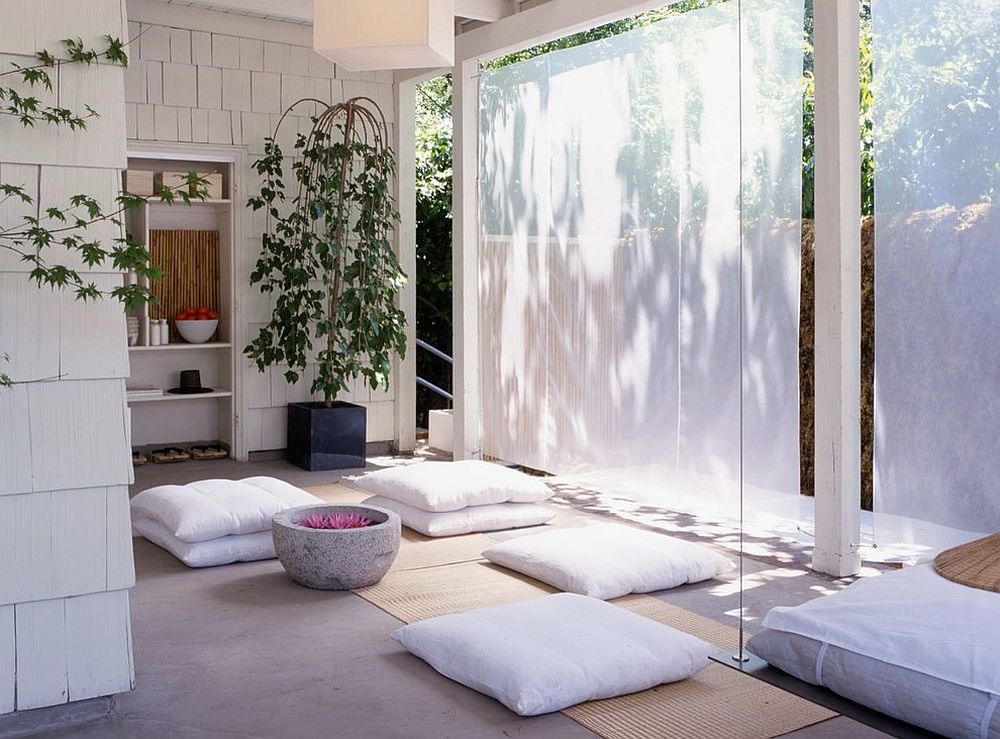
The first step in establishing a successful meditation practice is to create an environment that encourages calmness and reduces distractions. Identify a dedicated space—whether it is a corner of your room or a spot in your garden—where noise and interruptions are minimal. This space should help signal your mind that it is time to switch from the busyness of daily responsibilities to a period of inner reflection.
B. Setting a Consistent Time
Establish a routine that fits within your daily schedule. Many beginners start with sessions as short as 5-10 minutes, gradually extending the duration as they become more comfortable with the practice. Finding a consistent time, such as early morning or right before bed, can help cultivate a habit where meditation seamlessly integrates into your daily life.
2. Choosing a Meditation Posture
A. Finding a Comfortable Position
There is a variety of positions that can be used for meditation—sitting on a cushion, on a chair, or even lying down if necessary. The key is to maintain a posture where your spine is straight, which facilitates easy breathing and helps maintain a state of alert relaxation. A comfortable posture will allow you to remain in the practice for longer periods without discomfort.
B. Importance of Posture
A straight and stable posture not only helps with physical comfort but also signals to your body that it is time to be present and attentive. Whether you choose a cross-legged position on the floor or decide to use a chair for additional back support, ensure your shoulders remain relaxed, and your hands are positioned comfortably on your lap or knees.
3. Focusing on the Breath and Beyond
A. Breath Awareness
Focusing on your breath is one of the most effective and universally recommended techniques for meditation. To practice breath awareness, gently close your eyes and direct your attention to your breathing. Notice the sensation of the air as it enters your nostrils, fills your lungs, and exits your body. This focus on the natural rhythm of your breath acts as an anchor, helping to steady your mind and quiet any distracting thoughts.
B. Managing Distractions
It is common for the mind to wander during meditation, especially for beginners. When you notice your thoughts drifting from your focal point, simply acknowledge these distractions without judgment and gently return your focus to your breathing. This practice of non-judgment is essential for growth, teaching you to approach each distraction with patience and acceptance.
4. Exploring Different Meditation Modalities
Meditation encompasses a wide spectrum of techniques, each offering unique benefits. Consider experimenting with the following methods to determine which approach fits you best:
| Technique | Description | Potential Benefits |
|---|---|---|
| Breath Awareness | Focusing solely on your breathing, observing each inhale and exhale. | Improved concentration, stress reduction, increased mindfulness. |
| Mindfulness Meditation | Observing thoughts, emotions, and sensations impassively as they arise. | Enhanced self-awareness, emotional regulation, reduced anxiety. |
| Loving-Kindness Meditation | Directing feelings of compassion and goodwill towards oneself and others. | Increased empathy, reduced self-criticism, inner peace. |
| Guided Meditation | Following verbal instructions via an app or teacher to navigate your practice. | Structured practice, ease in maintaining focus, beginner support. |
| Body Scan Meditation | Systematically focusing attention on various parts of the body. | Improved body awareness, stress relief, enhanced relaxation. |
| Walking Meditation | Integrating mindfulness with movement by focusing on the sensations of walking. | Improved physical awareness, mindfulness during activity, invigorated energy. |
Experimenting with these modalities will allow you to refine what resonates most with your personal needs and lifestyle. You may find that different techniques are more suited to various aspects of your life or emotional states.
Developing a Sustainable Practice
Embracing Consistency and Patience
One of the central principles of effective meditation is consistency. Just like any skill, regular practice plays a crucial role in deepening your meditation experience. Even short, daily sessions, if practiced regularly, can compound over time to yield significant benefits. Patience is equally important—acknowledge that quieting the mind is a gradual process and that every session contributes to your overall growth.
Integrating Meditation into Daily Life
A. Building Routine and Habit
Integrate meditation into your daily routine by fixing a designated time and space for practice. Over time, the act of sitting down to meditate may become as natural as brushing your teeth, helping your brain start to associate that time with calm and focus. Maintaining routine is key to ensuring long-lasting benefits and consistency in practice.
B. Overcoming Early Challenges
It is common for beginners to face challenges such as impatience, mind wandering, or discomfort. Address these obstacles by adopting a non-judgmental attitude. Recognize that every meditation session—even those that feel “unsuccessful”—is an opportunity to learn more about your mind and body. Overcoming early setbacks by acknowledging and gently redirecting your attention is a powerful practice in self-compassion.
Utilizing Technology and Community Support
While the journey of meditation is inherently personal, leveraging technology and community resources can provide additional structure and encouragement, particularly for beginners. Numerous apps offer guided meditation sessions that cater to a variety of experience levels and personal goals. These apps typically provide structured practices, reminders, and even progress tracking that can help reinforce the habit of daily meditation.
A. Guided Meditation Apps
For those who prefer having external guidance, several apps provide comprehensive meditation sessions geared towards beginners. These apps often include calming soundscapes, vocal instructions, and timers that ensure you do not have to worry about tracking time. This external structure can be invaluable when you are learning to focus your mind.
B. Joining Meditation Groups and Classes
Community support can be a major asset in making meditation a sustainable part of your life. Joining meditation groups or classes provides a supportive environment where you can share experiences, ask questions, and learn new techniques. Even virtual communities can offer accountability and guide you through obstacles you may encounter in your practice.
Advanced Considerations: Customizing Your Meditation Journey
Customizing Techniques Based on Goals
Once you have established a basic routine and have experimented with multiple techniques, you may begin to notice that certain practices resonate more strongly with your personal objectives. For instance, if reducing anxiety and cultivating a kinder mindset are your primary goals, you might lean towards loving-kindness meditation. Conversely, if enhancing focus and concentration is a priority, concentrating on breath awareness or mindfulness might serve you better.
Specific Goals and Technique Alignment
Consider defining your meditation goals clearly and then tailoring your practice to meet these objectives. For example, practitioners looking to enhance their concentration may benefit from concentration meditation, which involves focusing on a single focal point, be it the breath, a mantra, or a visual object. Meanwhile, if you seek emotional balance, mindfulness practices that allow for the observation of thoughts without reaction can be very effective.
Deepening the Experience
As you build consistency and identify effective techniques, consider gradually extending your sessions. Longer sessions can dive deeper into mindfulness and provide more profound experiences of self-awareness and tranquility. Additionally, advanced meditators sometimes alternate between styles within a single session to challenge and expand their practice. For example, starting with breath awareness and transitioning into body scan meditation can offer a comprehensive insight into both mental and physical awareness.
Engaging with the Subtleties
Advanced practitioners regularly note subtle shifts in mental states, from a fleeting moment of clarity to prolonged periods of inner stillness. Learning to observe these subtle changes is an advanced skill that can enrich your meditation journey. This refined awareness, which comes from continuous practice, can lead to more significant benefits in everyday decision-making and emotional resilience.
Tailoring Meditation to Fit Your Life
As with any skill, meditation adapts to the demands and rhythms of your life. Whether you have a fixed meditation routine or use moments throughout the day to practice mindfulness (like a few conscious breaths before meetings), meditation is flexible and supportive.
Incorporating Meditation into Daily Activities
You can also turn routine actions into mindful interventions. For example, while walking, eating, or even doing household chores, taking a moment to focus on the sensations associated with these activities can cultivate mindfulness beyond formal sessions. This approach ensures that the calming and centering effects of meditation extend throughout your day, reducing overall stress levels and enhancing your sense of balance.
Creating a Personal Meditation Toolkit
Develop a set of meditation techniques that works for you, adjusting the practice as needed:
- Maintain a short, portable session if you’re on the move.
- Reserve longer sessions when time permits to deeply explore your inner landscape.
- Alternate between guided and self-directed meditation to develop both independence and structure.
- Experiment with incorporating sensory elements such as incense, soothing music, or natural sounds to enrich your practice.
Conclusion
The best way to meditate is deeply personal, and no single method works for everyone. By understanding the fundamentals of meditation, setting up a conducive environment, choosing a comfortable posture, and experimenting with different techniques, you open the door to a transformative practice that can improve your mental and physical well-being. Adopting a habit of regular practice, paired with patience and flexibility, will gradually help you tailor a meditation practice that aligns with your personal needs and goals. Whether you choose breath awareness, mindfulness, loving-kindness, or another mode of meditation, the essential element remains your commitment to turning inward, observing your thoughts with kindness, and allowing yourself the space to grow and heal.
References
- How to Meditate and Top Benefits - Cleveland Clinic
- How to Meditate - wikiHow
- Meditation for Beginners - The Art of Living
- How to Meditate at Home - Verywell Mind
-
How to Meditate for Beginners - US News Health
More
Last updated February 19, 2025