
Meta's Tangled Web: Unpacking the Multitude of Lawsuits Facing Facebook's Parent Company
A deep dive into the critical legal battles over privacy, monopoly power, youth safety, and more that could reshape the tech giant.
Key Highlights of Meta's Legal Landscape
- Widespread Litigation: Meta Platforms (formerly Facebook) is embroiled in numerous significant lawsuits spanning diverse areas, including user privacy, antitrust allegations, the mental health impact of its platforms on young users, and data handling practices.
- High-Stakes Arguments: Plaintiffs, ranging from government bodies like the FTC and state attorneys general to individual users and investors, argue that Meta has prioritized profits over user safety, fair competition, and data protection. Meta counters by asserting compliance with regulations and highlighting the competitive nature of the tech market.
- Potentially Transformative Outcomes: The results of these legal challenges could lead to substantial financial penalties, forced divestitures of major assets like Instagram and WhatsApp, significant changes to platform design and operations, and new regulatory frameworks for the social media industry.
Core Areas of Legal Contention for Meta
Meta Platforms finds itself defending its practices on multiple fronts. The lawsuits touch upon fundamental aspects of its business model, from data collection to market dominance and the societal impact of its products.
Privacy Violations and Data Misuse
A long-standing concern, allegations of privacy infringement continue to plague Meta. These lawsuits often center on how the company collects, uses, and protects (or fails to protect) vast amounts of user data.
The Cambridge Analytica Fallout and Beyond
The Cambridge Analytica scandal, where the personal data of millions of Facebook users was improperly harvested for political advertising without explicit consent, remains a pivotal event. It triggered massive regulatory scrutiny and hefty fines, including a $5 billion settlement with the U.S. Federal Trade Commission (FTC) in 2019. Investor lawsuits stemming from this, alleging Meta failed to disclose risks associated with data misuse, are still progressing, with the Supreme Court allowing a multibillion-dollar class action to proceed in 2025.
Tracking and Consent Issues
Other lawsuits target Meta's tracking technologies, such as the "Like" button, which allegedly collected user data across the internet without adequate consent. A $90 million class-action settlement related to this "like button" issue saw payouts beginning in April 2025. The State of Texas also secured a $1.4 billion settlement in early 2025 over Meta's alleged unauthorized capture and use of biometric data.
Antitrust Scrutiny and Monopoly Allegations
A major legal battle focuses on whether Meta has unlawfully established and maintained a monopoly in the social media market, primarily through strategic acquisitions.
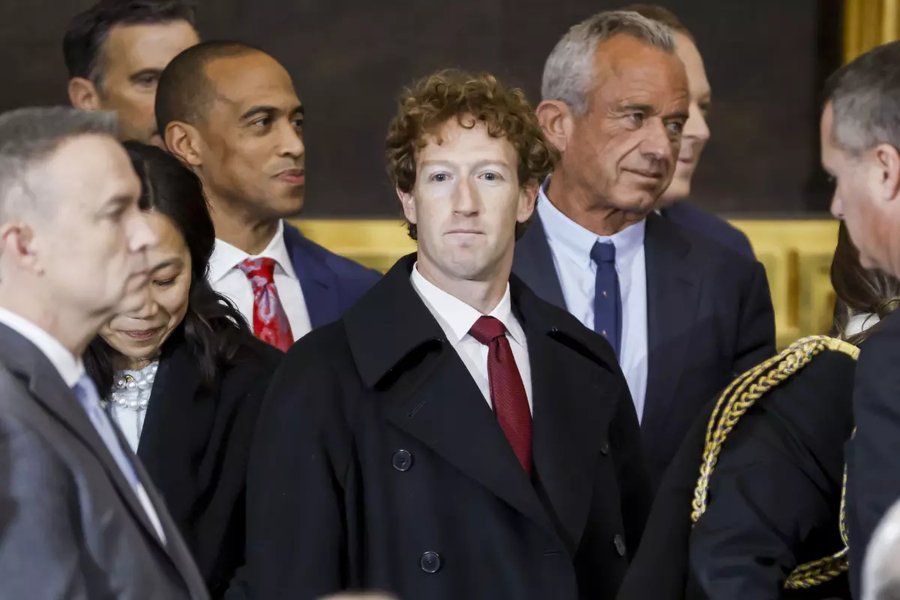
Mark Zuckerberg, CEO of Meta, has testified in critical antitrust proceedings.
The FTC's Challenge to Instagram and WhatsApp Acquisitions
The U.S. Federal Trade Commission (FTC), along with multiple states, has filed a significant antitrust lawsuit against Meta. The core argument is that Meta illegally suppressed competition by acquiring potential rivals, most notably Instagram (in 2012) and WhatsApp (in 2014). The FTC seeks remedies that could include forcing Meta to divest these incredibly valuable platforms. The trial for this landmark case began in April 2025, with Meta CEO Mark Zuckerberg providing testimony. He argued that these acquisitions were about innovation and improving user services, not about quashing competition. Experts note the FTC faces a challenging case, but the potential for a forced breakup remains.
Youth Mental Health and Platform Design
A growing wave of litigation accuses Meta of knowingly designing its platforms, particularly Facebook and Instagram, to be addictive and harmful to the mental health and well-being of children and teenagers.
Allegations of Harmful, Addictive Features
Numerous lawsuits, including those filed by coalitions of state attorneys general and individual families, allege that Meta was aware of internal research showing its platforms could cause issues like depression, anxiety, body dysmorphia, and other mental health problems in young users. Plaintiffs argue that features such as infinite scrolling, frequent notifications, and algorithmic content amplification were intentionally designed to maximize user engagement, especially among youth, at the expense of their well-being. As of April 2025, a multidistrict litigation (MDL) consolidated over 1,700 such cases, with trials anticipated in 2025.
Consumer Rights, Investor Disclosures, and Other Legal Fronts
Beyond the major categories, Meta faces a variety of other legal challenges:
Investor Lawsuits and Disclosure Practices
Investors have sued Meta, alleging the company made misleading statements or failed to adequately disclose risks related to its business practices, particularly concerning data privacy (like the Cambridge Analytica aftermath) and the impact of its platforms.
Advertising Discrimination
Claims have been made that Meta's advertising systems have enabled discrimination, for instance, by allowing advertisers to exclude certain racial groups from seeing ads for housing, employment, or credit opportunities.
International Scrutiny and AI Copyright
French media companies are suing Meta over alleged unlawful business practices. Additionally, emerging lawsuits concern the use of copyrighted materials to train Meta's artificial intelligence systems, raising questions about fair use and intellectual property rights. Legal actions are ongoing, with key judicial rulings on AI and copyright expected in 2025.
Employment-Related Lawsuits
Isolated cases also involve employment disputes, such as an allegation that Meta fired an executive after he complained about the company re-hiring his stalker.
Visualizing Meta's Legal Battles
To better understand the multifaceted legal challenges Meta faces, the following mindmap illustrates the primary categories of lawsuits and their key components.
(Investor & Regulatory Fallout)"] id1b["User Tracking
(e.g., 'Like' Button, Biometric Data)"] id1c["FTC Consent Order Violations"] id2["Antitrust & Monopoly"] id2a["FTC Lawsuit
(Instagram & WhatsApp Acquisitions)"] id2b["Allegations of Stifling Competition"] id3["Social Media Harms & Platform Safety"] id3a["Youth Mental Health
(Addictive Design, Harmful Content)"] id3b["Content Moderation Failures"] id4["Consumer & Investor Rights"] id4a["Misleading Disclosures to Investors"] id4b["Deceptive Business Practices"] id4c["Advertising Discrimination Claims"] id5["Intellectual Property & AI"] id5a["AI Training & Copyright Infringement"] id6["Other Litigation Areas"] id6a["French Media Lawsuit
(Business Practices)"] id6b["Employment Disputes"]
This mindmap highlights the interconnected yet distinct nature of the legal pressures on Meta, ranging from its core data practices to its market position and the societal impact of its products.
Gauging the Impact: A Comparative Look at Lawsuit Categories
The various lawsuits against Meta carry different types of potential impact. The radar chart below offers a synthesized perspective on the perceived severity of these categories across several dimensions: potential financial repercussions for Meta, the likelihood of prompting regulatory changes, and the impact on the company's public reputation. The scores are based on an analysis of current litigation trends and public discourse, not definitive data.
As illustrated, areas like Youth Mental Health Impacts and Privacy Violations score highly on reputational damage, while Antitrust Concerns pose a significant financial and structural threat. The collective pressure suggests a challenging legal environment for Meta.
Key Litigants: Law Firms in the Fray
A number of prominent law firms are involved in these high-stakes legal battles, representing both plaintiffs and Meta.
Firms Representing Plaintiffs
Various firms are leading the charge against Meta on behalf of individuals, states, and classes of users:
- The Lanier Law Firm: Actively involved in social media addiction lawsuits, representing plaintiffs arguing harm from Meta's platforms. They are noted for experience in complex litigation.
- McKool Smith: Collaborated with the Texas Attorney General to secure the $1.4 billion settlement regarding biometric data.
- Keller Postman: Also worked alongside McKool Smith and the Texas AG on the biometric data case.
- Motley Rice: Handling Facebook mental health lawsuits.
- King Law: Representing plaintiffs in social media addiction lawsuits.
- Dhillon Law Group: Involved in cases such as those concerning AI systems and false information.
- Franklin D. Azar & Associates: Led a nationwide class action on privacy violations (King et al. v. Facebook).
Meta's Defense Counsel
Meta has enlisted experienced legal teams to defend its interests:
- Kellogg, Hansen, Todd, Figel & Frederick: This Washington, D.C.-based litigation firm is a long-standing counsel for Facebook and is representing Meta in the critical FTC antitrust trial. They are recognized for their expertise in antitrust and "bet-the-company" litigation.
A Timeline of Meta's Legal Entanglements
Meta's legal challenges have evolved over more than a decade, reflecting the company's growth and the increasing scrutiny of its operations.
- 2007-2018 (Early Issues & Cambridge Analytica): Concerns about user tracking emerged as early as 2007 with the Beacon advertising program. The Cambridge Analytica scandal, which broke in 2018, marked a significant escalation, leading to widespread investigations into Meta's data practices.
- 2019-2023 (Regulatory Actions & Emerging Fronts): The FTC imposed a $5 billion fine in July 2019 for privacy violations. Antitrust lawsuits, including the major FTC case, were filed starting in 2020. During this period, lawsuits concerning youth mental health and advertising discrimination also gained prominence, with multistate coalitions forming around 2023.
- 2024-2025 (Major Trials & Settlements): The FTC's antitrust trial against Meta commenced on April 14, 2025. Significant settlements have also moved forward, including payouts for the $90 million "like button" tracking lawsuit (starting April 2025) and the $1.4 billion biometric data settlement with Texas (early 2025). Cases related to youth mental health are ongoing, with trials expected in 2025.
Summary of Notable Lawsuits and Their Status (May 2025)
The following table provides a snapshot of some of the most significant legal actions involving Meta:
| Lawsuit Category/Case | Key Allegation(s) | Primary Parties Involved (Plaintiffs) | Status / Recent Developments (as of May 2025) |
|---|---|---|---|
| FTC Antitrust Lawsuit | Illegal social media monopoly through acquisitions (Instagram, WhatsApp) aimed at stifling competition. | U.S. Federal Trade Commission (FTC), various State Attorneys General. | Trial began April 14, 2025. Mark Zuckerberg testified. Outcome pending. |
| Youth Mental Health MDL (Multidistrict Litigation) | Platforms (Facebook, Instagram) knowingly designed with addictive features causing mental harm to minors. | Coalition of State Attorneys General, individual families, school districts. | Over 1,700 cases consolidated. Judges have largely rejected Meta's dismissal attempts. Trials expected in 2025. |
| Cambridge Analytica Investor Class Action | Meta failed to disclose risks associated with misuse of user data by Cambridge Analytica. | Investors in Meta/Facebook. | Supreme Court allowed the multibillion-dollar class action to proceed in April 2025. Litigation ongoing. |
| "Like Button" Internet Tracking Lawsuit (In Re Facebook Internet Tracking Litigation) | Improper tracking of users' internet activity via the "Like" button and similar tools, even when logged out. | Class of Facebook users. | $90 million settlement reached. Payouts to class members began in April 2025. |
| Texas Biometric Data Lawsuit | Unauthorized collection and use of Texans' biometric data (e.g., facial recognition). | State of Texas (Attorney General Ken Paxton). | $1.4 billion settlement announced in early 2025. |
| French Media Companies Lawsuit | Alleged unlawful business practices by Meta impacting media companies. | TF1, France TV, BFM TV, and other French media groups. | Lawsuit filed in April 2025. Proceedings ongoing. |
| AI & Copyright Lawsuits | Use of copyrighted materials to train Meta's AI models without permission or compensation. | Authors, artists, and other copyright holders. | Ongoing litigation. Key judicial rulings on fair use and AI expected in 2025. |
Potential Outcomes and Future Implications
The myriad lawsuits Meta faces could have profound and far-reaching consequences for the company and the broader tech industry.
Financial Repercussions
Meta has already incurred billions in fines and settlements (e.g., the $5 billion FTC fine, the $1.4 billion Texas settlement, and the $90 million "like button" payout). Ongoing and future cases could lead to further substantial financial penalties, impacting profitability and shareholder value.
Structural and Operational Changes
The FTC antitrust lawsuit carries the potential for the most drastic structural change: the forced divestiture of Instagram and WhatsApp. Such an outcome would fundamentally alter Meta's business. Other lawsuits, particularly those related to youth mental health, could compel Meta to redesign platform features, implement stricter age verification, or alter content amplification algorithms. This could affect user engagement and advertising revenue.
Regulatory Landscape Shifts
The sustained legal pressure on Meta is a significant driver for broader regulatory action. Governments worldwide are increasingly focused on issues of data privacy, competition in digital markets, and the impact of social media on society. These lawsuits may accelerate the passage of new laws and the establishment of more robust regulatory oversight for tech giants.
Precedents for AI and Digital Platforms
Emerging lawsuits concerning AI and copyright could set important legal precedents for how AI models can be trained and how intellectual property rights apply in the digital age. Similarly, rulings in the mental health cases could establish new standards of care and responsibility for social media platforms regarding user well-being, especially for minors.
Frequently Asked Questions (FAQ)
What is the main issue in the FTC's antitrust lawsuit against Meta?
The U.S. Federal Trade Commission (FTC) alleges that Meta established and maintained an illegal monopoly in the personal social networking services market. The core of the FTC's argument is that Meta achieved this dominance by strategically acquiring potential competitors—most notably Instagram in 2012 and WhatsApp in 2014—to neutralize threats to Facebook's market position. The FTC is seeking remedies that could include forcing Meta to sell off Instagram and WhatsApp, which would be a massive structural change for the company.
What are the 'social media addiction' or 'youth mental health' lawsuits about?
These lawsuits claim that Meta, through its platforms like Facebook and Instagram, knowingly designed features that are addictive and harmful to the mental health of children and teenagers. Plaintiffs, including numerous state attorneys general and individual families, argue that Meta prioritized user engagement and profit over the well-being of young users. They point to internal Meta research allegedly showing awareness of these harms (e.g., links to depression, anxiety, body image issues). The lawsuits seek financial compensation and changes to platform design to make them safer for minors.
Has Meta faced significant financial penalties from lawsuits already?
Yes, Meta has faced substantial financial penalties. Notable examples include a $5 billion fine from the FTC in 2019 related to privacy violations stemming from the Cambridge Analytica scandal. More recently, Meta agreed to a $1.4 billion settlement with the State of Texas in early 2025 over claims of unauthorized biometric data collection. Additionally, payouts began in April 2025 for a $90 million class-action settlement concerning internet tracking via the "Like" button. Numerous other smaller settlements and ongoing cases could lead to further financial liabilities.
What was the Cambridge Analytica scandal and why is it still relevant?
The Cambridge Analytica scandal, which came to public attention in 2018, involved the improper harvesting of personal data from tens of millions of Facebook users by the political consulting firm Cambridge Analytica without users' explicit consent. This data was then reportedly used for targeted political advertising. The scandal is still relevant because it exposed significant vulnerabilities in Facebook's data protection practices, led to massive public backlash, resulted in large fines (like the $5 billion FTC settlement), and spurred ongoing investor lawsuits alleging Meta did not fully disclose the risks. It remains a key reference point in discussions about data privacy and social media responsibility.
Recommended Further Exploration
- What are the specific design features on Instagram and Facebook alleged to be addictive for teenagers?
- Explore the arguments for and against breaking up Meta by divesting Instagram and WhatsApp.
- How might the lawsuits concerning AI and copyright infringement impact the future development of artificial intelligence?
- What measures are technology companies like Meta implementing to address concerns about user privacy and data security?
References
Last updated May 12, 2025