
Integrative Analysis of Metabolic Impairment and Its Implications
Understanding Disrupted Energy, Purine, and Bile Acid Metabolism
Key Takeaways
- Disrupted Energy Metabolism: The downregulation of lactate alongside an upregulation of pyruvate and methylmalonate reveals a significant compromise in mitochondrial efficiency, indicating specific blockages or redirection of metabolic flux.
- Purine Metabolism Shifts: Alterations in levels of inosine, adenine, and pseudouridine serve as biomarkers for increased oxidative stress, reflecting cellular damage and stress responses.
- Bile Acid and Gut Dysbiosis Link: Changes in bile acid profiles, including glycochenodeoxycholate, taurocholate, and deoxycholate, suggest disturbances in gut microbiota balance and downstream effects on systemic metabolism and inflammation.
Overview of Metabolic Disruptions
A recent synthesis of multiple investigations highlights a complex metabolic fingerprint characterized by impaired energy transformation at the cellular level. Two major clusters of changes are observed: one involving energy metabolism and mitochondrial function and the other involving purine and bile acid metabolism. These predictive biomarkers not only reflect mitochondrial inefficiencies but also suggest additional implications of oxidative stress and gut dysbiosis.
Energy Metabolism Impairment
Downregulation of Lactate
Lactate production typically forms the terminal product of anaerobic glycolysis. In a healthy metabolic environment, lactate serves as a critical shuttle—a substrate that can be converted back to pyruvate or used as fuel in gluconeogenesis. However, its downregulation may seem counterintuitive when mitochondrial dysfunction is present. Under many conditions of impaired mitochondrial efficiency, one might expect an increased reliance on anaerobic glycolysis and higher lactate accumulation. Instead, the observed decrease in lactate levels suggests one or several possibilities:
- Altered Glycolytic Flux: There can be a reprogramming of the glycolytic pathway itself, where reduced enzyme activity or substrate shunting may lead to lower lactate production. Such a profile might indicate that cells are not activating compensatory anaerobic pathways as expected.
- Enhanced Lactate Utilization: Alternatively, lactate may be more rapidly oxidized or rerouted into other metabolic pathways, particularly if peripheral tissues are striving to maintain redox balance or if there is an atypical adaptation to maintain energy production.
Upregulation of Pyruvate
Pyruvate, the critical end-product of glycolysis, is normally funneled into the tricarboxylic acid (TCA) cycle within mitochondria after conversion to acetyl-CoA. The upregulation of pyruvate suggests a bottleneck or inefficiency at this mitochondrial entry point. In an optimally functioning system, elevated pyruvate levels would further be rapidly oxidized to generate ATP. However, in conditions where mitochondrial function is compromised:
- Substrate Accumulation: The failure to further metabolize pyruvate results in its accumulation, which may be indicative of issues such as dysfunctional pyruvate dehydrogenase complex (PDC) or impaired mitochondrial transport mechanisms.
- Redox Imbalance: The inefficient oxidation of pyruvate can also lead to perturbations in the NAD+/NADH ratio, a critical determinant in cellular redox homeostasis.
Methylmalonate as a Marker
Methylmalonate is a dicarboxylic acid whose accumulation is often linked to mitochondrial enzyme dysfunction, particularly in association with disturbances in the metabolism of certain amino acids and fatty acids. Elevated methylmalonate levels serve as a potent marker for mitochondrial inefficiency:
- Mitochondrial Enzyme Defects: Inherited deficiencies (for example, in methylmalonyl-CoA mutase) or acquired mitochondrial dysfunction may lead to the improper processing of substrates that normally feed into the TCA cycle.
- Energy Generation Impairment: The buildup of methylmalonate further suggests a decrease in effective ATP production, contributing to cellular stress and systemic energy deficits.
Shifts in Purine and Bile Acid Metabolism
Purine Metabolism and Oxidative Stress
Purine metabolism is closely linked to energy utilization and redox regulation. The purine nucleotides play pivotal roles in cellular energy transfer (e.g., ATP and GTP) and in signaling mechanisms. Observations of shifts in metabolites such as inosine, adenine, and pseudouridine indicate:
- Oxidative Stress Markers: The alterations in purine metabolites are often seen in contexts where oxidative stress is elevated. Reactive oxygen species (ROS) generated during impaired mitochondrial function can damage nucleic acids, thereby altering the purine salvage and degradation pathways.
- Cellular Damage and Adaptive Responses: An imbalance in these metabolites may further reflect adaptive cellular responses aimed at protecting and repairing oxidatively damaged nucleotides, which in turn affect the overall metabolic efficiency.
Bile Acid Metabolism and Gut Dysbiosis
Bile acids such as glycochenodeoxycholate, taurocholate, and deoxycholate are not only critical for lipid digestion but also for maintaining gut microbial homeostasis and signaling functions. Shifts in bile acid metabolism may be indicative of:
- Gut Dysbiosis: The gut microbiota plays an integral role in the deconjugation and conversion of primary to secondary bile acids. Alterations in bile acid profiles can, therefore, serve as a surrogate for microbial imbalances (dysbiosis) in the gut.
- Systemic Inflammatory Signaling: Bile acids can modulate signaling pathways including those that regulate inflammatory responses. Dysregulated bile acid metabolism can contribute to systemic inflammation, thereby compounding the oxidative stress already present due to mitochondrial impairment.
Interconnection of Mitochondrial Dysfunction, Oxidative Stress, and Systemic Health
The interconnected nature of these metabolic impairments points to a broader systemic disruption:
- Mitochondrial Efficiency and Cellular Redox Balance: Mitochondria are central to ATP production through oxidative phosphorylation. When their efficiency is compromised, as suggested by altered levels of lactate, pyruvate, and methylmalonate, there is a cascading effect on cellular redox states. This may result in both deficient energy production and the exacerbation of oxidative stress.
- Oxidative Stress as a Central Player: Elevated oxidative stress can further impair cellular functions by modifying proteins, lipids, and DNA. The observed alterations in purine metabolism are reflective of these processes and underscore the role of ROS as both byproducts and propagators of cellular dysfunction.
- Gut-Liver Axis and Inflammatory Signaling: The disturbances in bile acid metabolism not only affect gut microbial populations but also impact liver metabolism and systemic inflammatory cascades. Such metabolic reprogramming contributes to a vicious cycle of reduced metabolic flexibility and increased susceptibility to metabolic and inflammatory diseases.
Detailed Illustrative Table
| Metabolite Category | Key Changes | Physiological Implications |
|---|---|---|
| Energy Metabolism | Lactate Downregulation, Pyruvate Upregulation, Methylmalonate Elevation |
|
| Purine Metabolism | Altered Levels of Inosine, Adenine, Pseudouridine |
|
| Bile Acid Metabolism | Shifts in Glycochenodeoxycholate, Taurocholate, Deoxycholate |
|
Pathophysiological Significance and Future Directions
The metabolic signature described here is particularly relevant in the context of age-related and metabolic disorders. Compromised mitochondrial efficiency not only decreases energy availability but also predisposes cells to oxidative damage. Over time, chronic oxidative stress can lead to progressive cellular dysfunction, contributing to the development of conditions such as neurodegenerative diseases, cardiovascular disorders, and metabolic syndrome.
Future research strategies should prioritize:
-
Therapeutic Modulation of Mitochondrial Function: Interventions aimed at enhancing mitochondrial biogenesis or improving the efficiency of the electron transport chain could restore balanced energy metabolism and reduce the accumulation of metabolic intermediates such as methylmalonate.
-
Antioxidant Strategies: Targeted antioxidant therapies that reduce ROS production or improve the intracellular redox state can potentially mitigate the excessive oxidative stress evident from altered purine metabolism.
-
Gut Microbiota Modulation: Since bile acid metabolism is closely linked with gut microbial composition, dietary interventions, prebiotic/probiotic supplementation, or other strategies that normalize gut dysbiosis could subsequently lead to improved bile acid profiles and reduced systemic inflammation.
-
Comprehensive Metabolic Profiling: Employing advanced metabolomics can help identify early biomarkers of mitochondrial dysfunction and oxidative stress, allowing for earlier intervention before significant tissue damage occurs.
Integrative Systems Perspective
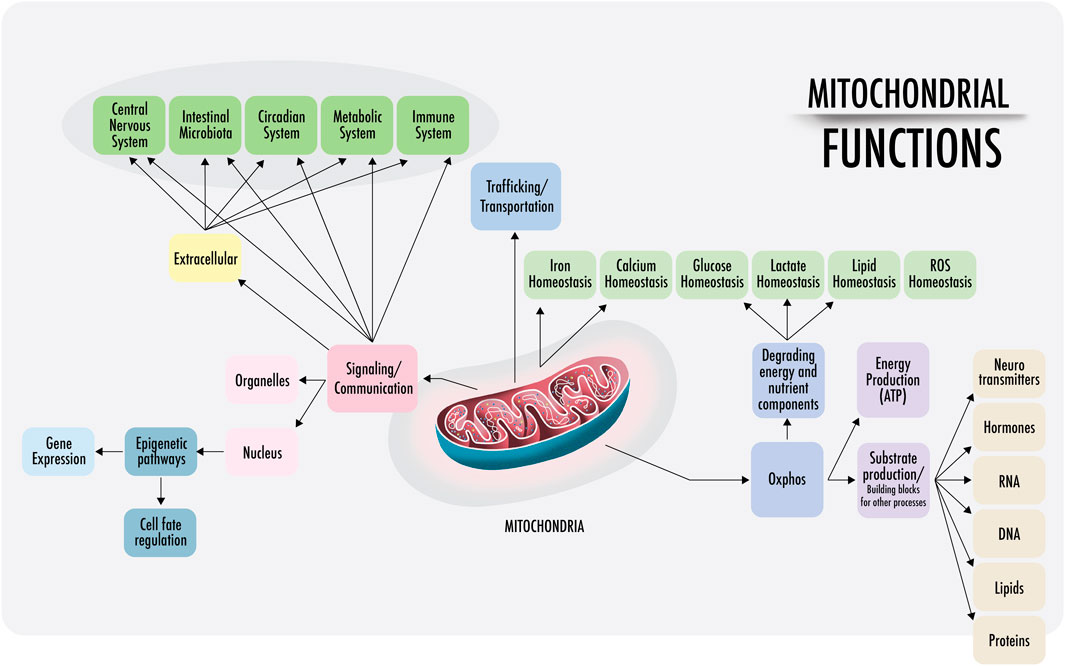
When viewed from a systems biology perspective, the interplay between impaired energy metabolism, altered purine degradation, and disrupted bile acid profiles paints a comprehensive picture of cellular distress. The mitochondria serve as a nexus in this network:
- They are responsible for generating the bulk of cellular ATP via oxidative phosphorylation. When they are compromised—as evidenced by the increased pyruvate and methylmalonate levels—the downstream effects permeate multiple metabolic pathways.
- The resulting increase in oxidative stress affects not only central metabolic pathways but also peripheral pathways such as purine salvage and bile acid synthesis, thereby propagating a cascade of dysfunctions that may ultimately precipitate clinical symptoms.
- In this context, metabolic adjustments observed in the serum or tissues may be viewed as compensatory mechanisms that attempt to maintain homeostasis. However, if the underlying mitochondrial dysfunction and oxidative imbalance persist, these compensatory systems can become overwhelmed, leading to systemic metabolic disease.
Conclusions
Final Thoughts
The described alterations in metabolic markers—namely, the reduction in lactate, elevation of pyruvate and methylmalonate, and the shifts in purine and bile acid metabolites—are indicative of significant mitochondrial dysfunction in tandem with widespread oxidative stress and gut dysbiosis. These findings underscore the essential role of mitochondria in cellular health and emphasize that multiple metabolic disruptions are interconnected within a larger network of cellular homeostasis. Future therapeutic approaches should address these interlinked systems holistically, aiming to restore mitochondrial function, reduce oxidative damage, and normalize gut microbial interactions, thereby improving overall systemic health and potentially delaying the progression of various age-related and metabolic disorders.
References
https://www.ncbi.nlm.nih.gov/pmc/articles/PMC9059418/
https://www.ncbi.nlm.nih.gov/pmc/articles/PMC3887431/
https://www.sciencedirect.com/science/article/pii/S0167488915001561
https://www.sciencedirect.com/science/article/pii/S1568163725000133
https://molmed.biomedcentral.com/articles/10.1186/s10020-019-0109-y
Last updated February 17, 2025