
New Year Traditions in Mexico
Introduction to Mexican New Year Celebrations
New Year's Eve in Mexico, known as "Año Nuevo," is a vibrant and deeply cultural celebration that blends indigenous traditions with Spanish Catholic influences. This festive occasion is marked by a variety of customs and rituals that symbolize hope, renewal, and the anticipation of good fortune in the coming year. From symbolic foods and colorful attire to lively festivities and meaningful rituals, the Mexican New Year is a rich tapestry of practices that bring families and communities together in celebration.
Food and Culinary Traditions
Las Doce Uvas (The Twelve Grapes)
One of the most iconic traditions is the consumption of twelve grapes at the stroke of midnight. Each grape represents one month of the upcoming year, and with each grape eaten, individuals make a wish for that specific month. This practice is believed to usher in good luck and prosperity for the entire year. The grapes must be eaten quickly, typically within the twelve chimes of the clock, adding an element of excitement and anticipation to the celebration.
Traditional Dishes
The New Year's Eve table is adorned with a variety of traditional dishes that hold symbolic meanings. Key among them are:
- Bacalao: Dried salted codfish, often prepared in rich, flavorful dishes.
- Tamales: Steamed corn husks filled with an assortment of savory ingredients, reflecting Mexican culinary heritage.
- Pozole: A hearty soup made with hominy, meat, and spices, symbolizing warmth and abundance.
- Lentils: Representing abundance and prosperity, lentils are a staple on the New Year's table. Some families go further by leaving lentils outside the home or carrying them in pockets to attract extra luck throughout the year.
- Buñuelos: Crispy fritters drizzled with sweet syrup, particularly popular in regions like Oaxaca. After enjoying buñuelos, smashing the ceramic dish used to serve them symbolizes breaking with the past and welcoming good fortune.
Beverages and Toasts
Beverages play a crucial role in the New Year's festivities. Common drinks include:
- Ponche: A warm, spiced fruit punch that is a staple during the holiday season.
- Champagne or Sparkling Wine: Used for toasting at midnight, often with a gold ring placed in the glass beforehand to symbolize good luck.
- Champurrado: A thick, hot chocolate drink made with corn masa, typically enjoyed with pan dulce (sweet bread).
- Tequila and Other Spirits: Popular choices for those looking to add some spirit to their celebrations.
Rituals and Symbols for Good Luck
Wearing Colored Underwear
Choosing the right color of underwear is a widespread belief aimed at attracting specific types of luck in the new year:
-
Red: Symbolizes love and passion.
-
Yellow: Associated with wealth and prosperity.
-
Green: Promotes health and hope.
-
White: Represents peace and purity.
Many people adhere strictly to this tradition, believing that the color they choose will influence their fortune throughout the year.
Sweeping Coins into the House
Before midnight, it is customary for households to sweep their doorsteps to symbolically clear out the old year. At the exact moment of midnight, twelve coins are placed on the ground outside the door. The act of sweeping these coins into the house is believed to attract financial success and prosperity for the coming year. This ritual emphasizes the importance of inviting wealth and good fortune into one's home.
Walking with a Packed Suitcase
To ensure travel opportunities in the new year, many Mexicans take an empty suitcase and walk around the block after midnight. This tradition is a heartfelt wish for adventures and safe travels in the coming months. Alternatively, some families place suitcases in the middle of a guest room or suite and have everyone walk around them together, reinforcing the collective hope for a year filled with new experiences and journeys.
Burning the Old Year
Symbolizing the release of the past year's negative experiences, many people engage in the burning of old photos, letters, or effigies known as "año viejo." This act of burning is a powerful way to cleanse oneself of past misfortunes and make space for new beginnings. It is often accompanied by making new wishes and setting positive intentions for the future.
Family and Social Gatherings
Family Reunions and Large Dinners
New Year's Eve is a time for family reunions in Mexico. Families come together to enjoy large dinners that feature an array of traditional dishes. This gathering is not just about sharing a meal but also about reinforcing family bonds and welcoming the new year as a united front. The atmosphere is filled with joy, laughter, and the sharing of stories and hopes for the future.
Making Noise to Welcome the New Year
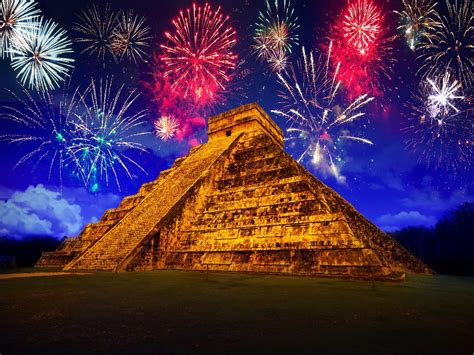
Loud noises play an essential role in the celebrations. From fireworks lighting up the night sky to banging pots and pans, creating noise is believed to scare away evil spirits and negative intentions. This practice ensures a safe and prosperous transition into the new year, surrounded by vibrant sounds that symbolize the community's collective joy and excitement.
Community Festivities and Street Parties
In addition to family gatherings, many towns and cities host street parties and public celebrations. These events often feature parades, live music, dancing, and communal toasts. The streets become a lively arena of celebration, where people of all ages come together to celebrate the arrival of the new year with enthusiasm and camaraderie.
Regional Variations and Unique Practices
While many New Year traditions are widely observed across Mexico, regional variations add a unique flavor to the celebrations. Depending on the location and cultural influences, specific foods, rituals, and superstitions may differ:
- Oaxaca: Buñuelos are particularly significant here, often served with traditional ceramic dishes that are smashed to welcome good fortune.
- Puebla: Families may engage in the burning of oversized "año viejo" effigies made from old clothes and other materials.
- Chiapas: The celebration might include indigenous rituals and the use of local ingredients in traditional dishes.
- Yucatán: Unique festive foods such as cochinita pibil may be featured alongside common New Year staples.
These regional differences highlight Mexico's diverse cultural landscape, where each area contributes its unique customs to the national celebration.
Religious and Spiritual Aspects
Midnight Mass
For many Mexican families, attending midnight Mass is an integral part of the New Year's Eve celebrations. This religious service provides a spiritual foundation for the festivities, allowing individuals to reflect on the past year and pray for blessings in the year to come. The Mass is a time for gratitude, forgiveness, and spiritual renewal, complementing the secular aspects of the celebration.
Prayers and Blessings
In addition to attending Mass, personal prayers and blessings are common. Families may gather to pray together, seeking divine guidance and protection for the upcoming year. These prayers are often expressions of hope, gratitude, and a desire for continued blessings and prosperity.
Cleanup and Preparation for Renewal
Deep Cleaning the House
As part of the New Year's preparations, many families engage in a thorough house cleaning. This act symbolizes the removal of negativity and the clearing out of old energy, making room for new beginnings. It is both a practical and symbolic gesture, ensuring that the home is fresh and welcoming for the arrival of the new year.
Decorating with Lights and Ornaments
Homes and public spaces are adorned with festive lights and ornaments to enhance the celebratory atmosphere. The use of yellow and gold colors is particularly common, as these hues are associated with prosperity and wealth. Decorations often include traditional Mexican motifs, adding cultural richness to the visual landscape of the celebrations.
Conclusion: Embracing Tradition and Hope
The New Year celebrations in Mexico are a harmonious blend of ancient traditions and modern practices, creating a unique and meaningful way to welcome the new year. Whether it's through the symbolic act of eating twelve grapes, the joy of family gatherings, or the vibrant display of fireworks, each tradition holds a special significance aimed at fostering hope, prosperity, and happiness. These customs not only reflect Mexico's rich cultural heritage but also highlight the universal human desire for renewal and positive beginnings. As families and communities come together to celebrate, they reinforce bonds, share joyous moments, and look forward to the opportunities and blessings that the new year promises.
Last updated December 30, 2024