
Discovering the Meditative Paths: Labyrinths in Mexico
Unveiling Ancient and Modern Spaces for Walking Meditation and Spiritual Exploration
Key Insights into Mexican Labyrinths
- Abundant Locations: Mexico boasts a significant number of labyrinths, ranging from ancient archaeological sites to modern wellness retreats and public parks, offering diverse environments for walking meditation.
- Profound Meditative Practice: Labyrinths serve as powerful tools for walking meditation, promoting mindfulness, stress reduction, self-reflection, and spiritual connection, distinct from mazes by their singular, non-confusing path.
- Cultural and Historical Richness: Beyond modern applications, Mexico's labyrinths are deeply intertwined with historical and spiritual contexts, including ancient pre-Hispanic sites and contemporary artistic installations.
Mexico, a land rich in history, culture, and natural beauty, also offers numerous opportunities for serene introspection through walking meditation labyrinths. Far from being mere puzzles, labyrinths are ancient patterns found worldwide, designed to facilitate mindfulness, contemplation, and spiritual renewal. These unique paths, distinct from mazes because they have no dead ends and a single continuous route to the center and back out, serve as powerful tools for personal growth and stress reduction. In Mexico, you can find these meditative pathways in a surprising variety of settings, from historical sites to modern wellness resorts, each offering a unique experience.
The Essence of Labyrinth Walking Meditation
More Than Just a Walk: A Journey Within
A labyrinth is fundamentally a single, winding path that leads to a center point and then back out. Unlike a maze, which is designed to confuse and challenge with multiple choices and dead ends, a labyrinth has only one way in and one way out, offering a clear, unambiguous journey. This simplicity allows the walker to focus inward, engaging in a form of active meditation.
The practice of walking a labyrinth has been utilized for centuries across various cultures for spiritual focus, contemplation, and reflection. It's often referred to as a "body prayer" or "walking meditation," helping individuals quiet the mind, ease anxiety, recover life balance, enhance creativity, and boost insights. The repetitive nature of the walk, combined with the absence of choices, encourages a meditative state where the mind can release stressors and focus on the present moment. Many people find it particularly beneficial if they struggle with traditional sitting meditation, as the movement can help ground restless energy.
The Three Stages of a Labyrinth Walk
Labyrinth walking can be understood in three stages:
- Release: As you walk towards the center, you can release thoughts, worries, and distractions, letting go of what no longer serves you.
- Receive: At the center, a space of quiet contemplation, you can pause, open yourself to insights, and receive guidance or clarity.
- Return: On the journey back out, you integrate what you have received, carrying new perspectives and renewed energy into your daily life.
The experience is highly personal, with no "right" or "wrong" way to walk a labyrinth. It’s an invitation to surrender to the path and allow whatever arises to do so.
Notable Labyrinths and Retreats Across Mexico
From Ancient Wonders to Serene Sanctuaries
Mexico's diverse landscape is home to a surprising array of labyrinths, catering to different interests and offering varied meditative experiences. Whether you seek historical depth, natural tranquility, or a structured wellness program, Mexico has a labyrinth for you.
Historic and Archaeological Labyrinths
Beyond modern installations, Mexico harbors ancient sites that embody labyrinthine qualities, often connected to deeper spiritual or community significance:
- Mitla, Oaxaca: Beneath a church at the Mitla archaeological site, an underground labyrinth believed to be part of a pre-Aztec civilization has been discovered. This mysterious network of passages adds a profound historical dimension to the concept of labyrinths in Mexico, hinting at ancient rituals and spiritual journeys.
- Paquimé (Casas Grandes), Chihuahua: This abandoned Pre-Hispanic city in the desert, known for its intricate hydraulic and heating systems, has been described as a "labyrinth in the desert." While not a traditional walking labyrinth, its complex layout evokes a sense of exploration and discovery akin to navigating a large, ancient puzzle.
- Underwater Labyrinths: Mexico's mysterious underwater cave systems, particularly in the Yucatán Peninsula, are often referred to as underwater labyrinths due to their deep and dark passageways. These natural formations are known for preserving incredible Maya relics and harboring unique ecosystems, offering a different, albeit un-walkable, interpretation of a labyrinth.
Wellness Resorts and Retreats Featuring Labyrinths
Many wellness and yoga retreats across Mexico have incorporated labyrinths into their amenities, recognizing their therapeutic benefits for guests seeking peace and balance. These retreats often offer guided labyrinth walks as part of their holistic programs:
- Rancho La Puerta, Tecate: Located in Baja California, this renowned fitness resort and spa offers a dedicated labyrinth path for walking meditation. It's a key feature in their body-mind-spirit programs, where guests can engage in a reflective journey amidst beautiful natural surroundings.
- Prana del Mar, Baja California Sur: Situated on the southern tip of the Baja peninsula, this yoga retreat center features a labyrinth in its gardens, inviting guests to take meditative strolls. The serene setting, with views of beaches, mountains, and desert, enhances the contemplative experience.
- Montevalle Health & Wellness Resort, Valle de Guadalupe: This resort includes a meditation labyrinth alongside a reflexology pathway, providing guests with opportunities for inner peace and holistic well-being.
- Casa Velas, Puerto Vallarta: This luxury hotel recently added a spa labyrinth and meditation pods, emphasizing mindful mediation and relaxation for its visitors.
- Present Moment Retreat, Troncones: This oceanfront boutique hotel and yoga retreat offers morning meditation and wellness classes, including opportunities for reflective walks within their serene environment.
- Pura Vida Wellness Retreat, Jalisco: Accessible only by boat, this retreat center in Yelapa offers a sanctuary for rejuvenation and self-discovery, with meditation, movement, and mindfulness retreats that embrace holistic healing.
Public and Artistic Labyrinths
Beyond structured retreats, several public and artistic labyrinths can be found in Mexico, accessible for anyone seeking a moment of quiet reflection:
- Ajusco's Labyrinth, Mexico City: A unique and somewhat random spot outside Mexico City, this labyrinth is an almost exact replica of the one at Hever Castle in the UK, located within a large British estate. It offers a fun and thrilling experience, combining a labyrinth walk with a visit to a Tudor-style house.
- Parque Ecológico, Puebla: This park is reported to have a pair of mazes, one of which might be interpreted as a labyrinth, providing a space for both recreational and meditative walks.
- Jardines de México, Cuernavaca: These extensive gardens feature various thematic sections, creating an immersive experience that can feel like a "labyrinth of the senses," designed to delight and engage visitors on multiple levels.
- Labyrinth of León, Guanajuato: A permanent labyrinth installation at the Instituto de la Memoria (Alzheimer Foundation) features a walnut tree in its center, with walnuts falling to reveal their brain-shaped patterns, adding a symbolic layer to the meditative walk.
- Ecoparque San Pedro, near Mexico City: This private garden boasts an enormous labyrinth planted with 38,000 evergreen cedar bushes, covering a vast area, offering a truly immersive walking experience by appointment.
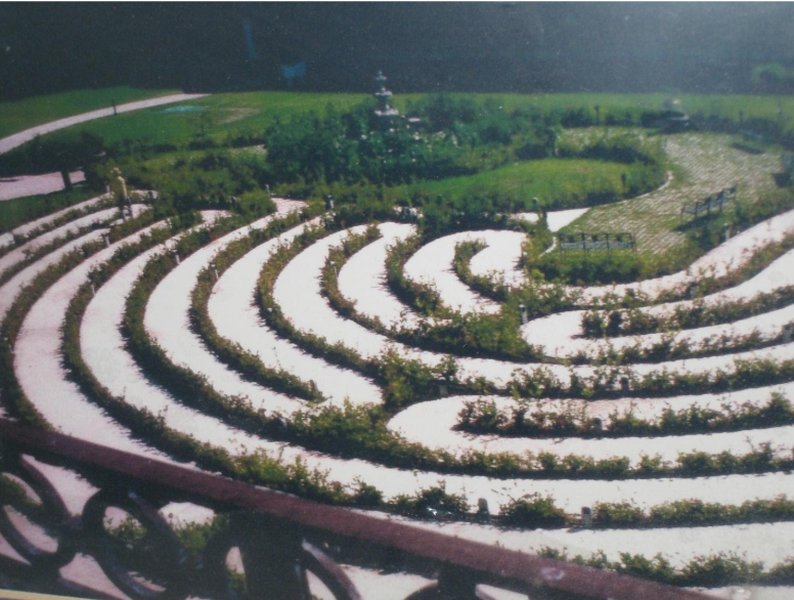
A serene labyrinth path at a resort in Cancun, ideal for meditative walks.
The Growing Appeal of Labyrinth Walking
A Global Resurgence of an Ancient Practice
In recent years, labyrinth walking has seen a resurgence in popularity worldwide as people seek accessible and effective ways to manage stress, enhance well-being, and connect with their inner selves. This ancient activity, dating back over 4,000 years, continues to be relevant in our modern, fast-paced lives.
Many individuals, including those who find traditional sitting meditation challenging, discover that the movement inherent in labyrinth walking helps still the mind's chatter. It's a gentle yet profound practice that fosters a sense of presence and allows for self-discovery without the pressure of a specific destination or outcome.
Benefits of Labyrinth Walking
The benefits of engaging with labyrinths are multifaceted:
- Stress Reduction: The repetitive, mindful movement can calm the nervous system and reduce feelings of anxiety and stress.
- Enhanced Mindfulness: Focusing on each step and breath cultivates a deeper awareness of the present moment.
- Self-Reflection and Insight: The journey can provide a space for introspection, leading to clarity, new perspectives, and answers from within.
- Spiritual Connection: For many, it's a spiritual pilgrimage, a way to connect with a higher power or a deeper sense of self.
- Creativity Boost: Quieting the mind often opens channels for creative thought and problem-solving.
The radar chart above illustrates a comparative perspective on the perceived benefits of labyrinth walking versus typical sitting meditation. Labyrinth walking excels in aspects like physical activity and can be particularly effective for stress reduction and self-reflection due to its embodied nature. While sitting meditation often scores highly in mindfulness and spiritual connection, labyrinth walking offers a dynamic approach that integrates movement with contemplation, making it appealing for those who find stillness challenging. This visual representation highlights the unique strengths of labyrinth walking as a holistic meditative practice.
Resources for Finding Labyrinths in Mexico
Navigating Your Path to Inner Peace
If you're interested in experiencing a walking meditation labyrinth in Mexico, several resources can help you locate one:
- Worldwide Labyrinth Locator: Operated jointly by The Labyrinth Society and Veriditas, this is the most comprehensive online catalog of labyrinths globally, including many locations in Mexico. You can search by country, state, or city to find labyrinths near you.
- Labyrinth Maps: This resource provides geo-tagged maps of labyrinths, including those in Mexico, with color-coded dots indicating location, additional information, or trained facilitators.
- Retreat Guru and BookRetreats: These platforms list numerous wellness and yoga retreats in Mexico, many of which explicitly mention the availability of labyrinths as part of their amenities.
When planning a visit, it's advisable to check the specific opening hours or access requirements, especially for labyrinths located on private property or within retreat centers.
The video "Inside the ancient practice of labyrinth walking" highlights how labyrinths offer a dynamic form of meditation by combining physical activity with mental focus. This is directly relevant to understanding the practical experience of walking meditation in Mexico's labyrinths, showcasing the blend of movement and mindfulness that makes these spaces so effective for well-being.
Comparative Overview of Labyrinth Experiences in Mexico
Diverse Settings for Contemplation
The experience of walking a labyrinth in Mexico can vary greatly depending on its location and design. Here's a table summarizing some common types and their typical characteristics:
| Type of Labyrinth Location | Typical Characteristics | Examples in Mexico | Meditative Experience Focus |
|---|---|---|---|
| Wellness & Yoga Retreats | Often integrated into a broader wellness program (yoga, spa, healthy eating). Generally well-maintained, tranquil environments. | Rancho La Puerta, Prana del Mar, Montevalle, Casa Velas, Present Moment Retreat | Holistic well-being, stress relief, self-care, guided reflection. |
| Public Parks & Gardens | Accessible to the public, often outdoors, made of natural materials (stone, turf, bushes). Can be part of a larger recreational area. | Ecoparque San Pedro, Jardines de México (sensory labyrinth), possibly Parque Ecológico Puebla | Accessible mindfulness, community connection, connection with nature. |
| Historical / Archaeological Sites | Ancient structures or layouts with labyrinthine qualities. May require interpretation of historical context for deeper meaning. | Underground labyrinth of Mitla, Paquimé ("labyrinth in the desert") | Historical contemplation, connecting with ancient wisdom, spiritual exploration. |
| Artistic & Unique Installations | Modern creations, sometimes temporary, with unique designs or materials (e.g., mirror labyrinths). | Ajusco's Labyrinth (replica of Hever Castle), "In search of lost time" (mirror labyrinth in shopping center) | Novelty, creative inspiration, playful reflection. |
Frequently Asked Questions About Labyrinths in Mexico
What is the difference between a labyrinth and a maze?
Can anyone walk a labyrinth, regardless of spiritual beliefs?
Are there specific times or rituals for walking a labyrinth?
How do I find a labyrinth in Mexico?
Are underwater labyrinths walkable?
Conclusion
Mexico offers a rich tapestry of experiences for those seeking walking meditation labyrinths. From ancient sites echoing with historical significance to modern wellness retreats providing serene environments, these paths serve as powerful tools for inner peace, stress reduction, and spiritual exploration. Whether you are drawn to the profound history of underground passages or the tranquil beauty of a garden labyrinth, Mexico provides diverse opportunities to embark on this mindful journey. The act of walking a labyrinth, a simple yet profound practice, allows individuals to disconnect from external distractions and reconnect with their inner selves, fostering a sense of balance and clarity in a unique and engaging way.
Recommended Further Exploration
- Explore wellness retreats in Mexico that specifically offer meditation labyrinths.
- Delve into the historical and cultural significance of ancient labyrinthine structures in Mesoamerican civilizations.
- Learn practical tips and techniques for beginners to enhance their walking meditation practice on a labyrinth.
- Investigate how natural environments in Mexico contribute to the effectiveness of walking meditation in labyrinths.
References
 doyoumazecom.squarespace.com
Last updated May 21, 2025