
Comprehensive Dissertation Structure on Microplastics Research in the River Thames
Investigating Microplastic Dynamics, Degradation, and Ecological Impacts in Urban Aquatic Systems
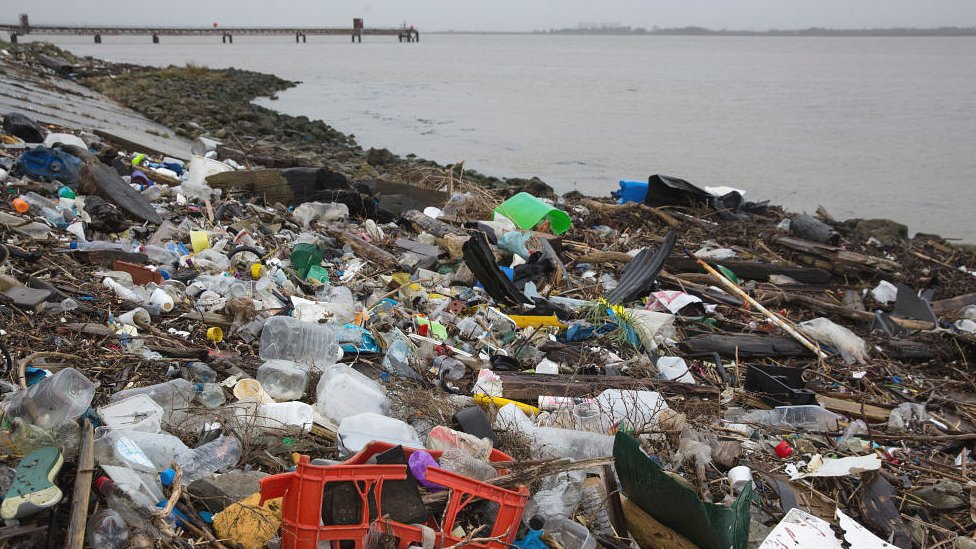
Key Takeaways
- Multidisciplinary Approach: Integrates environmental science, microbiology, and toxicology to comprehensively study microplastics.
- Advanced Analytical Techniques: Utilizes state-of-the-art methods such as FTIR, SEM, and bioinformatics for detailed analysis.
- Environmental and Health Implications: Explores the ecological risks and potential human health impacts of microplastic pollution.
Chapter 1: Introduction
Setting the Stage for Microplastic Research in the River Thames
The proliferation of plastic materials in contemporary society has led to a pervasive environmental issue: plastic pollution. Microplastics (MPs), defined as plastic particles less than 5 millimeters in size, have garnered significant attention due to their widespread distribution and potential ecological and health impacts. The River Thames, a crucial urban waterway flowing through London, serves as an ideal case study for examining MP pollution in an urban aquatic ecosystem. This dissertation aims to provide a comprehensive investigation into the presence, degradation, and ecological implications of MPs in the Thames, with a focus on both surface and subsurface sediment accumulation.
As plastic production continues to surge globally, understanding the fate and transport of MPs within riverine systems is imperative. MPs can originate from various sources, including urban runoff, wastewater effluent, and atmospheric deposition. Once introduced into aquatic environments, MPs undergo physical and chemical weathering processes, leading to their degradation into nanoplastics (NPs), particles smaller than 1 micrometer. These degradation processes not only alter the physical characteristics of MPs but also influence their interactions with biotic and abiotic components of the ecosystem.
Moreover, MPs serve as vectors for pathogenic bacteria and toxic compounds, exacerbating their environmental footprint. The formation of microbial biofilms on MPs (a phenomenon known as the "plastisphere") facilitates the colonization and transport of microorganisms, including antibiotic-resistant strains. This interaction between MPs and microbial communities raises concerns about the potential for MPs to contribute to the spread of pathogens and the dissemination of antibiotic resistance genes in aquatic ecosystems.
The overarching objective of this research is to elucidate the complex dynamics of MP pollution in the River Thames, encompassing their separation, identification, characterization, degradation, and interaction with microbial communities. By employing a multidisciplinary approach that integrates environmental science, microbiology, and toxicology, this dissertation seeks to advance our understanding of MP-related environmental challenges and inform strategies for mitigation and management.
Chapter 2: Literature Review
Current State of Knowledge on Microplastics in Aquatic Systems
The study of microplastics in aquatic environments has rapidly evolved over the past decade, with an increasing body of research highlighting their prevalence, sources, and potential impacts. This literature review synthesizes current findings on MP pollution, focusing on their distribution in surface and subsurface waters, degradation processes, and interactions with microbial communities.
Sources and Distribution: MPs originate from both primary and secondary sources. Primary MPs are deliberately manufactured at sizes less than 5 millimeters, such as microbeads used in cosmetics and industrial processes. Secondary MPs result from the fragmentation of larger plastic debris due to physical, chemical, and biological weathering. Rivers like the Thames act as conduits, transporting MPs from terrestrial sources to marine environments. Studies have documented varying concentrations of MPs in different sections of the Thames, influenced by factors such as urbanization, wastewater discharge, and seasonal variations.
Degradation Pathways: MPs undergo degradation through several mechanisms, including mechanical abrasion, chemical oxidation, and photodegradation. These processes reduce the size of MPs, transforming them into NPs. The properties of MPs, such as polymer type, surface morphology, and presence of additives, influence their degradation rates and pathways. Degradation not only alters the physical characteristics of MPs but also affects their chemical composition and toxicity.
Ecological Impacts: The ecological ramifications of MPs are multifaceted. MPs can physically harm aquatic organisms through ingestion and entanglement, leading to impaired feeding, reproductive, and growth functions. Chemically, MPs can leach additives and adsorb pollutants from the surrounding water, acting as carriers for toxic substances. The interaction of MPs with microorganisms, particularly the formation of biofilms, facilitates the colonization and transport of pathogenic bacteria and antibiotic-resistant strains, posing additional risks to ecosystem health.
Microbial Interactions: The "plastisphere" refers to the microbial communities that establish biofilms on plastic surfaces. These biofilms consist of bacteria, algae, fungi, and other microorganisms that can alter the surface properties of MPs, influencing their aggregation and transport. The potential for MPs to act as vectors for pathogenic bacteria and toxic compounds is a growing concern, as it may exacerbate the spread of diseases and antimicrobial resistance in aquatic ecosystems.
Knowledge Gaps: Despite the expanding research, several gaps persist in our understanding of MP pollution. There is limited knowledge on the long-term fate of MPs and NPs in sedimentary environments, the specific mechanisms driving microbial colonization on MPs, and the comprehensive assessment of toxicological impacts on both aquatic organisms and human health. Addressing these gaps is crucial for developing effective mitigation strategies and policy interventions.
Chapter 3: Methodology
Comprehensive Approaches to Investigating Microplastics in the River Thames
This chapter outlines the methodological framework employed to investigate microplastic pollution in the River Thames. A multidisciplinary approach integrating environmental sampling, laboratory analysis, microbiological assessments, and toxicological evaluations ensures a holistic understanding of MP dynamics and impacts.
Study Area
The River Thames, extending over 346 kilometers through southern England, provides a diverse range of habitats and pollution gradients. Selected sampling sites include the Royal Docks and strategically chosen points along the river to capture variations in MP concentrations and sediment characteristics. Site selection criteria consider factors such as proximity to urban centers, industrial discharge points, and areas with known high plastic pollution levels.
Sampling Framework
Comprehensive sampling involves both water and sediment collection to assess MPs' distribution across different environmental compartments. Surface water samples are collected using Niskin bottles at predefined depths, while subsurface sediments are extracted using sediment corers to obtain representative core samples. Seasonal sampling is conducted to account for temporal variations in MP concentrations and degradation rates.
Analytical Techniques
Advanced analytical methods are employed to isolate, identify, and characterize MPs and NPs. Filtration techniques using high-efficiency filters capture MPs from water samples, while density separation methods facilitate the extraction of MPs from sediments. Microscopic examination, including scanning electron microscopy (SEM), provides detailed insights into MPs' surface morphology and size distribution. Fourier-Transform Infrared Spectroscopy (FTIR) is utilized for polymer identification and to detect chemical alterations indicative of degradation.
Microbiological Assessments
Isolation and characterization of microbial communities associated with MPs involve membrane filtration for bacterial isolation, followed by cultivation of bacterial cultures. Phenotypic characterization and molecular identification techniques, including 16S rRNA gene sequencing, are employed to elucidate the diversity and composition of MP-associated microbial communities. Bioinformatics analysis further deciphers the functional potential and antibiotic resistance profiles of isolated strains.
Toxicological Evaluations
To assess the potential health risks posed by MPs and NPs, toxicological assays are conducted using mammalian cell cultures. Endpoints include cell viability, proliferation, genotoxicity, and cytokine release. Techniques such as the Comet assay and ELISA are employed to quantify DNA damage and inflammatory responses, respectively. These evaluations provide critical insights into the biological impacts of MP exposure on human health.
Data Analysis
Quantitative data on MP concentrations, polymer types, and microbial populations are analyzed using statistical software to identify spatial and temporal trends. Correlation analyses explore relationships between MP pollution and environmental variables such as water temperature, pH, and pollutant levels. Multivariate analyses assess the interactions between microbial communities and MP characteristics, informing the understanding of biofilm dynamics and pollutant transport mechanisms.
Ethical Considerations
All sampling and analytical procedures adhere to ethical standards, ensuring minimal environmental disturbance and responsible handling of biological samples. Data integrity and reproducibility are maintained through stringent quality control measures, including method validation, use of controls, and replication of experiments.
Chapter 4: Results
Findings on Microplastic Distribution, Degradation, and Microbial Interactions
The results presented in this chapter offer a comprehensive overview of microplastic pollution in the River Thames, detailing their distribution, degradation patterns, and interactions with microbial communities. The findings are structured to address the primary research questions outlined in the introduction.
Microplastic Abundance and Distribution
Quantitative analyses reveal significant variations in MP concentrations across different sampling sites. The Royal Docks exhibit higher MP densities compared to more remote sections of the Thames, underscoring the influence of urbanization and industrial activities on MP pollution levels. Surface water samples show a higher prevalence of microfibers, primarily originating from textile effluents, while sediment samples are dominated by fragmented plastic debris, indicative of extensive degradation processes.
Polymer Composition and Characterization
FTIR analyses identify polyethylene (PE) and polypropylene (PP) as the most prevalent polymers in both water and sediment samples. These polymers exhibit distinctive spectral features corresponding to their chemical bonds, confirming their presence and aiding in the assessment of degradation stages. SEM imaging reveals surface weathering and biofilm colonization on MPs, providing visual evidence of physical and biological interactions influencing MP stability and transport.
Degradation Pathways and Nanoplastic Formation
Evidence of degradation is apparent through the presence of smaller particle sizes and altered polymer structures. Chemical weathering processes, facilitated by UV exposure and microbial activity, lead to the fragmentation of MPs into NPs. Laboratory simulations corroborate field observations, demonstrating accelerated degradation under elevated UV and temperature conditions. The formation of NPs raises concerns about their increased mobility and potential for deeper sediment penetration, posing enhanced risks to benthic organisms and broader ecological impacts.
Microbial Community Composition
Microbial analyses reveal a diverse array of bacterial taxa inhabiting the biofilms on MPs. Predominant genera include Pseudomonas, Bacillus, and Vibrio, some of which are known for their biodegradation capabilities and pathogenicity. Bioinformatics assessments indicate a high prevalence of antibiotic resistance genes within MP-associated microbial communities, highlighting the role of MPs as vectors for antimicrobial resistance dissemination. Seasonal variations influence microbial diversity and abundance, reflecting changes in environmental conditions and MP influx.
Toxicological Impacts on Mammalian Cells
Toxicological assays demonstrate that exposure to MPs and their degradation products induces significant cytotoxic and genotoxic effects in mammalian cell lines. Cell viability assays show decreased proliferation rates, while the Comet assay indicates increased DNA strand breaks. Elevated cytokine levels suggest inflammatory responses triggered by MP exposure. These findings underscore the potential human health risks associated with MP ingestion and environmental exposure, necessitating further investigation into exposure pathways and long-term health outcomes.
Chapter 5: Discussion
Interpreting the Implications of Microplastic Pollution in the River Thames
This chapter contextualizes the research findings within the broader landscape of microplastic studies, elucidating the environmental and health implications of MP pollution in the River Thames. The discussion synthesizes results from various analytical aspects, offering insights into the dynamics of MP distribution, degradation, and microbial interactions.
Microplastic Distribution and Sources
The observed spatial variations in MP concentrations align with known pollution hotspots, reinforcing the role of anthropogenic activities in MP dissemination. The higher MP densities in the Royal Docks region are attributed to increased industrial discharge, maritime activities, and urban runoff. This pattern mirrors findings from other urban waterways, highlighting a common challenge in managing MP pollution in densely populated and industrialized regions.
Degradation Processes and Environmental Persistence
The degradation of MPs into NPs is a critical concern due to the enhanced mobility and bioavailability of NPs. The laboratory simulations corroborate field data, indicating that environmental factors such as UV radiation and microbial activity significantly influence MP degradation rates. The formation of NPs poses additional risks, as their smaller size facilitates deeper sediment penetration and increased uptake by a wider range of organisms, potentially disrupting food webs and ecosystem functions.
Microbial Biofilms and Pathogen Vectoring
The establishment of diverse microbial communities on MPs emphasizes the role of MPs as ecological niches. The prevalence of pathogenic and antibiotic-resistant bacteria within these biofilms raises significant public health concerns. MPs not only facilitate the persistence and spread of these microorganisms but also enhance their resistance profiles, complicating efforts to mitigate infectious disease risks. This highlights the dual threat posed by MPs as both physical pollutants and carriers of harmful biological agents.
Toxicological Implications for Human Health
The cytotoxic and genotoxic effects observed in mammalian cells underscore the potential health hazards associated with MP exposure. These findings are consistent with emerging literature suggesting that MPs can induce cellular damage and inflammatory responses, which may translate to adverse health outcomes in humans. The presence of MPs in water sources used for recreation and potentially for drinking water supplies necessitates urgent attention to mitigating MP pollution to protect public health.
Policy and Management Recommendations
Based on the research findings, several policy recommendations emerge. Implementing stricter regulations on plastic production and waste management can reduce MP inputs into aquatic systems. Enhancing wastewater treatment processes to capture MPs and investing in technologies for NPs removal are critical steps in mitigating MP pollution. Additionally, promoting public awareness campaigns and encouraging responsible plastic use can contribute to reducing the environmental burden of MPs.
Future Research Directions
Further research is needed to explore the long-term ecological and health impacts of MP pollution. Studies focusing on the interactions between MPs and a broader range of microbial taxa, including viruses and protozoa, will provide a more comprehensive understanding of the biological implications of MP colonization. Additionally, investigating the synergistic effects of MPs with other pollutants can elucidate the combined risks posed by multiple contaminants in aquatic environments.
Chapter 6: Conclusion
Summarizing the Comprehensive Insights into Microplastic Pollution in the River Thames
This dissertation offers a thorough investigation into the multifaceted issue of microplastic pollution in the River Thames, addressing key aspects of MP distribution, degradation, microbial interactions, and toxicological impacts. The findings highlight the significant presence of MPs and NPs in both surface and subsurface waters, influenced by urban and industrial activities. The degradation processes leading to NPs formation pose increased environmental and health risks due to their enhanced mobility and bioavailability.
The study underscores the critical role of microbial biofilms in facilitating the persistence and spread of pathogenic and antibiotic-resistant bacteria, positioning MPs as vectors for harmful biological agents. The observed cytotoxic and genotoxic effects on mammalian cells further emphasize the potential health hazards associated with MP exposure, necessitating urgent mitigation efforts.
In conclusion, this research contributes valuable insights into the complex dynamics of MP pollution in urban aquatic systems, informing both scientific understanding and policy-making. The integration of advanced analytical techniques and a multidisciplinary approach provides a robust framework for future investigations into MP-related environmental challenges. Addressing the pervasive issue of microplastic pollution requires coordinated efforts across scientific disciplines, regulatory frameworks, and public engagement to safeguard ecological integrity and public health.
References
For comprehensive insights and further reading on microplastic pollution, please refer to the following resources:
- Devereux, R., Ayati, B., Newport, D., Jayaratne, R., & Westhead, E.K. (2023). "The Great Source"- microplastic abundance and characteristics along the River Thames. Marine Pollution Bulletin, 191, 114965.
- Devereux, R., Westhead, E.K., Jayaratne, R., Ayati, B., & Newport, D. (2023). Impact of the COVID-19 pandemic on microplastic abundance along the River Thames. Marine Pollution Bulletin, 189, 114763.
- Devereux, R., Kebede-Westhead, E., Jayaratne, R., & Newport, D. (2022). Microplastic abundance in the Thames River during the New Year period. Marine Pollution Bulletin, 177, 113534.
- Sattar, A.A., Good, C.R., Saletes, M., Brandão, J., & Jackson, S.K. (2022). Endotoxin as a Marker for Water Quality. International Journal of Environmental Research and Public Health, 19(24), 16528.
- Sattar, A.A., Abate, W., Fejer, G., Bradley, G., & Jackson, S.K. (2019). Evaluation of the proinflammatory effects of contaminated bathing water. Journal of Toxicology and Environmental Health, Part A, 82(20), 1076-1087.
- BBC Future. (2024). How 4th July fireworks pollute the air and might damage your health.
Appendices
- Appendix A: Field Photos of Sampling Sites
- Appendix B: FTIR and SEM Output Data
- Appendix C: Detailed Methodological Protocols
Last updated January 23, 2025