
Integrating Mindfulness in the Curriculum for Teens
A comprehensive guide to build mindfulness practices that empower adolescents
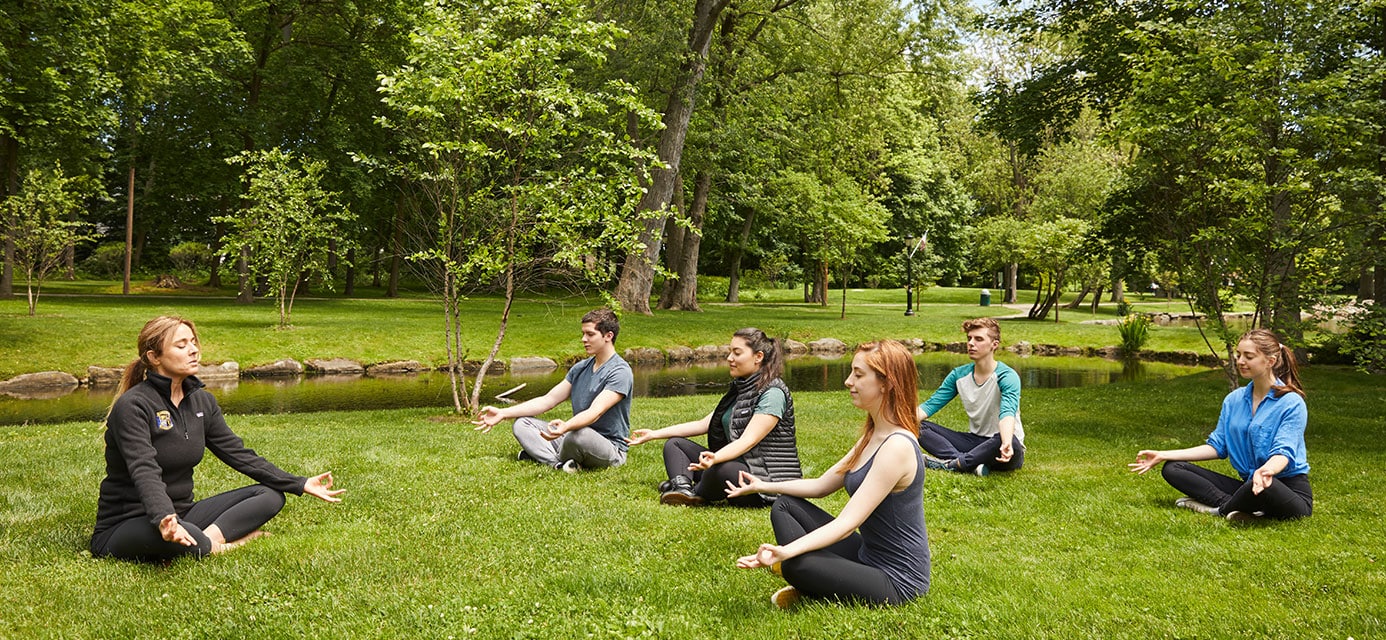
Highlights
- Practical Strategies for Emotional Well-being: Techniques like mindful breathing, guided imagery, and reflective journaling help teens manage stress and cultivate emotional balance.
- Age-Appropriate Integration: Tailored mindfulness curricula and flexible teaching methods ensure activities resonate with adolescents’ unique challenges and experiences.
- Holistic Support and Environment: Training for educators, inclusive classroom settings, and active parental and community engagement are essential for sustainable implementation.
Understanding the Importance of Mindfulness in Adolescence
Mindfulness, defined as the state of being aware of one's inner experiences and the external environment without judgment, has emerged as a transformative practice in education. During adolescence—a period punctuated by rapid physical, emotional, and cognitive changes—mindfulness can be a stabilizing force. It offers teens a toolkit to manage stress, improve concentration, and navigate complex social dynamics, which are often magnified by academic pressures, peer relationships, and the ubiquitous influence of digital media.
Research has consistently shown that introducing mindfulness to teenagers can lead to reduced symptoms of anxiety and depression, enhanced attention spans, and improved academic performance. By fostering self-awareness and emotional regulation, mindfulness empowers students to pursue a balanced and resilient approach to life's challenges. As these practices become integrated into the curriculum, they pave the way not only for academic success but also for long-term well-being.
Designing a Mindfulness Curriculum for Teens
Effective mindfulness integration involves developing a curriculum that is both scientifically grounded and genuinely engaging for teens. The design of such a curriculum should take into account the diverse experiences of adolescent learners. Here are several critical components to consider:
Developmentally Appropriate Design
A successful curriculum must relate directly to the daily experiences of teenagers. This includes:
- Using relatable examples that address typical teenage challenges like social media distractions, peer pressure, and academic expectations.
- Employing language and activities that resonate with adolescents’ interests and current cultural trends.
- Integrating mindfulness techniques that are brief and adaptable, ensuring they can be seamlessly woven into the school day without overwhelming the students.
Practical Techniques and Activities
Practical mindfulness exercises that can easily be implemented during the school day have been shown to significantly benefit students. Some examples include:
Mindful Breathing and Awareness
This straightforward technique involves guiding teens through slow, deep breaths while focusing on the sensation of breathing. Regularly practicing mindful breathing can help reduce anxiety and sharpen students’ focus before class activities or examinations.
Guided Imagery and Meditation
Structured meditation sessions and guided imagery exercises transport students to calming scenarios, allowing them to dissociate temporarily from stressful academic or social pressures. Such exercises often involve visualizing peaceful settings, which help relax the mind and promote creativity.
Mindful Movement and Physical Expression
Incorporating activities like yoga, tai chi, or other forms of mindful movement supports physical well-being while encouraging body awareness. Movement-based mindfulness helps students connect their physical sensations with their mental state, promoting a holistic sense of calmness.
Reflective Practices and Gratitude Journaling
Encouraging teens to maintain a gratitude or reflective journal is another effective strategy. By writing down things they are grateful for or reflecting on their daily experiences, students develop greater self-awareness and a more positive outlook on life.
Strategies for Implementation in Educational Settings
Integrating mindfulness into a school’s curriculum goes beyond simply introducing exercises; it requires an ecosystem that supports both students and educators. Below are some key strategies for successfully implementing a mindfulness program for teens:
Creating a Structured Yet Flexible Curriculum
Mindfulness activities should be carefully interwoven with existing academic content to enhance learning rather than disrupt established instructional practices. Tips include:
- Allocating short but regular periods for mindfulness exercises—these can be at the beginning or end of the day to help students transition in and out of learning modes.
- Designing mindfulness sessions that are easily modifiable to different classroom settings, ensuring teachers can adjust based on the day’s dynamics.
- Integrating mindfulness into related subjects, such as social studies or literature, through reflective writing assignments or group discussions on emotional themes.
Comprehensive Educator Training
Teachers often serve as the front line for implementing mindfulness. For them, a robust training program is key, covering:
- Basics of mindfulness theory and its importance during adolescence.
- Practical techniques for delivering mindfulness exercises that are engaging and impact-driven.
- Methods for tailoring activities based on classroom dynamics and the emotional needs of individual students.
Educator training not only benefits classroom delivery but also grants teachers personal tools to manage stress, making them better role models for mindfulness.
Creating a Mindful Classroom Environment
An environment that supports mindfulness is crucial for its successful integration. Elements of a mindful classroom include:
- Calming visual aids, such as nature images or soothing color schemes, to decrease distractions.
- Designated quiet corners or spaces where students can engage in solo mindfulness practices during high-stress periods.
- Flexible seating arrangements that promote comfort and ease.
- Use of ambient sounds or gentle music to create a harmonious learning atmosphere.
Involving Parents and the Wider Community
Mindfulness practices can be greatly enriched when they extend beyond the classroom. Schools can host workshops and seminars for parents and community members, sharing mindfulness techniques and the benefits observed in adolescents. This collective approach ensures that the benefits of mindfulness are reinforced at home and within the community, creating a network of support for the teens.
Selecting and Evaluating Mindfulness Curricula
A variety of mindfulness curricula have been developed specifically for adolescents. Each program offers its own set of lessons and activities designed to address the specific needs of teens. An emerging trend is the balance between structured curricula and flexible approaches that allow educators to gradually adopt mindfulness techniques. Presented below is a table that compares several well-known mindfulness curricula geared toward teenagers:
| Program | Target Age Range | Key Features | Primary Focus |
|---|---|---|---|
| Learning to BREATHE | Adolescents | Mindful breathing, body scan, stress management techniques | Emotional regulation and stress reduction |
| .b Curriculum | 11-18 years | Simple mindfulness steps; "stop and be" practices | Instant self-awareness and pause in daily activities |
| 4-H Mindful Mechanics | Adolescents | Interactive group activities; leadership development through mindfulness | Practical mindfulness as a peer-led initiative |
| Calm Classroom | Middle and High School Students | Ready-to-use exercises; innovative lesson plans | Horizontal integration of mindfulness in academic settings |
| Inner Explorer | All adolescent ages | Daily mindfulness guided exercises | Routine mindfulness practice supporting focus and calm |
The table above offers a snapshot of different curricula. Choosing the right program should be based on the unique needs of the student population, available resources, and the level of experience that educators possess with mindfulness practices.
Practical Steps for Implementation
Beyond curriculum design and resource selection, schools need to focus on actionable steps to implement mindfulness effectively. The following steps provide a roadmap for establishing a successful mindfulness program for teens:
1. Pilot Programs and Incremental Adoption
Rather than overhauling the entire curriculum at once, institutions can initiate pilot programs in select classrooms. This gradual approach allows for fine-tuning of techniques and helps build confidence among teachers and students alike.
2. Regular Mindfulness Sessions
Consistency is key. Incorporate short mindfulness breaks in the daily schedule to enable students to reset and refocus. This could mean a five-minute breathing exercise at the start of each class or a longer session once a week to dive deeper into meditation practices.
3. Monitoring and Evaluation
Integrate simple metrics to evaluate the effectiveness of mindfulness sessions. Surveys, focus group discussions, and observational studies can help track changes in student behavior, academic performance, and overall well-being. Continuous feedback allows for the curriculum to be refined to better meet student needs.
4. Supportive Infrastructure
Establish a support system that involves parents, administrative staff, and mental health professionals. Their collective engagement can help reinforce the mindfulness practices imparted during classroom activities. Workshops and collaborative events are essential in fostering a community-driven approach toward mindfulness.
Long-Term Benefits of a Mindfulness Curriculum
Integrating mindfulness into the educational curriculum does not yield only short-term academic gains. The skills acquired, such as deep emotional awareness, empathy, and stress management, have lifelong implications. Here are some long-term benefits:
- Enhanced Emotional Intelligence: Regular mindfulness practice cultivates a deeper understanding of one’s emotions, enabling individuals to empathize better and handle interpersonal relationships effectively.
- Improved Academic Achievement: A calm and focused mind is more receptive to learning. Over time, reduced anxiety and improved concentration translate into higher academic performance.
- Resilience and Adaptability: Equipping teens with mindfulness techniques makes them better prepared to navigate the complexities of adult life, particularly in managing stress and unforeseen challenges.
- Positive Behavioral Changes: With improved self-regulation, students often exhibit better decision-making skills, conflict resolution abilities, and overall safer social interactions.
The cumulative impact of these benefits can create a ripple effect that extends far beyond school walls. Empowered, emotionally balanced individuals tend to contribute positively to society, enhancing community well-being and fostering a healthier environment across multiple facets of life.
Resource and Community Engagement
An essential aspect of successfully integrating mindfulness into the curriculum is harnessing community and online resources. A collaborative approach ensures that mindfulness is not just an isolated classroom activity, but rather a broader initiative that benefits all stakeholders. Consider these pointers:
Expanding Resources and Access
Utilize well-established mindfulness programs that provide ready-made lesson plans and supplementary materials. These resources help reduce the preparation burden on educators while ensuring that the practices are grounded in evidence-based research. By leveraging existing programs, schools can gain access to a wealth of instructional materials, guided exercises, and community case studies that bolster the curriculum’s quality.
Parent and Community Workshops
Hosting workshops that introduce mindfulness concepts to parents and community members further extends the practice outside of school. Such events not only enhance overall support for the initiatives but also empower parents with techniques that they can use to support their children during stressful times.
Research and Continuous Improvement
It is vital to stay informed about new studies in mindfulness and adolescent psychology. Continuous evaluation of the curriculum helps in adapting and evolving the practices in line with emerging research. This approach ensures that the program remains relevant and effective in addressing the ever-changing landscape of teen mental health and education.
Technology and Digital Integration
The digital age offers a unique gateway to integrate mindfulness in innovative ways. Numerous apps and online platforms provide guided meditations and mindfulness exercises that can complement in-class activities. Integrating these digital tools can:
- Offer personalized mindfulness resources to students.
- Facilitate self-guided practice outside the classroom.
- Provide feedback and tracking tools to measure progress over time.
These digital tools are particularly engaging for teens, who are increasingly comfortable with technology. By combining traditional mindfulness practices with modern digital aids, educators can create a dynamic learning environment that resonates well with today’s tech-savvy students.
Additional Implementation Tips
Ensuring the longevity and integration of mindfulness curriculum into schools requires ongoing community effort and regular updates. Below are some further practical tips:
- Allocate dedicated time slots during the week for mindfulness rather than only sporadic sessions.
- Celebrate small wins and progress, encouraging students to share testimonials of their experiences with mindfulness techniques.
- Involve student leaders in facilitating mindfulness sessions, turning them into ambassadors of calm and focus within the class.
- Use visual aids, such as posters and infographics, to remind and reinforce key mindfulness practices throughout the school premises.
References
- Learning to Breathe | A Mindfulness Curriculum for Adolescents - Learning2Breathe
- .b Curriculum (ages 11 – 18) - Mindfulness in Schools Project
- Mindful Mechanics - 4-H Mindfulness Curriculum
- Teaching Mindfulness to Teens - Center for Adolescent Studies
- Mindfulness for Middle and High School Students - Berkeley Innovation
Recommended Queries for Further Exploration

Last updated March 4, 2025