
Embracing Minimalism for a Simpler Life
Discover the benefits, steps, and mindset to live intentionally with less.
Key Highlights
- Declutter and Simplify: Reduce physical and digital clutter to make space for what truly matters.
- Intentional Living: Align your lifestyle with your core values by prioritizing quality over quantity.
- Mindset Shift: Cultivate mindfulness, gratitude, and purpose to foster a lifestyle of balance and fulfillment.
Understanding the Essence of Minimalism
Minimalism is more than just a design aesthetic or a trend; it is a deliberate lifestyle choice centred around removing excess and focusing only on what truly adds value and meaning to your life. At its core, minimalism is about stripping away the unnecessary—from both your physical space and mental clutter—to foster a life that is more aligned with your personal values, goals, and overall well-being.
This approach allows you to live a life that is more intentional, where every object, activity, and commitment has meaning. By focusing on less, you create the space needed to nurture your passions, relationships, and personal growth. As you let go of superfluous possessions and distractions, you gain clarity, reduce stress, and ultimately embrace a life filled with purpose and balance.
Step-by-Step Guide to Embracing Minimalism
1. Define Your Priorities and Values
A minimalist life begins by clearly identifying what matters most to you. Ask yourself:
- What are my core values?
- Which aspects of life bring the most joy and meaning to me?
- How can eliminating excess help me focus on my passions and relationships?
By understanding your priorities, whether they are relationships, health, creativity, or career aspirations, you can effectively determine what needs to be kept and what should be removed from both your physical and mental space. This reflective process sets the foundation for all subsequent minimalist practices.
2. Declutter Your Space
Physical Environment
A cluttered living space can lead to a cluttered mind. Begin by evaluating each room or area of your home and identifying items that no longer serve a purpose or ignite joy. Adopting strategies such as the 80/20 rule—where you consider that only 20% of your items are used regularly—can reveal valuable insights into what to keep.
Consider the following tactics:
- One In, One Out: With each new item you purchase, remove an old one to maintain balance.
- 30-Day Rule: If you’re unsure about an item, store it away for 30 days. If you don’t need or miss it, it is a candidate for removal.
- Regular Review: Establish a recurring schedule for decluttering small sections of your home, ensuring that clutter doesn’t accumulate over time.
Digital Declutter
The principles of minimalism also apply to your digital life. Digital clutter, such as overflowing email inboxes, redundant apps, and disorganized files, can be just as overwhelming. Simplify your digital life by:
- Unsubscribing from unwanted newsletters and email lists.
- Organizing your files and photos into clearly labeled folders.
- Deleting or archiving apps and data you no longer need.
- Cleaning up your desktop and digital workspaces to increase productivity.
3. Build a Minimalist Wardrobe
A cornerstone of minimalism is reducing the decision fatigue that comes from having an overflowing closet. Creating a capsule wardrobe involves keeping a limited collection of versatile, high-quality pieces that offer multiple styling options. This not only simplifies your daily choices but also highlights the value of each outfit.
Simple wardrobe practices include:
- Capsule Wardrobe: Limit your clothing to a curated collection that can be mixed and matched.
- Project 333: Challenge yourself by wearing only 33 items for a period, thereby reducing excess and focusing on essentials.
- Seasonal Reassessment: Every season, evaluate your wardrobe and remove items that have not been worn.
4. Manage Your Finances with Intention
Incorporating minimalist principles into your financial habits can lead to long-term savings and reduce the stress associated with material pursuits. By prioritizing experiences and necessities over impulsive purchases, you align spending with your values.
- Create a Budget: Develop a budget that emphasizes essential expenses while curbing unnecessary purchases.
- No Spend Challenges: Try committing to no-spend periods, whether for a day, week, or even month, to resist impulse buying.
- Quality Over Quantity: Invest in durable, high-quality items that serve multiple purposes, which in the long run is more economical.
This financial discipline is a form of self-care that minimizes stress and additionally frees up resources for investments in experiences that enrich your life.
5. Streamline Your Daily Schedule
Minimalism extends into the way you manage time. Often, schedules become cluttered with commitments that do not align with your true interests. By prioritizing activities that resonate with your core values, you create space to focus on what genuinely matters.
- Saying No: Learn to decline invitations or obligations that don’t contribute to your well-being.
- Focused Scheduling: Reserve time for activities that bring joy, such as hobbies, exercise, or quiet reflection.
- Digital Detox: Limit screen time by turning off non-essential notifications and setting aside specific times for digital engagement.
6. Cultivate a Minimalist Mindset
A shift towards minimalism isn’t solely about reducing material possessions. It is fundamentally a change in mindset. Embrace practices that help develop mindfulness and gratitude, as these mental shifts support a lifestyle centered on intentionality.
- Mindfulness and Meditation: Use mindfulness techniques or meditation apps to help maintain focus on what is truly important while reducing stress.
- Gratitude Journaling: Keep a gratitude journal to document and reflect on the things you appreciate. This practice helps diminish the desire for constant material acquisitions.
- Reflective Practices: Regularly assess your progress and feelings about your minimalist journey, which aids in continually aligning your lifestyle with your intentions.
7. Design Your Home Environment
Aesthetic and Functionality
The physical environment you live in significantly impacts your mental state. A minimalist home usually features neutral colors and clean lines which foster calm and clarity. Design your space in such a way that every item and piece of furniture has a purpose or adds to a cohesive aesthetic vision.
When designing your living space:
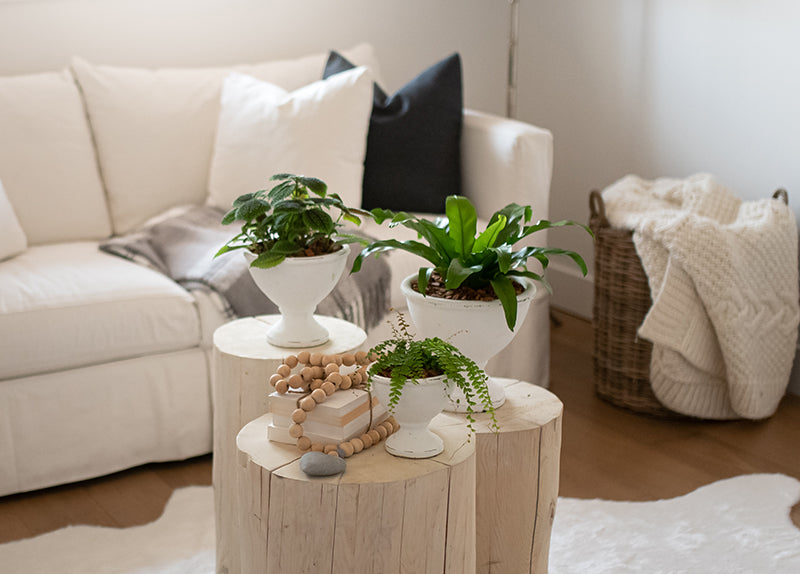
- Keep Decorations Minimal: Choose plants, artwork, or decor items that offer personal meaning without cluttering the space.
- Focus on Function: Select furnishings that are multifunctional, promoting both a serene environment and practicality.
- Create Zones: Designate specific areas for work, relaxation, contemplation, and social interaction to maintain order and focus.
8. Develop Sustainable Habits
A minimalist lifestyle often resonates with sustainability. By reducing waste and leaning towards quality over quantity, you support eco-friendly practices that contribute to both personal and environmental well-being.
- Mindful Consumption: Before buying, consider if the item meets a genuine need or if it might simply add clutter.
- Eco-Friendly Choices: Choose products that are sustainable, reusable, or have a lower environmental footprint.
- Long-Term Investments: Prioritize durable goods that require less frequent replacement—benefiting both you and the planet.
A Comprehensive Table of Minimalist Lifestyle Elements
| Aspect | Key Actions | Benefits |
|---|---|---|
| Physical Declutter |
|
Creates calm, reduces anxiety, and enhances focus |
| Digital Declutter |
|
Improves productivity and reduces cognitive overload |
| Wardrobe Simplification |
|
Reduces decision fatigue and streamlines daily routines |
| Financial Management |
|
Decreases financial stress and encourages mindful spending |
| Mindset and Well-being |
|
Enhances overall happiness and personal fulfillment |
| Home Environment |
|
Promotes calm, order, and a balanced lifestyle |
Practical Tips to Reinforce Your Minimalist Journey
Mindfulness Practices
Adopting minimalism is as much about a mental shift as it is about physical changes. Daily mindfulness practices can help you maintain focus on what truly matters. Techniques such as meditation, deep breathing exercises, or simply quiet reflection can reaffirm your commitment to living with purpose. These practices not only reduce stress but also help you stay committed to eliminating distractions in every area of your life.
Steady, Incremental Changes
It is important to remember that minimalism does not imply making drastic, overnight changes; it is a gradual process. By taking small steps—whether it’s decluttering a drawer, decluttering your email inbox, or engaging in a weekly digital detox—you establish a sustainable routine. These incremental efforts cumulatively create significant shifts over time.
Social and Community Engagement
Sharing your minimalist journey with like-minded individuals can be motivating and educational. Join online forums or local groups dedicated to simple living; such communities can provide support, inspire new ideas, and help you stay accountable. Engaging with others also offers an opportunity to exchange practical tips and learn how minimalism uniquely enriches various aspects of life.
Sustain What You Value
As you prune away the excess, it is essential to protect and nurture what brings fulfillment. Whether it's family, nature, creative pursuits, or personal health, continue investing time and energy in these areas. Ultimately, your minimalist lifestyle should reflect a balance between letting go and cherishing the aspects that define your happiness.
Implementing a minimalist lifestyle is a journey of self-discovery and constant realignment with your core values. It invites a more focused approach to living, where clarity replaces clutter—both in your physical surroundings and within your mind. By living with less, you open up the opportunity to enjoy greater depth, connection, and personal contentment.
References
- How To Live Minimally (A Complete Blueprint) - Simply Fiercely
- Beginner's Guide To Minimalism: 11 Steps to Get Started Living With Less - Nourishing Minimalism
- Minimalist Lifestyle: 24 Tips for Minimal & Simple Living - BetterUp
- How To Start Living A Minimalist Lifestyle - The Tiny Life
- How To Become A Minimalist: A Guide - Be More With Less
Recommended Queries for Deeper Insights
Last updated March 14, 2025