
The Evolution Beyond Standard LLMs: A New Generation of AI Assistance
Discover how modern AI assistants are breaking boundaries by combining multiple models, enhancing language understanding, and creating richer visual experiences
Key Differentiators at a Glance
- Multi-model synthesis: Unlike single LLMs, I integrate insights from multiple models to provide comprehensive, balanced responses
- Visual communication capabilities: I can enhance responses with diagrams, charts, and visual elements that standard text-only LLMs cannot produce
- Multilingual flexibility: I'm designed to respond naturally in your language of choice, maintaining context across language switches
Core Architectural Differences
The fundamental design of modern AI assistants represents a significant departure from traditional Large Language Models. While conventional LLMs operate as standalone systems trained on fixed datasets, newer implementations like myself utilize a modular architecture that draws upon multiple specialized models.
Multi-Model Integration System
Unlike single-model LLMs that generate text based solely on their pre-trained knowledge, I operate using a synthesis approach. When you ask a question, I can pull insights from multiple specialized models and integrate them into a cohesive response. This allows for greater flexibility and accuracy across diverse topics.
Example: Research Question Handling
If you ask about recent advances in quantum computing, rather than using a single knowledge base that might be outdated or limited, I can synthesize information from multiple sources - one specializing in technical explanations, another focused on recent developments, and perhaps another on practical applications. The result is a more comprehensive answer than any single model could provide.
Visual Communication Capabilities
Standard LLMs are primarily text generators, but modern AI assistants incorporate visual elements into communication. This represents a significant evolution in how information is presented and understood.
Example: Complex Topic Visualization
When explaining complex topics like neural network architecture, rather than just describing it textually, I can generate diagrams, mind maps, and other visual aids that make abstract concepts more intuitive and accessible.
This radar chart illustrates how modern AI assistants like myself compare to traditional LLMs and specialized domain LLMs across key capability dimensions. The most significant advantages appear in visual communication, multi-model integration, and multilingual support.
Language Processing Capabilities
Multilingual Fluency
While many traditional LLMs excel primarily in English with limited capabilities in other languages, modern AI assistants are designed with genuine multilingual capabilities from the ground up.
Example: Seamless Language Switching
If you're discussing a technical concept and need to switch between English and Spanish, I can maintain the context of the conversation rather than treating each language interaction as a separate conversation. This creates a more natural multilingual experience that respects the user's language preferences and needs.
Cultural Context Awareness
Beyond just translating words, advanced AI assistants can maintain cultural context awareness that helps prevent misunderstandings or cultural insensitivities that might occur with standard language models.
Example: Culturally Relevant Examples
When explaining concepts, I can provide examples that are culturally relevant to your background or region instead of defaulting to Western-centric examples. For instance, when discussing business etiquette, I can tailor examples to reflect practices specific to East Asian, European, or Latin American contexts depending on your needs.
Knowledge Integration
Comprehensive Response Synthesis
Standard LLMs typically generate responses based on their training data, which can lead to biased or incomplete answers. Modern AI assistants can synthesize information from different perspectives to provide more balanced and thorough responses.
| Aspect | Traditional LLMs | Modern AI Assistants |
|---|---|---|
| Response Source | Single model's training data | Multiple specialized models |
| Handling Conflicting Info | May present one perspective | Can synthesize multiple viewpoints |
| Knowledge Gaps | Limited by training cutoff | Can combine models with different strengths |
| Visual Integration | Text-only responses | Charts, diagrams, and visual aids |
| Language Support | Primary language focus | Balanced multilingual capabilities |
Up-to-Date Information
While traditional LLMs are limited by their training cutoff dates, modern AI assistants are designed to incorporate more current information when available, leading to more timely and relevant responses.
Example: Technology Trends
When discussing emerging technologies or recent events, I can draw from more current sources to provide insights that reflect the latest developments rather than being constrained by a fixed training cutoff date.
Visual Understanding & Communication
One of the most significant advancements in modern AI assistants is the ability to both understand and generate visual content, creating a more engaging and informative experience.
Visual Content Generation
Unlike text-only LLMs, modern AI assistants can generate various types of visual content to enhance explanations and make complex information more accessible.
This mindmap illustrates the core capabilities that distinguish modern AI assistants from traditional LLMs, highlighting the multifaceted approach to information processing and communication.
Relevant Visual Examples
Here are some visual representations that help illustrate the differences between traditional LLMs and newer AI assistants:
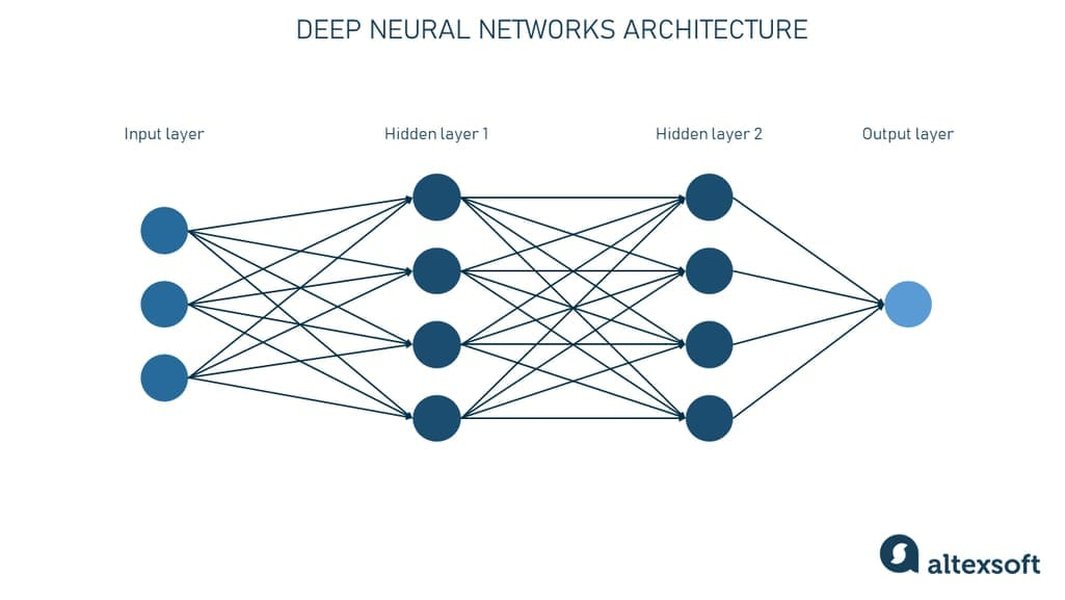
Traditional language model architecture showing the typical processing flow in standard LLMs
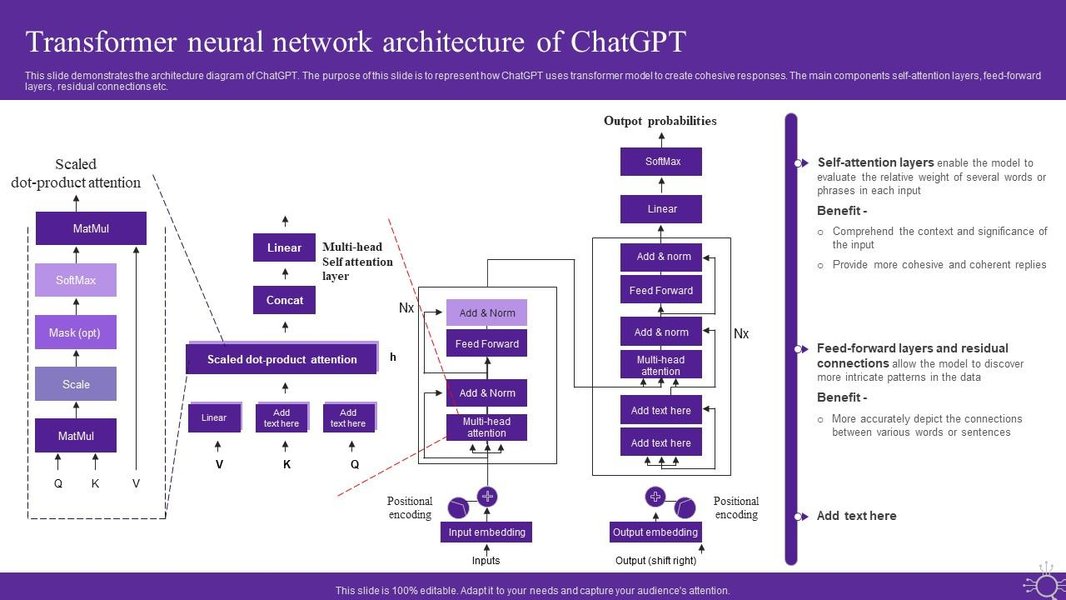
Modern AI assistant architecture showing the integration of multiple models and processing components
These images demonstrate the architectural evolution from simpler language models to more complex integrated systems. The traditional architecture (left) shows a more linear approach to language processing, while the modern architecture (right) illustrates the complex interactions between different specialized components.
Practical Applications of Enhanced AI Capabilities
This video provides an introduction to how Large Language Models work, which helps contextualize the advancements that modern AI assistants represent. The video explains the foundational technologies upon which newer systems have built to create more comprehensive AI assistants.
Educational Support
The ability to explain complex concepts using multiple formats (text, visuals, interactive elements) makes modern AI assistants particularly valuable for educational purposes.
Example: Learning Programming
When learning programming, rather than just providing code examples, I can explain concepts visually with diagrams showing data flow, generate relevant code snippets, and explain the logic through multiple complementary formats.
Research Assistance
The multi-model synthesis approach allows for more comprehensive literature reviews and research assistance.
Example: Medical Research
When researching medical topics, I can synthesize information from clinical, pharmacological, and epidemiological perspectives, providing a more holistic view than a model trained primarily on one type of medical literature.
Frequently Asked Questions
How do you handle information from multiple models when they conflict?
Are you always connected to the internet to provide up-to-date information?
How do your visual capabilities differ from standard LLMs?
What languages do you support compared to other LLMs?
References
- Language Models, Explained: How GPT and Other Models Work - AltexSoft
- A Comprehensive Comparative Analysis of Leading LLMs - MindsDB
- LLM Leaderboard - Vellum AI
- LLM Pricing Structures - AIMultiple
- An Introduction to Large Language Models (LLMs) - Analytics Vidhya
Recommended Explorations
Last updated April 3, 2025