
Exploring the Landscape of AI Assistance: From Virtual Assistants to Chatbots
Understanding the Different Forms and Functions of Digital Helpers
Key Insights into Digital Assistance
- Virtual assistants are typically human administrative professionals who work remotely, offering a wide range of support services to individuals and businesses.
- Chatbots are computer programs designed to simulate conversation, often used for customer service or information retrieval, and can be powered by AI.
- AI assistants are software that utilizes artificial intelligence, particularly natural language processing and machine learning, to understand requests and perform tasks, encompassing capabilities often found in both virtual assistants and advanced chatbots.
In today's increasingly digital world, the concept of "assistance" has taken on new forms. Beyond human personal assistants, we now encounter various digital entities designed to help us manage tasks, find information, and interact with technology. Understanding the distinctions and overlaps between terms like virtual assistants, chatbots, and AI assistants is crucial to appreciating their unique roles and capabilities. This exploration delves into what each of these terms represents and how they function to support users.
What is a Virtual Assistant? The Human Element of Remote Support
Defining the Role and Responsibilities
A virtual assistant (VA) is fundamentally a remote administrative contractor. Unlike traditional in-office assistants, VAs operate from a remote location, often their home office, leveraging technology like the internet, phone, and email to connect with clients. Their primary function is to provide administrative, technical, or creative assistance to clients, who are typically entrepreneurs, leaders, or small business owners.
The range of tasks a virtual assistant can handle is extensive and can be tailored to the specific needs of a business. Common duties include managing emails and calendars, scheduling appointments and meetings, making phone calls, arranging travel, and performing basic bookkeeping. They can also assist with more specialized tasks such as data entry, social media management, content creation (writing, editing), graphic design, and even lead generation.
The flexibility offered by virtual assistants is a significant advantage. They often work on a contract basis, which can be hourly, allowing businesses to access support as needed without the overheads associated with hiring a full-time employee, such as employment taxes and benefits. This model has seen rapid growth, with estimates suggesting a substantial market size for virtual assistants.
Key skills for a successful virtual assistant include strong organizational and multitasking abilities, excellent verbal and written communication, and proficiency in various software and online tools. Adaptability and the ability to work independently are also crucial, as VAs often manage tasks for multiple clients simultaneously.
Here is an image representing the concept of a virtual assistant working remotely:

A visual representation of a virtual assistant's remote work environment.
What is a Chatbot? Conversational Software Programs
Simulating Human Interaction Through Text or Voice
A chatbot, originally known as a chatterbot, is a computer program designed to simulate human conversation. These software applications or web interfaces can interact with users through textual or spoken language. Chatbots are often employed to automate responses to common inquiries, provide information, or guide users through specific processes. They are widely used in customer service, where they can handle a large volume of basic queries 24/7, freeing up human agents for more complex issues.
While the concept of chatbots predates artificial intelligence, modern chatbots increasingly leverage AI techniques. Natural Language Processing (NLP) is a key technology that enables chatbots to understand and interpret human language inputs. By parsing user queries, chatbots can detect intent and generate relevant responses. Generative AI can also be used to create more dynamic and human-like conversations.
Not all chatbots are AI-powered. Some are rule-based, providing predefined responses based on keywords or user selections. However, AI chatbots are more advanced, capable of learning from interactions and improving their responses over time through machine learning. This allows them to handle a wider range of queries and provide more personalized assistance.
Chatbots can be integrated into various platforms, including websites, mobile apps, and messaging services. They serve as a digital assistant, offering immediate support and information retrieval without the need for human intervention for routine tasks.
Here is an image illustrating the interaction with a chatbot:
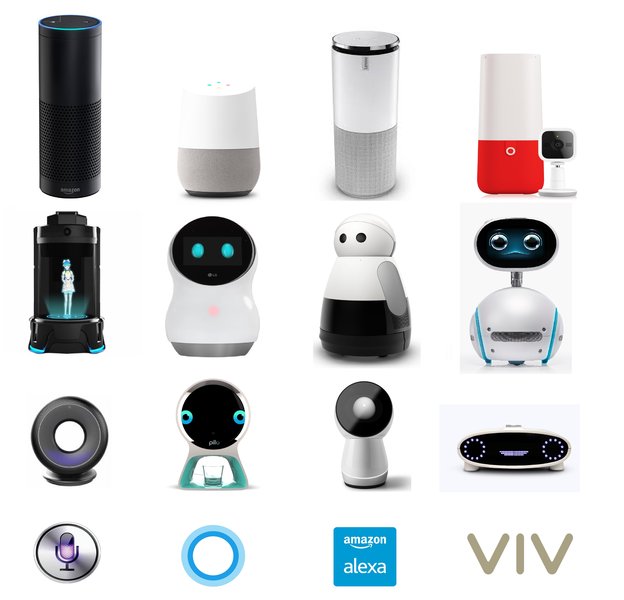
A visual representation of the interaction flow with a digital assistant, often powered by chatbot technology.
What is an AI Assistant? Intelligence at Your Service
Leveraging Artificial Intelligence for Task Completion
An AI assistant, also referred to as a digital assistant, is a software program that uses artificial intelligence to understand natural language commands and complete tasks. These assistants go beyond simple conversational abilities and are designed to perform a variety of actions based on user requests. They utilize NLP and machine learning to interpret queries, retrieve relevant information, and execute tasks across different applications and services.
AI assistants can perform tasks such as managing calendars, sending emails, setting reminders, making calls, ordering products, and providing information on a wide range of topics. They can operate through various interfaces, including text-based chat and voice commands. The goal of an AI assistant is to improve efficiency and productivity by automating routine tasks and providing quick access to information.
The distinction between an AI assistant and an AI-powered chatbot can sometimes be subtle, as there is an overlap in their underlying technology and conversational capabilities. However, AI assistants are typically designed with a broader scope of task completion in mind, acting more as a proactive helper that can integrate with various digital tools and services to perform actions on behalf of the user.
The development of AI assistants is a rapidly growing field, with advancements in AI, machine learning, and natural language processing continuously enhancing their capabilities. They are becoming increasingly integrated into personal devices and enterprise software, promising to further streamline workflows and provide more intelligent support.
Here is an image depicting a modern AI assistant device:
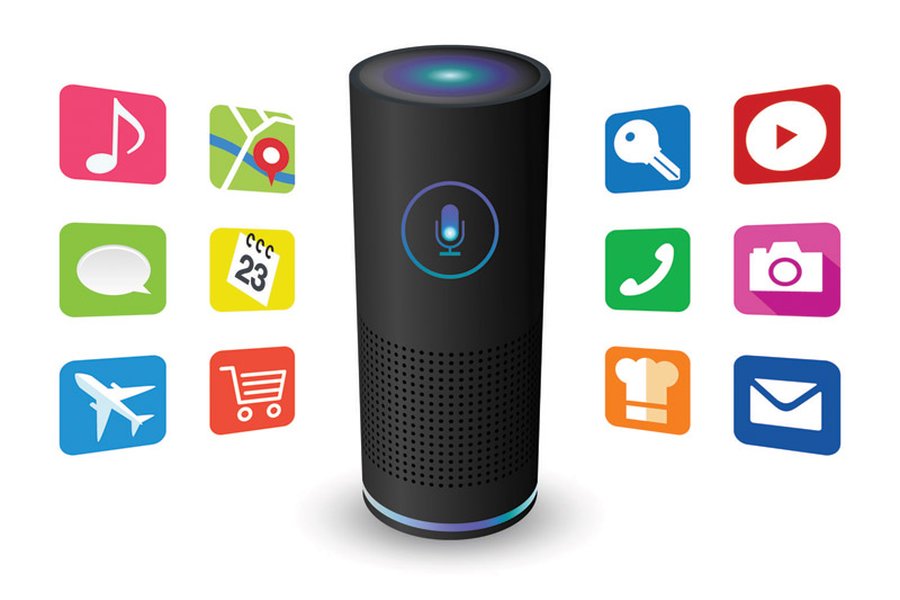
An example of a physical device that houses an AI assistant.
Comparing the Concepts: Virtual Assistant vs. Chatbot vs. AI Assistant
Highlighting the Key Differences and Similarities
While the terms "virtual assistant," "chatbot," and "AI assistant" are sometimes used interchangeably, particularly in casual conversation, they represent distinct concepts with varying levels of human involvement and technological sophistication. The primary differentiating factor lies in whether the "assistant" is a human professional or a software program, and the extent to which artificial intelligence is utilized.
The following table summarizes the key characteristics of each:
| Feature | Virtual Assistant | Chatbot | AI Assistant |
|---|---|---|---|
| Nature | Human (remote contractor) | Software program | Software program (AI-powered) |
| Primary Function | Administrative, technical, or creative support | Simulate conversation, information retrieval | Understand commands, complete tasks, provide information |
| Technology Focus | Utilizes standard office software and communication tools | Often uses NLP, may be rule-based or AI-powered | Utilizes AI (NLP, Machine Learning) for understanding and task execution |
| Task Complexity | Can handle a wide range of complex and varied tasks | Typically handles routine queries and predefined interactions | Can handle complex queries and integrate with other systems to perform actions |
| Flexibility | Highly flexible, adaptable to diverse client needs | Limited to programmed capabilities or training data | Adaptable and capable of learning, expanding capabilities over time |
Overlaps and Evolution
It's important to note that there are areas of overlap. An AI-powered chatbot could be considered a type of AI assistant focused on conversational interaction. Similarly, the tasks performed by a human virtual assistant, such as scheduling or email management, are increasingly being automated by AI assistants. The field is constantly evolving, with AI technology enabling software programs to take on more complex and varied roles previously exclusive to human assistants.
The trend is towards more sophisticated AI assistants that can understand context, learn from interactions, and proactively assist users, blurring the lines between conversational interfaces and task automation tools.
The Role of AI in Shaping Digital Assistance
Enabling More Intelligent and Responsive Interactions
Artificial intelligence is a transformative force in the realm of digital assistance. By enabling programs to understand natural language, learn from data, and make decisions, AI empowers chatbots and AI assistants to provide more effective and human-like interactions. Technologies like Natural Language Processing (NLP) allow these systems to comprehend the nuances of human language, moving beyond simple keyword recognition to understand the intent behind a user's request.
Machine learning further enhances these capabilities, allowing AI assistants to improve their performance over time. By analyzing large datasets of conversations and interactions, they can identify patterns, refine their understanding of user needs, and generate more accurate and helpful responses. This continuous learning process is crucial for the development of truly intelligent assistants.
The integration of AI also allows for greater personalization. AI assistants can learn user preferences, habits, and contexts to provide more tailored support. For example, an AI calendar assistant can learn your typical meeting lengths and travel times to suggest optimal scheduling options.
AI is not only improving the capabilities of digital assistants but also expanding the range of tasks they can perform. As AI models become more advanced, assistants are capable of handling more complex requests, from drafting emails and summarizing documents to analyzing data and even generating creative content. This is leading to the development of specialized AI assistants for various industries and functions.
Consider this video that discusses building a real-time AI assistant:
This video explores the technical aspects of creating a real-time AI assistant, highlighting the underlying technologies and potential applications.
The advancements in AI are driving the evolution of digital assistance from simple automated responses to sophisticated, intelligent partners that can significantly enhance productivity and efficiency for individuals and businesses alike.
The Future of Digital Assistance
Increasing Integration and Sophistication
The trajectory of digital assistance points towards greater integration and sophistication. We can expect AI assistants to become more seamlessly integrated into our daily lives and workflows, operating across various devices and platforms. The ability to understand and respond to both text and voice commands will become more refined, making interactions more natural and intuitive.
Specialized AI assistants tailored to specific industries and roles will likely become more common, offering deep domain expertise and automating tasks requiring specialized knowledge. Furthermore, the collaboration between human virtual assistants and AI assistants may increase, with AI handling routine tasks and providing information to empower human VAs to focus on more complex and high-value activities.
The ethical considerations surrounding AI assistants, such as data privacy and algorithmic bias, will also become increasingly important as their capabilities grow. Responsible development and deployment of these technologies will be crucial to ensure they benefit users and society as a whole.
Ultimately, the future of digital assistance is likely to involve a diverse ecosystem of tools and services, ranging from human-powered virtual assistants to highly advanced AI assistants, all working to support and enhance human capabilities in an increasingly complex digital landscape.

A conceptual image of a future AI assistant, highlighting potential forms and interactions.
Frequently Asked Questions
What is the main difference between a virtual assistant and a chatbot?
The main difference is that a virtual assistant is a human professional working remotely, while a chatbot is a software program designed to simulate conversation.
Do all chatbots use AI?
No, not all chatbots use AI. Some are rule-based and follow predefined scripts. AI chatbots, however, use technologies like NLP and machine learning to understand and respond more intelligently.
What kind of tasks can an AI assistant perform?
AI assistants can perform a variety of tasks, including managing schedules, sending emails, setting reminders, providing information, and integrating with other applications to perform actions.
How does AI improve the capabilities of digital assistants?
AI improves digital assistants by enabling them to understand natural language (NLP), learn from interactions (machine learning), and perform tasks more intelligently and autonomously.
Are virtual assistants being replaced by AI assistants?
While AI assistants can automate many tasks, human virtual assistants still offer advantages in areas requiring complex judgment, creativity, and nuanced communication. It's more likely that human and AI assistants will collaborate in the future.
References
 aws.amazon.com
Last updated April 30, 2025