
Unveiling the Molecular Quantity: Finding Moles in 2.87g of Silver Chloride
Bridging mass and molecular quantities through the fundamental concept of molar relationships
Key Insights
- The calculation yields exactly 0.02 moles of AgCl present in the 2.87g sample
- Relative formula mass (143.5 g/mol) represents the mass of one mole of silver chloride
- The mole concept bridges the gap between the microscopic world of atoms and the macroscopic world of measurable quantities
Understanding the Mole Concept
The mole is a fundamental unit in chemistry that allows scientists to count atoms and molecules by weighing them. One mole contains exactly 6.022 × 10²³ particles (Avogadro's number). For any substance, its molar mass (also called relative formula mass) tells us the mass of one mole of that substance in grams.
The Direct Calculation Method
To find the number of moles in a given mass of a substance, we use the formula:
Number of moles = Mass ÷ Molar mass
For our problem with silver chloride (AgCl):
- Given mass = 2.87 g
- Relative formula mass (molar mass) = 143.5 g/mol
Step-by-Step Calculation
Substituting these values into our formula:
Number of moles = 2.87 g ÷ 143.5 g/mol = 0.02 mol
Therefore, 2.87 g of silver chloride contains exactly 0.02 moles.
Breaking Down Silver Chloride
Silver chloride (AgCl) is an ionic compound consisting of silver cations (Ag⁺) and chloride anions (Cl⁻). Its relative formula mass of 143.5 g/mol can be derived by adding the relative atomic masses of its constituent elements:
- Relative atomic mass of silver (Ag) = 107.9 g/mol
- Relative atomic mass of chlorine (Cl) = 35.5 g/mol
- Total: 107.9 + 35.5 = 143.4 g/mol (rounded to 143.5)
Visualizing Mole-Mass Relationships
Comparison of Different Chemical Quantities
The radar chart below illustrates how different chemical quantities relate to each other, with a focus on silver chloride. It shows the relative importance and relationships between mass, volume, concentration, and particle count when working with chemical substances.
Conceptual Mind Map of Mole Relationships
This mind map illustrates how the mole concept connects different aspects of quantitative chemistry, showing how our calculation of 0.02 moles relates to other chemical concepts.
Practical Applications and Significance
Understanding how to calculate moles from mass is crucial in chemistry for several reasons:
Stoichiometric Calculations
Knowing that 2.87g of AgCl contains 0.02 moles allows chemists to predict exactly how much of each reactant is needed or how much product will form in chemical reactions involving silver chloride.
Example Reaction Application
In the precipitation reaction of silver nitrate with sodium chloride:
AgNO₃(aq) + NaCl(aq) → AgCl(s) + NaNO₃(aq)
If we have 0.02 moles of AgCl as the product, we know we need exactly 0.02 moles of AgNO₃ and 0.02 moles of NaCl as reactants.
Analytical Chemistry Applications
In gravimetric analysis, scientists might measure the mass of AgCl precipitate to determine the original amount of chloride ions in a sample. The mole calculation is essential for this quantitative analysis.
Chloride Determination in Water Samples
If 2.87g of AgCl precipitate forms after adding silver nitrate to a water sample, we can calculate that the sample contained 0.02 moles of chloride ions.
Comparative Conversion Table
This table shows the relationship between mass and moles for different samples of silver chloride, including our specific case of 2.87g:
| Mass of AgCl (g) | Number of Moles (mol) | Number of AgCl Formula Units | Mass of Ag (g) | Mass of Cl (g) |
|---|---|---|---|---|
| 1.435 | 0.01 | 6.022 × 10²² | 1.079 | 0.355 |
| 2.87 | 0.02 | 1.204 × 10²³ | 2.158 | 0.71 |
| 14.35 | 0.1 | 6.022 × 10²³ | 10.79 | 3.55 |
| 143.5 | 1.0 | 6.022 × 10²⁴ | 107.9 | 35.5 |
Visual Exploration of Silver Chloride
Silver chloride is a white crystalline solid that darkens when exposed to light. It has low solubility in water, which makes it useful in gravimetric analysis and photography. Below are visual representations of this important compound:
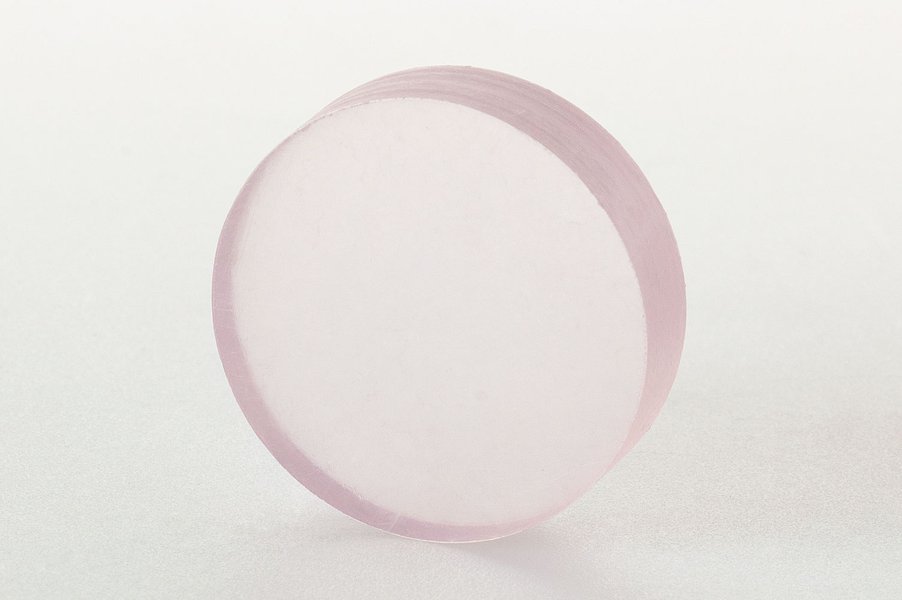
Silver chloride crystal structure showing ionic lattice arrangement
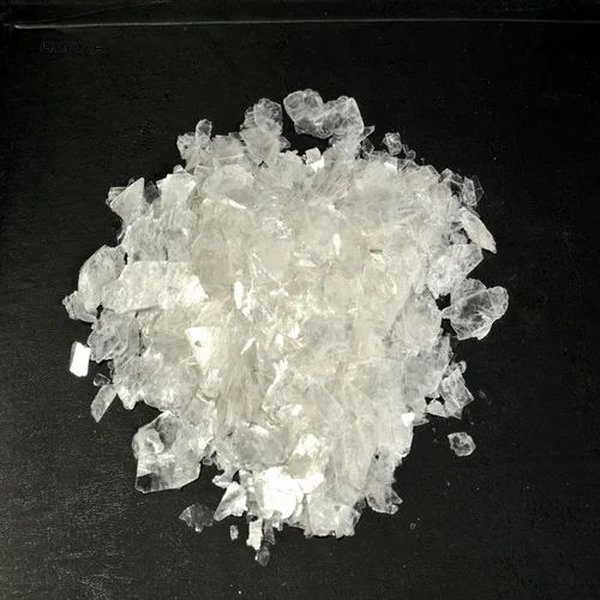
Reagent-grade silver chloride powder used in laboratory settings
Educational Video on Molar Calculations
This informative video explains the process of calculating molar mass for compounds like silver chloride, which is fundamental to our calculation:
The video demonstrates how to correctly identify chemical formulas and calculate molecular weights with proper units, essential skills for solving problems like ours.
Frequently Asked Questions
References
- Grams AgCl to Moles Conversion - ConvertUnits.com
- Molar Mass of AgCl - ConvertUnits.com
- Molecular Weight of Silver Chloride - WebQC
- Mole Calculator - Omni Calculator
-
The Mole Concept - ChemGuide
-
Relative Molecular Mass - Encyclopedia Britannica
Related Queries
Last updated April 4, 2025