
Unlock Morocco's Spring Magic: Your Ultimate City & Planning Guide for 2025!
Discover enchanting cities and craft the perfect itinerary for an unforgettable Moroccan adventure this spring.
Trip Highlights: Your Moroccan Spring Snapshot
- Perfect Timing: Spring (March-May) offers pleasant temperatures, blooming landscapes, and fewer crowds, ideal for exploring Morocco's diverse offerings.
- Iconic Cities: Immerse yourself in the vibrant culture of Marrakech, Fes, and the blue-hued Chefchaouen, each offering unique historical and sensory experiences.
- Coastal & Desert Contrasts: Experience the refreshing Atlantic breeze in Essaouira or consider an optional journey to Merzouga for a taste of the Sahara Desert's beauty.
Morocco in spring is a symphony of vibrant colors, pleasant weather, and captivating experiences. As the landscapes burst into bloom and the sun casts a warm, inviting glow, there's no better time to explore this North African jewel. This guide will walk you through the most alluring cities to visit and help you plan an unforgettable journey for spring 2025.
Enchanting Cities: Where to Explore in Morocco This Spring
Morocco boasts a captivating array of cities, each with its own distinct personality and charm. Here are some of the top destinations that come alive in the spring:
Marrakech: The Vibrant Red City
Known as the "Red City" for its iconic terracotta-hued buildings, Marrakech is an intoxicating blend of history, culture, and energy. Spring's mild climate is perfect for navigating its labyrinthine souks, brimming with spices, textiles, and handcrafted treasures. Key attractions include:
- Djemaa el-Fna Square: The heart of Marrakech, transforming into a vibrant open-air theater at night with storytellers, musicians, and food stalls.
- Koutoubia Mosque: An architectural marvel and the city's most famous landmark.
- Bahia Palace: A stunning example of Moroccan architecture and craftsmanship.
- Jardin Majorelle: A tranquil oasis of cobalt blue and exotic plants, once owned by Yves Saint Laurent.
- Saadian Tombs: Ornate mausoleums dating back to the 16th century.
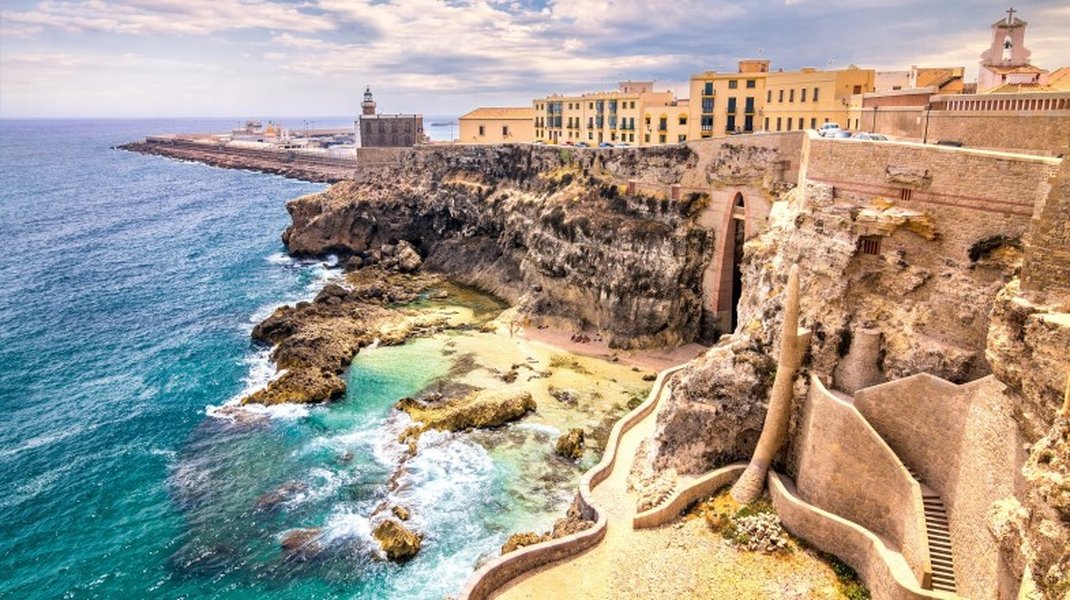
The lively Djemaa el-Fna Square in Marrakech.
Fes: The Ancient Cultural Capital
Step back in time in Fes, one of Morocco's oldest imperial cities and home to a UNESCO World Heritage-listed medieval medina. Fes el-Bali, the old medina, is a sprawling maze of narrow alleyways, bustling souks, and historic sites. Spring offers comfortable temperatures for exploring:
- Al-Quaraouiyine University: Recognized as the world's oldest continuously operating university.
- Bou Inania Madrasa & Al-Attarine Madrasa: Exquisite examples of Marinid architecture.
- Chouara Tannery: Famous for its traditional leather-making processes (best viewed from a terrace).
- Artisan Workshops: Discover traditional crafts like pottery, metalwork, and zellij tilework.
Chefchaouen: The Blue Pearl of the Rif Mountains
Nestled in the scenic Rif Mountains, Chefchaouen is renowned for its enchanting blue-washed buildings. This picturesque town offers a tranquil escape with a relaxed atmosphere. Spring brings clear skies, perfect for:
- Wandering the Medina: Get lost in its charming, azure alleys and discover unique handicrafts.
- Hiking: Explore the surrounding hills for breathtaking views of the town and landscape.
- Kasbah Museum: Located in the heart of the medina, offering insights into the region's history.
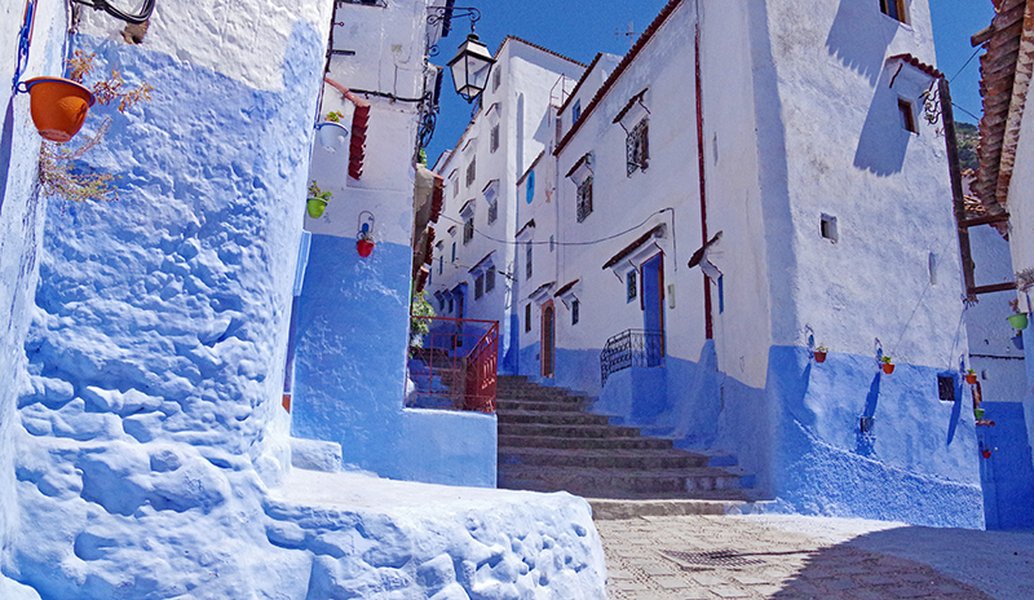
The distinctive blue-washed buildings of Chefchaouen.
Essaouira: The Windswept Coastal Gem
This charming port city on the Atlantic coast offers a refreshing contrast to the bustling inland cities. Essaouira is known for its laid-back vibe, historic ramparts, beautiful beaches, and vibrant arts scene. Spring provides pleasant breezes, ideal for:
- Skala de la Ville: Historic ramparts offering stunning ocean views.
- Medina: A UNESCO World Heritage site, easier to navigate than those in larger cities.
- Fishing Port: Witness the daily catch and enjoy fresh seafood.
- Water Sports: Popular for windsurfing and kitesurfing due to its consistent winds.
Rabat: The Elegant Capital
Morocco's political capital, Rabat, offers a blend of historical significance and modern sophistication. It's a more relaxed city with well-maintained sites and a beautiful coastline. Highlights include:
- Kasbah of the Udayas: A picturesque ancient fortress with narrow streets and stunning ocean views.
- Hassan Tower: The incomplete minaret of a grand mosque, started in the 12th century.
- Mausoleum of Mohammed V: An impressive example of modern Alaouite dynasty architecture.
- Chellah Necropolis: Ancient Roman ruins and a medieval Islamic necropolis.
Casablanca: The Modern Metropolis
As Morocco's largest city and economic hub, Casablanca offers a glimpse into modern Moroccan life. While often an entry point, it has notable attractions:
- Hassan II Mosque: One of the largest and most breathtaking mosques in the world, partly built over the Atlantic Ocean.
- Art Deco Architecture: Explore the city center for examples of French colonial-era buildings.
- Corniche: A scenic coastal promenade lined with restaurants and cafes.
Other Noteworthy Destinations
- Tangier: A historic port city at the crossroads of Europe and Africa, offering a unique blend of cultures.
- Meknes: A former imperial city with impressive historical sites, including a vast medina and the grand Bab Mansour gate.
- Agadir: A popular seaside resort known for its long sandy beach and relaxed atmosphere, rebuilt after a 1960 earthquake.
- Merzouga: The gateway to the Sahara Desert, offering unforgettable experiences like camel treks and nights under the stars in Erg Chebbi dunes. Spring offers milder temperatures for desert excursions.
Conceptualizing Your Moroccan Spring Adventure
To help you visualize the key elements of planning your spring trip to Morocco, here is a mindmap that outlines the main considerations and attractions:
This mindmap provides a quick overview of what makes a spring trip to Morocco special, highlighting essential destinations and planning aspects to consider for a well-rounded experience.
Planning Your Spring 2025 Moroccan Adventure
While May 12, 2025, means spring is well underway, there's still time to experience its magic, or plan meticulously for next year. Here’s how to make the most of it:
Why Spring is Ideal
Spring (March to May) is consistently lauded as one of the best times to visit Morocco for several reasons:
- Comfortable Temperatures: Days are generally warm but not excessively hot, typically ranging from 15-25°C (59-77°F) in early spring and rising to 20-30°C (68-86°F) by May. This makes exploring cities and engaging in outdoor activities very pleasant.
- Lush Landscapes: The countryside, particularly in the Atlas Mountains and valleys, is vibrant with blooming wildflowers and greenery.
- Fewer Tourists: Compared to the peak summer months, spring sees relatively fewer crowds, allowing for a more relaxed and authentic experience.
- Cultural Events: Various local festivals and cultural events often take place during this season.
Suggested 10-14 Day Itinerary for Spring
This itinerary balances cultural immersion, historical exploration, and natural beauty:
Days 1-3: Marrakech Immersion
- Arrive in Marrakech. Explore Djemaa el-Fna, Koutoubia Mosque, Bahia Palace, and Saadian Tombs.
- Wander through the souks. Visit Jardin Majorelle and the Yves Saint Laurent Museum.
- Optional: Consider a cooking class or a traditional hammam experience.
Days 4-5: Coastal Charms of Essaouira
- Travel to Essaouira (approx. 2.5-3 hours from Marrakech).
- Explore the medina, walk along the ramparts, visit the fishing port, and enjoy the beach.
- Savor fresh seafood and soak in the town's artistic, laid-back atmosphere.
Days 6-7: Ancient Wonders of Fes
- Travel to Fes (can be a longer journey by train or private transfer, consider a flight or overnight stop if preferred).
- Dedicate two full days to exploring the vast Fes el-Bali medina, visiting Al-Quaraouiyine University, madrasas, and the tanneries.
- Experience traditional Moroccan cuisine in a local riad.
Day 8: The Blue Hues of Chefchaouen
- Travel north to Chefchaouen (approx. 4 hours from Fes).
- Wander through its iconic blue streets, relax in charming cafes, and shop for local crafts.
- Optional: Hike in the nearby Rif Mountains for scenic views.
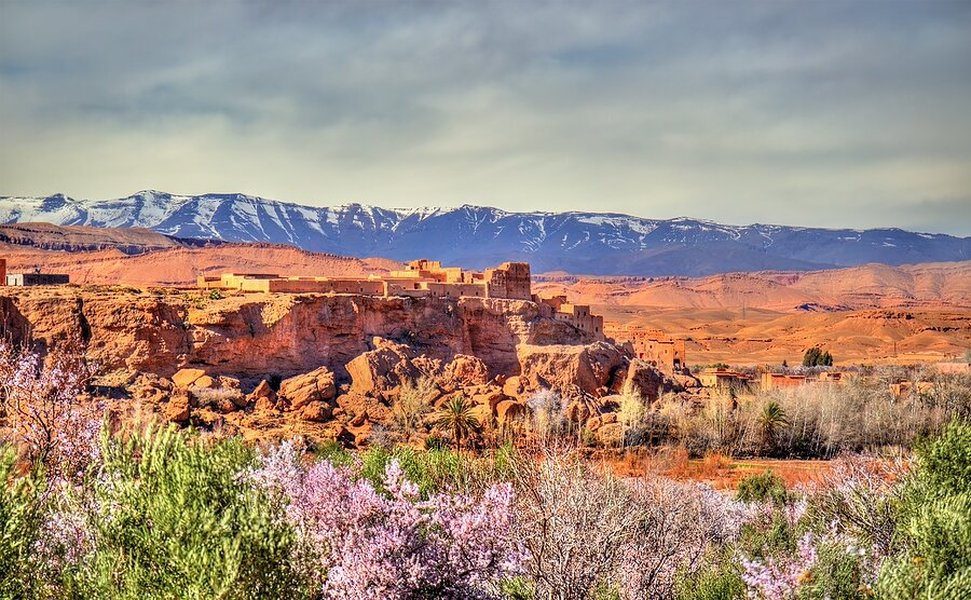
Explore the diverse landscapes Morocco offers, from ancient kasbahs to verdant valleys, especially beautiful in spring.
Days 9-10: Capital Exploration - Rabat & Casablanca
- Travel towards the coast to Rabat. Explore the Kasbah of the Udayas, Hassan Tower, and Mohammed V Mausoleum.
- Continue to Casablanca. Visit the magnificent Hassan II Mosque and perhaps Rick's Cafe for a touch of nostalgia.
- Prepare for departure from Casablanca, or extend your trip.
Optional Extension (Days 11-14): Sahara Desert Adventure (Merzouga)
- From Fes or Marrakech, embark on a 3-day guided tour to Merzouga.
- Experience a camel trek into the Erg Chebbi dunes, witness spectacular desert sunsets and sunrises, and spend a night in a traditional desert camp under the stars.
Packing Essentials for Spring in Morocco
- Layered Clothing: Temperatures can vary between day and night, and across different regions. Pack lightweight shirts, t-shirts, long-sleeved tops, and comfortable trousers or long skirts.
- Light Jacket or Fleece: Essential for cooler evenings, especially in mountainous areas or the desert.
- Comfortable Walking Shoes: You'll be doing a lot of walking, especially in the medinas.
- Sun Protection: Sunglasses, sunscreen, and a wide-brimmed hat are crucial.
- Modest Attire: When visiting religious sites or more conservative areas, it's respectful to cover shoulders and knees. A scarf can be versatile.
- Reusable Water Bottle: Stay hydrated, especially when exploring.
Transportation & Accommodation Insights
- Transportation: Morocco has a decent network of trains (ONCF) connecting major cities like Marrakech, Fes, Rabat, and Casablanca. Buses (CTM and Supratours are reputable) cover more extensive routes. Petits taxis (city) and grands taxis (intercity/shared) are also common. For maximum flexibility, consider hiring a private driver or renting a car (be mindful of local driving conditions).
- Accommodation: Morocco offers a wide range of options. Staying in a traditional Riad (a guesthouse with an interior courtyard) within the medinas offers an authentic and often beautiful experience. Hotels are available in all categories. Book accommodations in advance, especially during the popular spring season.
Embracing Moroccan Culture
- Cuisine: Don't miss trying iconic Moroccan dishes like Tagine (slow-cooked stew), Couscous (often served on Fridays), Pastilla (savory pie), and Harira (hearty soup). Mint tea is a staple of Moroccan hospitality.
- Language: Arabic (Darija dialect) and Berber are the main languages. French is widely spoken, especially in tourism. English is increasingly common in tourist areas.
- Bargaining: Haggling is expected in souks. Approach it with a friendly attitude.
- Respect: Dress modestly, especially when outside major tourist zones. Ask for permission before photographing people.
Comparing Key Moroccan Cities: A Snapshot
To help you decide which cities best match your interests, the following radar chart provides a visual comparison based on several key travel aspects. These are subjective assessments based on common traveler experiences:
This chart illustrates how cities like Fes score high on historical significance, while Marrakech excels in cultural vibrancy. Chefchaouen and Essaouira offer more relaxation and distinct scenic beauty. Rabat presents a balanced profile with good ease of navigation.
At a Glance: Top Moroccan Cities for Your Spring Itinerary
To further assist your planning, here's a table summarizing the key features of some of Morocco's most popular cities for a spring visit:
| City | Key Attractions | Best For | Spring Vibe |
|---|---|---|---|
| Marrakech | Djemaa el-Fna, Koutoubia Mosque, souks, Jardin Majorelle, Bahia Palace | Culture, History, Vibrant Atmosphere, Shopping | Energetic, bustling, pleasantly warm |
| Fes | Ancient Medina (Fes el-Bali), Al-Quaraouiyine University, Tanneries, Madrasas | Deep Cultural Immersion, History, Traditional Crafts | Intriguing, historic, comfortable for exploration |
| Chefchaouen | Blue-washed Medina, Rif Mountains, Kasbah Museum | Photography, Relaxation, Hiking, Scenic Beauty | Tranquil, picturesque, clear skies |
| Essaouira | Coastal Ramparts, Medina, Fishing Port, Beaches | Coastal Relaxation, Arts Scene, Water Sports, Fresh Seafood | Breezy, laid-back, artistic |
| Rabat | Kasbah of the Udayas, Hassan Tower, Mausoleum of Mohammed V, Chellah | History, Elegant Architecture, Coastal Walks, Less Crowded | Sophisticated, calm, pleasant coastal weather |
| Casablanca | Hassan II Mosque, Art Deco District, Corniche | Modern Morocco, Architectural Marvels | Cosmopolitan, bustling, mild |
| Merzouga | Erg Chebbi Dunes, Camel Treks, Desert Camping | Adventure, Unique Landscapes, Stargazing | Mild desert days, cool nights |
Visual Journey: Planning Your Moroccan Escape
For a comprehensive overview of planning a trip to Morocco and discovering its best destinations, the following video offers valuable insights and visual inspiration for your 2025 adventure:
This guide provides a fantastic visual complement to your planning, showcasing some of the beautiful locations and experiences Morocco has to offer, which are particularly enjoyable in the spring.
Frequently Asked Questions (FAQ)
What is the weather typically like in Morocco during spring (March-May)? ▼
Spring in Morocco is generally characterized by mild and pleasant weather. Temperatures typically range from 15-25°C (59-77°F) in March and can rise to 20-30°C (68-86°F) by May. Coastal areas like Essaouira might be breezier and cooler, while inland cities like Marrakech and Fes will be warmer. Evenings can still be cool, so layering is recommended. Occasional spring showers are possible but usually don't last long.
Is spring a good time to visit the Sahara Desert? ▼
Yes, spring is an excellent time to visit the Sahara Desert regions like Merzouga. The daytime temperatures are warm but usually not as scorching as in the summer months, making activities like camel trekking more comfortable. Nights in the desert can still be quite cool, so be sure to pack warm layers for overnight stays in desert camps.
What kind of clothing should I pack for a spring trip to Morocco? ▼
Pack layers. Lightweight and breathable clothing (cotton, linen) is ideal for daytime. Include t-shirts, long-sleeved shirts, comfortable trousers or long skirts. A light to medium jacket or fleece is essential for cooler evenings and early mornings, especially in the mountains or desert. Comfortable walking shoes are a must. Also, pack sun protection (hat, sunglasses, sunscreen) and consider bringing a scarf, which is versatile for sun protection and for modestly covering shoulders when visiting religious sites.
What is the best way to travel between cities in Morocco? ▼
Morocco has several options. Trains (ONCF) are comfortable and efficient for connecting major cities like Casablanca, Rabat, Fes, and Marrakech. For routes not covered by trains, reputable bus companies like CTM and Supratours offer extensive networks. Grands taxis (shared long-distance taxis) are another option for intercity travel. For more flexibility, especially if visiting remote areas, you can hire a private driver or rent a car, though navigating and parking in medinas can be challenging.
Recommended Further Exploration
Delve deeper into specific aspects of your Moroccan adventure with these related queries:
- What are the essential experiences when exploring the ancient medina of Fes?
- What are the most rewarding day trips from Marrakech into the Atlas Mountains during springtime?
- How can I best experience a traditional Moroccan hammam and what should I look for in a Riad stay?
- What are the must-try dishes and most vibrant food markets for a culinary journey through Morocco?
References
This information was synthesized from various travel resources, including:
Last updated May 12, 2025