
Unlock Maximum Space: The Ultimate Guide to Efficient Suitcase Packing
Transform your packing chaos into organized bliss with proven techniques for saving space and minimizing stress on your next trip.
Essential Packing Highlights
- Master Packing Methods: Combine rolling, folding, and bundling techniques based on fabric type to maximize space and minimize wrinkles.
- Embrace Organization Tools: Utilize packing cubes and compression bags to compartmentalize, compress, and keep items tidy.
- Pack Strategically: Layer items intelligently, placing heavier objects near the wheels and filling empty spaces like shoes.
The Foundation: Planning Your Pack
Why Smart Preparation is Key
Efficient packing starts long before you place the first item in your suitcase. Thoughtful planning prevents overpacking, ensures you have essentials, and makes the entire travel experience smoother. Rushing often leads to forgetting crucial items or packing unnecessary bulk.
Choose the Right Luggage
Select a suitcase appropriate for your trip's length and type. Opting for the largest bag isn't always best, as it encourages filling it with non-essentials. A lightweight yet durable suitcase helps you stay within airline weight limits and is easier to handle.
Create a Detailed Packing List
Avoid last-minute scrambles and forgotten items by making a comprehensive packing list. Consider your destination's weather, planned activities, and trip duration. Review the list critically and remove anything non-essential. A physical or digital checklist ensures nothing vital is left behind.
Curate a Capsule Wardrobe
Select versatile clothing items that can be mixed and matched to create multiple outfits from fewer pieces. Focus on neutral colors and pieces that can be layered. For example, a few tops, bottoms, and one or two outer layers can form the basis for many different looks, significantly reducing the volume of clothing needed.
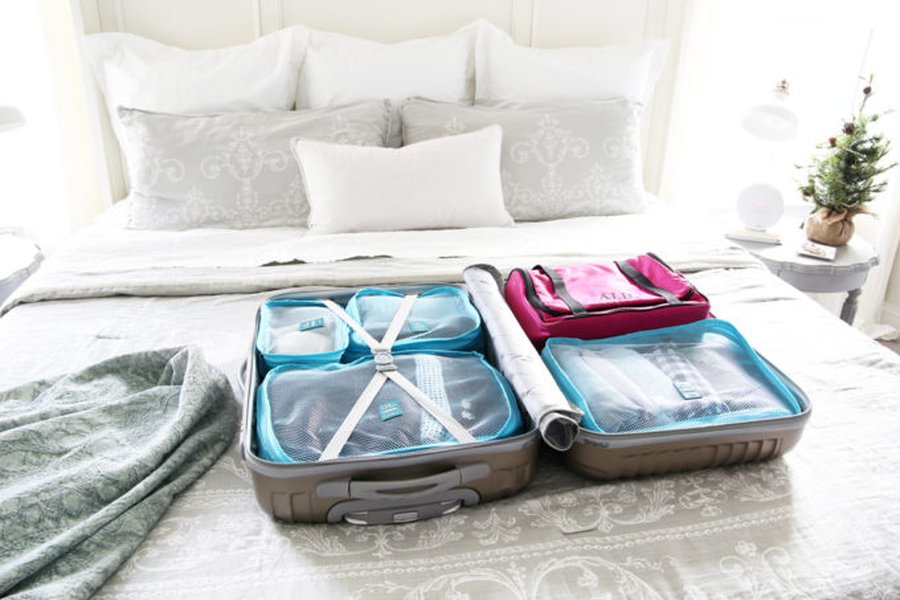
An example of a well-organized suitcase utilizing compartments and packing cubes.
Mastering Packing Techniques
Rolling, Folding, Bundling: Finding Your Method
Different clothing items benefit from different packing techniques. Combining methods often yields the best results for space optimization and wrinkle prevention.
The Rolling Method
Widely acclaimed for saving space and reducing wrinkles in softer fabrics, rolling is ideal for items like t-shirts, knitwear, casual pants, pajamas, and underwear. Lay the garment flat, fold any sleeves inward, and roll tightly from the bottom up into a compact cylinder. Place these rolls side-by-side or stacked vertically in your suitcase. This method is less suitable for stiff or easily creased formalwear.
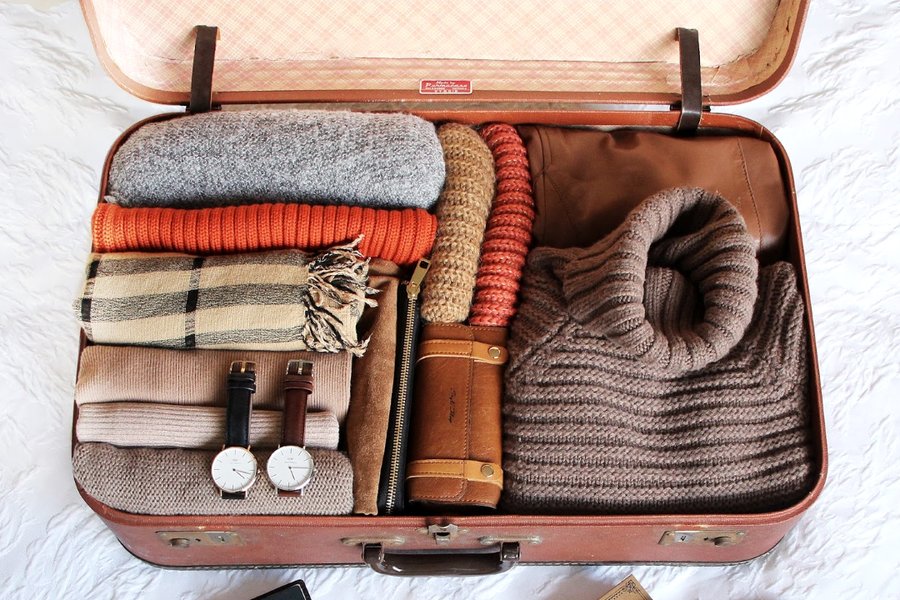
Rolling clothes can significantly save space, especially for softer garments.
The Folding Method
For stiffer garments like blazers, dress shirts, and structured trousers, folding is often preferred. Fold items along their natural seams to minimize sharp creases. You can stack folded items traditionally or place them vertically (like files in a drawer) for easier visibility and access without disturbing other clothes. This method works well for items you want to keep flatter.
The Bundle Packing Method
This technique involves wrapping clothes around a central core object (like a small pouch or folded shirts). Start with smaller, less wrinkle-prone items in the center, then wrap larger items like sweaters, pants, or jackets around this core, layer by layer. The idea is that the gentle curves prevent sharp creases. It can be effective for keeping outfits together but requires careful wrapping and can make accessing individual items more difficult.
The Hybrid Approach
Most travelers find combining methods works best. Roll your casual wear and underwear, fold your structured items and trousers, and potentially use bundling for delicate outfits. Use packing cubes to group items packed with the same method or by clothing type.
Organization is Power: Using Packing Aids
Packing Cubes, Compression Bags, and More
Tools designed for packing can revolutionize how you organize your suitcase, making it easier to find items and often saving considerable space.
Packing Cubes
These zippered fabric containers are game-changers for organization. Group similar items together (e.g., all tops in one cube, bottoms in another, underwear in a third) or pack outfits for specific days in individual cubes. They help compartmentalize your suitcase, make items easily accessible without disrupting everything else, and offer some compression. Using different colored cubes can be helpful, especially when sharing luggage.

Packing cubes and organizers help compartmentalize and compress items within your luggage.
Compression Bags
For bulky items like winter jackets, sweaters, or ski gear, compression bags (either vacuum-sealed or manual roll-up versions) can dramatically reduce volume by removing excess air. Be mindful, however, that while they save space, they don't reduce weight, and highly compressed bags can make your suitcase very dense and potentially overweight.
Toiletry Bags and Small Pouches
Use dedicated bags for toiletries (preferably leak-proof), electronics, chargers, medications, and other small accessories. This prevents spills, keeps small items from getting lost, and makes finding them much easier.
Strategic Placement: Putting It All Together
Layering and Filling Every Nook
How you arrange items within the suitcase is just as important as how you fold or roll them. Strategic placement ensures stability, protects delicate items, and maximizes usable space.
Layering Logic
Pack in layers. Start with heavier, bulkier items at the bottom of the suitcase, particularly near the wheel end. This helps with stability and prevents the suitcase from tipping over. Place shoes, toiletry bags (if heavy), and books here. Follow with rolled or folded clothing layers. Put items you might need quick access to (like a jacket or first-day essentials) near the top.
Shoes and Awkward Items
Shoes take up significant space. Wear your bulkiest pair while traveling. For packed shoes, stuff them with small items like socks, underwear, chargers, or belts to utilize the internal space. Place shoes in shoe bags, shower caps, or plastic bags to keep surrounding clothes clean. Arrange them along the sides or at the bottom of the suitcase.
Fill the Gaps
Once the main items are in place, look for empty spaces and crevices. Tuck small, flexible items like socks, belts (coiled or laid along the edges), scarves, or small electronic accessories into these gaps. Every inch counts!
Handle Toiletries with Care
Ensure all liquids are securely sealed, preferably within a waterproof bag. Use travel-sized containers whenever possible, or consider solid alternatives (shampoo bars, solid toothpaste). Comply with airline liquid restrictions (like the 3-1-1 rule for carry-ons: containers 3.4oz/100ml or less, in a 1-quart clear bag).
Comparing Packing Methods: A Visual Analysis
Which Technique Suits Your Needs Best?
Choosing the right packing technique depends on your priorities – saving space, minimizing wrinkles, ease of access, or speed. This radar chart compares popular methods across key factors. Note that these are generalized assessments; effectiveness can vary based on specific garment types and individual skill.
As the chart suggests, Packing Cubes generally enhance organization and accessibility regardless of the primary method used (Rolling, Folding). Rolling excels in space efficiency for many items, while Folding might be better for wrinkle-prone formalwear. Bundle Packing offers good wrinkle reduction but can compromise accessibility.
Visualizing the Packing Process
A Mindmap Overview
This mindmap provides a visual summary of the key elements involved in packing a suitcase efficiently, from initial planning to final checks.
(Size, Weight)"] id1b["Make Packing List
(Weather, Activities)"] id1c["Curate Capsule Wardrobe
(Mix & Match)"] id2["2. Packing Techniques"] id2a["Rolling Method
(T-shirts, Casuals)
+ Space Saving
- Not for Stiff Fabrics"] id2b["Folding Method
(Shirts, Blazers, Pants)
+ Reduces Creases (Stiff)
- Less Space Efficient"] id2c["Bundle Packing
(Outfits, Delicates)
+ Wrinkle Prevention
- Access Difficulty"] id2d["Hybrid Approach
(Combine Methods)"] id3["3. Organization Tools"] id3a["Packing Cubes
(Compartmentalize, Compress)"] id3b["Compression Bags
(Bulky Items)"] id3c["Toiletry Bags
(Leak-proof)"] id3d["Small Pouches
(Cables, Accessories)"] id4["4. Strategic Placement"] id4a["Layering
(Heavy at Bottom/Wheels)"] id4b["Fill Shoes
(Socks, Small Items)"] id4c["Utilize Gaps
(Corners, Edges)"] id4d["Protect Fragiles
(Wrap in Clothes)"] id4e["Liquids Rule (Carry-on)
(3-1-1)"] id5["5. Final Steps"] id5a["Wear Bulky Items"] id5b["Review & Edit Contents"] id5c["Weigh Suitcase"] id5d["Check Airline Policy"]
Using this structured approach helps ensure all aspects of efficient packing are considered.
Packing Techniques Compared
Choosing Between Rolling, Folding, and Bundling
Understanding the pros and cons of each primary packing method helps you decide which technique(s) to use for different items in your suitcase.
| Method | Best For | Pros | Cons |
|---|---|---|---|
| Rolling | T-shirts, jeans, casual pants, knitwear, socks, underwear, soft fabrics | Maximizes space; reduces some types of wrinkles; items can be packed tightly | Can cause wrinkles in stiff/formal fabrics; tightly rolled items can be hard |
| Folding | Dress shirts, blazers, structured trousers, items prone to creasing, stiffer fabrics | Minimizes sharp creases if done carefully; allows for neat stacking; easier access for some layouts (e.g., vertical filing) | Generally less space-efficient than rolling; can create fold lines |
| Bundle Packing | Keeping outfits together; delicate items; minimizing creases across multiple garments | Excellent wrinkle prevention due to lack of sharp folds; keeps items relatively secure | Can be time-consuming; accessing one item requires unwrapping the bundle; less space-efficient than rolling |
Packing Tips from the Pros: Video Guide
Visualizing Space Maximization
Watching experienced travelers pack can provide valuable insights. This video demonstrates several techniques focused on maximizing space, particularly for carry-on luggage, incorporating tips like using packing cubes and strategic placement.
The video highlights practical application of methods like rolling and using packing cubes effectively, reinforcing the strategies discussed above to help you pack more efficiently for your next trip.
Final Checks and Considerations
Before You Zip Up
- Wear Bulky Items: Don your heaviest shoes and jacket/coat for the journey to save precious suitcase space and weight.
- Review and Edit: Lay out everything you intend to pack. Reconsider each item – do you really need it? Remove duplicates or "just in case" items you can likely live without.
- Weigh Your Luggage: Avoid hefty airline fees by weighing your packed suitcase before leaving home. Ensure it complies with your airline's restrictions for both checked and carry-on baggage.
- Carry-On Essentials: Pack medications, important documents, valuables, basic toiletries, and perhaps a change of clothes in your carry-on, just in case your checked luggage is delayed or lost. Remember the 3-1-1 liquids rule for carry-ons.
Frequently Asked Packing Questions
What is the single most effective packing method?
There isn't one single "best" method, as the ideal technique depends on the type of clothing and your priorities (space vs. wrinkle prevention). However, combining rolling for casual/soft items with folding for structured/formal wear, all organized within packing cubes, is often considered the most effective overall strategy for maximizing space and organization.
Do packing cubes really save space?
Yes, packing cubes save space primarily through compression and organization. By grouping items tightly within a cube, you can often fit more into a defined space than if the items were loose. They also prevent items from shifting and expanding during transit. Their main benefit, however, is organization, which indirectly helps utilize space more efficiently by creating neat, stackable blocks within your luggage.
How can I minimize wrinkles when packing?
To minimize wrinkles:
- Choose wrinkle-resistant fabrics when possible.
- Use the appropriate packing method: Roll softer items, fold stiffer items carefully along seams.
- Consider bundle packing for delicate garments.
- Don't overstuff your suitcase, as excessive pressure causes creases.
- Place tissue paper between layers of folded delicate items.
- Unpack and hang clothes as soon as possible upon arrival.
How should I pack shoes efficiently?
Wear your bulkiest pair during travel. For packed shoes, place them heel-to-toe at the bottom or sides of the suitcase. Always put them in shoe bags, shower caps, or plastic bags to keep clothes clean. Crucially, stuff shoes with socks, underwear, belts, chargers, or other small items to utilize the empty space inside them.
Recommended Reads
Explore Related Topics
- What are the best packing cubes specifically designed for carry-on luggage dimensions?
- How do I create a versatile travel capsule wardrobe for a 10-day trip?
- What are the essential tips for packing liquids and toiletries to avoid spills and comply with TSA rules?
- How do different types of luggage (hard-shell, soft-side, duffel) affect packing efficiency?
References
Sources Used
Last updated May 5, 2025