
How to Pack a Suitcase Efficiently
Master the art of efficient packing for stress-free travel
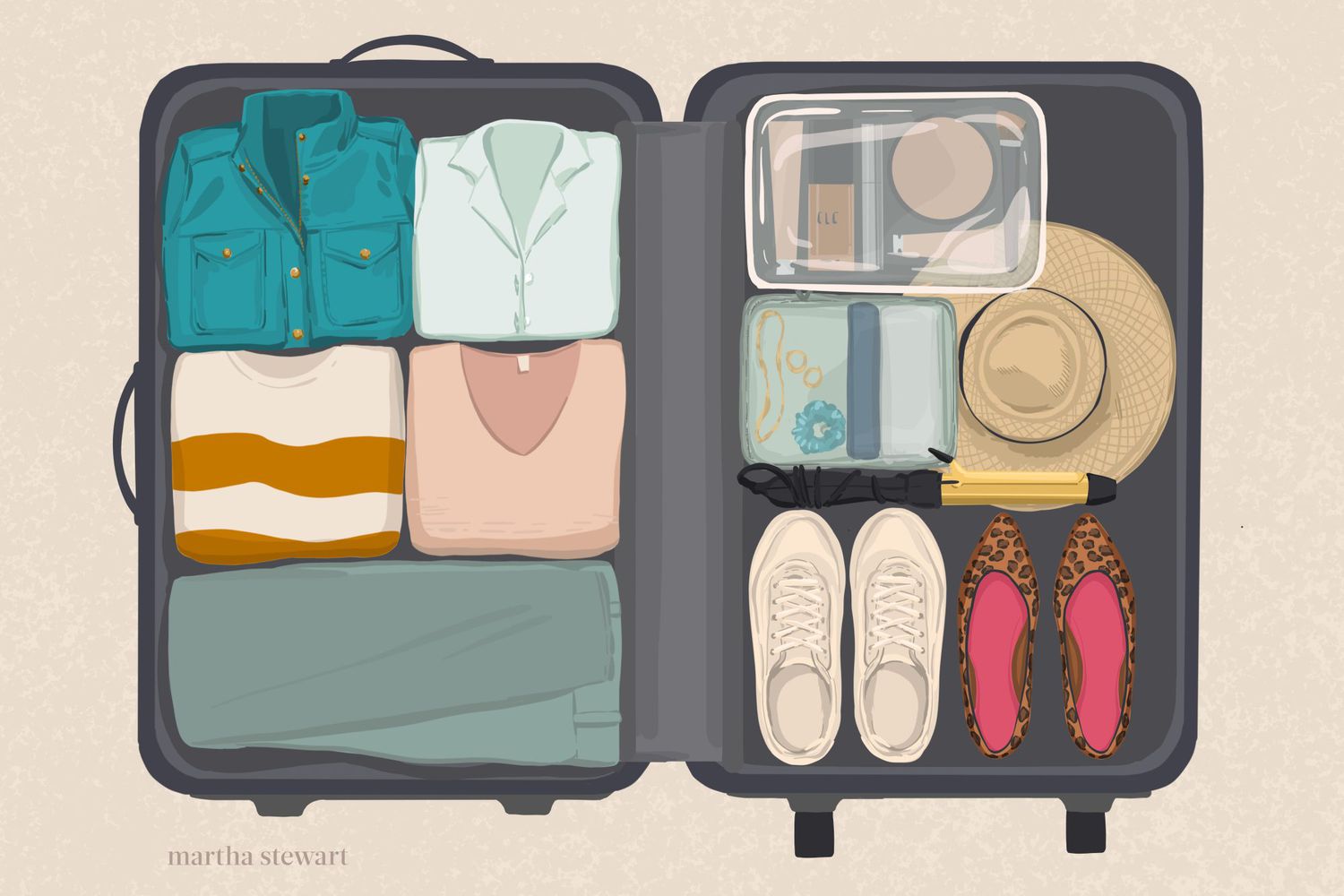
Highlights
- Plan and Organize: Create a comprehensive packing list and choose versatile clothing items to minimize overpacking.
- Utilize Smart Techniques: Employ methods like rolling, packing cubes, and compression bags to maximize space and reduce wrinkles.
- Strategic Placement: Arrange your luggage methodically by placing heavier items at the base and keeping frequently used items accessible.
Introduction
Packing efficiently is essential to ensure a smooth travel experience. A well-packed suitcase not only saves space and reduces stress but also minimizes the chance of forgetting essential items. In this guide, we explore detailed strategies that integrate planning, smart packing techniques, and strategic organization. By employing these methods, you can make the most of your available space, keep items organized, and reduce wrinkles in your clothing. Whether you're an occasional traveler or a seasoned globetrotter, these insights will help streamline your packing process and enhance your overall travel experience.
Pre-Packing Strategies
Planning and Creating a Packing List
The foundation of efficient packing is thorough planning. Before you even open your suitcase, list out all the items you think you will need. Creating a packing list prevents overpacking and ensures you do not forget any essentials. Consider using digital packing list tools or apps to tailor your list according to the weather, destination-specific needs, and planned activities. A well-thought-out list not only keeps you organized but also identifies items that can serve multiple purposes, thus reducing overall load.
Selecting the Right Luggage
Your choice of luggage is crucial. Ensure that your suitcase meets the size, weight, and compartment requirements dictated by your airline or mode of travel. Not only does proper-sized luggage help you avoid extra fees at the airport, but it also provides the necessary compartments and structure needed for organized packing. Opt for suitcases that come equipped with built-in compression features or multiple compartments, as these can assist in separating different categories of items such as clothing, toiletries, and accessories.
Effective Packing Techniques
Maximizing Space with Rolling and Folding
One of the most popular methods for efficient packing is the rolling technique. Rolling clothes helps save space and protects garments from developing deep creases that come with traditional folding. Clothes such as t-shirts, jeans, and cotton pants work particularly well when rolled tightly. For garments that are prone to wrinkling, such as formal shirts or delicate dresses, consider traditional folding or employing the wrapping technique.
In some cases, a combination of rolling and folding may be most effective. For instance, roll softer materials while folding structured clothing. This hybrid approach ensures both space conservation and appearance preservation, making it ideal for trips that include business meetings or formal engagements.
Harnessing the Power of Packing Cubes
Packing cubes are an invaluable tool when it comes to organizing your suitcase. By using packing cubes, you can separate your clothing by category, outfit, or function, making it easier to locate items once you reach your destination. Packing cubes not only organize your belongings but also help compress items slightly, maximizing the overall use of space.
An added benefit of packing cubes is the ability to designate a specific cube for dirty laundry. This simple organizational shift greatly simplifies your post-trip unload and cleanup.
Utilizing Compression Bags
Compression bags, or vacuum-seal bags, are an excellent option for reducing the bulk of soft, puffy items like jackets and sweaters. By removing excess air, these bags can significantly reduce the volume of bulky items, allowing them to fit into your suitcase more neatly. However, while these bags can be a space-saver, it is important to pack them in a manner that allows for easy access without unsealing every item you might need.
Filling Every Inch of Space
To make the most of your suitcase’s potential, use every available inch. This means stuffing small items like socks and underwear into shoes or gaps between larger items. Additionally, consider tucking accessories such as belts and scarves around the perimeter of your suitcase. This technique, sometimes referred to as “Tetris Packing,” ensures that no space is wasted and that your bag maintains a compact form.
Strategic Item Placement
Layering and Weight Distribution
An essential aspect of efficient packing is the strategic arrangement of items within your suitcase. Place heavier items, like shoes, books, or electronic devices, at the base of your suitcase near the wheels. This not only aids in balance but also protects delicate, lighter items from being crushed. In addition, layering your clothes by placing items you will need first at the top or in external compartments can save time and hassle, especially if you must access these items during transit or quickly upon arrival.
Using Organizers for Accessories and Toiletries
Accessories and toiletries are often the source of disorganized luggage. To combat this, use small bags or pouches to compartmentalize items. For toiletries, consider travel-sized containers and organize them in a clear, resealable plastic bag. This approach not only keeps items together but also complies with airline liquid restrictions. Similarly, designate a small pouch for cables, chargers, and other small electronic items. This organization method minimizes tangling, prevents loss, and creates more horizontal space within your suitcase.
Specialized Packing for Different Clothing Types
Not all clothing is created equal when it comes to packing. For example, delicate fabrics or formal attire require more careful packing methods to prevent wrinkles. For these, consider using garment bags or placing them on top of other items. For casual, everyday wear, the rolling method is sufficient and space-saving. Additionally, think about the predictability of your daily itinerary: if a specific combination of items is needed frequently, pack them together to expedite the process of getting ready.
Additional Tips and Considerations
Versatility in Clothing Selections
A key element of effective packing is selecting pieces that can perform multiple roles. Versatile clothing items that can be mixed and matched reduce the overall number of items required. By choosing a color palette that naturally complements every piece, you are able to create several different outfits with fewer items. This decreases both the physical load and the mental task of planning your wardrobe for the trip.
Adapting to Various Travel Scenarios
Whether you are embarking on an adventure-packed trip or a business conference, tailoring your packing strategy to the situation is essential. For example, if you know you will be attending formal events, reserve space for formal wear or items like a blazer. Conversely, if your itinerary includes outdoor activities, pack additional layers and functional accessories such as hats or sunglasses. This customization ensures that no matter what your travel demands, your suitcase remains optimally organized and functional.
Performing Final Checks
Before closing your suitcase, take a moment to review your packing list and verify that each item is accounted for. Weigh your suitcase to ensure compliance with airline baggage policies and leave a little extra room for any souvenirs or additional items you might acquire while traveling. A pre-flight checklist not only reduces stress but can also help identify unnecessary items that can be removed to free up further space.
Practical Comparison and Visual Summary
Comparative Table of Packing Techniques
| Technique | Key Advantages | Best For |
|---|---|---|
| Rolling Clothes | Maximizes space, reduces wrinkles | Casual wear and soft fabrics |
| Folding / Wrapping | Prevents creases for delicate/formal wear | Formal attire and structured garments |
| Packing Cubes | Improves organization, easy access | All types of trips, especially multi-day trips |
| Compression Bags | Minimize bulk, save significant space | Bulky items like jackets and sweaters |
Detailed Examples and Recommendations
Example: Planning for a Week-Long Trip
When preparing for a one-week trip, consider using a structured plan like the “5, 4, 3, 2, 1” rule, where you bring 5 sets of underwear and socks, 4 tops, 3 bottoms, 2 pairs of shoes, and 1 hat. This rule is a clever guideline that simplifies decision-making while ensuring you have enough options for every day. Adapt this by including additional layers for varying weather conditions and separating clothing intended for daytime activities from evening or formal events.
Example: Mixing Rolling and Cubing
For many travelers, combining rolling with packing cubes yields optimum results. Start by rolling casual wear and placing these in cubes designated by outfit or function. Use separate cubes for undergarments and accessories, and then allocate a dedicated section for electronic devices and travel documents. This approach not only organizes items neatly but also allows you to extract a complete outfit quickly when needed.
Integrating Compression Bags for Bulky Apparel
For items that tend to take up the most space, such as winter coats or bulky sweaters, compression bags are invaluable. Before placing an item in a compression bag, ensure any folds are smooth to maximize the compression potential. Once sealed, these bags can reduce the overall volume dramatically, thereby freeing up space for additional essentials or souvenirs.
Practical Tips on the Go
During Transit
Once you have packed your suitcase, consider wearing your heaviest or bulkiest items during transit. This strategy minimizes the weight in your bag while keeping you comfortable throughout your journey. In addition, use any pockets or external compartments on your chosen luggage for items you may need to access quickly, such as travel documents, medications, or a small snack.
At the Destination
When you arrive at your destination, the organization achieved during the packing process will simplify the unpacking process. With designated packing cubes and compartments, organizing items in your hotel room or temporary living space is quick and efficient. Moreover, having everything neatly arranged makes it easier to locate items, saving you valuable time during your stay.
Conclusion
In conclusion, packing a suitcase efficiently is both an art and a science that involves careful planning, the right tools, and strategic execution. By creating a detailed packing list and choosing versatile clothing and accessories, you lay the groundwork for an organized travel experience. Techniques such as rolling, utilizing packing cubes, and employing compression bags are essential for maximizing space and minimizing wrinkles. Strategic item placement, with heavy items at the bottom and frequently used items readily accessible, further enhances the effectiveness of your packing.
Whether you are preparing for a short business trip or a long vacation, these tips offer a structured approach to packing that can alleviate stress and contribute to a smoother journey. Ultimately, the investment in time and thought during the packing process not only ensures that you have all the essentials you need but also leaves room for those unexpected moments and souvenirs acquired along the way. Embrace these practices and look forward to a more organized, comfortable, and worry-free travel experience.
References
- Pack a Suitcase - WorldTrips
- Best Way to Pack a Suitcase - Reader's Digest
- How to Pack a Suitcase - Our Travel Mix
- Travel Tips on Packing - Travel + Leisure
Recommended
Last updated February 27, 2025