
Efficient Suitcase Packing Strategies
Master the art of packing with smart techniques and tools for stress-free travel
Key Highlights
- Plan and Organize: Create a packing list, choose the right suitcase, and group similar items.
- Maximize Space: Use techniques like rolling, packing cubes, and filling gaps strategically.
- Secure and Simplify: Use protective packing methods, pack essential items in accessible compartments, and consider weight restrictions.
Introduction to Efficient Packing
Packing a suitcase efficiently is not only about fitting everything into a limited space, but also about strategically organizing your belongings for a hassle-free travel experience. Whether you are preparing for a business trip, a leisure vacation, or any other journey, the process begins long before you zip up your suitcase. By planning ahead and employing clever packing methods, you can reduce stress, avoid potential extra fees for overweight luggage, and ensure that you have everything you need when you reach your destination.
Step-by-Step Packing Guide
1. Planning and Preparation
The key to efficient packing starts with preparation. Begin by evaluating the nature of your trip. Consider the weather, duration, and the types of activities you will engage in. This enables you to create a comprehensive packing list that covers all essentials without including unnecessary items.
a. Create a Comprehensive Packing List
Begin by writing down everything you might need. Organize your list by category:
- Clothing: Differentiate between casual wear, formal wear, and specialty items such as workout gear.
- Toiletries: Include items like a toothbrush, shampoo, sunscreen, and any needed medications.
- Electronics: List devices, chargers, power banks, and adapters.
- Documents and Essentials: Ensure that you have travel documents, tickets, maps, and a wallet.
A detailed list prevents overpacking and allows for adjustments based on changing weather or unexpected needs.
b. Selecting the Right Suitcase
Your choice of suitcase is crucial. For shorter trips or minimalist packers, a carry-on might suffice. For longer journeys, opt for a larger suitcase that offers multiple compartments for better organization. Features to consider include:
- Multiple compartments
- Durability and secure locking mechanisms
- Lightweight construction
- Expandable storage options
2. Organizing Your Items
Having gathered your belongings and checked them against your checklist, organize them by categories. This step ensures that you can pack systematically rather than haphazardly.
a. Categorize and Group Items
Divide your items into separate groups: clothing, footwear, accessories, and electronics, among others. This grouping helps in using appropriate packing techniques for each category.
b. Utilize Packing Cubes and Compression Bags
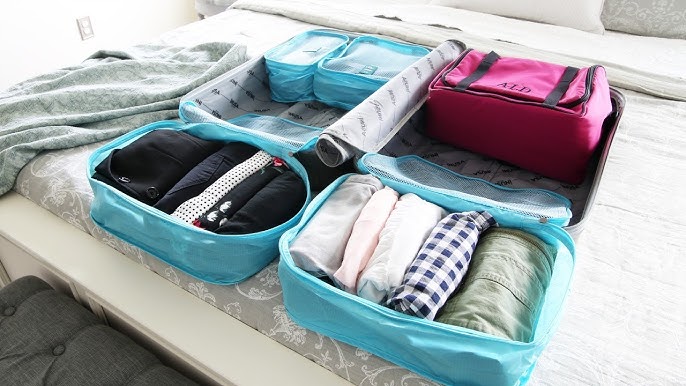
Packing cubes and compression bags are game changers. These tools allow you to compartmentalize your suitcase, keep items organized, and compress your clothes to save significant space. Packing cubes are especially beneficial when trying to locate individual items without disturbing the entire suitcase's organization.
3. Packing Techniques to Maximize Space
Several proven techniques enable you to optimize every inch of your suitcase. Here are several methods to consider:
a. Rolling vs. Folding
Rolling your clothes is generally more efficient than folding. The technique not only saves space but also reduces wrinkles. Soft garments such as t-shirts, casual dresses, and pants often benefit from being rolled. However, structured garments may require careful folding to retain their shape. It‘s about finding a balance based on the type and material of your clothing.
b. Strategic Placement of Items
Organize your suitcase by placing heavier and larger items at the bottom. This usually includes shoes and bulkier clothing, which should be packed first to form a stable base. Fill shoes and other gaps with smaller items like socks, underwear, or accessories. This method not only optimizes space but also protects delicate items by providing padding.
c. Bundling and Wrapping Techniques
Bundling involves wrapping smaller items within larger ones to ensure they stay together. For instance, you might wrap several t-shirts or a set of underwear around a pair of jeans to maintain an organized and compact package. Bundling can be especially useful when traveling to destinations where you need to minimize wrinkles.
d. Utilizing Every Nook and Cranny
Use every available space. This means stuffing shoes with socks, using the inner pockets of a suitcase for gadgets or documents, and even packing a small bag inside your suitcase for items you need to quickly retrieve at your destination. Consider your suitcase as a puzzle where every piece fits perfectly.
4. Special Considerations for Unique Items
Some items require extra attention during packing to ensure they are well-protected and accessible.
a. Electronics and Fragile Items
Electronics and fragile items, such as cameras, laptops, and glass bottles, should be packed with extra padding. Wrap them in soft clothing or use dedicated protective cases to avoid damage. Ensure that these items are placed in compartments where they won't shift during transit.
b. Toiletries and Liquids
Pack toiletries in a separate toiletry bag. Use waterproof plastic bags to store liquids, ensuring they remain contained in the event of leaks. Keeping these items separate also allows you to access them quickly at security checkpoints.
c. Clothing for Different Events
If you are traveling for multiple events (formal dinners, casual outings, exercise sessions), consider planning a capsule wardrobe that covers all scenarios but minimizes excess. Items should be versatile enough to mix and match while still suiting different occasions.
Packing Tools and Resources
The market is abundant with tools designed to ease your packing process. Investing in a few key items can dramatically change your travel preparation.
Essential Packing Aids
Below is a table summarizing some of the most popular packing aids along with their benefits:
| Tool | Functionality | Key Benefits |
|---|---|---|
| Packing Cubes | Divides suitcase into compartments | Improves organization and enhances space efficiency |
| Compression Bags | Removes air around clothing | Maximizes space, especially for bulky items |
| Garment Folders | Keeps formal wear wrinkle-free | Maintains the pristine condition of delicate or formal garments |
| Portable Luggage Scale | Measures bag weight | Avoids airline overweight fees and manages packing efficiently |
| Toiletry Bags | Organizes toiletries | Keeps liquids and personal care items separated and accessible |
Investing in these tools not only simplifies the packing process but also ensures that you make the most of your suitcase's capacity. This systematic approach minimizes last-minute stress and sets a strong tone for your travel experience.
Smart Packing for Different Travel Scenarios
Different types of trips require customized packing strategies. Examining how to pack for a business trip versus a vacation, or for a short getaway versus a long journey, can help you fine-tune your packing process.
Business Trips
For business travel, organization and presentation are paramount. Consider the following:
a. Capsule Wardrobe Style
Adopting a capsule wardrobe can minimize the number of items you pack while ensuring that you have outfits appropriate for formal meetings and casual networking events. Typically, this may involve selecting a few interchangeable pieces that can be mixed to create multiple looks.
b. Protecting Sensitive Materials
Use garment folders to keep business attire crisp and fresh. Pack electronic devices and documents in dedicated compartments to avoid damage and maintain accessibility.
Leisure and Family Vacations
For vacations, especially those involving varied activities such as sightseeing, dining out, or outdoor adventures, versatility is key.
a. Versatile Clothing Selections
Include a mix of casual, sporty, and dressy items. Rolling and bundling techniques work well to prolong the life of casual wear and avoid wrinkles over long trips.
b. Space for Souvenirs and Extras
Leave extra space in your suitcase for souvenirs or items purchased on the go. Strategically packing can be adjusted by weighing the suitcase prior to departure to ensure you are within airline limits.
Backpacking and Adventure Travel
When traveling by backpack, every ounce and cubic inch counts even more. Consider these additional tips:
a. Multi-functional Items
Opt for clothing and gear that serve multiple functions. For example, a scarf might also serve as a blanket or accessory, and a pair of hiking boots should be comfortable yet sturdy enough for multiple terrains.
b. Layering Techniques
Packing in layers not only provides versatility for changing climates but also allows you to distribute weight evenly. This minimizes fatigue during long travel days and ensures your gear remains functional in various conditions.
Practical Tips for Stress-Free Packing
In addition to the core techniques mentioned above, a few practical considerations can streamline your process and save you time:
Pre-Packing and Daily Maintenance
a. Night-Before Preparation
To reduce the last-minute scramble, consider organizing your packing list and grouping your items the evening before you leave. Double-check your list to ensure everything is accounted for.
b. Daily Use and Travel Essentials
Keep a small daypack or personal organizer with frequently needed items such as travel documents, a change of clothes, or essential electronics. This small secondary bag ensures easy access during transit and avoids digging through the main suitcase.
Handling Weight Restrictions and Airline Regulations
Airlines frequently enforce strict weight and size requirements for checked and carry-on luggage. Here are some steps to get it right:
a. Weigh Your Suitcase
Invest in a portable luggage scale and weigh your suitcase before leaving for the airport. Doing so can help you adjust your loading if necessary, preventing unexpected overweight fees.
b. Distribute Weight Evenly
Ensure heavier items are placed at the bottom to maintain a low center of gravity. This not only aids in meeting weight limits but also protects your fragile items by providing added cushioning.
Summary Table of Packing Techniques
Below is a comprehensive summary table that encapsulates the most effective packing methods and tools highlighted throughout the guide:
| Area | Technique/Tool | Benefits |
|---|---|---|
| Pre-Packing | Comprehensive Packing List | Ensures nothing is forgotten and prevents overpacking |
| Organization | Packing Cubes & Compression Bags | Enables compartmentalization and maximizes space efficiency |
| Clothing | Rolling vs. Folding | Saves space while minimizing wrinkles; tailored to fabric type |
| Fragile Items | Protective Padding & Garment Folders | Keeps delicate items secure and maintains formality |
| Spatial Optimization | Filling Gaps & Strategic Placement | Utilizes every available nook; distributes weight |
| Airline Compliance | Portable Luggage Scale | Helps manage weight to avoid fees and ensures balance |
Additional Resources and Related Queries
For those interested in diving deeper into the art of packing, a variety of resources are available online to further refine your techniques.
References
- Pack a Bag or Suitcase Efficiently - WikiHow
- How to Pack a Suitcase - SmarterTravel
- Best Way to Pack a Suitcase - Real Simple
- How to Pack a Suitcase Like an Expert - Travel + Leisure
- Pack a Suitcase More Efficiently - WorldTrips
Recommended Related Queries
Last updated March 20, 2025