
Beyond the Barrage: Unpacking Nuances in Lymphocytic CNS Infiltration in Multiple Sclerosis
Exploring research that questions the absolute dominance of lymphocyte invasion in MS pathology and highlights the complexities of this hallmark feature.
Key Insights: The Evolving View of Lymphocytes in MS
- Lymphocytic infiltration is a recognized hallmark of Multiple Sclerosis (MS) pathology, but emerging research reveals its role is more complex and not uniform across all aspects or stages of the disease.
- Scientific findings point to significant variations in infiltration patterns; for example, some studies indicate minimal lymphocyte involvement in specific types of brain lesions, such as intracortical lesions, challenging the idea of universal, heavy infiltration.
- The direct correlation between the extent of lymphocytic infiltration and clinical outcomes or the success of all lymphocyte-targeting therapies is not always straightforward, suggesting that other cellular and molecular factors play crucial roles in MS progression and treatment response.
The Conventional Understanding: Lymphocytes at the Forefront of MS
Multiple Sclerosis (MS) is widely characterized as a chronic autoimmune, inflammatory, and neurodegenerative disease of the central nervous system (CNS). A cornerstone of MS pathogenesis is the infiltration of immune cells, particularly T and B lymphocytes, across the blood-brain barrier (BBB) into the brain and spinal cord. This infiltration is understood to trigger inflammatory cascades, leading to demyelination (the destruction of the protective myelin sheath around nerve fibers) and axonal damage, which are the primary causes of the neurological symptoms experienced by individuals with MS. Most research underscores this process, focusing on how CD4+ T helper cells, CD8+ cytotoxic T cells, and B cells contribute to the characteristic lesions and ongoing tissue damage in the CNS.
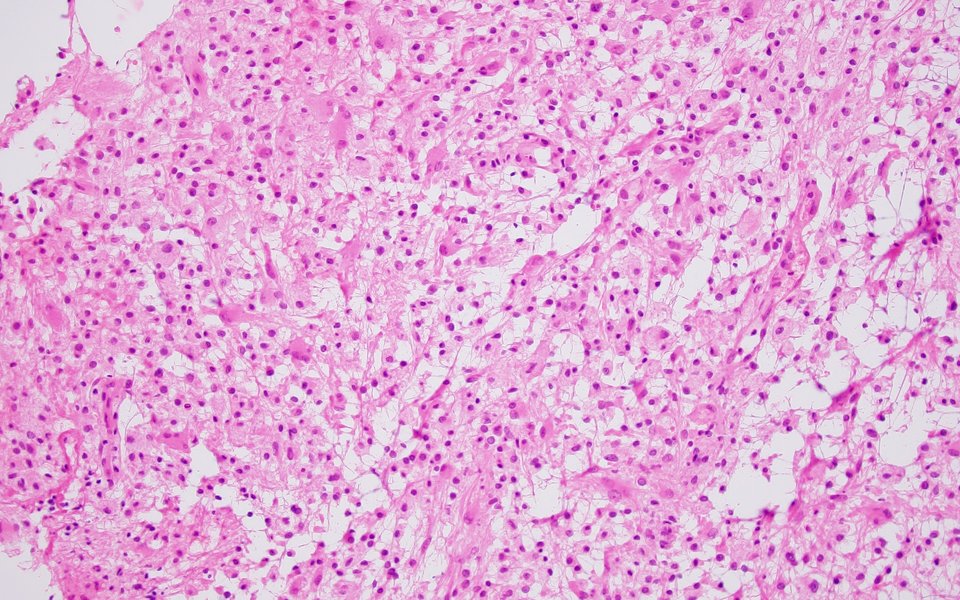
Microscopic view illustrating perivascular lymphocytic cuffing in an MS lesion, where immune cells accumulate around blood vessels within the central nervous system—a typical finding in MS pathology.
Challenging the Monolithic View: Nuances and Critical Perspectives on Lymphocytic Infiltration
While the central role of lymphocytic infiltration in MS is well-established, the scientific narrative is evolving. Several lines of research present a more nuanced picture, highlighting limitations, inconsistencies, or contextual dependencies that suggest the story is more complex than a simple, overwhelming invasion of lymphocytes. These perspectives do not outright deny the importance of lymphocytes but rather refine our understanding of their specific roles and interactions within the broader pathological landscape of MS.
Variability in Infiltration: Not All Lesions Are Created Equal
The Case of Intracortical Lesions
One of the most significant observations challenging a uniform view of lymphocytic infiltration comes from studies of different types of MS lesions. Research has shown that intracortical demyelinated lesions, found within the cerebral cortex, often exhibit minimal lymphocytic infiltration. Some studies report lymphocyte densities in these cortical lesions similar to those in non-demyelinated areas or control brains, contrasting sharply with the heavy infiltration typically seen in white matter lesions. This suggests that the mechanisms driving demyelination and neurodegeneration might differ depending on the anatomical location within the CNS, and that significant pathology can occur even with sparse lymphocyte presence in certain areas.
Compartmentalized Inflammatory Responses
The inflammatory response in MS is increasingly understood as being compartmentalized. This means that the types, numbers, and activities of immune cells, including lymphocytes, can vary significantly depending on the lesion's location, age, and the specific microenvironment. For instance, while CD8+ T cells and B cells are critical components, their distribution and impact might be localized. Furthermore, the development of tertiary lymphoid-like structures (TLOs) within the meninges or perivascular spaces in some MS patients points to a more organized, chronic, and potentially self-sustaining localized immune response rather than diffuse, widespread infiltration in all cases. The role and impact of these TLOs on disease progression are still being actively investigated, with some research suggesting they might contribute to a more regulated or contained, yet persistent, inflammation.
Regulation and Modulation of Lymphocyte Trafficking
Lymphocytic infiltration is not an uncontrolled flood of cells into the CNS. It is a highly regulated process governed by a complex interplay of signaling molecules (cytokines and chemokines) and adhesion molecules on both the immune cells and the endothelial cells of the BBB. This regulation means that infiltration can be influenced, promoted, or even inhibited by various factors. For example:
- Molecular Checkpoints: The migration of lymphocytes across the BBB is controlled by specific molecular pathways. Research into these checkpoints offers potential therapeutic targets to inhibit or reverse infiltration.
- Regulatory Immune Cells: The immune system has its own checks and balances. Regulatory T cells (Tregs), particularly those producing anti-inflammatory cytokines like IL-10, can accumulate in the CNS and are associated with periods of remission in experimental models of MS. This suggests that protective mechanisms can counteract the pro-inflammatory effects of infiltrating lymphocytes.
The fact that infiltration is a modulated process implies that its extent and pathogenic impact can vary widely among individuals and over the course of the disease.
Gaps in Clinical Correlation and Therapeutic Translation
Inconsistent Correlation with Disease Activity
Some studies and overviews have noted that the correlation between the extent of lymphocytic infiltration (as observed in experimental models or certain imaging/biomarker studies) and clinical symptoms or overall disease severity in MS patients is not always strong or direct. This suggests that while infiltration is a key pathological event, it might not be the sole or most reliable predictor of disease course or disability progression. Other factors, such as the efficiency of remyelination, the extent of non-immune mediated neurodegeneration, or genetic predispositions, likely play significant roles.
Challenges in Therapeutic Efficacy
The translation of therapies from animal models to human MS has also revealed complexities. Therapies highly effective in reducing lymphocytic infiltration and disease severity in Experimental Autoimmune Encephalomyelitis (EAE), the most common animal model for MS, have sometimes failed to demonstrate comparable efficacy in human clinical trials. Moreover, even among approved MS therapies that target lymphocytes or their migration, patient responses can be variable. These observations suggest that:
- Lymphocytic infiltration, while a valid target, may be part of a more intricate web of pathogenic processes.
- The specific subsets of lymphocytes, their activation states, or their interactions within the CNS microenvironment might be more critical than sheer numbers.
- Alternative or complementary pathways, perhaps involving the innate immune system or CNS-resident cells, contribute substantially to MS pathology, especially in progressive forms of the disease.
The Broader Immune and Non-Immune Landscape
Increasingly, research emphasizes that MS pathogenesis involves more than just adaptive immunity (T and B lymphocytes). The innate immune system, including cells like microglia (the resident immune cells of the CNS) and macrophages, plays a crucial role in initiating and perpetuating inflammation and neurodegeneration. Astrocytes and oligodendrocytes, traditionally considered non-immune glial cells, also actively participate in the inflammatory milieu and can contribute to both damage and repair processes. This broader perspective contextualizes lymphocytic infiltration as one component—albeit a very important one—within a larger network of cellular and molecular interactions driving MS.
Visualizing the Multifactorial Nature of MS Pathogenesis
To illustrate the complexity and the various factors contributing to MS pathology, including the nuanced role of lymphocytic infiltration, the following chart attempts to represent the relative interplay of different pathological components in various MS contexts. The scores are illustrative, reflecting general trends discussed in research rather than precise quantitative data.
This chart illustrates how different pathological features, including lymphocytic infiltration, can vary in their prominence depending on the MS type or lesion characteristics. For example, lymphocytic infiltration might be very high in active lesions of relapsing-remitting MS but comparatively lower in certain intracortical lesions, where other factors like microglial activation and axonal loss might be more dominant.
Mapping the Complexities of MS Pathogenesis
The following mindmap provides a conceptual overview of the multifaceted nature of MS, emphasizing that lymphocytic infiltration is one crucial element within a larger system of interacting factors. It helps visualize how different components contribute to the disease.
This mindmap illustrates that MS is not solely defined by lymphocytic infiltration. Instead, it's a result of intricate interactions between different arms of the immune system, CNS-specific factors, and external modulators, all contributing to the pathology and clinical presentation of the disease.
Summary Table: Prevailing vs. Nuanced Views on Lymphocytic Infiltration in MS
The table below summarizes some of the key aspects of lymphocytic infiltration in MS, contrasting the general understanding with more nuanced perspectives emerging from ongoing research.
| Feature of Lymphocytic Infiltration | Prevailing Understanding | Nuanced/Challenging Perspectives from Research |
|---|---|---|
| Universality in CNS Lesions | Widespread infiltration is a defining characteristic of all active MS lesions. | Infiltration intensity and composition vary significantly; for example, it can be minimal in certain types of lesions, such as intracortical grey matter lesions. |
| Role in Pathogenesis | Primary driver of inflammation, demyelination, and subsequent neurodegeneration. | A critical player, but part of a more complex interplay involving innate immunity (microglia, macrophages), glial cell dysfunction, and possibly direct neurodegenerative processes that may not always be lymphocyte-driven. |
| Correlation with Disease Activity & Severity | The extent of lymphocytic infiltration directly correlates with clinical relapses and disease progression. | Correlations between infiltration levels (especially in peripheral assessments or non-specific imaging) and specific clinical symptoms or long-term disability can be weak or inconsistent. Other factors like lesion location and repair capacity are also crucial. |
| Therapeutic Targeting | Blocking lymphocyte entry into the CNS or depleting lymphocyte populations is a primary and uniformly effective therapeutic strategy. | While many effective MS therapies target lymphocytes, their efficacy can vary. Some therapeutic approaches highly effective in animal models (EAE) by reducing infiltration have shown disappointing results in human MS, suggesting more complex or redundant pathogenic pathways. |
| Nature of Infiltration Process | Largely viewed as an uncontrolled autoimmune attack by autoreactive lymphocytes. | Infiltration is a tightly regulated, multi-step process influenced by cytokines, chemokines, adhesion molecules, and the state of the BBB. Regulatory immune cells (e.g., Tregs) can also modulate this process, indicating potential for endogenous control. |
| Contribution to Progressive MS | Less prominent or different role compared to relapsing MS, with ongoing debate about its contribution to progression. | Lymphocytic activity, potentially compartmentalized within the CNS (e.g., in TLOs or chronic active lesions), may still contribute to progressive MS, alongside other mechanisms like "smoldering" inflammation driven by innate immune cells and microglia. |
This table emphasizes that while lymphocytic infiltration is undeniably a crucial element of MS, a deeper dive into the scientific literature reveals a more intricate and multifaceted role than sometimes portrayed.
Frequently Asked Questions (FAQ)
Do all MS lesions show significant lymphocytic infiltration?
No, not all MS lesions exhibit the same degree of lymphocytic infiltration. While classic active white matter lesions are often characterized by substantial infiltration of T cells and B cells, studies have shown that other lesion types, particularly intracortical grey matter lesions, can have minimal or sparse lymphocytic presence despite significant demyelination and neuronal damage. This suggests that different pathological mechanisms may be at play in different lesion locations or types.
If lymphocytic infiltration is a key feature of MS, why don't all therapies targeting it work perfectly for everyone?
The variability in response to lymphocyte-targeting therapies in MS is due to several factors:
- Disease Heterogeneity: MS is a complex disease with different underlying mechanisms predominating in different individuals or at different disease stages. Lymphocytic infiltration might be a more dominant driver in some cases than others.
- Pathogenic Complexity: Lymphocytes are part of a broader immune dysregulation involving innate immune cells (like microglia and macrophages) and CNS-resident cells. Therapies focused solely on lymphocytes might not address these other components, especially in progressive MS.
- Compartmentalization: Immune responses can become compartmentalized within the CNS (e.g., within tertiary lymphoid-like structures), potentially making them less accessible to systemic therapies.
- Timing of Intervention: The stage of the disease when treatment is initiated can impact efficacy.
- Individual Differences: Genetic background, environmental exposures, and comorbidities can all influence treatment response.
Are there scientific arguments that lymphocytic infiltration is *not* involved in MS at all?
No, the overwhelming scientific consensus is that lymphocytic infiltration is a fundamental pathological feature of MS, particularly in relapsing forms and in active lesions. Decades of research, including pathological studies of MS tissue, cerebrospinal fluid analysis, and the relative success of lymphocyte-targeting therapies, support its involvement. However, the scientific discussion and nuanced perspectives arise when considering:
- The extent to which it's the sole or primary driver in all MS forms and stages (especially progressive MS).
- Its variability across different lesion types and locations.
- The directness of its correlation with all clinical manifestations.
- The role of other immune cells and non-immune mechanisms.
What other factors contribute to MS pathology besides lymphocytic infiltration?
MS pathology is multifactorial. Besides lymphocytic infiltration, other critical factors include:
- Innate Immune System Activation: Microglia (CNS resident immune cells) and macrophages contribute significantly to inflammation, demyelination, and neurotoxicity, particularly in progressive MS.
- Glial Cell Dysfunction: Astrocytes can become reactive (astrogliosis) and release pro-inflammatory molecules, while oligodendrocytes (myelin-producing cells) are directly damaged, and their precursor cells may fail to effectively remyelinate axons.
- Neurodegeneration: Axonal transection and neuronal loss occur independently of acute inflammation and are major contributors to permanent disability. Oxidative stress and mitochondrial dysfunction also play roles.
- Blood-Brain Barrier (BBB) Dysfunction: A compromised BBB allows immune cells and harmful molecules to enter the CNS.
- Genetic Predisposition: Numerous genes, primarily related to immune function, increase susceptibility to MS.
- Environmental Factors: Viral infections (like Epstein-Barr Virus), low vitamin D levels, smoking, and gut dysbiosis are implicated as triggers or modulators of disease.
- Chronic Inflammation and Compartmentalization: Persistent, low-grade inflammation within the CNS, sometimes organized into tertiary lymphoid-like structures, can drive ongoing damage.
Recommended Further Exploration
- Investigate the specific contributions of innate immunity and microglia to the progression of Multiple Sclerosis.
- Explore how tertiary lymphoid-like structures form within the central nervous system and their impact on Multiple Sclerosis pathology.
- Discover the differences in lymphocytic infiltration patterns between cortical grey matter lesions and white matter lesions in Multiple Sclerosis.
- Understand the reasons behind the limited success or failure of certain Multiple Sclerosis therapies that specifically target lymphocyte activity or migration.
References
Last updated May 11, 2025