
Future Trends in Multimodal Medical Imaging
Emerging innovations shaping how we visualize and diagnose health conditions
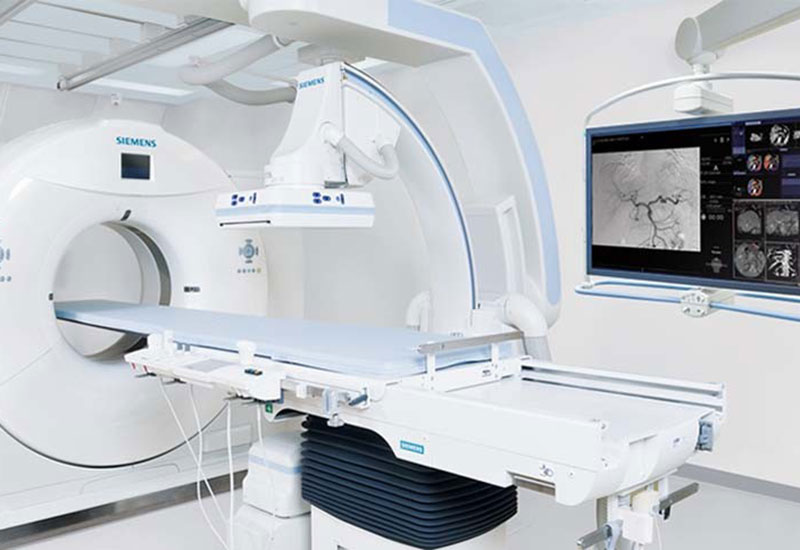
Highlights
- AI Integration and Real-Time Analysis: Enhanced data synthesis from multiple imaging modalities improves diagnostic accuracy and supports intraoperative decision-making.
- Advances in 4D and Wearable Imaging: Dynamic visualization and portable imaging devices accelerate personalized medicine and proactive care.
- Personalized Medicine and IoT Connectivity: Integration of genetic data and real-time monitoring fosters patient-specific strategies while ensuring robust cybersecurity.
Introduction and Context
In recent years, medical imaging has transcended beyond traditional single-modality examinations to embrace a multifaceted approach known as multimodal medical imaging. This approach integrates data across diverse technologies such as computed tomography (CT), magnetic resonance imaging (MRI), positron emission tomography (PET), and ultrasound, among others. As we look toward the future, the convergence of artificial intelligence (AI), advanced imaging systems, wearables, and internet of things (IoT) devices is set to redefine diagnostic precision and patient care in healthcare. Innovations in this interdisciplinary space support clinical decision-making, improve workflow efficiency, and promote a more personalized treatment strategy, all while ensuring sustainable and secure data management.
Key Trends Driving the Future of Multimodal Medical Imaging
Integration of AI and Machine Learning
AI integration is revolutionizing the way medical images are processed and interpreted. With the capability to integrate data from various imaging modalities along with clinical metadata, AI-driven solutions can detect subtle patterns and anomalies that could be overlooked by human observers. This transformation is evident in several aspects:
Enhanced Diagnostic Accuracy
The use of sophisticated AI algorithms enables the extraction of comprehensive insights from combined imaging data. AI enhances diagnostic capabilities by:
- Identifying early signs of complex diseases in modalities such as CT, MRI, PET, and ultrasound.
- Offering real-time analysis during surgical procedures to provide immediate feedback, reducing the risk of complications.
- Leveraging machine learning models trained on vast datasets that include synthetic data generated through techniques like Generative Adversarial Networks (GANs), helping to overcome limitations from limited patient data.
This integration underscores a shift from conventional imaging to dynamic, multi-layered diagnostic insights, ultimately leading to improved patient outcomes.
Real-Time Analysis and Intraoperative Support
Advances in computing power and algorithm optimization have enabled AI tools to provide real-time imaging analysis. This is particularly beneficial during surgeries, where accurate, on-the-fly data interpretation helps guide procedures. The evolution of real-time data processing promotes surgical precision and reduces intraoperative risks.
Advancements in Imaging Technologies
Rapid technological progress has given birth to innovative imaging modalities that extend the capabilities of traditional techniques. Among these, 4D imaging and new developments in hardware technology are especially transformative.
4D Imaging
While 3D imaging provides static representations of anatomical structures, 4D imaging adds the element of time, allowing clinicians to observe changes and movement. This dynamic perspective is particularly useful in:
- Cardiovascular assessments, where the movement of the heart and blood flow are critical for diagnosis.
- Fetal development monitoring, enabling detailed observation of development in real-time.
- Musculoskeletal evaluations, where joint movement and function are significant in assessing injuries or degenerative conditions.
Digital and Photon-Counting Technologies
Recent advances such as Digital PET/CT, photon-counting CT, and Digital SPECT have led to groundbreaking improvements in image resolution and diagnostic capabilities. These technologies integrate morphological, functional, and molecular imaging to deliver more precise assessments in fields like oncology. The enhanced resolution provided by these novel imaging systems improves the accuracy of disease staging and response assessment.
Personalized Medicine and Patient-Centered Imaging
Personalized medicine is becoming a cornerstone of modern healthcare, and multimodal imaging is at the forefront of this paradigm shift. By tailoring imaging approaches to individual patient profiles, clinicians can create more effective and less invasive strategies.
Tailored Imaging Approaches
Advanced imaging systems now integrate genetic information, clinical history, and patient-specific data to personalize diagnostics and treatment planning. This integration helps in:
- Reducing unnecessary exposure to radiation by selectively applying advanced imaging only where it is needed.
- Optimizing imaging protocols to enhance image quality based on the patient's unique anatomical and physiological attributes.
- Supporting clinical decision-making with comprehensive data, ultimately leading to improved therapeutic outcomes.
The union of imaging data with genomic and proteomic profiles is an evolving area that promises to transform disease prediction and treatment strategies.
Wearable Imaging Devices
Wearable imaging technologies represent a significant shift from reactive diagnostic interventions to proactive health monitoring. These devices are designed for continuous monitoring, making them highly significant in conditions such as:
- Cardiac health, where wearable ultrasound patches can monitor heart function in real time.
- Neurological assessments using portable brain imaging technologies to capture real-time data on neural activities.
- Remote diagnostics in rural or underserved areas where traditional imaging facilities are not readily available.
The mobility and convenience of wearable devices expand the reach of advanced diagnostics, increasing access to timely and precise medical care.
Integration with IoT and Data Connectivity
The convergence of IoT technology with multimodal imaging systems is revolutionizing healthcare operations. This integration supports seamless data exchange, remote monitoring, and the synchronization of medical imaging with other health data systems.
Real-Time Data Sharing and Remote Monitoring
IoT connectivity enables continuous real-time data sharing between imaging devices and hospital networks. This facilitates:
- Remote supervision of imaging equipment and patient monitoring, reducing downtime and improving maintenance schedules.
- Immediate transfer of imaging data from the patient’s bedside to centralized reporting systems, which enhances workflow efficiency and clinical decision-making.
- Integration with telemedicine platforms, ensuring that remote consultations and interventions are supported by reliable, up-to-date imaging data.
Cybersecurity and Data Privacy Considerations
As the volume of imaging data grows and systems move onto cloud-based platforms, ensuring data privacy and cybersecurity becomes paramount. Current focus areas include:
- Deployment of informed cybersecurity protocols designed specifically for healthcare systems.
- Use of advanced encryption and anonymization techniques to protect sensitive patient data.
- Compliance with regional and international privacy regulations, ensuring that patient data is handled securely and responsibly.
Market Dynamics and Sustainability
The economic perspectives of multimodal imaging are as vibrant as the technological advances. The growth of this market is fueled by increasing demand for comprehensive diagnostic tools and supportive reimbursement policies. However, sustainability and cost remain crucial focus areas.
Market Growth
According to recent analyses, the global multimodal imaging market is experiencing exponential growth, driven by the convergence of innovations in imaging hardware, AI applications, and the integration of wearable devices. This expansion is supported by:
- Substantial investments in research and development from both public institutions and private enterprises.
- Increased demand for non-invasive and yet highly accurate diagnostic modalities.
- Greater emphasis on patient-centric healthcare models that drive innovation in imaging techniques.
Sustainability and Eco-Friendly Innovations
The future of multimodal imaging is inherently linked to sustainable practices. Manufacturers are adopting eco-friendly designs to reduce the carbon footprint of imaging systems by:
- Designing energy-efficient imaging equipment that consumes less power without sacrificing performance.
- Utilizing recyclable materials in the production of imaging hardware.
- Implementing processes that minimize waste and support environmental sustainability across the supply chain.
Technological Innovations in a Nutshell
The following table provides a consolidated view of the key areas where multimodal medical imaging is making significant strides:
| Trend | Key Features | Impact on Healthcare |
|---|---|---|
| AI Integration | Real-time analysis, pattern recognition, diagnostic support | Enhanced diagnostic accuracy and reduced surgical risks |
| 4D Imaging | Dynamic visualization of anatomical movement | Improved assessment of cardiovascular health and fetal development |
| Wearable Devices | Continuous monitoring, portability, ease-of-use | Proactive healthcare and access in remote areas |
| Personalized Medicine | Tailored imaging guided by genetic and clinical data | Minimized risks and optimized treatment planning |
| IoT and Cybersecurity | Real-time data exchange, encrypted communications | Efficient workflow and patient data protection |
| Sustainability | Eco-friendly design, energy efficiency | Reduced operational costs and environmentally responsible practices |
Expanding the Horizon: Future Directions
Combining Multimodal Imaging with Genomics and Big Data
One of the most promising future directions in multimodal medical imaging is the integration of imaging data with genomic profiles and other sources of big data. By linking molecular and genetic information with detailed imaging studies, healthcare professionals can obtain a more comprehensive perspective on disease mechanisms. This integration is instrumental in:
- Identifying biomarkers and predictive indicators of disease progression.
- Customizing treatment regimens based on individual genetic profiles.
- Accelerating research in personalized medicine by enabling large-scale predictive analytics.
This melding of different data types into a cohesive diagnostic framework has the potential to revolutionize how we understand and treat diseases, leading to more targeted and effective therapeutic interventions.
Expanding Clinical Applications
The future of multimodal imaging is not limited to diagnosis alone. Its utility is rapidly expanding into various clinical domains, including:
Oncology
Multimodal imaging plays a critical role in the early detection, staging, and treatment monitoring of cancers. Advanced imaging techniques that combine structural, functional, and molecular data provide clinicians with comprehensive insights, leading to better-tailored treatment plans.
Cardiology
In the field of cardiovascular medicine, imaging that captures dynamic changes in cardiac tissues offers unprecedented insights into heart function, helping clinicians quickly identify and address issues such as blockages or structural abnormalities.
Neurology
Integrating multiple imaging modalities allows for a deeper understanding of complex neurological conditions. From tracking brain activity to mapping neural networks, these innovations are essential for diagnosing and managing conditions like stroke, epilepsy, and neurodegenerative diseases.
Emerging Research and Development Initiatives
Research into multimodal imaging is expanding rapidly. Ongoing developments are not only enhancing the performance of these systems but also exploring novel applications. Significant areas of research include:
- Optimization of AI Algorithms: Efforts are underway to refine AI models so they can better integrate heterogeneous data and offer predictive analytics. These initiatives are supported by large-scale collaborations between academia, industry, and clinical organizations.
- Development of Hybrid Imaging Platforms: Hybrid systems that combine modalities such as PET/CT and PET/MRI offer a synchronized view of the patient’s condition. These systems are becoming critical in fields like oncology and cardiology where simultaneous visualization of anatomical and functional details is needed.
- Enhanced Interoperability: Establishing common standards across imaging devices and healthcare software will facilitate easier data sharing and integration. Interoperability is essential for creating unified platforms that support comprehensive patient care while ensuring data security and privacy.
References
For more detailed insights on the trends and innovations in multimodal medical imaging, please consult the following resources:
- Future of Medical Imaging - MedicAI
- Future of AI in Medical Imaging - MedicAI
- Top Trends in Diagnostic Imaging 2025 - US C Ultrasound
- Global Multimodal Imaging Market - Data Bridge Market Research
- Role of AI in Medical Imaging - RSNA
Recommended
For further exploration of related topics, consider the following queries:
Last updated March 12, 2025