
Statement of Hypothesis on Musical Education and Phonological Dyslexia Awareness
Exploring how rhythmic musical training can enhance phonological processing in 2nd graders with dyslexia
Key Takeaways
- Enhanced Temporal Processing: Musical education that emphasizes rhythm and auditory discrimination is hypothesized to improve the temporal resolution of the auditory system, which is critical for processing phonological components in language.
- Improved Phonological Awareness: Targeted musical training can lead to measurable gains in phonemic blending, segmentation, and reading accuracy in 2nd graders diagnosed with dyslexia.
- Transfer of Skills: The cognitive overlap between musical and linguistic processing suggests that structured rhythmic training can facilitate neural changes that improve phonological awareness, potentially serving as an effective early intervention strategy.
Introduction
Dyslexia is a neurodevelopmental disorder characterized by difficulties in accurate and/or fluent word recognition and by poor spelling and decoding abilities, despite adequate intelligence and educational opportunity. In recent years, research has increasingly supported the notion that musical education, particularly training that accentuates rhythmic and temporal processing, can have a direct impact on phonological awareness – a foundational element of reading acquisition. Given that this overlap in cognitive processes between music and language hinges on common neural pathways related to auditory encoding and timing, a hypothesis emerges regarding the beneficial effects of musical education on phonological dyslexia awareness in children, especially those in critical early learning phases such as second grade.
The hypothesis statement formulated herein builds upon a multidisciplinary overview of current neuroscientific, educational, and psychological research. It posits that structured musical training, with a focused emphasis on rhythm perception and production, enhances auditory discrimination and improves phonological awareness among 2nd graders with dyslexia. Such an intervention is presumed to promote precise timing in processing sound sequences, enabling better segmentation of phonemes and thus more accurate reading skills.
Hypothesis Statement
The central hypothesis is that a targeted musical education program, which includes intensive rhythm-based training and auditory exercises, will lead to significant improvements in phonological awareness and reading abilities in second-grade students with dyslexia compared to their peers who do not receive such musical intervention. Specifically, it is proposed that:
Primary Hypothesis
Musical education that emphasizes rhythmic training, temporal processing, and auditory discrimination will enhance the phonological processing skills of 2nd graders with dyslexia. This enhancement is expected to be observable through improved performance in phonological awareness tasks, such as phonemic blending, segmentation, and pseudoword repetition, which in turn will facilitate more accurate reading skills.
Secondary Hypotheses
-
Musical training will improve temporal processing abilities in children by enhancing their capacity to identify, reproduce, and synchronize with rhythmic patterns. This improved timing perception is posited to be a key factor in better differentiating phonemes – the smallest units of sound in language.
-
The neural plasticity in young children, especially those in second grade during a period of heightened brain malleability, makes them particularly receptive to auditory interventions. Therefore, early intervention through music education may lead to lasting improvements in both phonological awareness and reading skills.
-
The emotional and motivational aspects of musical training, when integrated into regular classroom activities, contribute to an increased engagement in learning. This engagement further supports the transfer of skills from musical contexts to linguistic tasks, enhancing overall academic performance in reading-sensitive subjects.
Theoretical Rationale
The rationale behind this hypothesis stems from the recognition of shared cognitive processes between music and language. Neural mechanisms involved in processing temporal information, such as auditory center connectivity and sensorimotor synchronization, are critical for decoding the rhythmic elements of language. In children with dyslexia, deficits in these areas are often observed, particularly in relation to the perception of the temporal structure of speech.
Musical education, particularly when delivered through structured programs based on methodologies like Kodály and Orff approaches, has been shown to enhance rhythm perception and production skills. The rhythmic exercises inherent in such programs improve the brain's capacity for temporal resolution, conducive to the segmentation and blending of phonemes. This neural enhancement could facilitate the processing of the rapid acoustic transitions in speech, which are challenging for children with dyslexia.
Research supports that deficits in temporal processing are a core component of dyslexia. Through rhythmic musical training, children are taught to attend to temporal cues—such as beat, meter, and rhythm—that are analogous to the temporal patterns present in spoken language. Encouraging these skills through engaging musical activities might create a cascade effect by which improved auditory processing leads to enhanced phonological representations.
In educational settings, particularly during the early years of reading development, enhancing phonological awareness is critical. Improved phonological awareness correlates with better reading fluency and decoding skills. The hypothesis, therefore, contends that a music-based intervention can serve as an effective early remedial strategy by addressing the foundational auditory processing deficits in dyslexic children.
Methodological Considerations
Participants and Group Design
The target sample for this hypothesis would consist of second-grade students diagnosed with dyslexia. These participants would be randomly assigned into two groups: an experimental group receiving the musical education intervention and a control group receiving conventional remedial instruction (or an alternative art-based intervention with no rhythmic component).
It is critical for the participant groups to be comparable at baseline in terms of their reading skills, phonological awareness levels, and cognitive abilities. Randomized controlled trials (RCTs) ensure that any observed improvements can be attributed to the musical education program rather than external factors or maturational effects.
Intervention Details
The proposed musical education intervention should focus on the following core components:
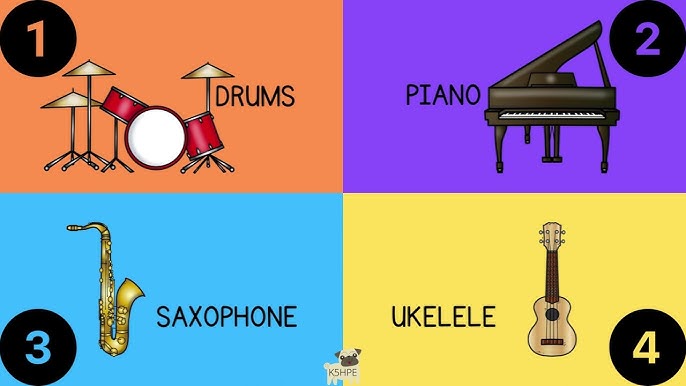
- Rhythm Perception and Production: Engage students in activities such as clapping, tapping, and playing percussion instruments to foster an internal sense of beat, meter, and rhythmic patterns.
- Auditory Discrimination Training: Utilize exercises designed to differentiate subtle differences in sound, including variations in tone, pitch, and rhythm, which are crucial for phonological processing.
- Integration of Movement and Music: Incorporate whole-body movements and dance to entrain timing and promote kinesthetic learning, thereby connecting motor actions with auditory inputs.
- Interactive and Emotional Engagement: Use joyful, group-based activities to enhance motivation and create a supportive learning environment, which is especially beneficial for reducing the stigma often associated with learning difficulties.
Evaluation Measures
To accurately assess the effect of the musical education intervention, the following evaluation measures should be implemented before and after the intervention period:
| Evaluation Measure | Description | Expected Outcome |
|---|---|---|
| Phonemic Blending Task | Assessment of the ability to merge individual sounds into words. | Increased accuracy and speed in blending tasks. |
| Phonemic Segmentation Task | Ability to break down words into constituent phonemes. | Enhanced segmentation performance, with fewer errors. |
| Pseudoword Repetition | Testing the capacity to decode and repeat non-words, challenging the grapheme–phoneme conversion system. | Improved decoding accuracy and fluency. |
| Rhythmic Synchronization Tasks | Tasks requiring tapping or clapping in time with a metronome or complex rhythms. | Better synchronization, indicating enhanced temporal processing. |
Additionally, standardized reading assessments could be administered to evaluate improvements in reading fluency, comprehension, and accuracy. A combination of these measures will help determine whether the musical intervention yields transfer effects from improved auditory processing to enhanced phonological skills and overall reading performance.
Anticipated Results and Impact
Should the hypothesis be supported by empirical evidence, it is anticipated that the experimental group receiving the musical education intervention will demonstrate statistically significant improvements in phonological awareness tasks compared to the control group. These improvements would be characterized by fewer errors in phonemic blending and segmentation, faster pseudoword repetition, and overall enhanced reading accuracy.
The impact of these findings could be substantial. Firstly, they would reinforce the concept that music, as an engaging and multisensory tool, can serve as an effective medium for cognitive remediation in children with dyslexia. Furthermore, a successful intervention of this nature could lead to the integration of music-based programs into early educational curricula, particularly in settings where traditional methods for addressing dyslexia might be limited or less engaging.
The transfer of rhythm processing skills to phonological awareness has broad implications not only for the remediation of specific reading disorders but also for understanding the neural mechanisms underlying language acquisition. By identifying and enhancing a core deficit in temporal processing through music, educators and clinicians can develop more holistic and integrated approaches to literacy education. The structured yet enjoyable context of music education may reduce anxiety and improve classroom behavior, thereby promoting a more effective and inclusive learning environment.
Long-term Educational Benefits
Beyond immediate improvements in reading and phonology, musical training can contribute to long-term academic success. The cognitive benefits of engaging in complex rhythmic tasks include improvements in working memory, attention, and executive functions, all of which are essential for academic progress. For children with dyslexia, who may struggle with traditional, text-based learning, musical education not only offers a novel mode of instruction but also builds a foundation for lifelong learning and self-confidence.
Additionally, by providing an alternative pathway for learning that is rooted in auditory-motor integration, this approach could foster an enriched educational experience. Music can serve as a bridge connecting linguistic and non-linguistic domains, and therefore, its inclusion in early education holds promise for diminishing the gap in reading and language skills observed in dyslexic children.
Conclusion and Final Thoughts
In summary, the proposed hypothesis contends that a systematic musical education program—emphasizing rhythmic training, auditory discrimination, and sensorimotor synchronization—will lead to significant improvements in phonological awareness and reading skills among second graders diagnosed with dyslexia. This intervention leverages the natural overlap between music and language processing, potentially rectifying fundamental deficits in temporal processing that underlie phonological dyslexia.
Given the high degree of neural plasticity during early childhood, particularly around the critical developmental period of second grade, such an intervention could yield enduring benefits. The expected improvements in phonemic blending, segmentation, and overall reading accuracy are likely to translate into broader academic gains and greater self-esteem. Furthermore, the emotionally engaging and enjoyable aspects of musical training may also contribute to creating a supportive, inclusive classroom environment that benefits all students.
Therefore, this hypothesis not only points towards a promising intervention strategy for children with dyslexia but also invites further empirical validation through well-designed randomized controlled trials. If confirmed, the integration of musical education into school curricula could represent a pivotal innovation in the field of dyslexia remediation, combining the joy of music with the functional demands of literacy development.
References
http://www.dyslexiakit.net/music-dyslexia-research/
https://www.researchgate.net/publication/282243725_Music_Training_Increases_Phonological_Awareness_and_Reading_Skills_in_Developmental_Dyslexia_A_Randomized_Control_Trial
https://pubmed.ncbi.nlm.nih.gov/26407242/
https://pmc.ncbi.nlm.nih.gov/articles/PMC4583182/
Final Thoughts
In conclusion, integrating musical education into interventions for phonological dyslexia awareness in second graders represents a promising, multidimensional approach to ameliorate reading challenges. The synergy between rhythmic training and phonological processing has the potential to transform remedial strategies and enhance both academic performance and overall cognitive development.
Last updated February 17, 2025