
15-Day Music Teaching Manual
Engaging and Structured Lessons for Music Educators
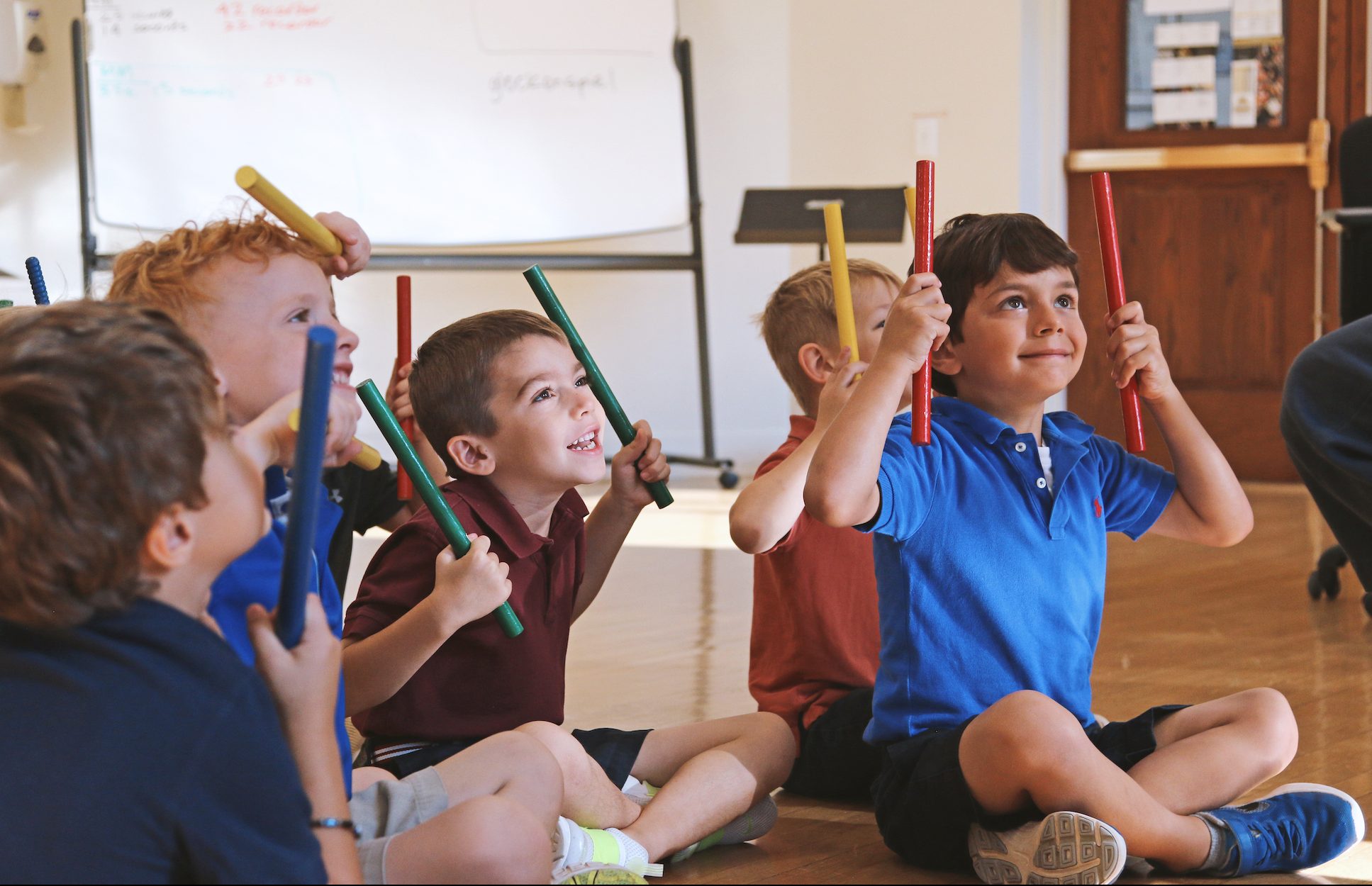
Key Highlights
- Comprehensive Curriculum: Structured daily lessons covering basic theory, practical music-making, and creative composition.
- Varied Teaching Methods: Incorporates interactive activities, performance sessions, group work, and history lessons to engage diverse learners.
- Flexible Adaptation: Customizable plans that suit different age groups and skill levels, ensuring effective music education.
Overview and Objectives
This manual offers a comprehensive 15-day curriculum designed for music educators to provide students with a well-rounded understanding of music basics, theory, practice, and creative performance. The program engages students through a blend of lectures, interactive activities, group work, and hands-on practice sessions. The curriculum is adaptable to various student levels, from elementary through to more advanced learners, ensuring an effective approach regardless of the starting point.
The goals of the curriculum include:
- Introducing fundamental musical concepts such as notes, rhythm, and time signatures.
- Developing practical skills through instrument exploration, rhythmic exercises, and group performances.
- Encouraging creative expression through composition workshops and performance sessions.
- Providing historical context and appreciation for various music genres and influential composers.
Detailed Daily Curriculum
The following is a daily breakdown of the 15-day teaching plan. Each day is designed to build on the previous lessons, ensuring that students gradually progress from understanding simple musical elements to performing their own compositions.
Days 1-3: Introduction to Music and Fundamental Concepts
Day 1: The Basics of Music
Objective: Introduce students to the foundational elements of music including melody, rhythm, and beat.
Activities:
- Discussion of what music is and its role in daily life.
- Exploration of musical vocabulary such as notes, rhythms, and harmonies.
- Simple listening exercises that highlight different musical elements.
Materials: Whiteboard, markers, audio samples, flashcards on musical terms.
Day 2: Exploring Rhythm and Beat
Objective: Focus on understanding rhythm, beat, and timing.
Activities:
- Clapping exercises to illustrate different rhythms.
- Use of percussion instruments (e.g., tambourines, drums) in group activities.
- Listening sessions to identify rhythms in popular songs.
Materials: Percussion instruments, rhythm cards, visual aids.
Day 3: Introduction to Musical Notation
Objective: Teach students the basics of reading and writing musical notes.
Activities:
- Explanation of staff, clefs, and note values (whole, half, quarter notes, etc.).
- Interactive whiteboard sessions where students write notes on staff paper.
- Worksheets and flashcards to reinforce learning.
Materials: Staff paper, markers, worksheets on notations.
Days 4-6: Deepening Music Theory
Day 4: Understanding Time Signatures and Beats
Objective: Explore various time signatures and the concept of beats per measure.
Activities:
- Demonstrations of common time signatures such as 4/4 and 3/4.
- Counting exercises aligned with clapping sessions to physically feel the beat.
- Examination of simple musical pieces for time signature identification.
Materials: Audio clips, clocks or metronomes, whiteboard charts.
Day 5: Rests, Pauses, and Dynamics
Objective: Introduce the concepts of rests, dynamics, and articulation in musical performance.
Activities:
- Interactive lectures on the role of rests in phrasing musical pieces.
- Exercises comparing loud and soft dynamics using various instruments.
- Practice sessions where students perform simple pieces focusing on dynamics.
Materials: Music sheets, instruments, dynamic charts.
Day 6: Introduction to Basic Chord Progressions
Objective: Provide an overview of chords and basic progressions.
Activities:
- Discussion on the construction of chords and their role in harmony.
- Listening and analysis of simple chord progressions such as \( \text{\( C-G-Am-F \)} \).
- Practice sessions on instruments to play basic chords.
Materials: Pianos, guitars, chord charts.
Days 7-9: Practical Music-Making
Day 7: Instrument Exploration
Objective: Familiarize students with a variety of musical instruments.
Activities:
- "Show and Tell" sessions introducing instruments like the piano, guitar, violin, and recorder.
- Hands-on practice time where students try each instrument.
- Identification of the unique sounds and roles each instrument plays in ensemble settings.
Materials: A collection of musical instruments, demonstration boards.
Day 8: Group Performance and Collaborative Exercises
Objective: Enhance team dynamics and performance skills through group collaborations.
Activities:
- Practice sessions focused on synchronizing rhythm and timing in a group setting.
- Simple ensemble exercises where each student plays part of a larger composition.
- Feedback and reflection sessions on group performance dynamics.
Materials: Various instruments, a small stage area or designated performance space.
Day 9: Creative Music-Making through Improvisation
Objective: Encourage creativity and personal expression within structured musical boundaries.
Activities:
- Introduction to alternative forms of musical notation using shapes and colors.
- Improvisational exercises where students compose short, spontaneous pieces.
- Showcase sessions where students share their creative compositions with peers.
Materials: Markers, colored papers, alternative notation charts, instruments.
Days 10-12: Music Appreciation and Historical Context
Day 10: Exploring Musical Genres
Objective: Introduce students to a variety of musical genres from classical to contemporary.
Activities:
- Listening sessions that feature segments from multiple genres.
- Discussion on the unique characteristics, instruments, and cultural background of each genre.
- Comparative analysis of genres highlighting differences in rhythm, melody, and instrumentation.
Materials: Audio equipment, diverse music playlists, visual aids.
Day 11: Music History and Influential Composers
Objective: Provide a historical overview of music and introduce students to significant composers.
Activities:
- Presentation of a timeline covering key historical periods in music.
- Introduction to influential figures such as Mozart, Bach, and Beethoven.
- Utilizing visual aids and interactive storytelling to bring history to life.
Materials: Timelines, audio examples of classical pieces, teacher-prepared slides.
Day 12: Cultural Perspectives in Music
Objective: Explore music from a multicultural perspective and its reflection on cultural identity.
Activities:
- Discussion on the role of music in different cultures, including folk and traditional tunes.
- Comparative analysis of cultural influences in music from around the world.
- Interactive exchange where students bring examples of music from their own cultural background.
Materials: World maps, cultural music samples, discussion guides.
Days 13-15: Performance and Composition
Day 13: Performance Skills Development
Objective: Cultivate confidence and stage presence through performance practice.
Activities:
- Warm-up exercises concentrating on vocal and instrumental techniques.
- Role-playing and staged mini-performances by individual students or small groups.
- Peer feedback sessions to enhance performance etiquette and techniques.
Materials: Performance space, microphones, supportive evaluation checklists.
Day 14: Composition Workshop
Objective: Foster creative expression by guiding students through the composition process.
Activities:
- Brainstorming sessions that encourage students to consider melody, rhythm, and harmony.
- Step-by-step guidance on structuring a simple musical piece.
- Classroom collaboration where students share ideas and build on each other’s work to create a group composition.
Materials: Composition notebooks, instruments, digital recording tools (optional).
Day 15: Final Performance and Reflection
Objective: Provide an opportunity for students to showcase the skills developed over the two-week period.
Activities:
- Final group or individual performances where students present their compositions or perform learned pieces.
- Reflective discussions on the learning journey, highlighting improvements and future areas for creative exploration.
- Encouraging constructive feedback from teachers and peers.
Materials: Stage or performance area, recording devices for playback and review, visual feedback forms.
Resource Table
The table below provides a consolidated overview of recommended teaching manuals and online resources that can enhance the 15-day music teaching curriculum:
| Resource Name | Description | Link |
|---|---|---|
| Fun Music Co | Free classroom music activities and lesson plans tailored for engaging learning. | Visit Fun Music Co |
| Carnegie Hall | Music Educators Toolbox featuring lesson plans, assessments, and videos. | Visit Carnegie Hall |
| Share My Lesson | A repository of educational resources including comprehensive music lesson plans. | Visit Share My Lesson |
| Private Music Lessons Manual | A detailed manual covering musical skills development, rhythm, and studio management. | Visit Amazon |
| Teachers Pay Teachers | A marketplace offering customizable music teaching resources and lesson plans. | Visit Teachers Pay Teachers |
Additional Implementation Tips & Pedagogical Strategies
Music education is not only about imparting technical skills but also nurturing creativity, emotional intelligence, and cultural awareness. The following strategies can further enrich the teaching experience over the 15-day curriculum:
Differentiation and Flexibility
It is crucial to adjust the pace, content complexity, and delivery methods according to the specific needs of your students. Differentiation can be achieved by:
- Adapting lessons for beginners by extending the practice of fundamental skills such as clapping, note reading, and rhythmic identification.
- Offering advanced learners additional challenges like complex chord progressions or intricate improvisation exercises.
- Utilizing multimedia resources to cater to visual, auditory, and kinesthetic learners.
Engagement Through Interactive Tools
Use technology and interactive platforms to enhance engagement and learning outcomes. Consider incorporating:
- Online tools and apps for music composition, offering real-time feedback and digital practice sessions.
- Recording sessions, which allow students to listen to their performances, critically evaluate and refine their skills.
- Collaborative platforms where students can share their compositions and provide peer reviews.
Feedback and Reflection
Continuous feedback is essential to foster a growth mindset in students. Allocate time for:
- Peer reviews during group sessions.
- Self-reflection by journaling or discussion after each lesson.
- Teacher observations and personalized constructive feedback focusing on progress and areas for improvement.
Integration with Broader Curriculum
Music education can work synergistically with other academic subjects. For instance:
- Math: Incorporate counting, fractions, and patterns through rhythm and beat exercises.
- History and Culture: Combine music lessons with lessons in history by studying the evolution of musical styles and their cultural significance.
- Language Arts: Enhance creative writing by integrating songwriting and lyric composition exercises.
Teacher Support Resources
To further support your 15-day course planning, several resources are available online that provide lesson plans, teaching aids, and professional advice:
- A variety of instructional manuals and guides specifically designed for music educators.
- Online communities and forums where teachers share tips, success stories, and innovative methods.
- Professional development workshops and webinars that focus on the latest trends in music education.
References
- Fun Music Co - Free Classroom Music Activities
- Carnegie Hall - Music Educators Toolbox
- Share My Lesson - Music Lessons
- Amazon - Private Music Lessons Manual
- Teachers Pay Teachers - Music Resources
Recommended Next Steps
 amazon.com
Last updated March 8, 2025