
Unlocking Musical Potential: Your 6-Month Guide to Effective Music Teaching
A comprehensive roadmap for nurturing musical skills, whether for infants or through a half-year curriculum.
Embarking on a music teaching journey, whether for a very young child (around 6 months old) or over a structured 6-month period, requires a thoughtful approach. This guide offers insights and resources to help you create an engaging and developmental musical experience, tailored to specific needs and durations.
Highlights: Crafting Your 6-Month Music Plan
- Age-Appropriate Focus: Understand that teaching music to a 6-month-old infant differs significantly from a 6-month curriculum for older children, emphasizing sensory experiences for infants versus structured skill development for older learners.
- Structured Yet Flexible Curriculum: A successful 6-month music program balances a clear scope and sequence with the adaptability to cater to individual student progress and learning styles, incorporating diverse activities.
- Resource Integration: Leverage a variety of manuals, online resources, and activity ideas to build a comprehensive teaching toolkit, ensuring lessons remain fresh, engaging, and effective over the entire period.
The Dual Nature of a "6-Month Music Teaching Manual"
The phrase "manual for music teaching for 6 months" can be interpreted in two primary ways: a guide for teaching music specifically to infants around 6 months of age, or a curriculum designed to span a 6-month teaching period for various age groups. We'll explore both avenues to provide a thorough understanding.
Nurturing Early Sprouts: Music for 6-Month-Old Infants
Teaching music to infants around the age of 6 months is less about formal instruction and more about fostering early development through sound, rhythm, and interaction. The focus is on sensory exploration, bonding, and laying the foundational pathways for future learning.

A music teacher engaging young children in a musical activity.
Key Developmental Benefits
- Cognitive Development: Exposure to melodies, rhythms, and varied sounds stimulates brain development and can enhance pattern recognition.
- Language Acquisition: Singing songs and reciting rhymes helps infants become familiar with the sounds and cadences of language.
- Motor Skills: Gentle movements, clapping, and tapping along to music aid in the development of gross and fine motor skills.
- Emotional Bonding: Sharing musical experiences, like lullabies or playful songs, strengthens the connection between caregiver and child.
- Sensory Stimulation: Music engages the auditory sense, and when combined with touch and movement, provides a rich multi-sensory experience.
Core Elements of Music Activities for Infants
Manuals and resources for this age group emphasize simple, interactive approaches:
- Interactive Songs and Rhymes: Use songs with repetitive patterns, actions (like "Wake Up Feet" for body awareness), and opportunities for vocal play. Facial expressions and eye contact are crucial.
- Gentle Movement: Incorporate bouncing, swaying, or simple dances while holding the infant. Activities like using scarves can add visual and tactile elements.
- Listening Activities: Play a variety of music, from calming lullabies to more upbeat tunes, observing the infant's reactions. Short, focused listening periods are best.
- Simple Instruments: Introduce soft shakers, rattles, or bells for the infant to explore, always under supervision. Even household items can become sound-makers.
- Session Structure: Keep sessions short (5-15 minutes initially) to match infant attention spans, focusing on joyful interaction rather than formal learning. Repetition is key for familiarity and comfort.
- Parental/Caregiver Involvement: Active participation from caregivers is vital, as they model engagement and provide a sense of security.
Resources like "Simple Music Teaching" offer specific songs and activities for 0-6 month-olds, while programs like "That Music Place" provide class structures that can be adapted, often with themes changing every few weeks to maintain engagement over a longer period.
Crafting a Comprehensive 6-Month Music Curriculum
For a structured 6-month music teaching program aimed at older children (toddlers through elementary and beyond), a well-designed manual or curriculum guide is indispensable. This provides an organized progression of musical concepts, activities, and assessments.
Essential Components of a 6-Month Music Teaching Manual
A robust 6-month curriculum should ideally encompass the following elements to ensure a holistic and effective learning experience:
6-Month Music Manual"] id1["Scope & Sequence"] id1a["Weekly/Monthly Topics
(e.g., Rhythm, Melody, Harmony)"] id1b["Progressive Difficulty Levels"] id1c["Clear Learning Objectives"] id2["Lesson Plans & Activities"] id2a["Warm-ups & Energizers"] id2b["Listening Experiences"] id2c["Singing & Vocal Development"] id2d["Instrumental Play & Exploration"] id2e["Movement & Dance"] id2f["Improvisation & Composition"] id2g["Multisensory Approaches"] id3["Repertoire & Resources"] id3a["Age-Appropriate Song Lists
(Folk, Classical, Contemporary)"] id3b["Printable Worksheets & Visual Aids"] id3c["Audio Samples & Play-Along Tracks"] id3d["Digital Tools & Apps"] id4["Music Theory Integration"] id4a["Introduction to Notation"] id4b["Rhythmic Values & Meter"] id4c["Melodic Contours & Scales"] id4d["Basic Chords & Harmony"] id5["Assessment & Reflection"] id5a["Formative & Summative Assessments"] id5b["Performance Tasks & Quizzes"] id5c["Informal Observations"] id5d["Student Self-Reflection Prompts"] id5e["Teacher Reflection & Adaptation"] id6["Classroom Management (for groups)"] id6a["Structuring the Music Space"] id6b["Managing Group Dynamics"] id6c["Positive Reinforcement Strategies"]
The mindmap above illustrates the interconnected components crucial for a well-rounded 6-month music teaching manual. Each element plays a vital role in guiding both the teacher and the student through a progressive and engaging musical journey, ensuring that learning is structured, comprehensive, and enjoyable.
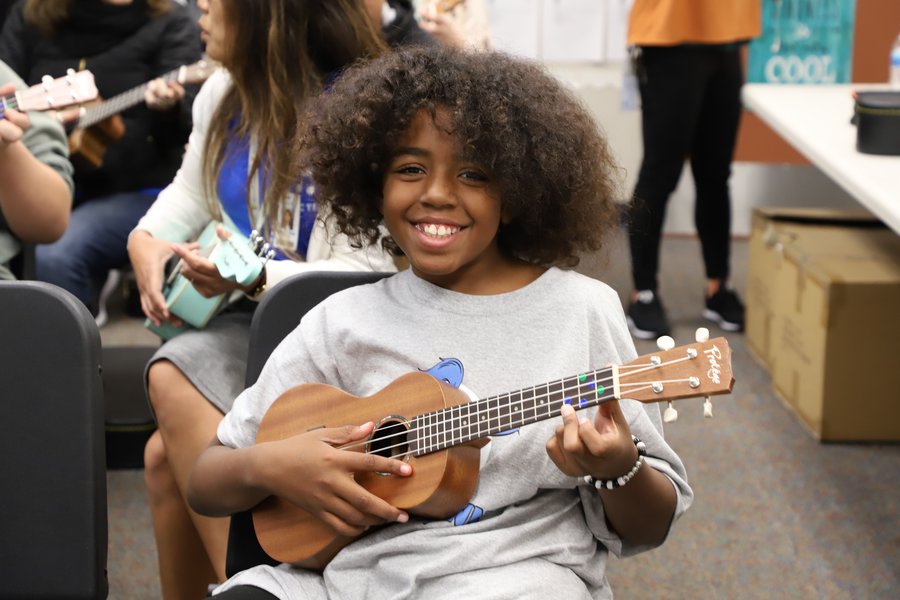
Introducing children to instruments is a key part of many music curricula.
Structuring a 6-Month Program: A Phased Approach
A 6-month curriculum can be broken down into progressive phases. For example:
- Months 1-2: Foundations & Exploration. Focus on fundamental concepts like beat, rhythm, and pitch through listening, movement, and simple songs. Introduce basic instruments and encourage sound exploration.
- Months 3-4: Skill Development & Introduction to Notation. Build on foundational skills. Introduce simple rhythmic and melodic notation. Expand repertoire and incorporate more complex ensemble activities.
- Months 5-6: Application & Creativity. Encourage students to apply learned skills through simple composition, improvisation, or preparing for a small performance. Deepen understanding of musical forms and styles.
This structure can be adapted based on the age group, from play-based activities for toddlers and preschoolers (e.g., using resources like Music for Kiddos or First Steps in Music) to more concept-driven lessons for elementary students (e.g., adapting K-6 curricula from Teachers Pay Teachers or Creative Music Room).
Comparing Music Program Features: A Visual Guide
The radar chart below offers a comparative look at typical focuses across different types of 6-month music programs. These are generalized profiles, and actual programs may vary. The scores (from 1 to 10, where 1 is low emphasis and 10 is high emphasis) reflect common pedagogical approaches for each category. Understanding these distinctions can help tailor a 6-month plan effectively.
This chart visualizes how different music programs might allocate emphasis across key pedagogical dimensions over a 6-month period. For instance, an "Infant Program" heavily relies on parental involvement and play-based learning with minimal formal theory, whereas a "Private Instrumental" program for older learners would likely prioritize instrumental skill and formal theory, with a moderate focus on performance.
Key Considerations for Different Age Groups in a 6-Month Plan
The following table outlines general approaches for teaching music over a 6-month period to various young age groups, highlighting distinct focuses and activities.
| Age Group | Primary Focus (6 Months) | Key Activities | Typical Session | Expected Outcomes (6 Months) |
|---|---|---|---|---|
| Infants (0-12 months) | Sensory exploration, bonding, rhythmic awareness, vocal play | Lullabies, action songs, gentle movement, playing with simple sound makers (shakers, bells), listening to diverse music | 10-20 min, 2-3 times/week | Increased responsiveness to music, early vocalizations, basic rhythmic sense, stronger caregiver bond |
| Toddlers (1-3 years) | Beat competency, gross motor skills, repertoire building, active listening | Movement songs, circle games, playing simple percussion instruments, story-songs, call-and-response | 20-30 min, 1-2 times/week | Ability to keep a steady beat, expanded song vocabulary, participation in group music-making, improved coordination |
| Preschoolers (3-5 years) | Melodic contour, dynamics, simple notation introduction, imaginative play through music | Singing varied songs, exploring instrument sounds, musical storytelling, introduction to rhythmic notation (e.g., ta, ti-ti), creative movement | 30-45 min, 1-2 times/week | Recognition of high/low, loud/soft; basic rhythmic reading; expressive movement; early ensemble skills |
| Early Elementary (K-2 / 5-7 years) | Formal introduction to music elements (rhythm, melody, harmony, form, timbre), reading basic notation, playing classroom instruments | Singing in parts, playing pitched/unpitched percussion, reading/writing simple rhythms and melodies, learning about instrument families | 30-45 min, 1-2 times/week | Ability to read and perform simple musical patterns, identify instruments, sing accurately, basic understanding of musical structure |
Tips for Successfully Implementing a 6-Month Music Teaching Manual
- Consistency and Repetition: Especially for younger learners, repeating songs, activities, and concepts helps build familiarity and confidence.
- Regular Assessment and Adaptation: Periodically check student understanding (e.g., every 4-6 weeks) and adjust plans as needed. Be flexible.
- Incorporate Multi-Sensory Learning: Engage students through auditory, visual, and kinesthetic activities (listening, seeing, doing).
- Customize for Your Setting: Adapt lesson length, complexity, and resources based on whether you're teaching private lessons, group classes, or in a school environment.
- Utilize Supplemental Materials: Worksheets, online games, play-along tracks, and apps can enhance learning and cater to diverse interests.
- Foster Musicality and Enjoyment: Beyond technical skills, nurture a love for music. Keep lessons fun, creative, and motivating.

Individualized instruction, like this drum lesson, can be part of a tailored 6-month plan.
Recommended Video Resource: Lesson Planning Insights
For educators looking to structure their music lessons effectively, whether for a single unit or a longer curriculum, understanding the fundamentals of lesson planning is key. The video below offers practical strategies for creating music lesson units, which can be invaluable when developing or adapting a 6-month teaching plan.
This video, "How to Create a Music Lesson Unit / Lesson Planning Tips," provides actionable advice on structuring lessons, sequencing concepts, and engaging students in the elementary music classroom. These principles are broadly applicable and can help ensure your 6-month music teaching journey is well-organized and impactful.
Frequently Asked Questions (FAQ)
What are the main goals of teaching music to 6-month-old infants?
The primary goals are not formal music education but rather developmental. They include:
- Sensory Stimulation: Exposing infants to varied sounds, rhythms, and melodies.
- Cognitive Development: Helping to build neural pathways and pattern recognition.
- Language Development: Familiarizing them with the sounds and rhythms of speech through songs and rhymes.
- Motor Skill Development: Encouraging movement and coordination through gentle activities like bouncing or clapping.
- Emotional Bonding: Strengthening the caregiver-infant bond through shared, joyful musical experiences.
How long should music sessions be for young children in a 6-month program?
Session length should be tailored to the age and attention span of the children:
- Infants (0-12 months): 5-15 minutes, focusing on quality interaction.
- Toddlers (1-3 years): 20-30 minutes.
- Preschoolers (3-5 years): 30-45 minutes.
- Elementary (K-6): 30-50 minutes, depending on the school schedule and specific goals.
Why is repetition important when teaching music over several months?
Repetition is crucial for several reasons, especially with younger learners and over an extended period like 6 months:
- Reinforces Learning: Repeated exposure to songs, rhythms, and concepts helps solidify them in a child's memory.
- Builds Confidence: Familiarity allows children to participate more actively and confidently.
- Develops Mastery: Each repetition can offer a chance to understand a concept more deeply or execute a skill more proficiently.
- Provides Comfort and Security: Predictable elements in a lesson can be comforting, especially for young children.
- Facilitates Deeper Engagement: Once a song or activity is familiar, children can focus on more nuanced aspects, like dynamics or expressive qualities.
Can I adapt a general year-long music curriculum for a 6-month timeframe?
Yes, many general music curricula designed for a full year can be adapted for a 6-month period. Here’s how:
- Prioritize Core Concepts: Identify the most essential skills and concepts you want students to grasp in six months.
- Condense Units: Combine related topics or select key activities from longer units.
- Adjust Pacing: You may need to move more quickly through some material or focus more deeply on fewer topics.
- Focus on Foundational Skills: Ensure that students build a strong base in fundamental musical elements.
- Select Representative Repertoire: Choose pieces that effectively teach the target concepts within the shorter timeframe.
What are some diverse resources for building a 6-month music teaching plan?
There's a wealth of resources available. Consider these options:
- Comprehensive Curricula: "First Steps in Music" (Feierabend), Kindermusik kits, and Musikgarten manuals offer structured, long-term plans adaptable for various ages.
- Online Marketplaces: Teachers Pay Teachers has numerous year-long and unit-based curricula (e.g., "Elementary General Music Curriculum K-6") that can be tailored to six months.
- Specific Program Packages: "Newsongs Music 6-Month Music Lessons Package" offers a direct private lesson structure.
- Free Online Resources: Websites like "Creative Music Room" and "Let's Play Music" provide free lesson plans and activity ideas.
- Concept-Based Materials: Abeka Music Manuals offer flashcards and worksheets for theory concepts that can be integrated into a broader plan.
- Specialized Manuals: "Private Music Lessons: A Manual for Teachers" (Conway Publications) provides activities suitable for various private teaching contexts.
Recommended Further Exploration
- How can I effectively structure a monthly music lesson plan specifically for preschool-aged children?
- What are some of_the most engaging interactive music activities for toddlers that specifically target rhythm and coordination development?
- What strategies are effective for adapting a standard elementary general music curriculum to suit mixed-age groups within a classroom?
- How can I accurately assess musical progress in young children over several months without relying on formal tests or written assessments?
References

 rhythmexpress.wordpress.com
Last updated May 15, 2025