
Market Comparison for a New Music Tokenization Company
An in-depth analysis of key players, market trends, and competitive advantages
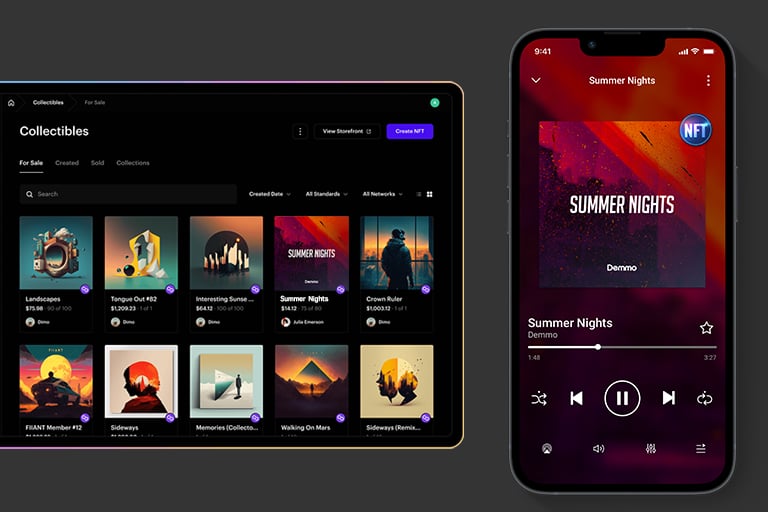
Key Highlights
- Innovative Blockchain Applications: New market entrants must leverage robust and emerging blockchain technologies to offer seamless, secure transactions, and low-fee operations.
- Enhanced Fan and Artist Engagement: Successful platforms integrate unique monetization models, including fractional ownership of music rights and direct fan interaction to create vibrant, engaged communities.
- Transparent Royalty and Copyright Systems: Transparent and fair royalty distribution coupled with strong copyright management practices are critical for building trust in the evolving market.
Overview of Music Tokenization Market
The music industry is in the midst of a radical transformation driven by disruptive technologies such as blockchain and NFTs. Music tokenization involves converting tangible and intangible music assets – including song rights, royalties, and copyrights – into digital tokens that can be traded on decentralized platforms. By doing so, the industry unlocks new revenue streams, democratizes investment in music, and offers innovative monetization opportunities for both artists and fans. As Web3 technology matures, companies entering this space must contend with established players while also addressing challenges like regulatory compliance, scalability, and transparent copyright management.
Emerging Trends
The catalyst behind the music tokenization revolution is the rapid adoption of blockchain technology across industries. Several trends are especially significant:
- Fractional Ownership: Platforms now allow fans and investors to buy portions of a song’s or album's revenue stream, thus distributing investment risks and rewards among a broader audience.
- Decentralized Marketplaces: By leveraging decentralization, new entrants can bypass traditional intermediaries, thereby reducing fees and streamlining royalty payments.
- Direct Artist-Fan Connections: The integration of NFTs and tokenized royalties fosters closer bonds between artists and their supporters, allowing fans to own pieces of their favorite music.
- Integration with DeFi: Some platforms are merging music investment with decentralized finance, offering loans and other payable instruments secured by future royalties.
- Eco-friendly Blockchain Solutions: With increased environmental concerns, new companies are exploring sustainable blockchains such as Polygon, Solana, or emerging networks which prioritize eco-friendly consensus algorithms.
Competitive Landscape
A variety of companies currently occupy the music tokenization space, each offering unique solutions. Below is an analysis of the key competitors that a new entrant would likely face:
Established Platforms and Innovators
Audius
Audius operates a decentralized music streaming service that has rapidly expanded into music tokenization. With a focus on direct artist-compensation models and transparent revenue distribution, Audius offers robust community-based engagement. The platform leverages blockchain to eliminate intermediaries, ensuring fair payouts for content creators while fostering active user communities.
Royal
Royal distinguishes itself by enabling fans to invest directly in individual tracks. The platform uses NFTs to offer fractional ownership in songs, meaning that fans and investors can earn royalties alongside the artists. This democratization of music investment creates a dynamic environment where investment decisions transcend traditional barriers, giving rise to a more collaborative economy.
Opulous
Opulous combines elements of decentralized finance with music rights tokenization. Its business model involves enabling artists to secure loans against future royalty streams. This form of asset-backed lending provides crucial upfront capital for independent artists without ceding control over their intellectual property. In addition, Opulous stands out for its transparent financial instruments which attract investors looking for next-generation revenue models in music.
Sound.xyz
Sound.xyz is primarily known as an NFT marketplace that caters to music creators. Its unique selling proposition is that artists retain close to 100% of their primary and secondary sales revenue, making it a highly attractive platform for those wishing to maximize profits. By emphasizing full artist control and innovative NFT mechanisms, Sound.xyz positions itself as both a marketplace and a robust ecosystem for digital collectibles.
TuneGO
TuneGO specializes in digital collectibles within the music sphere using the Flow blockchain. Its platform is designed for both artists and collectors, offering engaging community-building tools, targeted advertising and novel methods of distributing digital rights. TuneGO’s emphasis on integrating artistic creativity with investment potential solidifies its market position.
Specialized Tokenization and NFT Marketplaces
Music Tokenization Specialists
Beyond the big names, the market features companies that are laser-focused on the tokenization process. These firms offer frameworks specifically tailored for converting music rights, royalties, and intellectual property into digital assets. Their advantages include:
- Specialized infrastructures that address transparency in royalty distribution.
- Platforms designed to mitigate delays in payments or disputes over fractional ownership.
- Systems that cater specifically to copyrights and licensing challenges in the music world.
Companies in this niche leverage their expertise in blockchain technology to create secure, user-friendly interfaces that facilitate music tokenization with minimal friction.
Anotherblock
Anotherblock is noted for its innovative approach to tokenizing musical rights from streaming services like Spotify and Apple Music. By offering fractional ownership options, Anotherblock enables both fans and investors to participate in the revenue generation of popular tracks, thus blurring the lines between traditional music investments and modern digital asset ownership.
Integrated Blockchain and Real-World Asset Solutions
Blockchain-Based Music Platforms
Several companies are advancing by integrating real-world asset (RWA) tokenization with blockchain. Plume Network, for example, has partnered with music protocols to bring traditional music intellectual property on-chain. This integration opens avenues for a more permanent and immutable recording of rights and ownership, which is particularly valuable in the increasingly digital and decentralized creative industry.
Companies like Ondo Finance provide further evidence of how tokenization can extend beyond music and into fixed-income assets, indicating that innovative financial instruments are reshaping investment models globally. For a new entrant, exploring cross-sector tokenization could lead to competitive advantages not only in music but potentially in broader entertainment investment models.
Comparative Table of Market Competitors
| Company | Focus Area | Blockchain Platform | Unique Features | Target Audience |
|---|---|---|---|---|
| Audius | Decentralized streaming & tokenization | Initially Ethereum, later Solana | Direct artist payouts and community engagement | Artists and music lovers |
| Royal | Fractional tokenization of music rights | Ethereum | NFT-based fractional ownership and royalty sharing | Fans, investors, and independent artists |
| Opulous | DeFi solutions for music royalties | Ethereum | Secured artist loans via future royalties | Independent artists and financial investors |
| Sound.xyz | Music NFT marketplace | Ethereum with Layer 2 rollups | 100% revenue retention for artists | Digital artists and collectors |
| TuneGO | Digital collectibles and tokenized rights | Flow | Community-building and targeted advertising | Artists and digital asset collectors |
| Anotherblock | Tokenization of streaming rights | Ethereum | Fractional ownership of major music rights | Investors and fans interested in streaming royalties |
| Music Protocol | Blockchain monetization of music IP | Primarily Ethereum partnerships (e.g., with Plume Network) | Enables on-chain migration of music intellectual property | Artists and investors looking for new revenue models |
Strategic Considerations for a New Entrant
For a new music tokenization company trying to carve a niche in a rapidly evolving market, several strategic considerations are paramount:
Utilizing Advanced Blockchain Technologies
Adopting robust blockchain networks is crucial for ensuring low transaction fees, faster processing, and high scalability. Emerging blockchains like Polygon and Solana are rapidly gaining traction due to their eco-friendly protocols and cost-effective operations. A new company needs to evaluate these platforms to determine which best aligns with its operational goals and provides the highest level of security and transparency for music rights.
Enhancing Artist and Fan Engagement
In today’s competitive landscape, successful platforms are those that bridge the gap between artists and their fans. Novel features such as exclusive tokenized content drops, interactive fan clubs, and direct royalty sharing facilitate lasting bonds between creators and their audience. By developing personalized experiences – for instance, invitation-only NFT releases or limited-edition collectibles – a new entrant can drive adoption and strengthen community loyalty.
Implementing Transparent Royalty Distribution
One of the primary concerns in the music industry is ensuring that artists receive fair compensation for their work. Blockchain provides an immutable ledger to track music rights and revenue generation, thereby increasing confidence among investors and creators. A platform that focuses on transparent and reliable royalty distribution mechanisms can differentiate itself by solving longstanding issues of delayed or opaque payments.
Ensuring Robust Copyright and Licensing Management
The complexity of music rights – involving multiple stakeholders, interim payments, and licensing agreements – requires sophisticated management solutions. New companies must invest in systems that securely manage these rights on-chain, ensuring that all involved parties receive their due share while maintaining legal compliance. This includes integrating smart contracts that automate payments and manage ownership transfers with accuracy and fairness.
Exploring Market Expansion Opportunities
Beyond music tokenization, companies can explore hybrid models that integrate other digital assets and real-world asset tokenization. By expanding into areas such as merchandising, event ticketing, or exclusive digital experiences, a new platform can create a comprehensive ecosystem that offers a one-stop solution for music industry investments.
Financial and Performance Metrics
When comparing potential competitors, examining financial and performance metrics can offer useful insights. Metrics such as transaction throughput, average royalty distribution time, user base growth rate, and integration with traditional financial instruments (for example, artist loans and asset-backed financing) are valuable indicators of a platform’s market position.
A new entrant should consider benchmarking these against established players. As the market grows, a company’s ability to scale operations and adapt to fluctuating market conditions will be critical. Establishing partnerships with established blockchain networks and regulatory bodies can further reinforce a platform’s credibility in a competitive trade environment.
Risk Factors in the Tokenization Landscape
Despite the many opportunities, there are notable challenges in the music tokenization landscape. Market volatility in cryptocurrencies, evolving regulatory frameworks, potential copyright disputes, and international licensing complications all represent risk factors that must be proactively addressed. Companies should design dynamic risk management strategies to deal with these uncertainties while ensuring they maintain competitive agility.
Technology and Platform Development
The technology framework behind any tokenization platform is critical. New companies must invest in comprehensive blockchain infrastructure and user-friendly interfaces that facilitate seamless token creation, trading, and royalty management. Leveraging expertise in smart contract development is essential to ensure transparency, security, and efficient dispute resolution. A robust tech backbone will not only improve operational efficiency but also reinforce stakeholder trust in the platform’s long-term viability.
Interoperability and Cross-Chain Functionality
As the digital asset market evolves, the need for cross-chain compatibility becomes increasingly important. Enabling interoperability means that tokens and digital assets can be utilized across various platforms and blockchain networks, enhancing liquidity and broadening the market for tokenized assets. For a new music tokenization company, integrating cross-chain features can unlock additional investment opportunities and provide flexible mechanisms for investors and artists alike.
Service Differentiators for Market Penetration
To secure a lasting foothold in the market, differentiation is key. New entrants need to develop unique service propositions that go above and beyond what existing competitors offer. This includes:
- Offering customizable tokenization options tailored for different types of music assets.
- Providing enhanced security measures such as multi-signature wallets and decentralized identity verification for artists.
- Integrating social and interactive features that allow fans to influence creative decisions or vote on releases.
- Adopting an omni-channel customer support strategy to help onboard traditional music professionals to the blockchain environment.
These services can help a new music tokenization company create a unique market identity while meeting the evolving demands of both the music industry and digital asset investors.
References
- Story Protocol Tokenizes Music Copyrights - BeInCrypto
- Music Tokenization: A Breakthrough in the Music Industry - Restifi
- Blockchain Music Innovation Examples - Built In
- Music Protocol Taps Plume Network - Crypto News
- Web3 Music Companies - The Mobile Reality
Recommended Searches
Last updated March 8, 2025