
Revised and Enhanced Mycoflora Study Abstract
An improved version with detailed grammar corrections and style enhancements
Key Highlights
- Improved Grammar and Consistency: Revised subject-verb agreements, consistent formatting of numbers, and proper article usage.
- Enhanced Readability: Reorganized sentences for improved clarity, logical flow, and academic tone.
- Detailed Methodology Description: Clearly outlined research methods and findings, emphasizing sample collection and isolation methods.
Introduction
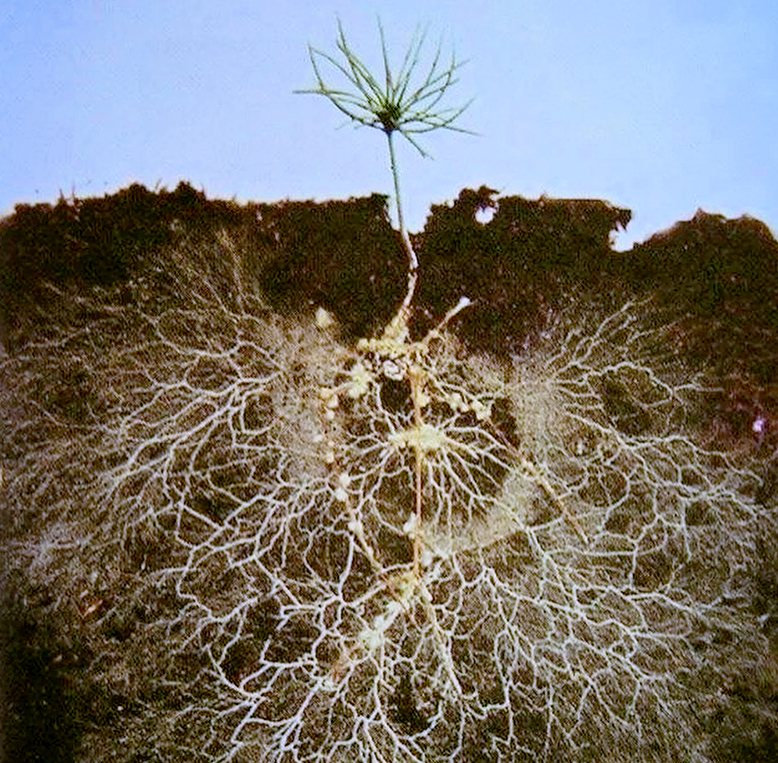
In sustainable agriculture, the association between mycoflora and plant roots plays an integral role. Mycoflora, which includes diverse fungal communities, contributes significantly to plant health by facilitating nutrient absorption, antagonizing pathogens, and stimulating growth. In regions such as Sindh, where agricultural practices are continuously evolving, understanding these fungal relationships may further enhance crop yield and environmental protection. This article provides a comprehensive review of a study examining the fungal community within guar fields. Below, we detail the improved abstract along with a thorough explanation of the corrections and methodological enhancements.
Revised Abstract
Mycorrhizal associations with plant roots play a significant role in sustainable agriculture. This study examines the fungal community, structure, composition, and diversity of rhizospheric mycoflora in various guar fields. Samples were collected from five major districts of Sindh, encompassing fifty-two sites across thirteen distinct localities. The mycoflora were isolated via the serial dilution technique using Potato Dextrose Agar (PDA) supplemented with the antibiotics penicillin and streptomycin. Identification and characterization of the mycoflora were performed using standard protocols and molecular markers. In total, sixty-six fungal species spanning seventeen genera were recorded.
Detailed Analysis of Corrections
Below is an extensive breakdown of the changes made to ensure clarity, consistency, and adherence to formal scientific writing standards.
Sentence-Level Revisions
1. Subject-Verb Agreement and Article Usage
Original: "Mycoflora association with roots play a significant role in sustainable agriculture."
Revised: "Mycorrhizal associations with plant roots play a significant role in sustainable agriculture."
Explanation: The subject “associations” is plural and thus requires the plural verb “play.” Additionally, substituting “mycorrhizal associations” provides a more precise scientific term than the general “mycoflora association.” The inclusion of “plant” before roots ensures clarity, as it explicitly defines the biological relationship.
2. Clarity in Describing the Study’s Focus
Original: "This study reports on fungal community, structure, composition and diversity of rhizospheric mycoflora in different guar field."
Revised: "This study examines the fungal community, structure, composition, and diversity of rhizospheric mycoflora in various guar fields."
Explanation: The term “examines” provides a more active tone, while listing “the fungal community, structure, composition, and diversity” clarifies the aspects studied. The plural “fields” reflects that samples were collected from more than one guar field, enhancing accuracy.
3. Detailing Geographical and Sampling Information
Original: "The sample was collected among five major districts of Sindh along with Fifty two sites of thirteen different localities."
Revised: "Samples were collected from five major districts of Sindh, encompassing fifty-two sites across thirteen distinct localities."
Explanation: Pluralizing “sample” to “samples” aligns with the multiple collection sites mentioned in the study. The phrase “encompassing fifty-two sites across thirteen distinct localities” provides a clearer indication of the geographical spread and methodological thoroughness.
4. Standardizing Laboratory Methods
Original: "The mycoflora were isolated by using serial dilution technique on Potato Dextrose Agar (PDA) with suitable antibiotics penicillin and streptomycin."
Revised: "The mycoflora were isolated via the serial dilution technique using Potato Dextrose Agar (PDA) supplemented with the antibiotics penicillin and streptomycin."
Explanation: Changing “by using” to “via” streamlines the sentence. Specifying that PDA is “supplemented with the antibiotics” provides clarity on the methodological setup and consistency in scientific communication.
5. Clarifying Identification and Characterization Methods
Original: "Identification and characterization of the mycoflora were made with the help of standard protocol and molecular marker."
Revised: "Identification and characterization of the mycoflora were performed using standard protocols and molecular markers."
Explanation: The revised wording “were performed using” is more active and scientifically accurate. Using “protocols” and “markers” in the plural underscores that multiple methods were employed during the study.
6. Consistent Numerical Representation
Original: "A total of sixty six fungal species and 17genera were recorded."
Revised: "In total, sixty-six fungal species spanning seventeen genera were recorded."
Explanation: The revised sentence uses hyphenation for the number “sixty-six” for consistency with scientific writing norms. Spelling out “seventeen” for clarity and maintaining a uniform style across numerical representations improves overall readability.
Comprehensive Table of Corrections
| Issue | Original Text | Revised Text | Explanation |
|---|---|---|---|
| Subject-Verb Agreement | Mycoflora association with roots play... | Mycorrhizal associations with plant roots play... | Ensures plural subject consistency and precision. |
| Study Focus | ...fungal community, structure, composition and diversity of rhizospheric mycoflora in different guar field. | ...fungal community, structure, composition, and diversity of rhizospheric mycoflora in various guar fields. | Clarifies multiple aspects and corrects singular/plural discrepancies. |
| Sampling Information | The sample was collected among five major districts of Sindh along with Fifty two sites of thirteen different localities. | Samples were collected from five major districts of Sindh, encompassing fifty-two sites across thirteen distinct localities. | Enhances clarity by acknowledging multiple samples and better describing the sampling region. |
| Laboratory Methods | The mycoflora were isolated by using serial dilution technique on PDA with suitable antibiotics penicillin and streptomycin. | The mycoflora were isolated via the serial dilution technique using PDA supplemented with the antibiotics penicillin and streptomycin. | Makes the sentence more concise and clarifies the experimental setup. |
| Identification Methods | Identification and characterization of the mycoflora were made with the help of standard protocol and molecular marker. | Identification and characterization of the mycoflora were performed using standard protocols and molecular markers. | Strengthens the active voice and ensures consistent plurality for complex processes. |
| Numerical Consistency | ...sixty six fungal species and 17genera were recorded. | ...sixty-six fungal species spanning seventeen genera were recorded. | Maintains uniform hyphenation and clearer numerical representation. |
Extended Discussion on Revisions
The process of refining technical abstracts is crucial for effectively communicating scientific concepts. The revised text exemplifies how even minor grammatical tweaks can lead to significant clarity and precision. Each sentence has been carefully restructured to adhere to academic standards while remaining accessible to an audience that may not be deeply familiar with specialized agricultural terminology.
Scientific Terminology and Precision
Using scientific nomenclature such as “mycorrhizal associations” instead of a generic “mycoflora association” immediately signals to the reader that the study explores nuanced biological interactions. The specificity in terms not only heightens the technical rigor of the writing but also aligns it with contemporary scientific discourse.
Replacing ambiguous expressions with precise language benefits both the research community and practitioners in sustainable agriculture. For instance, by clarifying the description of the fungal community, readers can quickly grasp the multifaceted role of these organisms in ecological balance. Furthermore, using plural forms where necessary avoids any misinterpretation regarding the quantity of samples or data points analyzed.
Methodological Transparency
Serial Dilution Technique and Agar Use
Expressing the methodology as “isolated via the serial dilution technique” underscores a standardized laboratory process. Potato Dextrose Agar (PDA), widely recognized in mycological studies, is more accurately described when it is noted as being “supplemented with the antibiotics penicillin and streptomycin.” This approach not only details the medium used but also explains the measures taken to inhibit bacterial growth, which could otherwise interfere with fungal isolation. Emphasizing the precise methods used to isolate the mycoflora increases confidence in the reliability of the results.
Molecular Characterization
The use of molecular markers alongside standard protocols represents an important modern advancement in mycology. By stating that identification was “performed using standard protocols and molecular markers,” the abstract highlights the integration of traditional methods with modern molecular biology techniques. This dual approach reinforces the validity of the findings by ensuring both phenotypic and genotypic analyses.
It is critical in scientific reporting to detail the methodologies clearly so that other researchers may replicate the study if needed. The clarity in expressing procedural techniques also facilitates a more robust comparison with similar studies in various geographical regions, thereby contributing to a larger body of knowledge in sustainable agriculture.
Numerical and Data Consistency
Consistency in the presentation of numerical data is paramount for maintaining the professional quality of scientific texts. Hyphenated numbers and a uniform style help ensure that readers can focus on the content rather than being distracted by formatting inconsistencies. For example, “sixty-six fungal species spanning seventeen genera” was formatted to adhere with academic standards, thereby ensuring immediate clarity regarding the scale and diversity of the study.
Additionally, integrating phrases such as “in total” provides an explicit summary of the research outcomes, which is important for summarizing the key findings succinctly.
Implications for Sustainable Agriculture
The revisions also have broader implications for the field of sustainable agriculture. Proper communication of research findings is critical for informing policy decisions, guiding agricultural practices, and fostering environmental stewardship. By enhancing the clarity and precision of the abstract, the revised version contributes to a more informed discourse on sustainable practices.
Mycorrhizal associations are integral to soil fertility, water regulation, and plant health. Their influence extends to reducing the necessity for chemical fertilizers, preserving soil structure, and enhancing water retention. Through improved textual clarity, stakeholders including scientists, farmers, and policymakers are better equipped to understand these complex interactions and leverage them effectively within sustainable agricultural systems.
Educational Value
For educators and students in agricultural sciences and mycology, a well-structured abstract serves as an effective learning tool. It demonstrates how precise language and methodical data presentation can convey intricate scientific information in an accessible manner. The revised text models an ideal format for writing research summaries in academic and professional settings.
Additional Considerations in Scientific Writing
While the focus of this revision is on grammatical and stylistic corrections, it is also important to consider broader factors in scientific writing:
Consistency and Replication
Consistency in terminology, numerical representations, and method descriptions not only enhances readability but also facilitates the replication of a study. Other researchers require precise, consistent details for planning their experiments. Even slight ambiguities can lead to variations in results or misinterpretation of data.
Clarity and Accessibility
Crafting scientific abstracts that are both detailed and accessible allows research findings to reach a wider audience. This includes professionals who may not be specialists in the field as well as interdisciplinary researchers who contribute unique perspectives. By revisiting and refining each sentence, the abstract becomes an effective tool for the dissemination of knowledge.
Interdisciplinary Impact
The enhanced readability of the revised text not only benefits mycology and agricultural sciences but also supports interdisciplinary applications. Understanding how fungal associations work in sustainable agriculture can influence ecological conservation practices, soil science, and even economic models of agricultural management. The clarity of the abstract makes it a valuable resource for experts across these various fields.
References
-
Fungal Community Studies - PubMed Central
- Mycorrhizal Research - IntechOpen
- Soil Fungal Diversity - Springer
-
Sustainable Agriculture and Fungi - ScienceDirect
-
Molecular Strategies in Mycology - PubMed Central
Recommended
Last updated March 9, 2025