
Exploring the Heritage, Traditions, and Local Identity
A deep dive into the culture of Nagsincaoan, Cabugao, Ilocos Sur
Highlights
- Rich Indigenous Craftsmanship: Traditional practices like basket weaving (panaglaga ti bigao) showcase the ingenuity and cultural expression of the local communities.
- Cultural Dance and Festivals: The unique dance form that emerged from traditional crafts reinforces community pride and deepens local identity.
- Environmental and Historical Connection: The heritage of Nagsincaoan is intertwined with its agricultural past, natural surroundings near the Cordillera Mountains, and historical settlement patterns.
Introduction to Nagsincaoan
Nagsincaoan, situated within the municipality of Cabugao in Ilocos Sur, Philippines, is a barangay that serves as a living testament to the rich cultural tapestry of the region. The community is renowned for its deep-rooted indigenous heritage, which is expressed through a multitude of traditional crafts, dance forms, and historical practices that continue to define the local identity. Nestled in a landscape that transitions from dense forests to cultivated terrains near the formidable Cordillera Mountain Range, Nagsincaoan embodies both nature’s bounty and the resilience of its people.
Geographical and Historical Overview
The name “Nagsincaoan” is derived from the native term “sincao,” which historically referred to the wooden yokes used for carabaos and bullcarts—a nod to the area's agricultural roots. Originally a forested region, local inhabitants once journeyed into these woodlands to gather materials for farm implements. Over time, these gatherings morphed into a structured settlement where cultural practices were refined and passed down through the generations. The community, although remote, has experienced gradual population growth, expanding from 235 individuals in 1990 to 418 in 2020. This evolution not only marks demographic changes but also mirrors the adaptive strategies that have allowed traditional practices to flourish even in the face of modern challenges.
The Indigenous Peoples and Their Cultural Identity
Central to the heritage of Nagsincaoan is its indigenous community, which comprises primarily the Itneg or Tingguian peoples. Despite influences from external religions and modernization—most notably Catholicism mingling with animistic traditions—the indigenous community in Nagsincaoan has managed to preserve a unique cultural identity. Their traditions are both a reflection of historical practices and an evolving narrative of resilience.
Traditional Crafts and Artisanal Practices
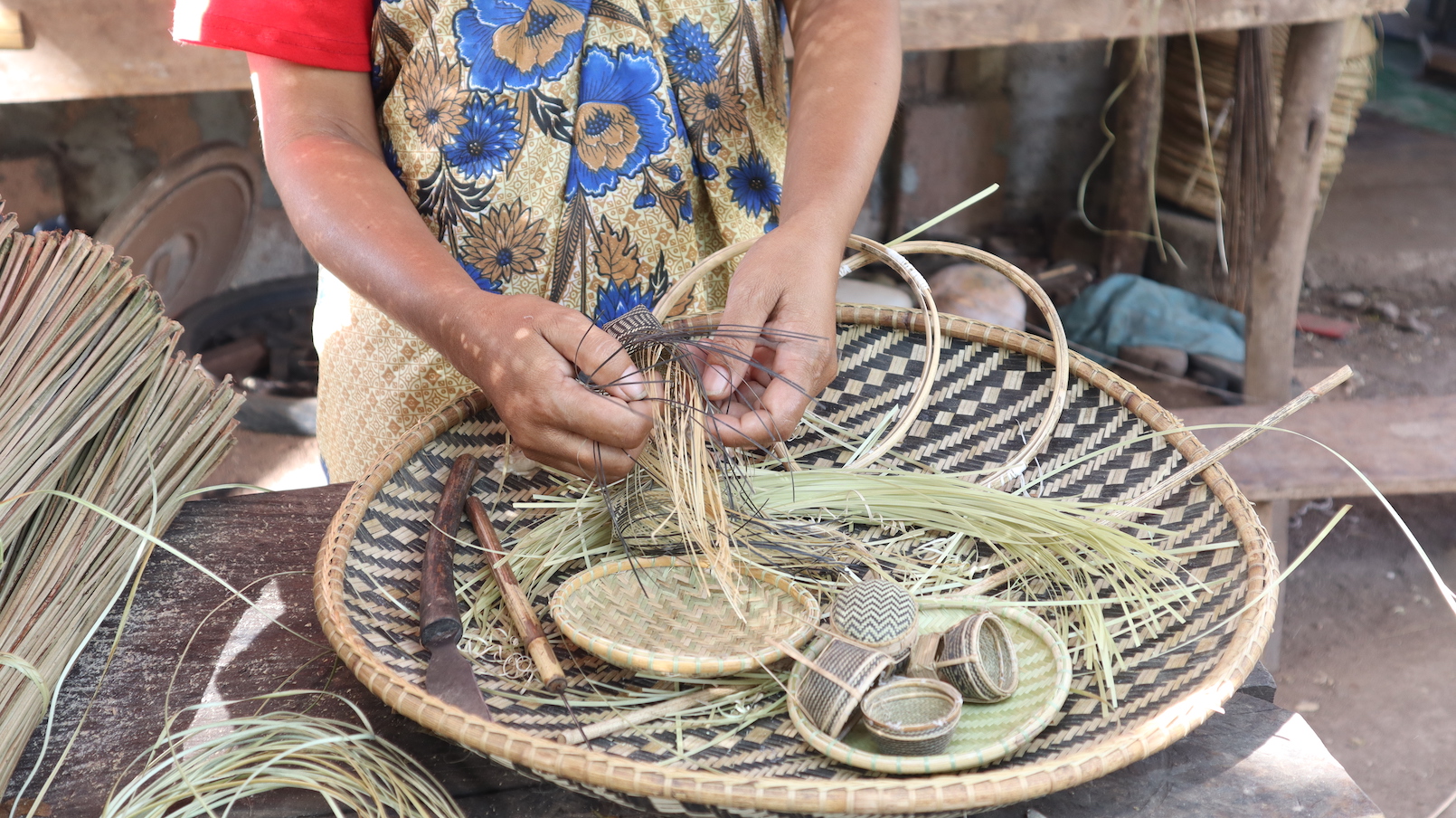
One of the most celebrated practices in Nagsincaoan is the craft of making winnowing baskets, popularly known as “bigao.” This process, referred to locally as "panaglaga ti bigao," is much more than a mere craft—it is a vital cultural ritual that sustains daily life and intertwines functionality with art. Local artisans meticulously cut and weave bamboo to create these baskets, which not only serve practical purposes in daily chores but also act as symbols of cultural identity. The traditional methods have been refined over generations, ensuring that each piece produced embodies distinct artistic expression and communal history.
The crafting of these baskets reflects a harmonious balance between aesthetics and utility. The materials, predominantly bamboo, are sourced from the local environment, reinforcing the community’s intimate connection with nature. As these practices are passed from elders to the youth, they also become conduits of stories, techniques, and the deeper significance of sustainability and resourcefulness.
Cultural Dance and Performance
Another notable aspect of the heritage in Nagsincaoan is the development of a dance form that draws inspiration from its traditional crafts. The "Gaynek ta Cabiga-o" dance vividly represents the rhythmic movements and artistry of basket weaving. Born from the need to both celebrate and reinforce the traditional craft of making “bigao,” this performative art melds the practical with the ceremonial.
The dance is much more than entertainment—it functions as a living cultural archive. By incorporating elements of the basket weaving process into choreographed movements, the dance reinforces community pride and educates new generations about their cultural practices. Festival days and communal gatherings provide the backdrop for this dance, which not only entertains but also solidifies communal bonds and shared identity.
Cultural Festivals and Community Life
Community events and local festivals play an integral role in sustaining the cultural legacy of Nagsincaoan. During these gatherings, storytelling, traditional games, music, and dance converge to create a vibrant tapestry of communal celebration. Traditional games serve as a link to the past, evoking memories of ancestral practices while instilling a sense of pride among the younger members of the community.
Festivals often act as the centerpiece of cultural life, bridging the gap between the past and present. They provide an opportunity for both the community and visitors to experience the multifaceted aspects of indigenous traditions—from the delicate art of weaving to the dynamic expression of dance. The adherence to these traditions, even in the face of external influences like modernity and globalization, speaks volumes about the resilience and adaptability of these indigenous practices.
The Intersection of Environment and Culture
Nagsincaoan’s cultural identity cannot be fully understood without considering its deep connection to the natural world. The proximity to the Cordillera Mountain Range and the local agricultural practices have both shaped and been shaped by the community’s traditional ways.
Environmental Resources as Cultural Catalysts
The environment around Nagsincaoan has greatly influenced its traditional practices. The area’s natural resources, most notably bamboo, are central to both its economy and cultural identity. Bamboo, a versatile material, is used not only in basketry but is also integral to various other local crafts, underlining a sustainable relationship with nature. This reliance on natural resources serves as a reminder of humanity's ability to coexist harmoniously with the environment.
Additionally, the local agricultural practices, which include the cultivation of crops using age-old techniques, reflect a traditional knowledge system that is intimately tied to the land. The historical use of wooden implements such as the “sincao” in farm work underscores the agricultural roots of the community. In this context, traditional agriculture is both a practical necessity and a cultural expression of the interplay between land and livelihood.
Historical Development and Land Use
The transition of Nagsincaoan from a dense forest to a settled agricultural community is a testament to the resourcefulness of its inhabitants. Early settlers utilized the abundant natural resources to build the foundations of their agrarian society. As the community grew, it adapted its farming techniques and integrated traditional craftsmanship into everyday life.
Demographic changes over the decades have also played a role in shaping the local heritage. While the population has seen a steady increase, the community has maintained its cultural distinctiveness. A table summarizing demographic trends illustrates this development:
| Year | Population | Key Cultural Notes |
|---|---|---|
| 1990 | 235 | Foundational traditional practices, emphasis on agrarian lifestyles |
| 2000 | ~300 | Expansion of traditional crafts and community gatherings |
| 2010 | ~370 | Revival of cultural dances and festivals celebrating indigenous heritage |
| 2020 | 418 | Enhanced documentation of cultural identity through education and media |
This steady growth not only showcases the resilience of the local community but also highlights the enduring relevance of traditional practices in an evolving socio-economic landscape.
Community Resilience and Cultural Preservation
Despite external pressures from globalization, modernization, and religious influences, the local community in Nagsincaoan remains deeply committed to preserving its cultural heritage. The synthesis of age-old traditions with modern influences is visible in community-led initiatives aimed at cultural preservation.
Transmission of Traditional Knowledge
The intergenerational transmission of indigenous knowledge is perhaps one of the most significant factors contributing to the community’s cultural resilience. Elders play a pivotal role, sharing not only the technical aspects of crafts like basket weaving but also the underlying philosophies that govern their practice. Through regular community workshops, festivals, and daily practice, traditional knowledge is passed to younger members, ensuring that these practices remain vibrant and contextualized to contemporary life.
Education plays a crucial role here. Informal education through community gatherings and formal inclusion in cultural programs help ensure that the heritage is not lost to the tides of time. The cultural dance and storytelling sessions during festivals act as immersive learning experiences, allowing participants to appreciate the aesthetic and historical significance of their heritage.
Community-Led Cultural Initiatives
In recent years, there has been a growing emphasis on cultural tourism as well as academic and governmental initiatives aimed at preserving indigenous heritage. Community centers, local museums, and cultural festivals have become hubs for celebrations of indigenous art forms. These initiatives have provided a platform for the indigenous people of Nagsincaoan to promote their crafts, traditional dances, and historical narratives to a broader audience.
The integration of technology in documenting and promoting traditional practices is also noteworthy. Digital archives, video documentaries, and social media platforms offer new avenues for cultural expression, ensuring that the heritage of Nagsincaoan reaches audiences far beyond its geographical borders. This strategic blend of preservation and innovation ensures that traditional practices remain relevant and economically viable.
Local Identity and Broader Cultural Connections
The local identity in Nagsincaoan is not isolated; it is part of a broader cultural continuum that encompasses the heritage of the Ilocano region as a whole. While the local practices such as basket weaving and indigenous dance have unique characteristics, they also serve as a microcosm of the larger Filipino cultural landscape.
Interplay of Indigenous and Colonial Influences
Although colonial history introduced elements such as Catholicism into the region, indigenous cultural practices have maintained a strong foothold. Rituals, traditional belief systems, and community-based celebrations operate alongside and sometimes in tandem with introduced practices. This intermingling has given rise to a hybrid cultural ecosystem where modern religious practices coexist with age-old traditions.
Additionally, the historical narrative of migration plays an influential role. Cabugao, outside of its indigenous heritage, is known as the origin of the Sacadas—Ilocano migrants who ventured overseas, particularly to Hawaii. This migratory experience has added layers to the local identity, blending local traditions with stories of diaspora and global interconnectedness.
Economic Impact and Sustainable Development
Traditional crafts not only serve as cultural expressions but also contribute significantly to the local economy. The making and sale of bamboo handicrafts and woven baskets help families sustain their livelihoods in a manner that is both culturally authentic and economically sustainable. This sustainable model of development underscores the potential of cultural heritage as an economic asset, encouraging community investment in traditional industries.
The practice of basket weaving and other traditional crafts, often passed down through generations, sustains not just cultural traditions but also creates a niche market for indigenous products. This concept of “cultural capitalism,” where heritage becomes a commodity that fuels local entrepreneurship, is a growing phenomenon in various indigenous communities around the world, with Nagsincaoan being a prime example.
Challenges and Future Prospects
While the rich cultural heritage of Nagsincaoan is cherished, the community also faces challenges that test its resilience. Globalization, rapid modernization, and changing economic landscapes pose threats to the continuity of traditional practices. However, there is also an opportunity here as younger community members increasingly recognize the importance of their heritage.
Preservation Versus Modernization
Balancing the preservation of heritage with the demands of a modern economy is a key challenge for the community. While modern educational and economic systems encourage new ways of living, the inherent value of indigenous practices in defining local identity remains strong. Members of the community have taken a proactive stance, ensuring that modern innovations complement rather than replace traditional methods. By integrating traditional art forms with modern platforms, such as digital media and cultural festivals, the indigenous community is carving out a pathway that respects the past while embracing the future.
The successful integration of old and new is evidenced by community-led initiatives that blend storytelling with technological documentation, ensuring that every craft, dance, and ritual is recorded for posterity. Additionally, collaborative efforts with local governments and non-profit organizations have brought much-needed resources and visibility to these efforts.
Cultural Revitalization Initiatives
Future prospects for Nagsincaoan involve a continued emphasis on cultural revitalization. Educational programs are increasingly incorporating local history and indigenous crafts into their curricula, making cultural preservation a community-wide priority. Workshops, festivals, and local media campaigns serve not only to entertain but also to educate and mobilize collective pride.
Prominent cultural figures and community leaders are inspiring a renewed interest among the youth to learn and carry forward the traditions of basket weaving, dance, and storytelling. This intergenerational exchange is key to maintaining an active, living culture that adapts to modern times without losing sight of its roots.
References
- Development of Gaynek Ta Cabiga-O Dance: A Way to Strengthen the ... - UnP Vector
- Nagsincaoan, Cabugao, Ilocos Sur Profile - PhilAtlas
- Historic Cabugao Town Catches Up as Tourist Haven in Ilocos - Blogger
- Cabugao - Wikipedia
- Barangay – Bayan ng Cabugao
- Ilocos Sur: The Heart of Ilocandia - Medium
- Development of Gaynek Ta Cabiga-O Dance - UnP Vector
- Indigenous Groups in Luzon - StudyDocu
- Ilocano People - Wikipedia
- Cabugao Local Government - Official Site
Recommended Related Queries
 lgucabugao.blogspot.com
 ilocosnortetraditionsgroup.wordpress.com
Last updated March 4, 2025