
Advising Someone Starting Naltrexone for Alcohol Use Disorder (AUD)
Comprehensive Guidance for Effective Naltrexone Therapy
Highlights of Naltrexone Therapy for AUD
- Preparation and Detoxification: It's crucial to stop alcohol and opioid use before starting naltrexone to avoid severe withdrawal symptoms.
- Comprehensive Treatment: Naltrexone is most effective when combined with behavioral therapy, counseling, and support groups.
- Monitoring and Side Effects: Regular monitoring of liver function and awareness of potential side effects like nausea and headache are essential.
Understanding Naltrexone
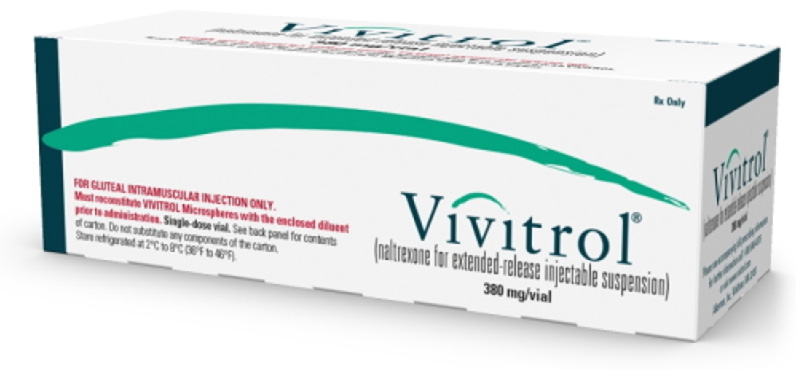
Naltrexone is a prescription medication approved by the FDA for the treatment of both Alcohol Use Disorder (AUD) and Opioid Use Disorder (OUD). It functions by blocking the opioid receptors in the brain, which diminishes the euphoric and intoxicating effects of alcohol and opioids. This mechanism helps to reduce cravings and can aid in managing the physiological dependence on these substances. Naltrexone is available in two forms: as a daily oral pill and as an extended-release intramuscular injection administered every four weeks.
Mechanism of Action
Naltrexone's primary function is to prevent the pleasurable effects of alcohol and opioids. By binding to opioid receptors, it blocks the ability of these substances to produce their characteristic high, thereby reducing the motivation to drink or use opioids. This can lead to a decrease in alcohol consumption and help prevent relapse.
Forms of Administration
Naltrexone can be administered in two ways:
- Oral Pill: Typically taken once daily at a dose of 50 mg. Some patients may use it under the Sinclair Method, taking it an hour before drinking to reduce alcohol intake specifically during that session.
- Extended-Release Injection: Administered every four weeks, providing a consistent level of the medication in the body without the need for daily dosing.
Preparing for Naltrexone Treatment
Before initiating naltrexone therapy for AUD, it is essential to undergo a period of detoxification. This ensures that the individual is not physically dependent on alcohol or opioids, as starting naltrexone while still dependent can lead to precipitated withdrawal, which can be severe and dangerous.
Detoxification Process
The detoxification process should be completed under medical supervision, usually requiring individuals to abstain from opioids for at least 7 to 10 days and from alcohol until withdrawal symptoms have subsided. A healthcare provider will assess the patient's readiness for naltrexone therapy, ensuring that they are no longer experiencing physical dependence on these substances.
Medical Evaluation
A thorough medical evaluation is crucial before starting naltrexone. This evaluation should include a review of the patient's medical history, current medications, and any allergies. Additionally, it is important to discuss any potential contraindications, such as pregnancy or breastfeeding, as naltrexone may not be safe for use in these conditions.
How to Take Naltrexone
The typical oral dosage of naltrexone for AUD is 50 mg once daily, though the healthcare provider may adjust this based on the individual's response and needs. The medication can be taken at any time of day, but consistency in timing is recommended. For those using the extended-release injection, it is administered every four weeks.
Dosage and Duration
The duration of naltrexone treatment varies but is generally recommended for at least 6 to 12 months. Some guidelines suggest a treatment duration of 3 to 4 months, but this can be extended based on individual needs and response to the medication. It's important for patients to adhere to the prescribed schedule to maximize the benefits of naltrexone.
Sinclair Method
The Sinclair Method involves taking naltrexone an hour before drinking to specifically target alcohol consumption during that session. This method has been shown to be effective in reducing overall alcohol intake and can be discussed with a healthcare provider as a potential treatment approach.
Side Effects and Safety
Naltrexone is generally well-tolerated, but like any medication, it can cause side effects. Common side effects include nausea, headache, dizziness, and fatigue. These side effects are usually mild and may diminish over time. However, it is important to report any severe or persistent side effects to a healthcare provider.
Monitoring for Adverse Reactions
Regular monitoring, particularly in the early stages of treatment, is crucial to manage any adverse reactions. Liver function should be monitored regularly, as naltrexone can affect liver enzymes. Additionally, patients should be aware that naltrexone lowers their tolerance to opioids, increasing the risk of overdose if opioids are used after missing a dose or stopping treatment.
Non-Addictive Nature
One of the benefits of naltrexone is that it is not addictive and does not cause withdrawal symptoms if stopped. This makes it a safe option for long-term use in managing AUD.
Comprehensive Treatment Plan
Naltrexone is most effective when used as part of a comprehensive treatment plan that includes behavioral therapy, counseling, and support groups. These elements provide emotional support and strategies for coping with cravings and maintaining sobriety.
Behavioral Support
Engaging in behavioral therapy, such as cognitive-behavioral therapy (CBT), can help individuals develop coping strategies to manage cravings and triggers for alcohol use. Counseling and support groups like Alcoholics Anonymous (AA) provide a community of support and understanding, which can be invaluable in the recovery process.
Support System
Encouraging the involvement of family, friends, or a support system can greatly enhance the success of recovery. A strong support system provides emotional support, accountability, and encouragement throughout the treatment process.
Additional Advice
Advising someone starting naltrexone for AUD involves emphasizing patience and persistence. It may take several weeks to notice significant changes in cravings and drinking behavior. Encouraging open communication with healthcare providers about any concerns or side effects experienced during treatment is also crucial.
Patience and Persistence
It is important to remind individuals that the effects of naltrexone may not be immediate. Encouraging them to remain committed to their treatment plan and to be patient with the process can help sustain motivation and adherence.
Open Communication
Encouraging open and honest communication with healthcare providers about any side effects or concerns can help tailor the treatment plan to the individual's needs and ensure a safe and effective recovery process.
Table: Key Points for Advising Someone Starting Naltrexone for AUD
| Aspect | Details |
|---|---|
| Preparation | Complete detoxification from alcohol and opioids; stop using opioids for at least 7-10 days before starting naltrexone. |
| Medical Evaluation | Consult with a healthcare provider to assess readiness and discuss any medical conditions, medications, or allergies. |
| Dosage | Typical oral dosage is 50 mg daily; extended-release injection every 4 weeks. |
| Side Effects | Common side effects include nausea, headache, dizziness, and fatigue; monitor liver function regularly. |
| Comprehensive Treatment | Combine naltrexone with behavioral therapy, counseling, and support groups for best results. |
| Additional Advice | Encourage patience, persistence, and open communication with healthcare providers. |
References
- Naltrexone: Medication for Alcohol Use Disorder - Oar Health
- Naltrexone: Uses, Dosage, Side Effects, Warnings - Drugs.com
- Naltrexone for Alcohol Use Disorder - SAMHSA
- Naltrexone for Alcohol Use Disorder - American Academy of Family Physicians
- Naltrexone (oral route) - Mayo Clinic
Recommended Searches
Last updated March 17, 2025