
Efficacy of Naltrexone for Alcohol Use Disorder (AUD)
Comprehensive Insights into Naltrexone's Role in Managing AUD
Key Takeaways
- Significant Reduction in Heavy Drinking and Cravings: Naltrexone effectively decreases the frequency of heavy drinking days and diminishes alcohol cravings, aiding in the reduction of alcohol consumption.
- Enhanced Efficacy with Behavioral Therapies: The medication demonstrates optimal results when integrated into comprehensive treatment plans that include behavioral counseling and psychosocial interventions.
- Flexible Formulations to Support Adherence: Available in both oral and extended-release injectable forms, naltrexone offers solutions to improve medication adherence and accommodate patient preferences.
Introduction
Naltrexone is a cornerstone pharmacological treatment for Alcohol Use Disorder (AUD), recognized for its ability to mitigate the rewarding effects of alcohol consumption and reduce cravings. Approved by the FDA since 1994, naltrexone is available in both oral and extended-release injectable formulations, providing flexibility in treatment approaches. This comprehensive analysis delves into the efficacy of naltrexone for AUD, examining clinical evidence, formulations, patient populations, and its integration with behavioral therapies.
Mechanism of Action
Naltrexone functions as a mu-opioid receptor antagonist. By binding to opioid receptors in the brain, it blocks the euphoric and rewarding effects typically associated with alcohol consumption. This antagonism not only diminishes the pleasurable sensations linked to drinking but also attenuates the reinforcing properties of alcohol, thereby reducing cravings and the likelihood of relapse.
Clinical Evidence Supporting Efficacy
Reduction in Heavy Drinking Days
Numerous clinical trials and meta-analyses have consistently demonstrated that naltrexone significantly reduces the number of heavy drinking days among individuals with AUD. A landmark study, the COMBINE trial, revealed that patients receiving naltrexone exhibited approximately a 15% improvement in clinical outcomes compared to placebo groups. This reduction is pivotal in decreasing the overall alcohol intake and mitigating the associated health risks.
Maintenance of Abstinence
Naltrexone not only aids in reducing heavy drinking but also supports the maintenance of abstinence. By curbing the urge to drink and preventing relapse, naltrexone plays a crucial role in sustaining long-term recovery. Clinical evidence underscores its effectiveness in prolonging periods of abstinence, particularly when administered as part of a structured treatment regimen.
Craving Reduction
One of the most significant challenges in treating AUD is managing cravings. Naltrexone has been shown to effectively reduce alcohol cravings, a critical factor in preventing relapse. This reduction in craving intensity empowers individuals to resist urges to consume alcohol, thereby enhancing their capacity to maintain sobriety.
Long-Term Use and Treatment Duration
Research indicates that long-term use of naltrexone, extending beyond three months, yields more substantial benefits in maintaining recovery and decreasing the risk of relapse compared to short-term use. Extended treatment durations align with the chronic nature of AUD, providing sustained support for individuals in their recovery journey.
Comparative Efficacy
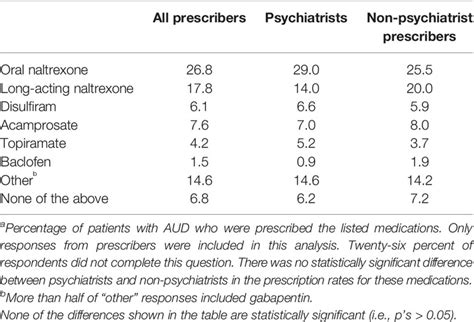
Naltrexone's efficacy has been compared to other pharmacological treatments for AUD, such as disulfiram and acamprosate. Studies suggest that naltrexone is approximately equivalent to disulfiram and shows modest superiority over acamprosate in certain contexts, particularly in reducing heavy drinking episodes. However, individual patient factors, including genetic predispositions and treatment adherence, can influence comparative outcomes.
Tolerability and Safety
Naltrexone is generally well-tolerated among patients, with the most common side effects being mild and including symptoms such as nausea, headache, fatigue, and dizziness. The safety profile of naltrexone is favorable, making it a viable long-term treatment option. Additionally, extended-release injectable formulations offer an alternative for individuals who struggle with daily oral medication adherence, further enhancing the medication's applicability.
Effectiveness Across Diverse Populations
Naltrexone has demonstrated efficacy in various populations, including individuals with co-occurring psychological disorders, such as mood disorders and psychotic illnesses. It is also effective among sexual and gender minority men with mild to moderate AUD. Tailoring treatment to accommodate these diverse groups ensures a more inclusive and effective approach to managing AUD.
Formulations and Administration
Oral Naltrexone
Oral naltrexone is typically administered in a daily tablet form, with a standard dosage of 50 mg per day. While effective, adherence to the daily regimen can be challenging for some patients. Consistent intake is crucial for achieving optimal outcomes, and supplementary behavioral interventions may aid in improving adherence rates.
Extended-Release Injectable Naltrexone (Vivitrol®)
The extended-release injectable formulation, known commercially as Vivitrol®, is administered once a month. This formulation addresses the adherence issues associated with daily oral medications by eliminating the need for daily pill intake. Studies indicate that injectable naltrexone produces comparable or superior outcomes in reducing drinking days and enhancing treatment retention, making it a suitable option for patients who prefer less frequent dosing schedules.
Combination with Behavioral Therapies
Naltrexone's efficacy is significantly enhanced when integrated into comprehensive treatment plans that include behavioral counseling and psychosocial interventions. Cognitive-behavioral therapy (CBT), motivational enhancement therapy (MET), and other counseling modalities synergize with naltrexone's pharmacological effects, leading to improved treatment outcomes. This multimodal approach addresses both the physiological and psychological aspects of AUD, fostering a more robust and sustained recovery process.
Comparative Analysis with Other AUD Treatments
Naltrexone vs. Acamprosate
When compared to acamprosate, another FDA-approved medication for AUD, naltrexone has shown greater efficacy in reducing heavy drinking days. Acamprosate is primarily effective in maintaining abstinence rather than reducing the quantity of alcohol consumed, making naltrexone a more suitable option for individuals aiming to decrease their alcohol intake rather than achieve complete abstinence.
Naltrexone vs. Disulfiram
Disulfiram operates by causing unpleasant reactions when alcohol is consumed, thereby deterring drinking behavior. While effective for some individuals, disulfiram lacks the craving-reduction component inherent in naltrexone, making naltrexone a more versatile option for broad-spectrum AUD management. Additionally, naltrexone's safety profile and tolerability are advantageous compared to disulfiram, which can have more severe side effects and requires strict adherence to avoid repercussions.
Tolerability and Side Effects
Common Side Effects
Naltrexone is generally well-tolerated. The most frequently reported side effects include nausea, headache, fatigue, and dizziness. These side effects are typically mild to moderate in intensity and often diminish over time as the body adjusts to the medication.
Contraindications
Individuals with acute hepatitis or liver failure should avoid naltrexone due to its potential hepatotoxicity at high doses. Liver function tests are recommended prior to initiating treatment and periodically during therapy to monitor hepatic health.
Safety Profile
Beyond mild side effects, naltrexone has a favorable safety profile, making it a viable long-term treatment option for individuals with AUD. Its safety is further corroborated by extensive clinical studies and real-world usage over decades.
Challenges and Considerations
Adherence to Treatment
Adherence to oral naltrexone can be problematic, with some patients struggling to maintain a consistent daily regimen. The extended-release injectable formulation mitigates this issue by reducing the frequency of dosing, thereby improving adherence rates and overall treatment efficacy.
Individual Variation in Response
Response to naltrexone can vary based on genetic factors, such as the OPRM1 gene polymorphism, drinking patterns, and the presence of comorbid psychological conditions. Personalized treatment plans that consider these individual differences can enhance the efficacy of naltrexone therapy.
Cost and Accessibility
The extended-release injectable formulation may be more expensive and less accessible compared to the oral version. Ensuring that patients have access to affordable treatment options is essential for maximizing the reach and impact of naltrexone therapy.
Special Populations
Individuals with Co-Occurring Psychiatric Disorders
Naltrexone has shown promise in individuals who suffer from AUD alongside other psychiatric conditions, including mood disorders and psychotic illnesses. This dual efficacy supports the use of naltrexone in complex clinical scenarios where multiple disorders coexist.
Sexual and Gender Minority Men
Sexual and gender minority men with mild to moderate AUD can benefit from tailored treatment approaches that incorporate naltrexone. Addressing the unique challenges and stressors faced by this population enhances treatment outcomes and supports a more inclusive recovery process.
Comparative Efficacy Table
| Medication | Mechanism of Action | Primary Efficacy | Common Side Effects | Formulations Available |
|---|---|---|---|---|
| Naltrexone | Mu-opioid receptor antagonist | Reduces heavy drinking, cravings, and relapse | Nausea, headache, fatigue, dizziness | Oral daily, extended-release injectable (Vivitrol®) |
| Acamprosate | Glutamate system modulator | Maintains abstinence | Diarrhea, dizziness, anxiety | Oral daily |
| Disulfiram | Acetaldehyde dehydrogenase inhibitor | Aversive reactions to alcohol consumption | Headache, drowsiness, metallic taste | Oral daily |
Conclusion
Naltrexone stands out as a highly effective pharmacological intervention for Alcohol Use Disorder, particularly in reducing heavy drinking days, diminishing cravings, and preventing relapse. Its efficacy is bolstered when combined with behavioral therapies, providing a comprehensive approach to treatment. The availability of both oral and extended-release injectable formulations enhances its applicability across diverse patient populations, addressing adherence challenges and individual treatment preferences. While naltrexone is generally well-tolerated, considerations regarding patient-specific factors and potential contraindications are essential for optimizing treatment outcomes. Overall, naltrexone remains a pivotal option in the arsenal against AUD, offering substantial benefits in fostering long-term recovery and improving quality of life for individuals affected by alcohol dependence.
References
- Naltrexone efficacy in treating alcohol-use disorder in individuals ...
- Naltrexone and Alcohol Use | American Journal of Psychiatry
- Addiction Treatment Forum Naltrexone Clinical Update - SAMHSA
- Efficacy and Tolerability of Long-Acting Injectable Naltrexone for ...
- Naltrexone For Alcoholism Treatment - Addiction Center
- Pharmacotherapy for Alcohol Use Disorder: A Systematic Review ...
- Naltrexone for the Treatment of Alcohol Use Disorder in the Primary ...
- Efficacy of Extended-Release Injectable Naltrexone on Alcohol Use - PubMed
- Evidence-Based Pharmacotherapies for Alcohol Use Disorder - Mayo Clinic Proceedings
- Meta-analysis of Naltrexone and Acamprosate for Treating Alcohol Use
- Comprehensive Response on Naltrexone's Efficacy for AUD
In summary, naltrexone is a robust and versatile medication for managing Alcohol Use Disorder, offering significant benefits in reducing alcohol consumption, cravings, and relapse rates. Its integration into comprehensive treatment frameworks and the availability of multiple formulations make it a valuable asset in the therapeutic landscape for AUD.
Last updated January 18, 2025