
Addressing Anorgasmia Associated with Nardil (Phenelzine) Treatment
Exploring Management Strategies and Potential Augmentation Options
Nardil (phenelzine) is a monoamine oxidase inhibitor (MAOI) antidepressant primarily used for the treatment of major depressive disorder, particularly atypical depression, and treatment-resistant depression. While effective for many, it can be associated with a range of side effects, including sexual dysfunction. One such side effect is anorgasmia, the inability to achieve orgasm, which can significantly impact a patient's quality of life.
Managing antidepressant-induced sexual dysfunction, including anorgasmia, often involves exploring various strategies such as dosage adjustments, switching to a different antidepressant with a lower propensity for sexual side effects, or augmenting treatment with other medications. Bethanechol, a cholinergic agonist, is one medication that has been investigated for its potential to counteract certain types of drug-induced sexual dysfunction, including anorgasmia.
Key Insights into Nardil, Anorgasmia, and Bethanechol
- Nardil (Phenelzine), a potent MAOI antidepressant, is known to cause sexual side effects, with anorgasmia being a recognized issue.
- Anorgasmia is a distressing sexual dysfunction characterized by the inability to achieve orgasm, and it is a known side effect of various psychotropic medications, including MAOIs like Nardil.
- Bethanechol, a cholinergic agonist, has shown some promise in small trials and case reports for reversing certain types of drug-induced sexual dysfunction, including anorgasmia, although its efficacy specifically for MAOI-induced anorgasmia may vary.
Understanding Nardil (Phenelzine)
Nardil, the brand name for phenelzine sulfate, is a non-selective and irreversible inhibitor of monoamine oxidase (MAO). MAO enzymes are responsible for breaking down monoamine neurotransmitters such as serotonin, norepinephrine, and dopamine in the brain. By inhibiting MAO, phenelzine increases the levels of these neurotransmitters, which is thought to contribute to its antidepressant and anxiolytic effects.
Phenelzine is indicated for the treatment of major depressive disorder, especially in patients who have not responded to more commonly used antidepressants. It is also used for other conditions such as atypical depression, dysthymia, panic disorder, social anxiety disorder, bulimia nervosa, post-traumatic stress disorder (PTSD), and obsessive-compulsive disorder (OCD).
Like other medications, Nardil has a profile of potential side effects. Common side effects can include dizziness, headache, drowsiness, sleep disturbances, fatigue, weight gain, and gastrointestinal issues. Sexual disturbances, such as decreased libido, ejaculatory disturbances, impotence, and anorgasmia, are also reported side effects of Nardil.
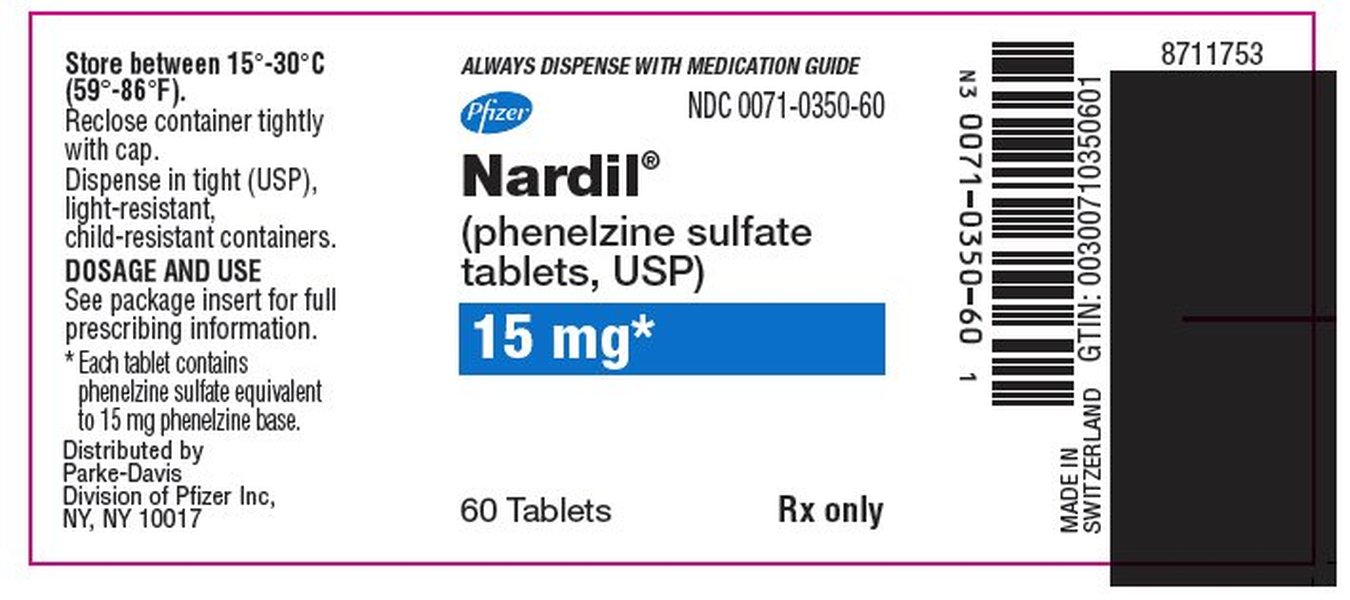
Image of Nardil tablets packaging.
Mechanism of Action and Sexual Side Effects
The mechanism by which Nardil and other MAOIs cause sexual dysfunction is complex and not fully understood. It is believed to involve alterations in the balance of various neurotransmitters, particularly serotonin and dopamine, which play crucial roles in sexual function. Increased serotonin levels, for example, are often implicated in delayed or absent orgasm.
Anorgasmia as a Side Effect
Anorgasmia is a significant sexual side effect associated with various psychotropic medications, including antidepressants. It can manifest as a complete inability to achieve orgasm or significantly delayed and difficult orgasm. The experience of anorgasmia can be distressing and may lead to decreased adherence to antidepressant treatment, even when the medication is otherwise effective for the primary condition.
While anorgasmia is a recognized side effect of MAOIs like Nardil, the prevalence and severity can vary among individuals. Some individuals on Nardil may experience complete anorgasmia, while others may only experience delayed orgasm or no sexual side effects at all. There have been reports of spontaneous remission of MAOI-induced anorgasmia in some cases, suggesting that for some individuals, the sexual side effect may lessen over time.
This video provides an overview of anorgasmia, discussing its symptoms, potential causes, and treatment approaches. While not specific to medication-induced anorgasmia, it offers general context on the condition.
Strategies for Managing Antidepressant-Induced Anorgasmia
When anorgasmia occurs in the context of antidepressant treatment, several strategies may be considered to address the issue:
Dosage Adjustment
Lowering the dose of the antidepressant may alleviate sexual side effects, including anorgasmia, while still maintaining therapeutic benefits for the mood or anxiety disorder. However, this must be done under the supervision of a healthcare professional to ensure the primary condition remains adequately treated.
Switching Antidepressants
In some cases, switching to an antidepressant with a different pharmacological profile and a lower known incidence of sexual dysfunction may be an option. However, transitioning between MAOIs or from an MAOI to another class of antidepressant requires careful management and washout periods to avoid potential drug interactions, such as serotonin syndrome.
Augmentation Strategies
Adding another medication to the current antidepressant regimen is another approach. This is where medications like bethanechol and others come into consideration for their potential to counteract the specific mechanisms contributing to anorgasmia.
Bethanechol as a Potential Countermeasure
Bethanechol is a cholinergic agonist that primarily stimulates muscarinic receptors, particularly M1 and M3 receptors. It is structurally similar to acetylcholine but is not hydrolyzed by cholinesterase, giving it a longer duration of action. Bethanechol is clinically used to treat certain urinary tract and bladder disorders by promoting bladder emptying.
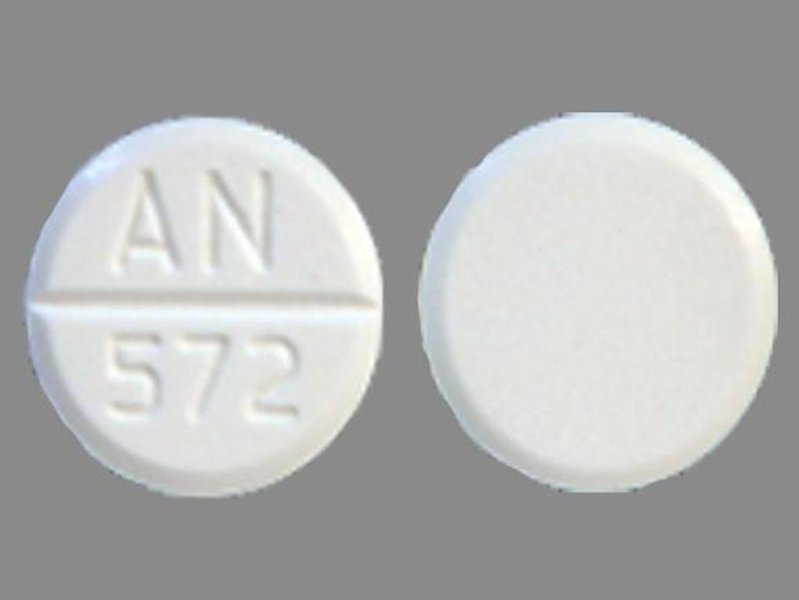
Image of Bethanechol pills.
How Bethanechol May Help with Anorgasmia
The potential utility of bethanechol in treating drug-induced sexual dysfunction, including anorgasmia, is thought to be related to its cholinergic effects. While the exact mechanism is not fully elucidated, it is hypothesized that increasing cholinergic activity may help to modulate the autonomic nervous system's role in sexual response. Some sources suggest that bethanechol's effect in reversing sexual dysfunction may be due to cholinergic potentiation of adrenergic function rather than a direct cholinergic effect.
Small trials and case reports have explored the use of bethanechol to treat antidepressant-induced sexual dysfunction. Some reports indicate that bethanechol has been successful in resolving anorgasmia in individuals taking antidepressants, including MAOIs, while allowing them to continue their primary treatment. However, the evidence base is limited, and individual responses can vary.
Evidence and User Experiences
Based on available information, including user reports and limited clinical data, bethanechol has shown some promise for addressing anorgasmia associated with MAOIs like Nardil. Some users on online forums have reported success with bethanechol in restoring their ability to orgasm while continuing Nardil treatment. However, it's important to note that user experiences are anecdotal and not a substitute for professional medical advice.
Other medications that have been explored for treating antidepressant-induced sexual dysfunction in small trials include amantadine, cyproheptadine, yohimbine, and buspirone. Cyproheptadine has also been reported as successful in resolving anorgasmia in patients continuing antidepressant therapy. Tadalafil, a medication primarily used for erectile dysfunction, has been noted by some users to be effective for improving erections while on Nardil but may not significantly help with anorgasmia.
Potential Side Effects of Bethanechol
Like any medication, bethanechol can cause side effects. These may include increased salivation, blurred vision, abdominal cramps, diarrhea, diaphoresis (sweating), and bladder spasm. Serious side effects can include slow heartbeats and a light-headed feeling. It is crucial to use bethanechol only under the guidance of a healthcare professional who can weigh the potential benefits against the risks and monitor for adverse effects.
Considering Bethanechol with Nardil
The decision to use bethanechol to counteract Nardil-induced anorgasmia should be made in consultation with a qualified healthcare provider experienced in managing MAOI therapy and sexual dysfunction. They can assess the individual's specific situation, the severity of the anorgasmia, potential risks and benefits of adding bethanechol, and interactions with other medications.
While some anecdotal reports suggest bethanechol can be helpful, its effectiveness can vary, and it may not work for everyone. Furthermore, combining medications always carries the risk of interactions and increased side effects. A healthcare provider can provide personalized guidance and explore all available options to manage sexual side effects while ensuring the continued effectiveness of Nardil for the primary mental health condition.
Summary of Potential Augmentation Options for Nardil-Induced Anorgasmia
Here is a summary of some medications that have been explored or reported for their potential to address antidepressant-induced sexual dysfunction, including anorgasmia, in the context of MAOI treatment:
| Medication | Class/Type | Notes/Reported Effects |
|---|---|---|
| Bethanechol | Cholinergic Agonist | Explored in small trials and case reports; some anecdotal evidence of success in reversing anorgasmia. Potential side effects include gastrointestinal issues and cardiovascular effects. |
| Cyproheptadine | Serotonin Antagonist/Antihistamine | Reported in some studies to be successful in resolving anorgasmia induced by antidepressants. May have sedative effects. Caution regarding potential serotonin syndrome when combined with MAOIs. |
| Yohimbine | Alpha-2 Adrenergic Antagonist | Explored in trials for male orgasmic dysfunction. May increase heart rate and blood pressure. Caution is advised, especially with MAOIs. |
| Buspirone | Anxiolytic (Serotonin Receptor Agonist/Antagonist) | Used as an augmentation strategy for antidepressant-induced sexual dysfunction. May have variable effectiveness. |
| Tadalafil (Cialis) | PDE5 Inhibitor | Primarily for erectile dysfunction; may improve erections but generally not effective for anorgasmia itself. |
| Mirtazapine | Tetracyclic Antidepressant (NaSSA) | Some reports suggest it may help with sexual side effects when added to other antidepressants, possibly due to its different neurotransmitter effects. |
It is essential to reiterate that the information in this table is for informational purposes only and does not constitute medical advice. Any changes to medication regimens or the introduction of new medications must be discussed with a qualified healthcare professional.
Frequently Asked Questions
Can Nardil-induced anorgasmia go away on its own?
In some cases, antidepressant-induced sexual side effects, including anorgasmia caused by MAOIs like Nardil, may spontaneously improve over time as the individual adjusts to the medication. However, this is not guaranteed and varies from person to person.
Are there non-pharmacological approaches to address anorgasmia?
While medication-induced anorgasmia is directly related to the drug's effects, addressing underlying psychological factors or incorporating sex therapy techniques may be helpful in some cases, particularly if there are co-occurring sexual concerns not solely attributable to the medication.
Is bethanechol safe to take with Nardil?
The safety of combining bethanechol and Nardil must be evaluated by a healthcare professional. While some sources suggest bethanechol may be used, potential interactions and side effects need to be carefully considered and monitored by a doctor.
How long does it take for sexual side effects from Nardil to appear?
The onset of sexual side effects from Nardil can vary. Some individuals may experience them within a few weeks of starting treatment, while for others, they may develop later or not at all.
References
 cdn.pfizer.com
Last updated May 5, 2025