
Risks Associated with Root Canal Treatment
Understanding the Potential Complications and How to Mitigate Them
Key Takeaways
- Infection Risk: Ensuring complete removal of bacteria is crucial to prevent persistent infection.
- Tooth Structure Integrity: A root canal can weaken the tooth, increasing the risk of fractures if not properly restored.
- Procedural Competency: The experience of the dentist plays a significant role in minimizing complications.
Potential Risks of Root Canal Treatment
1. Infection and Reinfection
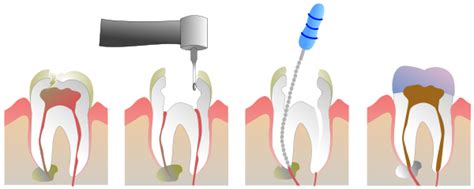
Root canal treatment involves the removal of infected or damaged pulp from the tooth. However, if not all bacteria are eradicated or if new bacteria infiltrate the tooth post-procedure, persistent or recurrent infections can occur. This may necessitate additional treatments, such as retreatment of the root canal or even extraction of the tooth in severe cases.
2. Post-Operative Pain and Discomfort
It's common to experience some degree of soreness and sensitivity in the treated area for a few days following the procedure. While this discomfort is typically manageable with over-the-counter pain relievers, in rare instances, pain may persist longer, indicating potential complications that may require further attention.
3. Tooth Structure Weakening and Fractures
After a root canal, the treated tooth can become more brittle and susceptible to fractures due to the removal of the tooth's pulp and internal structures. Without proper reinforcement, such as the placement of a dental crown, the risk of the tooth breaking increases, which can compromise oral health and necessitate more extensive dental interventions.
4. Procedural Complications
Several technical challenges can arise during root canal treatment:
- Missed Canals: Some teeth have complex root structures with additional canals that may be overlooked, leading to incomplete treatment.
- Instrument Breakage: Dental instruments used during the procedure can sometimes break inside the canal, complicating the treatment process.
- Incomplete Filling: If the canals are not adequately filled, spaces may remain for bacteria to persist or re-enter, increasing the risk of infection.
5. Allergic Reactions
Although rare, some patients may experience allergic reactions to materials used during the root canal procedure. Common allergens include certain metals in dental fillings or latex used in gloves and other materials. Such reactions can manifest as localized irritation or more systemic responses.
6. Damage to Surrounding Structures
During the procedure, there's a minimal risk of inadvertently damaging adjacent teeth, nerves, or sinus cavities, especially if the tooth undergoing treatment is located near the sinus. Such damage can lead to prolonged discomfort, numbness, or other unintended side effects.
7. Systemic Health Concerns
While highly controversial and not widely supported, some theories suggest that residual bacteria from a root canal could contribute to systemic inflammation or other health issues. However, the majority of dental professionals maintain that root canals are safe when performed correctly, and such systemic risks are exceedingly rare.
8. Treatment Failure
In cases where the root canal does not successfully eliminate the infection or address the tooth's structural issues, the treatment may fail. This failure can result from factors such as severe initial infection, complex root structures, or insufficient sealing of the canals. Treatment failure often necessitates retreatment or extraction of the affected tooth.
Minimizing Risks Associated with Root Canal Treatments
1. Selecting an Experienced Endodontist or Dentist
The expertise and experience of the dental professional performing the root canal play a pivotal role in the procedure's success. An experienced practitioner is more adept at identifying and managing complex root structures, ensuring complete removal of infected tissue, and minimizing the risk of procedural complications.
2. Adhering to Post-Treatment Care Guidelines
Proper aftercare is essential for preventing complications. Patients should follow their dentist's instructions regarding oral hygiene, use prescribed medications if necessary, and attend all recommended follow-up appointments to monitor the treated tooth's healing progress.
3. Reinforcing the Treated Tooth
To mitigate the risk of tooth fractures, it is often recommended to place a dental crown or another form of reinforcement after the root canal. This restoration helps restore the tooth's strength and functionality, reducing the likelihood of structural compromise.
4. Promptly Addressing Any Complications
Should any issues arise post-treatment, such as worsening pain, swelling, or loosening of dental restorations, it's crucial to seek immediate dental care. Early intervention can prevent minor complications from escalating into more serious problems.
Comparative Overview of Root Canal Risks
| Risk | Description | Implications |
|---|---|---|
| Infection and Reinfection | Residual or reintroduced bacteria in the tooth. | May require retreatment or tooth extraction. |
| Post-Operative Pain | Temporary soreness and sensitivity post-procedure. | Generally manageable with pain relievers; persistent pain may indicate complications. |
| Tooth Fracture | Increased brittleness of the treated tooth. | Risk of tooth breaking; necessitates reinforcement with a crown. |
| Procedural Complications | Issues like missed canals or instrument breakage. | Can lead to incomplete treatment; may require additional procedures. |
| Allergic Reactions | Responses to materials used in the procedure. | Potential localized irritation or systemic reactions. |
| Damage to Surrounding Structures | Accidental harm to adjacent teeth or nerves. | May cause prolonged discomfort or numbness. |
| Systemic Health Concerns | Theoretical risk of bacteria affecting overall health. | Lack of consensus; considered rare by dental professionals. |
| Treatment Failure | Root canal does not fully resolve infection or structural issues. | May necessitate retreatment or tooth extraction. |
Benefits of Root Canal Treatment
Despite the associated risks, root canal treatments offer significant advantages:
-
Preservation of Natural Tooth: Retains the tooth, which is preferable to extraction and helps maintain dental structure.
-
Pain Relief: Alleviates pain caused by infection or inflammation within the tooth.
-
Infection Control: Prevents the spread of infection to adjacent teeth or other parts of the body.
-
Restored Functionality: Enables normal chewing and biting functions.
Conclusion
Root canal treatment is a widely accepted and effective dental procedure for addressing severe tooth decay and infection. While it carries certain risks, such as infection, tooth weakening, and procedural complications, these risks are relatively low when the procedure is performed by an experienced dental professional. Proper aftercare and timely addressing of any post-treatment issues further enhance the likelihood of a successful outcome. Ultimately, the benefits of preserving the natural tooth and alleviating pain typically outweigh the potential risks, making root canals a valuable option in dental care.
References
Last updated January 19, 2025