
Unlocking the Life and Legacy of Narendra Modi
Explore the journey, achievements, and controversies of India's current Prime Minister
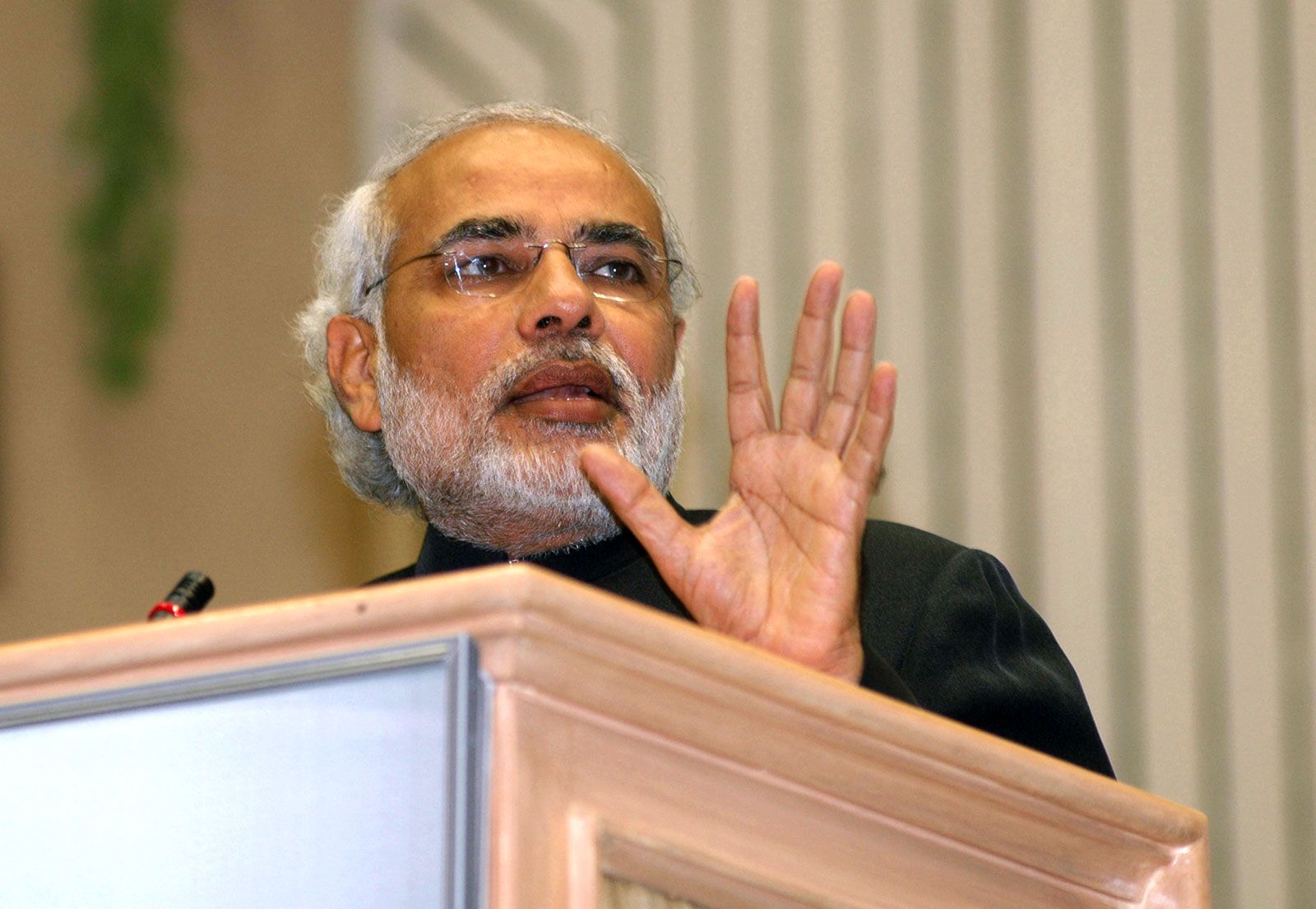
Key Highlights
- Humble Origins and Early Years: Born on September 17, 1950, in Vadnagar, Gujarat, Modi rose from a modest background.
- Political Ascent and Leadership: His tenure as the Chief Minister of Gujarat (2001-2014) and subsequent rise to Prime Minister since 2014 have defined modern Indian politics.
- Policy Initiatives and Controversies: While credited with economic reforms and major initiatives like "Make in India," his career has also witnessed debates over social policies and the handling of communal issues.
Narendra Modi: A Comprehensive Overview
Narendra Damodardas Modi stands as one of the most influential political figures in India and globally. Currently serving as the Prime Minister of India, he has been at the helm of the nation’s governance since May 2014. His journey from a modest upbringing in Vadnagar, Gujarat to leading one of the world’s largest democracies showcases a blend of determination, fervent nationalism, and dynamic leadership. This extensive exploration covers various aspects of his personal life, early influences, political ascent, policy initiatives, leadership style, and the debates surrounding his legacy.
Early Life and Personal Background
Narendra Modi was born on September 17, 1950, in Vadnagar, a town in Gujarat. Coming from a humble background, Modi’s early years were marked by financial constraints and simplicity. His father’s entrepreneurial pursuits in operating a tea stall, along with the modest household environment, deeply influenced Modi's understanding of grassroots issues and the importance of self-reliance. This early exposure to the struggles of the common people later played a significant role in shaping his political viewpoint and connection with the masses.
Rise Through the Ranks: From RSS to BJP
Modi’s entry into the political arena was preceded by his long association with the Rashtriya Swayamsevak Sangh (RSS), a right-wing and influential cultural organization dedicated to Hindu nationalist ideals. Joining the RSS during his childhood, he quickly became known for his zeal and commitment to the organization's cause. This affiliation laid the ideological groundwork that later propelled him into the Bharatiya Janata Party (BJP).
After joining the BJP, Modi’s astute political acumen and ability to connect with the grassroots helped him ascend the party's ranks. His work ethic and dedication earned him crucial leadership roles, including his tenure as the General Secretary of the party. This rise within the BJP eventually culminated in his appointment as the Chief Minister of Gujarat in 2001.
Achievements as Chief Minister of Gujarat
Serving as the Chief Minister of Gujarat from 2001 to 2014, Narendra Modi implemented numerous policies that transformed the state’s economic landscape. His administration was lauded for promoting industrial growth and infrastructure development. The state saw significant improvements in key areas such as industrial investment, road construction, and public-private partnerships. These reforms positioned Gujarat as a model for economic management and instilled confidence both within political circles and among investors.
However, his tenure was also marred by controversy, particularly regarding the events surrounding the 2002 Gujarat riots. Despite these challenges, Modi’s governance framework during these years laid the foundation for his broader vision of economic modernization and growth, which he later championed on the national stage.
Ascension to the Prime Ministership
In May 2014, Narendra Modi took office as the Prime Minister of India following a landslide victory by the BJP during the general elections. His rise to the office was seen as a new era for Indian politics, marked by a strong emphasis on economic reforms, digital transformation, and infrastructural development. Modi’s leadership style, characterized by decisiveness, strategic planning, and a robust connection with the electorate, contributed to his popularity both at home and abroad.
He subsequently led the BJP to further electoral successes in the 2019 general elections and, more recently, the 2024 Lok Sabha elections, securing coalition support even when the BJP did not secure an outright majority on its own. Each electoral milestone reinforced his position as a transformative leader in Indian politics.
Policy Initiatives and Government Reforms
Throughout his tenure as Prime Minister, Narendra Modi’s administration has implemented several high-impact policy initiatives aimed at modernizing the nation’s economy and infrastructure. Among these initiatives are:
Economic Reforms
The introduction of the Goods and Services Tax (GST) was a landmark move in unifying India’s complex tax structure. The GST reform aimed to streamline taxation, eliminate cascading taxes, and increase transparency in the economic system. Furthermore, Modi’s government launched programs like “Make in India” to boost domestic manufacturing and attract foreign investment, drastically changing the economic dynamics of the country.
Financial Inclusion and Social Welfare
Understanding the challenges faced by the poor and marginalized, the government initiated the Pradhan Mantri Jan Dhan Yojana, which sought to provide financial services to millions of unbanked citizens. This initiative was part of a broader strategy to foster financial inclusion and empower citizens economically. Additionally, campaigns like Swachh Bharat Abhiyan aimed to improve sanitation, bolster public health, and instill civic pride among the population.
Digital Transformation and Infrastructure Development
Recognizing the potential of digital technologies, Modi’s government has placed significant emphasis on transforming India's digital landscape. The Digital India initiative was launched to enhance connectivity, streamline government services, and promote technological innovation across urban and rural areas alike. Alongside infrastructural projects, these reforms have contributed to expanding India’s global profile as a technologically advanced economy.
Leadership Style and Global Diplomacy
Narendra Modi is widely perceived as a charismatic and dynamic leader. His approach to leadership involves direct engagement with citizens, extensive use of social media, and a commitment to communicating his vision for the country in clear, relatable language. Modi’s ability to resonate with diverse audiences, including international investors and foreign dignitaries, has bolstered India's position on the global stage. His strategic initiatives have resulted in stronger diplomatic ties, increased foreign direct investment, and collaborative efforts in technology and infrastructure between India and other global powers.
Moreover, his advocacy for yoga and traditional practices has also contributed to a distinctive personal brand that underscores the importance of mental and physical well-being, resonating with both domestic and international communities.
Controversies and Criticisms
Despite his many achievements, Narendra Modi’s political journey has not been without controversy. A significant area of criticism has been his handling of the 2002 Gujarat riots, an event that continues to evoke debate about his role and responsibility during that period. Critics argue that certain governmental policies and actions, particularly under a framework influenced by stringent nationalism, have led to concerns over democratic backsliding and communal tensions.
Furthermore, some analysts have expressed reservations about the centralization of power and the impact of his policies on India’s diverse social fabric. Nonetheless, Modi’s supporters emphasize that his proactive approach towards infrastructural and economic development has played a vital role in modernizing the nation, and they credit him for his innovative strategies that aim to balance rapid growth with social welfare objectives.
A Timeline of Narendra Modi’s Career
| Period | Role | Key Achievements |
|---|---|---|
| 1950 – Early 1970s | Formative Years and Early Involvement | Birth in Vadnagar, introduction to RSS, early exposure to grassroots challenges |
| 1970s – 1980s | RSS Involvement and Early Political Work | Active engagement in the RSS; laying the ideological foundation for future political roles |
| 2001 – 2014 | Chief Minister of Gujarat |
|
| 2014 – Present | Prime Minister of India |
|
Detailed Analysis of Modi’s Leadership Style
Narendra Modi’s leadership can be characterized by his staunch commitment to economic modernization, a strong nationalistic agenda, and an ability to communicate directly with a vast and diverse populace. His frequent use of technology and social media for public outreach signifies a modern approach to governance. This direct engagement has allowed him to bypass traditional media channels and connect with citizens on a personal level.
An integral part of his leadership style is his focus on national pride and self-reliance. Initiatives like “Make in India” emphasize domestic production capabilities and reducing dependence on foreign entities, reflecting his vision of a robust and independent economic future for the country. Meanwhile, his emphasis on digital transformation and infrastructural development speaks to his desire to leave behind a lasting legacy of modernization and progress.
Critiques and Debates Surrounding his Governance
Despite widespread support, Narendra Modi’s policies and methods have generated considerable debate among scholars, political analysts, and the public. Critics point to episodes during his tenure that reflect both policy shortcomings and concerns about democratic principles. These include debates over centralized decision-making, the impact of certain social policies on religious and ethnic minorities, and the long-term effects to be borne of economically aggressive reforms.
Additionally, the handling of historical events such as the 2002 Gujarat riots remains a point of contention. While investigations and judicial proceedings have addressed various facets of these incidents, they continue to evoke significant discussion regarding lessons learned and the balance between rapid development and social harmony.
Global Impact and Future Prospects
Modi’s tenure as Prime Minister has not only reshaped domestic policies but also bolstered India’s global standing. His proactive diplomatic engagements have led to enhanced bilateral relations, strategic economic partnerships, and participation in international platforms addressing key global issues like climate change, economic cooperation, and technological innovation.
Looking ahead, Narendra Modi’s future agenda appears to be aimed at further modernizing India through continued economic reforms, digital infrastructure enhancements, and sustainable development initiatives. His policies continue to be scrutinized by political observers and economists alike, with the nation's progress under his leadership likely to remain a subject of keen global interest.
Additional Insights and Notable Achievements
Beyond the conventional political narrative, several other dimensions of Narendra Modi's leadership and contributions are worthy of discussion. Here are a few noteworthy aspects:
Digital Outreach and Public Connectivity
With the rapid adoption of digital technologies, Modi has leveraged platforms to communicate policy changes and interact with the public. His use of social media has set a new benchmark for political communications in India, allowing for real-time engagement with citizens across the varied socio-economic spectrum.
Advocacy of Traditional Practices
Modi’s promotion of yoga, meditation, and traditional Indian practices has also contributed to his personal brand. These efforts are more than promotional tools; they reflect an integration of cultural heritage within modern governance, symbolizing a blend of tradition with progress.
Economic Self-Reliance and Global Strategy
An enduring theme in Modi’s policies is the aspiration for India to emerge as a self-reliant and formidable player in global economics. His initiatives underscore the importance of not only virtual innovation but also tangible infrastructural development, setting the groundwork for increased global competitiveness.
Comparative Overview
To provide a comprehensive understanding of Narendra Modi’s life and career, the table below summarizes key phases of his journey, major initiatives, and challenges he faced along the way:
| Phase | Period | Major Initiatives | Challenges |
|---|---|---|---|
| Early Life & RSS | 1950-1970s |
|
|
| Political Foundation | 1980s-2001 |
|
|
| Chief Minister of Gujarat | 2001-2014 |
|
|
| Prime Minister of India | 2014-Present |
|
|
References
- Narendra Modi - Wikipedia
- Narendra Modi - Britannica
- Personal Life Story - PM India
-
Narendra Modi Official - Narendra Modi
- Narendra Modi - Stars Unfolded
Recommended Related Queries

Last updated March 24, 2025