
Management of Nasogastric Tube Feeding for Neonates
A comprehensive guide for midwives on safe and effective NG tube feeding
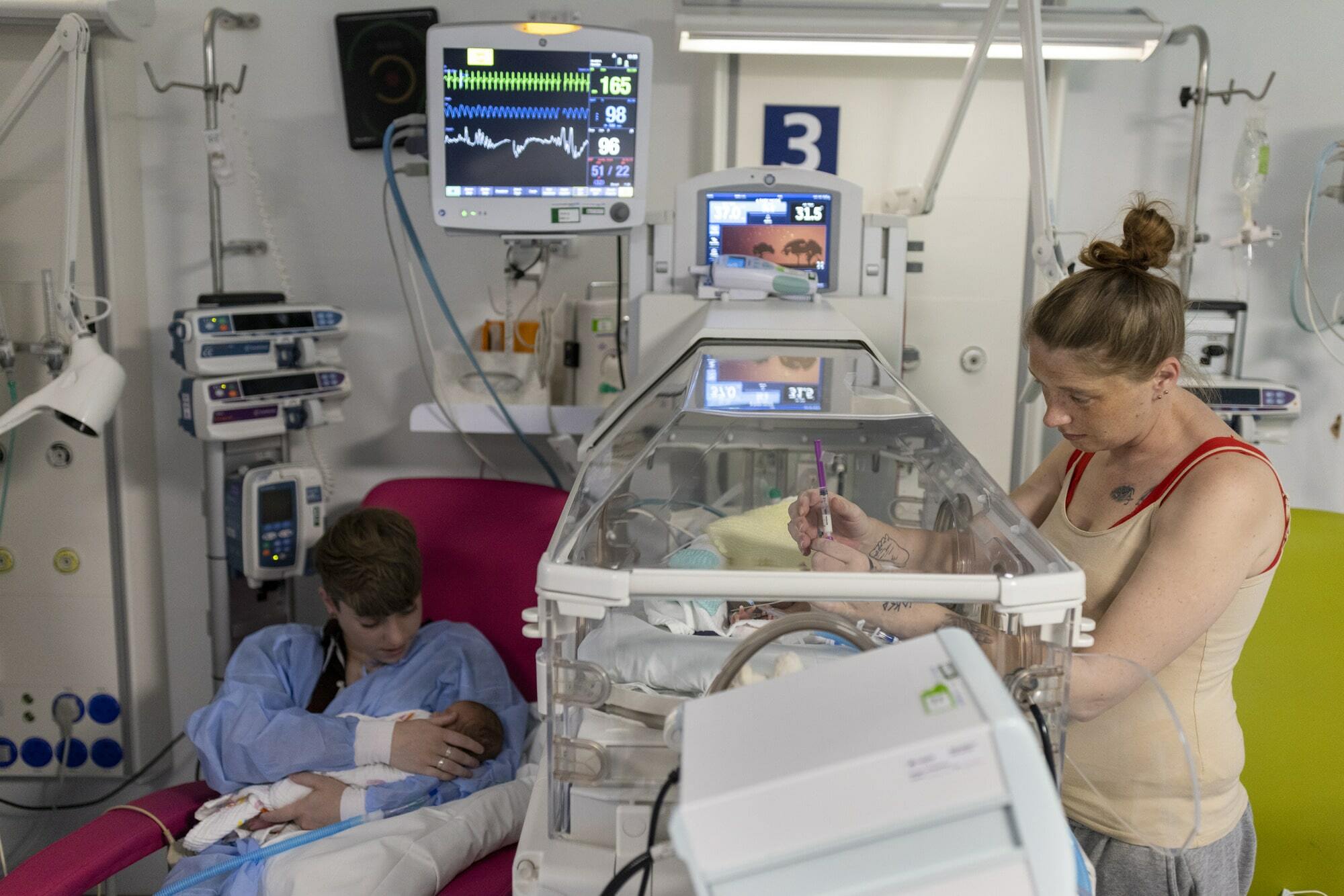
Key Highlights
- Accurate Placement and Verification: Emphasizing correct tube insertion, secure fixation, and pH testing to ensure appropriate placement and minimize complications.
- Customized Feeding Protocol: Understanding volume, frequency, and type of feedings tailored to each neonate’s conditions and needs.
- Ongoing Monitoring and Family Support: Continuous assessment of the neonate, tube maintenance, complication prevention, and parental education essential for successful transition to oral feeding.
Introduction to NG Tube Feeding in Neonates
Nasogastric (NG) tube feeding is a vital strategy in neonatal care, particularly for babies who are either preterm, ill, or unable to feed orally due to various conditions. As a midwife, it is essential to be proficient in this technique to provide optimal nutrition while preventing complications. NG tube feeding allows for the delivery of breast milk, formula, or specialized nutritional formulas directly into the neonate’s stomach, ensuring that the infant receives adequate calories and nutrients needed for growth and development.
Pre-Procedure Preparation and Equipment
Assembling the Necessary Equipment
The first step in managing NG tube feeding is ensuring that all required equipment is available and ready. The essential items include:
- Appropriate size NG tube (size selected based on weight and gestational age)
- Lubricant to ease tube insertion and minimize discomfort
- pH testing strips or litmus paper to verify tube placement
- Syringe (usually 10 mL) for aspirating stomach content and flushing the tube
- Tape or securement device to fixate the tube externally
Preparation of the Neonate
Before the procedure, ensure that the neonate is appropriately positioned (typically in a supine position with the head slightly elevated) to facilitate a smooth insertion process. It is also important to maintain a sterile environment during the procedure and to explain to caregivers what to expect, helping to reduce stress and improve overall cooperation.
Insertion and Confirmation of Tube Placement
Insertion Technique
A precise and gentle technique is key to the successful placement of the NG tube:
- Measure the distance from the tip of the nose to the ear and then to the xiphoid process to determine the correct tube length.
- Apply a water-soluble lubricant to the tube, which minimizes irritation and aids smooth passage.
- Insert the tube through the nostril, guiding it parallel to the floor of the nasal passage, then directing it downward and into the pharynx and stomach.
- Advance the tube slowly, paying close attention to any signs of distress or resistance from the neonate.
Verification of Correct Placement
Ensuring that the NG tube is accurately positioned is critical to avoid complications such as aspiration or lung injury. The placement is usually confirmed by:
- Aspiration of stomach contents to determine the pH level. A pH reading between 1 and 5.5 typically confirms gastric placement.
- Observing external marks on the tube to ensure alignment with the predetermined insertion length.
- Monitoring the neonate’s behavior and vital signs as additional confirmation that the tube has not been misplaced.
Designing an Effective Feeding Protocol
Customized Feeding Plan
The feeding regimen should be designed around the individual nutritional needs and tolerance of the neonate. There are two primary feeding strategies:
- Intermittent (Bolus) Feeding: Feeds are delivered in discrete amounts over a defined period, often mimicking natural feeding patterns. This method requires careful monitoring for signs of intolerance such as vomiting or abdominal distension.
- Continuous Feeding: Particularly useful for neonates requiring constant nutrition, where the feed is administered slowly over several hours. Continuous feeding may be preferred for more fragile infants.
Tailoring the Feed Composition
Breast milk is recognized as the optimal nutritional source for neonates; however, in cases where it is not available or supplementation is needed, specially formulated neonatal formulas are used. The healthcare provider will determine the appropriate type, volume, and frequency based on:
- The neonate’s gestational age and birth weight
- Metabolic and caloric needs
- Underlying medical conditions
Monitoring growth and nutritional status is an ongoing process that guides these adjustments.
Maintaining and Monitoring NG Tube Function
Routine Tube Maintenance
Keeping the NG tube patent and correctly positioned is essential to minimize complications. Routine measures include:
- Regularly flushing the tube with sterile water before and after feedings to prevent blockage.
- Checking the tube’s external markings every few hours to ensure it has not become dislodged or migrated.
- Re-assessing tube placement before each feeding session.
Monitoring for Complications
Continuous observation during NG tube feeding can prevent and enable early detection of complications. Some common issues include:
| Complication | Signs | Preventive Measures |
|---|---|---|
| Aspiration | Sudden respiratory distress, coughing, abnormal lung sounds | Verify tube placement, monitor neonate, proper positioning during feeds |
| Tube Misplacement | No aspirated content, abnormal pH readings | Stringent placement verification, regular re-checks, and repositioning |
| Blockage | No flow of feed, tube resistance | Flush tube routinely, avoid mixing incompatible medications |
| Nasal or Esophageal Irritation | Redness, bleeding, discomfort | Proper lubrication during insertion, securing tube without excessive tension |
Additional monitoring should include careful charting of feeding volumes, residuals, and fluid balance. Frequent checks for abdominal distension, changes in vital signs, and other signs of feeding intolerance aid in timely intervention.
Parental Education and Support
Including Families in the Care Process
As a midwife, you play a crucial role in educating and supporting parents. Clear and compassionate communication about the NG tube feeding process builds confidence and ensures that caregivers can participate actively in the neonate’s care. Key aspects include:
- Explaining the purpose and benefits of NG tube feeding.
- Demonstrating tube care, feeding techniques, and signs of potential complications.
- Discussing the gradual transition process to oral feeding when the neonate is ready.
- Providing written instructions and resources for home care if discharge with an NG tube is planned.
Transitioning to Oral Feeding
Gradual Weaning from the NG Tube
The ultimate goal in neonatal care is to transition the infant from NG tube feeding to full oral feeds. This is achieved through careful and gradual steps:
- Non-Nutritive Sucking (NNS): Encourage the infant to engage in sucking behaviors using pacifiers to promote the development of oral motor skills.
- Incremental Oral Feed Series: Begin by offering small volumes of oral feeds while continuing tube feeds and gradually increasing the oral portion as the neonate demonstrates tolerance.
- Close Monitoring: Continual evaluation of weight gain, feeding efficiency, and overall wellbeing directs the pace of gradual weaning.
Special Considerations and Adjustments
Tailoring Care for Unique Neonatal Conditions
Neonates that require NG tube feeding present with a variety of clinical scenarios. For instance:
- Infants weighing less than 1500 grams may benefit more from orogastric tubes, which reduce the risk of nasal trauma.
- Neonates with chronic conditions or those in the NICU require frequent reassessment of their feeding tolerance and nutritional needs.
- Adjustments to the feeding plan may be essential in the wake of complications such as aspiration or gastrointestinal intolerance.
- Emotional support for the family, recognizing the stress often associated with tube feeding, is a critical aspect of holistic care.
Documentation and Communication
Ensuring Quality and Consistency in Care
Documenting every step of the NG tube feeding process accurately is essential for continuity of care. Detailed records should include:
- Tube size and insertion measurements
- Feeding schedules, volumes, and type of nutrition administered
- Assessment findings from tube verification and monitoring observations
- Any adjustments made to the feeding regimen
- Communications and teaching provided to the parents
Clinical Monitoring Parameters
Regular Clinical Assessments
Continuous and methodical monitoring of the neonate’s health is paramount. The following parameters are routinely checked:
- Vital signs (heart rate, respiratory rate, temperature)
- Abdominal girth and signs of distension
- Residual volumes prior to each feed
- Weight gain and overall nutritional status
- Electrolyte balance and hydration status
These clinical parameters help in identifying early signs of feeding intolerance or complications, thereby facilitating prompt and appropriate interventions.
Integration with Multidisciplinary Teams
Collaboration for Comprehensive Neonatal Care
Effective NG tube feeding management relies on the coordinated efforts of a multidisciplinary team. In addition to midwives, neonatologists, pediatric nurses, and nutritionists play integral roles. This collaborative approach ensures:
- Individualized feeding plans tailored to the neonate's specific medical and nutritional requirements.
- Rapid identification and management of complications.
- Streamlined communication among all caregivers, including regular meetings or rounds to discuss feeding progress.
- Support for the parents throughout the neonatal care and transition period.
References
- Nasogastric (NG) Tube Feeding : Neonatal Journey to Home - Children's Minnesota
- Tube Feeding | Bliss - Bliss
- Nasogastric and Orogastric Tube Insertion and Management - RCH
- Enteral Feeding of the Neonate - Starship
- NG Tube Feeding Policy - Ashford St Peter's
Recommended Further Exploration
Last updated March 11, 2025