
Unlock AI Profit: Two Untapped App Ideas for 2025 Ready for Monetization
Discover unique, high-value AI concepts using a simple input-process-output model to solve specific user needs.
Artificial Intelligence (AI) continues to reshape industries, and its integration into mobile apps and websites presents significant opportunities for innovation and revenue. The AI market is projected to experience substantial growth, reaching potentially US$243.70 billion in 2025, fueled by applications designed to solve real-world problems and enhance user experiences. Developing AI-powered platforms has become increasingly accessible, opening doors for targeted solutions.
The key to a successful AI venture often lies in a clear value proposition built around a straightforward workflow: users provide input, the AI processes this data intelligently, and the platform delivers a valuable, often personalized, output. This model simplifies user interaction while harnessing AI's power for analysis, prediction, or generation. Below are two niche and unique ideas designed around this principle, poised for monetization in the current landscape.
Key Highlights
- Focus on Niche Markets: Both ideas target specific user groups with unmet needs, reducing competition from mainstream apps and offering tailored value.
- Clear Input-Process-Output Flow: Each concept utilizes a simple user interaction model where AI processing directly translates input into a high-value, actionable output.
- Diverse Monetization Potential: The apps are designed with multiple revenue streams in mind, including subscriptions, freemium models, partnerships, and pay-per-use features.
Idea 1: AI-Powered Geo-Specific Business Insights Curator
Hyper-Personalized Intelligence for Local Entrepreneurs
This mobile app or website targets entrepreneurs and small business owners who are often overwhelmed by generic business news and data feeds. It provides tailored, location-based news, market trends, and competitive insights, focusing specifically on their industry and geographic area.
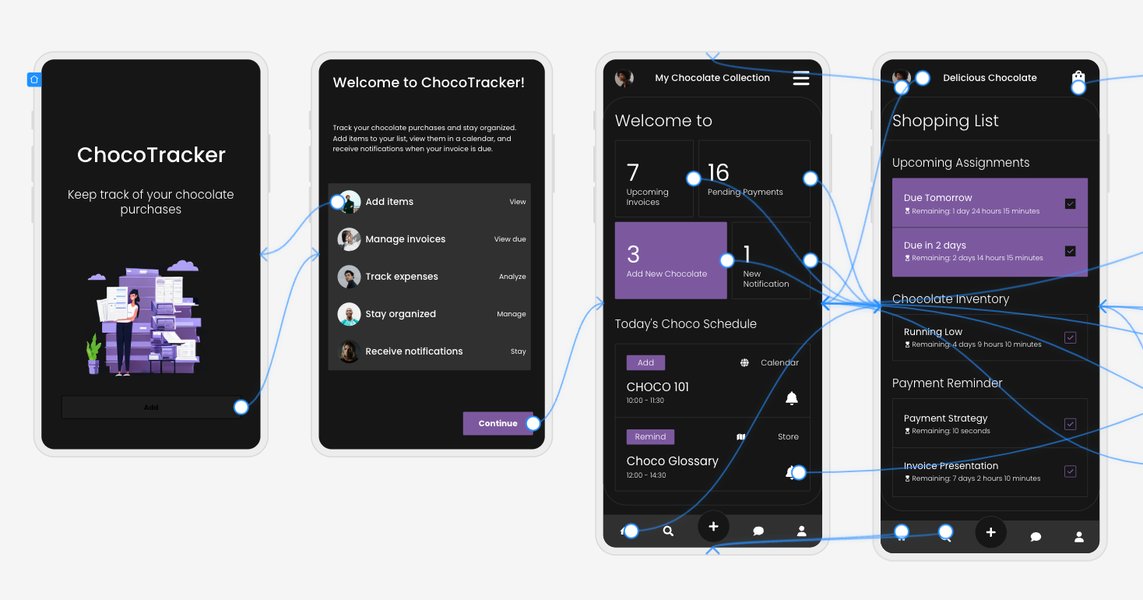
Example of an AI-generated UI for a data-centric application.
Input: Defining the User's Context
Users initiate the process by providing key information through a simple interface (form-based or potentially conversational AI):
- Location: City, region, or specific operational area.
- Business Interests: Industry sector (e.g., retail, tech, hospitality), business model (e.g., e-commerce, service-based).
- Keywords & Topics: Specific areas of interest like "local marketing trends," "commercial real estate availability," "supply chain disruptions," "competitor activities," or "upcoming regulatory changes."
- Optional Data: Users might link business profiles or specify target customer demographics for deeper personalization.
Processing: AI-Driven Analysis and Filtering
The AI engine works behind the scenes to transform the user's input into actionable intelligence:
- Data Aggregation: It scans and aggregates data from diverse sources – local news outlets, industry publications, government databases, market research reports, social media trends, and potentially even public company filings.
- Natural Language Processing (NLP): Understands the nuances of the input and the content being analyzed, identifying relevant articles, reports, and data points.
- Machine Learning & Trend Analysis: Identifies patterns, predicts emerging local trends, and filters information based on relevance, timeliness, and potential impact on the user's specific business context. It prioritizes actionable information over general news.
- Geo-Spatial Analysis: Cross-references business data with location-specific factors, such as local economic indicators, demographic shifts, or infrastructure developments.
Output: Delivering Actionable Intelligence
The platform generates and delivers personalized insights in an easily digestible format:
- Customized Insight Feed: A dynamic dashboard or daily/weekly digest presenting the most relevant news summaries, trend alerts, and competitor intelligence specifically curated for their business and location.
- Predictive Reports: Brief summaries highlighting potential opportunities (e.g., "Growing demand for sustainable products in your zip code") or risks (e.g., "New competitor entering your market segment next quarter").
- Actionable Recommendations: Suggestions based on the analyzed data, such as potential local partnerships, marketing strategies tailored to local events, or warnings about impending local regulations.
Why It's Niche, Unique, and Valuable
While numerous news aggregators exist, this concept differentiates itself by focusing intensely on the hyper-local and industry-specific needs of entrepreneurs. It moves beyond simple keyword filtering to provide synthesized, actionable intelligence relevant to a specific geographic business environment. This saves users significant time typically spent on manual research and helps them make more informed, proactive decisions in markets often underserved by broad business intelligence tools. The value lies in its ability to surface highly relevant, localized opportunities and threats.
Monetization Strategy
- Tiered Subscriptions: Offer a free basic version with limited insights and a premium subscription for unlimited access, advanced analytics, real-time alerts, and deeper competitive analysis.
- Pay-Per-Report: Allow users to purchase in-depth reports on specific topics or competitors on demand.
- Partnerships: Collaborate with local business associations or service providers for referrals or integrated offerings.
- Data Licensing (Anonymized): Potentially license aggregated, anonymized trend data to larger market research firms.
Idea 2: AI-Driven Niche Skill Gap Analyzer & Learning Path Generator
Personalized Career Development for Specialized Professionals
This web-based platform or mobile app caters to professionals in rapidly evolving, technical, or highly specialized fields (e.g., specific programming languages, advanced scientific research areas, niche digital marketing roles). It helps users identify precise skill gaps relative to their career goals and industry trends, then generates a customized learning roadmap.
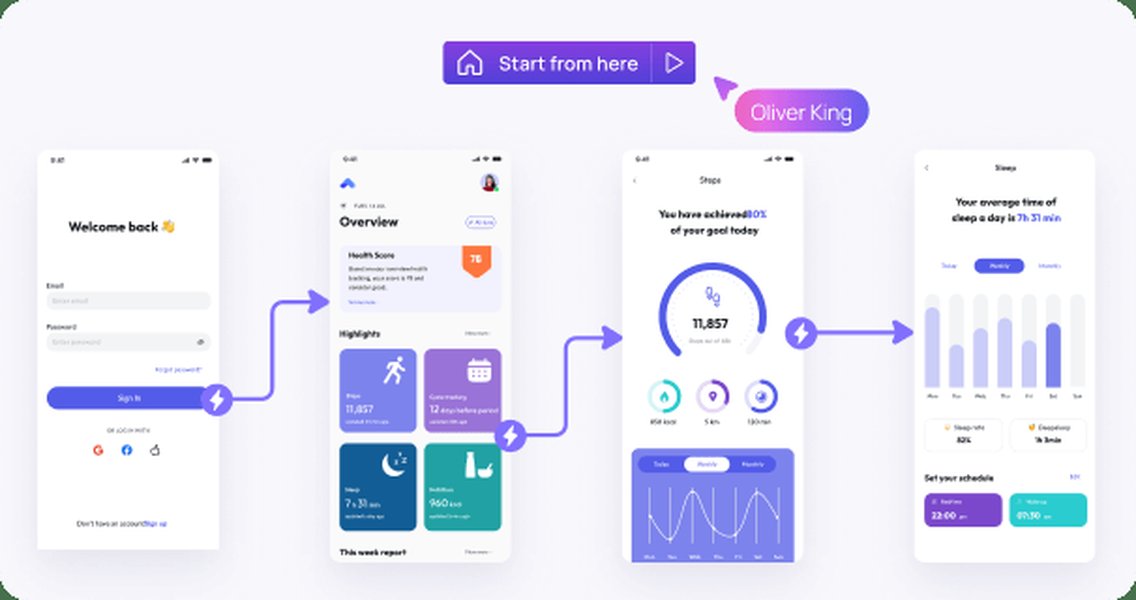
AI tools can help visualize app interfaces for concepts like skill development platforms.
Input: User Profile and Goals
Users provide information about their professional background and aspirations:
- Current Skills & Experience: Listing technical competencies, tools proficiency, years of experience, and past roles.
- Career Goals: Desired job title, industry, or specific responsibilities they aim for.
- Target Industry/Niche: Specifying the specialized field (e.g., "Quantum Computing Research," "Salesforce Marketing Cloud Development," "Biotech CRISPR Gene Editing").
- Optional Linking: Users could connect professional profiles (like LinkedIn) or upload resumes/CVs for a more detailed analysis (with explicit permission).
Processing: AI-Powered Gap Analysis
The AI compares the user's profile against a dynamic, curated knowledge base:
- Data Corpus Analysis: Continuously analyzes vast datasets including niche job descriptions, required qualifications in job postings, industry reports, academic publications, patents, and online course syllabi relevant to the user's specified field.
- Skill Mapping: Identifies the skills most frequently demanded for the target roles and compares them against the user's current skillset.
- Trend Identification: Detects emerging skills and technologies gaining importance within the niche, highlighting future requirements.
- Gap Prioritization: Ranks the identified skill gaps based on urgency, relevance to career goals, and industry demand.
Output: Personalized Learning Roadmap
The platform delivers a clear, actionable plan for skill development:
- Detailed Skill Gap Report: A comprehensive overview of missing or underdeveloped skills, explaining their importance in the target niche.
- Customized Learning Path: A step-by-step roadmap suggesting specific resources to bridge the gaps. This includes recommendations for online courses (e.g., Coursera, edX, specialized platforms), certifications, relevant books or research papers, tutorials, hands-on projects, or even specific experts to follow.
- Resource Tailoring: Recommendations can be filtered based on user preferences like learning style (video, text, interactive), budget (free vs. paid resources), and time commitment.
- Progress Tracking (Optional): Features to track completion of recommended learning activities.
Why It's Niche, Unique, and Valuable
General career platforms offer broad advice, and learning platforms suggest courses, but few tools provide granular, AI-driven skill gap analysis tailored to highly specific, technical, or rapidly changing fields. This platform's uniqueness lies in its deep focus on niche industries and its ability to generate a truly personalized, actionable learning plan based on real-time data. It offers immense value to ambitious professionals who need precise guidance to stay competitive and advance in specialized domains where skill requirements evolve quickly.
Monetization Strategy
- Subscription Model: Offer tiered subscriptions providing access to basic gap analysis (free/low cost) up to comprehensive analysis, personalized path generation, progress tracking, and premium resource recommendations.
- Partnerships with Learning Platforms: Earn affiliate commissions by directing users to recommended courses, certifications, or learning resources through integrated links.
- Freemium Model: Provide a basic skill gap report for free to attract users, with paid upgrades for the detailed learning path and ongoing updates.
- B2B Offerings: Potentially offer team-based versions for companies looking to upskill employees in specialized areas.
Visualizing the AI Workflow: Input to Output
Understanding the Core Process
Both proposed ideas rely on a clear Input -> AI Processing -> Output workflow. This structure ensures that the AI serves a distinct purpose: transforming user-provided information into something more valuable and actionable. The mindmap below illustrates this fundamental flow, adaptable to either the Geo-Specific Business Insights Curator or the Niche Skill Gap Analyzer.
This mindmap highlights the central role of the AI Processing Engine, which takes diverse user inputs and leverages various AI techniques to produce outputs tailored to the user's specific needs, thereby creating significant value.
Comparing Monetization Approaches
Revenue Streams for Niche AI Apps
Choosing the right monetization strategy is crucial for the sustainability and profitability of your AI app or website. Both proposed ideas offer flexibility, allowing for multiple revenue streams that can be combined or adapted based on user feedback and market conditions. The table below compares common monetization methods suitable for these niche AI applications.
| Monetization Method | Geo-Specific Business Insights Curator | Niche Skill Gap Analyzer | Description |
|---|---|---|---|
| Freemium | Basic insights feed, limited daily updates. | Basic skill gap overview report. | Offers core functionality for free to attract users, with paid upgrades for advanced features. |
| Tiered Subscriptions | Monthly/annual plans for unlimited access, real-time alerts, advanced analytics, deeper competitor data. | Monthly/annual plans for detailed analysis, personalized learning paths, progress tracking, premium resource recommendations. | Users pay recurring fees for different levels of access and features. Predictable revenue stream. |
| Pay-Per-Use / In-App Purchases | Charge for specific in-depth reports (e.g., detailed market analysis, competitor deep dive). | Charge for generating highly specialized learning paths or accessing premium assessment modules. | Users pay for specific actions, reports, or one-time features. Good for users not wanting a subscription. |
| Partnerships & Affiliate Revenue | Partner with local business services, data providers; affiliate links to recommended tools or resources. | Affiliate links to online courses, certifications, books; partnerships with learning platforms or recruitment agencies. | Earn commissions by referring users to third-party products or services relevant to the app's output. |
| Data Licensing (Anonymized) | Potential to license aggregated, anonymized local business trend data. | Potential to license aggregated, anonymized skill trend data for specific niches. | Selling non-personally identifiable data insights to third parties (requires careful consideration of privacy and ethics). |
| B2B Offerings | Could offer tailored enterprise versions for regional development agencies or consultancies. | Could offer team/corporate packages for companies focused on employee upskilling in specialized areas. | Selling access or customized versions of the platform to businesses. |
A hybrid approach, often starting with a Freemium model and adding Subscription tiers and Affiliate partnerships, can be effective for balancing user growth and revenue generation.
Feature Focus: Importance vs. Development Complexity
Balancing Value and Effort
When developing an AI application, it's essential to prioritize features based on the value they deliver to the user versus the complexity (time, resources, technical difficulty) involved in implementing them. This radar chart provides a conceptual comparison of key features for our proposed AI app ideas, mapping perceived user importance against estimated development complexity. Higher scores indicate greater importance or complexity.
This chart suggests that while core AI algorithms, personalization, and valuable output generation are highly important to users, they also present significant development complexity. Similarly, curating and maintaining the specialized knowledge base (for industry trends or skills) is complex but vital. The user interface, while crucial for usability, might be comparatively less complex than the underlying AI and data systems. Balancing these factors is key when planning development stages, perhaps starting with a Minimum Viable Product (MVP) focusing on core high-importance features before tackling more complex, lower-priority ones.
Inspiration from AI Startup Journeys
Learning from Successful AI Ventures
Understanding how others have approached building and monetizing AI startups can provide valuable insights. While the specific ideas presented here are unique, learning about general strategies, challenges, and monetization models used by successful AI app creators can be highly beneficial. The video below discusses several AI startup ideas and touches upon aspects like market validation and potential revenue, offering a glimpse into the entrepreneurial side of AI development.
This video, titled "These 7 AI startup ideas will print $100k/Month (with proof)", explores various AI-driven business concepts, including some focused on content generation and specialized tools. Although the specific ideas differ from the geo-specific business curator or the skill gap analyzer proposed earlier, the underlying themes of identifying a niche, leveraging AI for automation or insight, and building a viable business model are highly relevant. Watching such discussions can spark ideas for feature refinement, marketing angles, or monetization adjustments for your own AI project.
Frequently Asked Questions (FAQ)
Common Queries About Building Niche AI Apps
How difficult is it to build these types of AI apps?
The difficulty depends on the complexity of the AI models and the scope of features. However, leveraging existing AI platforms (like Google AI, OpenAI API, AWS SageMaker), pre-trained models, and low-code/no-code tools can significantly reduce development time and technical barriers, especially for an initial Minimum Viable Product (MVP). The primary challenges often lie in acquiring and cleaning high-quality niche data, fine-tuning models for specific tasks, and ensuring the output is genuinely valuable and accurate for the target users.
What are the key costs involved?
Costs can include:
- Development: Hiring developers/AI specialists or using paid development platforms.
- AI Model Usage: Costs associated with using third-party AI APIs (often based on usage/tokens processed) or cloud computing resources for training/running custom models.
- Data Acquisition & Storage: Costs for accessing premium datasets, APIs, or storing large amounts of data.
- Infrastructure: Web hosting, servers, database management.
- Maintenance & Updates: Ongoing costs for refining the AI, updating data sources, and improving features.
Starting with an MVP and leveraging cloud services can help manage initial costs.
How do I ensure the AI provides genuinely valuable output?
This requires a deep understanding of the target user's needs and pain points. Key strategies include:
- High-Quality Data: Training and running the AI on relevant, accurate, and up-to-date data specific to the niche.
- User Feedback Loop: Continuously collecting feedback from users on the usefulness and accuracy of the output and using it to refine the AI models and algorithms.
- Focus on Actionability: Ensuring the output isn't just interesting but provides clear insights or steps the user can take.
- Domain Expertise: Involving experts from the niche field (e.g., business consultants, career coaches) during development and testing can help validate the value proposition.
- Iterative Improvement: Start simple and progressively enhance the AI's capabilities based on real-world usage and feedback.
Which monetization model is best to start with?
A Freemium model is often a good starting point for niche AI apps. It allows you to attract a user base and demonstrate the value of your core offering without an initial payment barrier. Users can experience the basic functionality, and once they see the value, they are more likely to upgrade to a paid subscription tier for enhanced features, unlimited usage, or more advanced insights/personalization. This approach helps validate the product-market fit before committing fully to a purely subscription or pay-per-use model. Affiliate partnerships can often be integrated alongside Freemium or Subscription models relatively early.
Recommended Next Steps
Explore Further Insights
- How can I validate market demand for a niche AI app idea before building it?
- What are the best AI APIs and platforms available for building personalized recommendation engines?
- What ethical considerations should I be aware of when using AI with user data in mobile apps?
- Compare the pros and cons of subscription versus pay-per-use monetization models for AI software.
References
Sources and Further Reading

Last updated May 5, 2025