
Nitrite Testing for Engine Cooling Water
Ensuring Optimal Engine Performance and Longevity through Effective Nitrite Monitoring
Key Takeaways
- Critical Role of Nitrites: Nitrites act as essential corrosion inhibitors, safeguarding engine components from deterioration.
- Accurate Testing Methods: Utilizing advanced techniques like UV/Vis spectroscopy ensures precise measurement of nitrite levels.
- Regular Maintenance: Consistent monitoring and maintenance of nitrite concentrations prevent engine failures and extend lifespan.
Understanding the Importance of Nitrite in Engine Cooling Systems
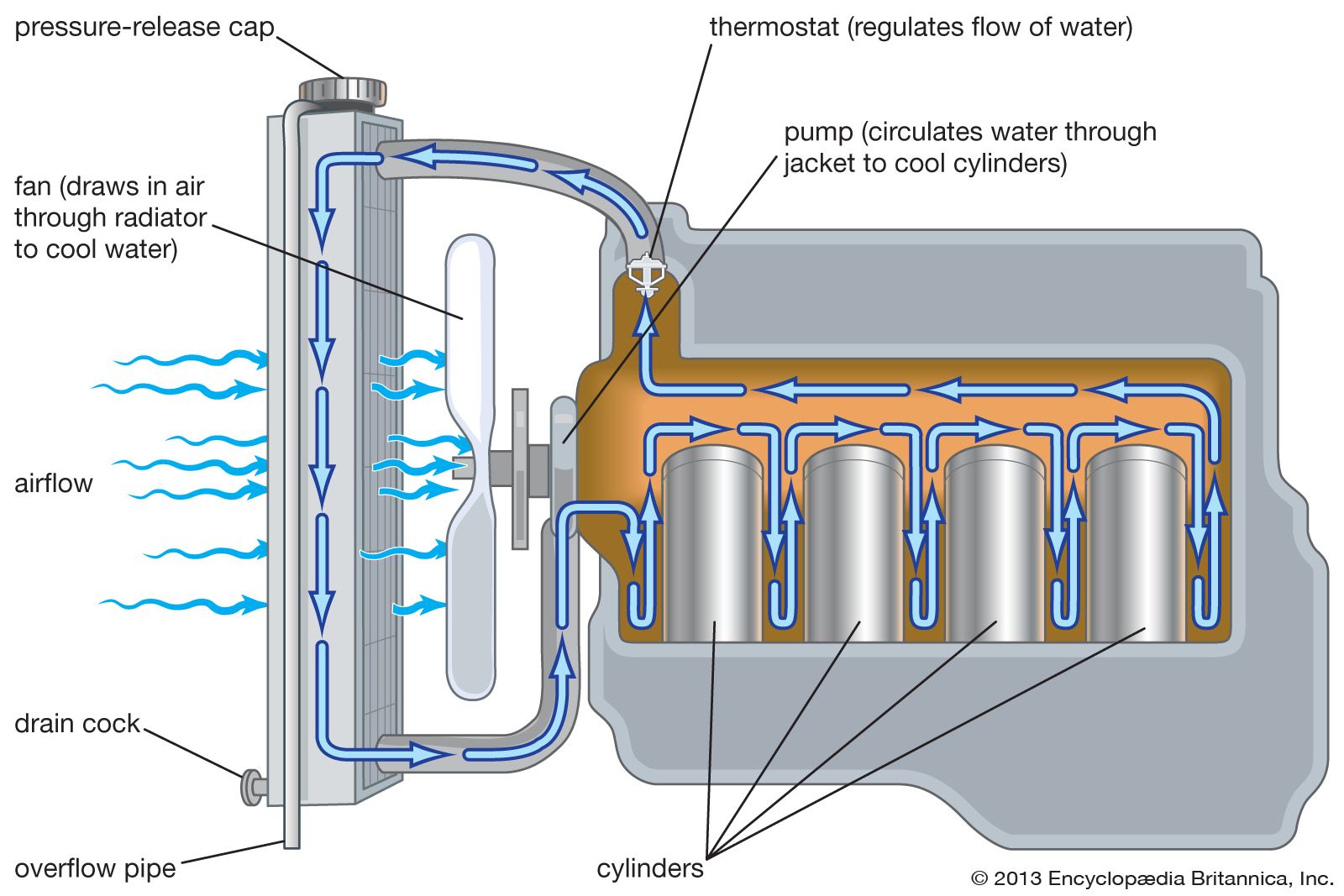
Nitrite additives play a pivotal role in maintaining the health and efficiency of engine cooling systems. They function primarily as corrosion inhibitors, forming a protective oxide layer on metal surfaces within the cooling infrastructure. This protective layer is crucial in preventing rust and corrosion, which can lead to significant engine damage and reduced performance.
Why Monitor Nitrite Levels?
Regular monitoring of nitrite levels ensures that the coolant maintains its corrosion-inhibiting properties. Low nitrite concentrations can compromise the protective layer, making engine components vulnerable to corrosive processes. Conversely, excessively high nitrite levels may lead to other issues, such as material incompatibilities or system inefficiencies.
Optimal Nitrite Concentration Ranges
Maintaining nitrite levels within recommended ranges is essential for effective corrosion prevention and overall engine health.
Recommended Nitrite Levels by Engine Type
| Engine Type | Recommended Nitrite Range (ppm) | Remarks |
|---|---|---|
| Marine Engines (Wilhelmsen Rocor NB) | 1,000 - 2,400 ppm | Routine maintenance recommended at 1,440 ppm |
| Diesel Engines | 800 - 1,600 ppm | Optimal for most industrial applications |
| Closed Cycle Cooling Systems | 600 - 1,200 ppm | Effective passivation of carbon steel |
| Minimum Acceptable Level | 300 ppm | Below this, anticorrosion strength is very low |
Methods for Testing Nitrite Levels
Accurate assessment of nitrite concentrations can be achieved through various testing methodologies, each with its advantages and specific applications.
Colorimetric Test
The colorimetric test is a widely used method based on the diazotization reaction. It involves reacting nitrite with specific reagents to produce a colored azo dye, the intensity of which correlates with the nitrite concentration.
Procedure:
- Sample Collection: Obtain a cooling water sample, ensuring it is well-mixed and free from particulates.
- Reagent Addition: Add sulfanilamide in an acidic medium to the sample to form a diazonium salt.
- Coupling Reaction: Introduce N-(1-naphthyl)ethylenediamine dihydrochloride to form the azo dye.
- Measurement: Compare the resultant color against a standard color chart or use a spectrophotometer at 540 nm for precise quantification.
Test Strips
Test strips offer a convenient and rapid means of assessing nitrite levels on-site. They typically involve reagents embedded in the strip that change color in response to nitrite concentrations.
Advantages:
- Quick and easy to use, suitable for routine checks.
- Portable and require minimal equipment.
- Provide approximate nitrite concentrations through color comparison.
UV/Vis Spectroscopy
UV/Vis spectroscopy is a more advanced method that offers high accuracy and is suitable for high-volume testing scenarios. It involves measuring the absorbance of the dyed sample at specific wavelengths to determine nitrite concentrations.
Benefits:
- High precision and repeatability.
- Automated processes enhance efficiency.
- Applicable for both low and high nitrite levels.
Ion Chromatography
Ion chromatography is a laboratory-based method that provides comprehensive analysis of nitrite and other ionic species in coolant samples. While it offers exceptional accuracy, it requires specialized equipment and is typically used for detailed assessments.
Key Features:
- Quantitative analysis of multiple ions simultaneously.
- Suitable for research and high-precision applications.
- Requires technical expertise and calibration with standard solutions.
Paper Test Strips
Paper test strips provide a manual and straightforward approach to estimating nitrite levels. While less accurate than other methods, they are useful for rapid field tests and preliminary assessments.
Considerations:
-
Simple and cost-effective.
-
Best used for quick checks rather than precise measurements.
-
Color interpretation can be subjective.
Conducting the Nitrite Test: Step-by-Step Guide
1. Sample Collection
Begin by collecting a representative sample of the engine's cooling water. Ensure that the sample is well-mixed to provide an accurate reflection of the coolant's overall condition. Filtering the sample may be necessary to remove particulate matter that could interfere with the testing process.
2. Preparing the Sample
If the testing method requires acidification, add a dilute acid, such as hydrochloric acid, to the sample. This step facilitates the diazotization reaction necessary for colorimetric tests.
3. Adding Reagents
Introduce the appropriate reagents to the sample as per the chosen testing method. For colorimetric tests, this typically involves adding sulfanilamide followed by a coupling agent like N-(1-naphthyl)ethylenediamine dihydrochloride.
4. Allowing the Reaction to Occur
Provide sufficient time for the chemical reactions to take place. The duration can vary depending on the method but generally ranges from a few minutes to half an hour.
5. Measuring the Nitrite Concentration
Compare the color intensity of the reaction product to a standard color chart or use a spectrophotometer to obtain an accurate measurement. Ensure that measurements are taken at the specified wavelength for consistency.
Interpreting the Results
The obtained nitrite concentration should be evaluated against the recommended ranges for your specific engine type. Adequate interpretation is essential for determining whether corrective actions are needed.
Low Nitrite Levels
A nitrite concentration below 300 ppm indicates insufficient corrosion protection, increasing the risk of engine component degradation. In such cases, it's imperative to replenish the coolant with the appropriate additives or perform a complete system flush.
High Nitrite Levels
Excessively high nitrite concentrations can lead to other issues, including potential material incompatibilities and system inefficiencies. It's advisable to dilute the coolant with distilled water or use specialized cleaners to adjust the nitrite levels.
Maintenance Actions Based on Test Results
Restoring Optimal Nitrite Levels
If nitrite levels are found to be below the recommended range, add a suitable additive to the coolant. For instance, adding 32 ounces of additive per gallon of coolant can help restore the nitrite concentration to optimal levels.
System Flushing
When nitrite levels are critically low, it's necessary to flush the cooling system. Use a compatible cleaner, such as Motorcraft® Engine Cooling System Iron Cleaner, followed by refilling the system with a 50/50 mixture of the recommended coolant and distilled water.
Regular Monitoring
Establish a routine monitoring schedule aligned with the engine manufacturer's maintenance guidelines. Regular checks help in early detection of any deviations in nitrite levels, allowing for timely corrective actions.
Safety and Handling Considerations
Handling chemicals and performing nitrite tests require adherence to safety protocols to prevent accidents and ensure accurate results.
Personal Protective Equipment (PPE)
Always wear appropriate PPE, including gloves and safety glasses, when handling reagents and coolant samples. This protects against chemical splashes and harmful exposures.
Proper Disposal
Dispose of any waste generated during the testing process in accordance with local environmental and safety regulations. Avoid contaminating water sources or harming the environment through improper disposal.
Practical Considerations for Effective Nitrite Testing
Implementing effective testing procedures ensures the reliability and accuracy of nitrite level assessments.
Establishing a Baseline
When the coolant is fresh, record the baseline nitrite concentration. This reference point is crucial for detecting changes and trends over time.
Calibration of Instruments
If using instruments like spectrophotometers, ensure they are calibrated with standard nitrite solutions. Regular calibration maintains measurement accuracy and consistency.
Frequency of Testing
Adopt a testing frequency that aligns with engine usage and manufacturer recommendations. For instance, weekly checks are advisable for high-demand engines, while less frequent testing may suffice for others.
Comprehensive Overview of Nitrite Testing Methods
Different testing methods offer varying levels of precision, convenience, and applicability. Selecting the appropriate method depends on specific requirements and available resources.
Test Strips vs. Laboratory Methods
Test strips are ideal for quick, on-site assessments but lack the precision of laboratory methods like UV/Vis spectroscopy or ion chromatography. Laboratories provide detailed analyses suitable for high-stakes applications where accuracy is paramount.
Cost and Accessibility
Consider the cost and accessibility of each testing method. While advanced techniques offer superior accuracy, they may require significant investment in equipment and training.
Environmental Factors
Environmental conditions, such as temperature and humidity, can affect nitrite testing results. Ensure that testing is conducted under controlled conditions to minimize variability.
Adaptability to Different Engine Types
Different engines may have varying coolant chemistry and nitrite requirements. Tailor the testing approach to accommodate these differences for optimal results.
Conclusion
Testing nitrite levels in engine cooling water is a fundamental aspect of engine maintenance, ensuring the prevention of corrosion and the preservation of engine integrity. By employing accurate testing methods and adhering to recommended maintenance practices, engine longevity and performance can be significantly enhanced. Regular monitoring, combined with prompt corrective actions based on test results, mitigates the risk of costly engine failures and promotes optimal operational efficiency.
References
Last updated February 12, 2025