
Neglected Tropical Diseases: Climate, Response, and Antivenoms
Comprehensive strategies for adapting to climate change, rapid outbreak response, and optimizing region-specific treatments
Key Highlights
- Adaptive Strategies: Integrating climate data, surveillance techniques, and community education to predict and mitigate NTD transmission.
- Rapid Response Mechanisms: Establishing robust diagnostic and preparedness systems to quickly tackle emerging NTDs.
- Local Antivenom Production: Tailoring production using region-specific snake venoms to ensure safe, affordable, and effective treatments.
Assessing the Impact of Climate Change on NTD Transmission
Understanding Environmental Changes
Climate change has a multifaceted impact on the transmission dynamics of Neglected Tropical Diseases. As temperature and precipitation patterns shift, the habitats and breeding cycles of disease vectors are altered. This influences the geographical distribution and seasonality of many NTDs, particularly those transmitted by insects such as mosquitoes, sandflies, and triatomine bugs. Rising temperatures can accelerate the life cycles of vectors, potentially leading to increased biting rates and faster replication of pathogens. However, extreme weather conditions might simultaneously impose stress on vector species, creating a dynamic and occasionally unpredictable transmission environment.
For instance, research indicates that malaria transmission could migrate towards higher altitudes and latitudes as warmer conditions extend the suitable habitats for mosquitoes. Similarly, the expansion in the range of Aedes mosquitoes, which are responsible for diseases including dengue, chikungunya, and Zika, reflects a trend towards increased disease risk in regions that were previously considered low risk. This evolving scenario calls for advanced predictive models that can integrate complex environmental data with epidemiological trends.
Adaptive Strategies for Mitigation
Addressing the challenges posed by climate change requires robust adaptive strategies. Key approaches involve:
Enhanced Surveillance and Monitoring
Integrating climate models with disease surveillance networks is essential for predicting where NTD outbreaks may occur. By combining remote sensing data, meteorological forecasts, and grassroots epidemiological reports, public health officials can map potential expansion zones of disease vectors. Continuous monitoring helps in early detection of outbreaks, allowing for timely public health interventions.
Vector Control Measures
Implementing efficient vector control strategies remains a cornerstone of mitigating NTD transmission. Techniques such as larviciding, insecticide-treated bed nets, and environmental management to eliminate breeding sites are critical. Moreover, community initiatives, including public awareness programs on water storage and waste management, support these efforts by reducing potential vector habitats.
Integration of Climate and Health Data
A strategic integration of climatological and health-related data facilitates the development of risk maps and early warning systems. By analyzing trends such as seasonal temperature fluctuations and humidity levels, researchers can better forecast periods of heightened disease transmission. This integration also aids in allocating resources to regions at greatest risk, ensuring that vulnerable populations receive prompt and appropriate interventions.
Community Engagement and Education
Building community resilience is paramount in the fight against NTDs. Educational campaigns inform local populations about the changes in disease risk associated with climate change. This includes guidance on preventive practices like using protective clothing, installing window screens, and adopting behaviors that minimize contact with vectors. Community participation not only increases the efficacy of control measures but also strengthens public trust in health initiatives.
Rapid Response Mechanisms for Emerging NTDs
The Urgency of Rapid Intervention
Emerging and re-emerging NTDs pose significant risks to public health, particularly in regions where climate change is accelerating disease transmission. Rapid response mechanisms are essential to thwart outbreaks before they escalate into widespread epidemics. Quick mobilization of diagnostic, treatment, and containment resources saves lives and minimizes long-term socio-economic impacts.
Core Components of Rapid Response Systems
Early Detection and Diagnostic Innovations
The development of rapid diagnostic tests is crucial for early disease detection. These tools allow health workers to quickly identify pathogens, enabling timely treatment. The integration of portable diagnostic devices, supported by mobile health technologies, ensures that even remote areas can benefit from early detection measures. Enhanced diagnostic capacity also supports continuous monitoring efforts, linking outbreak data to immediate response strategies.
Preparedness and Contingency Planning
Establishing preparedness plans involves pre-positioning medical supplies, establishing emergency communication channels, and training health workers to identify and respond to NTD outbreaks. Countries impacted by climate change must invest in capacity building, ensuring that health systems can quickly adapt to sudden increases in disease burden. Scenario planning exercises and simulation drills are essential to test and refine these strategies.
Collaboration and Coordination at All Levels
Effective response to emerging NTDs relies on strong collaboration among local, national, and international bodies. Coordinated efforts among governments, non-governmental organizations, and global health agencies like the World Health Organization (WHO) facilitate the rapid deployment of resources and expertise. Cross-border cooperation is particularly important as diseases do not recognize political boundaries. Collaborative networks enable sharing of information, standardizing response protocols, and pooling resources to combat outbreaks.
Community-based Response Mechanisms
Empowering local communities to take an active role in identifying and reporting unusual disease patterns reinforces rapid response networks. Community health workers, when equipped with the necessary tools and training, can serve as the first line of defense. Their integration within formal health systems ensures that local observations lead to swift action.
Optimizing Local Production of High-Quality, Affordable Antivenoms
The Challenge of Snakebite Envenoming
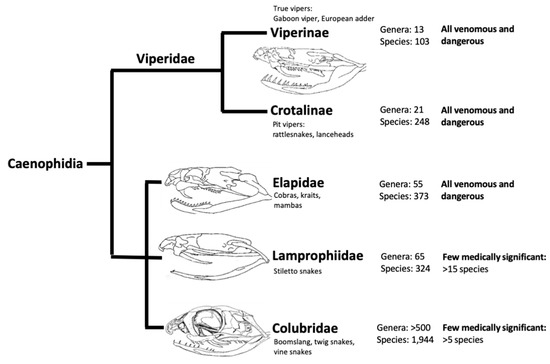
Snakebite envenoming is classified as an NTD, imposing heavy morbidity and mortality in regions such as sub-Saharan Africa, Asia, and Latin America. The effectiveness of treatment hinges on the availability of antivenoms that are effective against the specific venoms of local snake species. However, the production costs, accessibility, and variable quality of antivenoms present significant barriers to effective treatment.
Strategies for Enhancing Local Antivenom Production
Region-Specific Venom Collection
One of the cornerstones of optimizing antivenom production is the collection of snake venoms that are representative of the species prevalent in a given region. Establishing local venom collection centers ensures that the produced antivenoms are suitably matched to the regional spectrum of snake species. This localized approach enhances the effectiveness of antivenoms and reduces the risk of treatment failures.
Technology Transfer and Capacity Building
Enhancing local production capacity involves transferring advanced technologies and methodologies to regional manufacturing facilities. This encompasses training in the latest immunization techniques, antibody purification strategies, and stringent quality control measures. Partnerships between global research institutions and local producers are fundamental in achieving these improvements. Capacity building initiatives also encourage sustainable practices that elevate local standards of biomedical manufacturing.
Implementing Good Manufacturing Practices (GMP)
Adhering to GMP standards is critical to ensuring that antivenoms are both safe and effective. Rigorous quality assurance protocols, including preclinical and clinical evaluations, are essential in certifying that the antivenom products meet international safety criteria. Investment in modern manufacturing facilities and continuous scrutiny of production processes builds trust among healthcare providers and end-users.
Affordability and Access
To ensure that antivenoms are not only high quality but also affordable, it is necessary to optimize production costs through efficient processes and economies of scale. Government subsidies, public-private partnerships, and innovative pricing models can help lower costs. Establishing reliable distribution networks, particularly in rural and underserved areas, further enhances access to these life-saving treatments.
Comparative Table of Strategies
| Area | Strategies | Key Components |
|---|---|---|
| Climate Change Impact | Enhanced Surveillance, Climate Data Integration, Community Education |
|
| Rapid Response Mechanisms | Early Detection, Rapid Diagnostics, Preparedness Planning |
|
| Local Antivenom Production | Region-Specific Venom Collection, Technology Transfer, GMP Implementation |
|
Practical Implementation and Future Perspectives
Bridging Research and Policy
Realizing effective control over Neglected Tropical Diseases in the context of climate change requires bridging the gap between research, policy, and implementation. Governments and international organizations must work collaboratively to translate scientific findings into actionable public health policies. This includes:
- Policy Directives: Formulating guidelines that integrate climate change impacts, vector control principles, and rapid response systems.
- Funding Research: Investing in advanced modeling techniques that can predict outbreak patterns more accurately.
- Public Health Infrastructure: Prioritizing investments in local healthcare systems to increase capacity for surveillance, diagnostics, and treatment.
Integrating Community-Centric Approaches
The success of any strategy depends on active community involvement. Empowering local populations with knowledge and resources fosters a bottom-up approach to disease prevention and rapid response. For example, training community health workers to detect early signs of disease and establishing local reporting channels can create a network effect—where vigilance at the grassroots level leads to faster mobilization of central health resources.
Enhanced community engagement not only improves local resilience but also ensures that public health messaging is culturally sensitive and context-specific. Initiatives such as collaborative workshops, local simulation exercises, and educational outreach can help transform vulnerable communities into proactive participants in disease prevention and control.
Future Challenges and Opportunities
While advances in technology and international cooperation have paved new ways for managing NTDs, future challenges remain. The dynamic nature of climate change necessitates continuous adaptation and regular updates to both predictive models and public health strategies. Moreover, there is a significant opportunity to further refine antivenom production by investing in novel biotechnological approaches, including recombinant antivenoms, that promise even greater specificity and safety.
Strategic planning is needed to address logistical challenges in low-resource settings, ensuring that rapid response mechanisms are both sustainable and scalable. Continued investment in research, capacity building, and infrastructure will fortify global and local defenses against the spread of NTDs.
References
- The Lancet - Neglected Tropical Diseases and Climate Change
- World Health Organization - Climate Change and NTDs
-
PMC - Effective Antivenom Production
-
PMC - Impact of Environmental Conditions on Vector Transmission
-
NCBI - Regional Challenges in NTD Management
Recommended Further Exploration

Last updated March 18, 2025