
Climate Change Impacts on Lettuce Production
Exploring how climate variability reshapes the cultivation and sustainability of lettuce
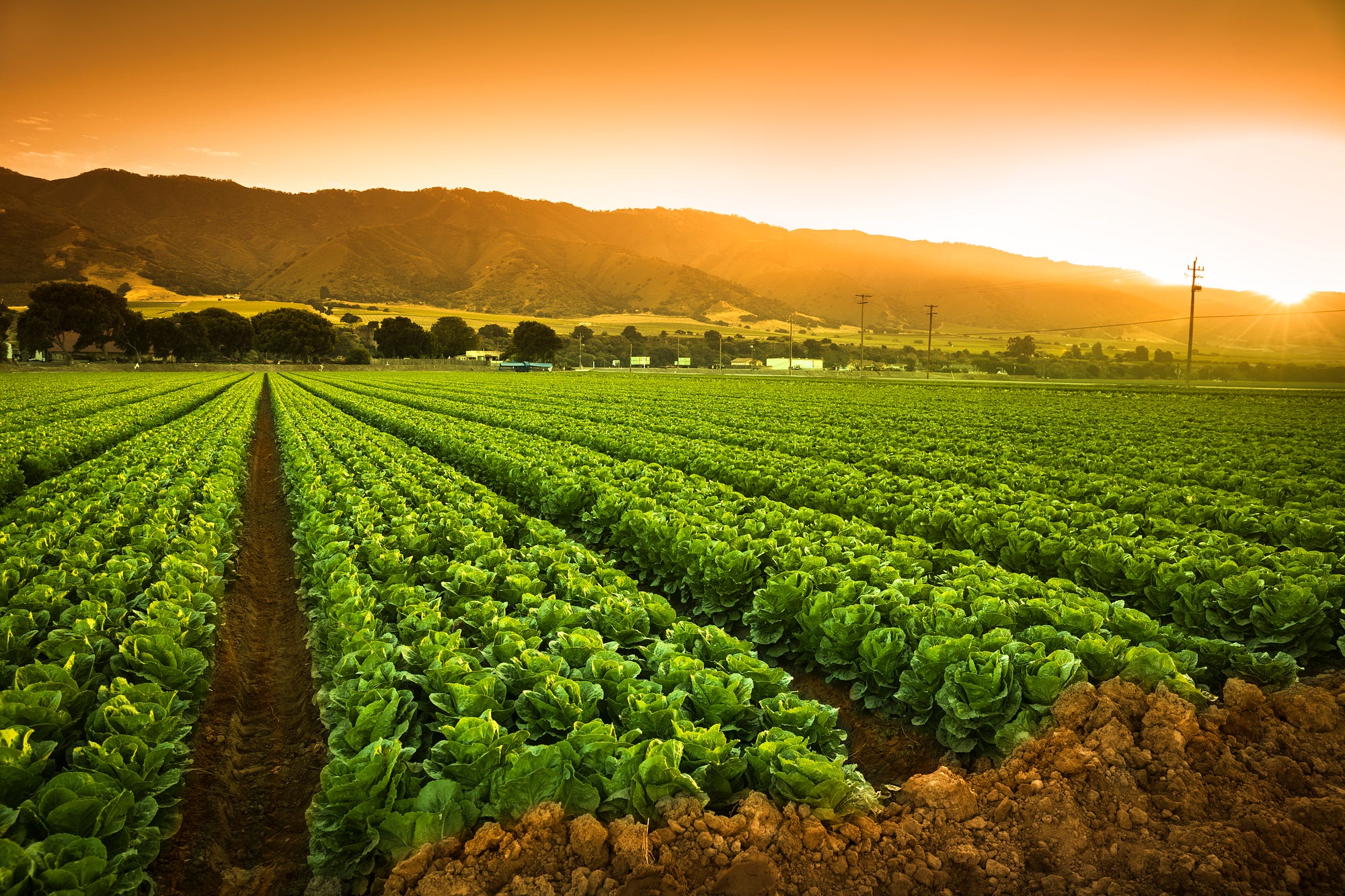
Highlights
- Temperature Effects: Alterations in ambient temperature influence growth cycles, yield, and disease prevalence.
- Water and Irrigation Challenges: Shifting precipitation and water stress require innovative irrigation and resource management.
- Adaptation Strategies: Adoption of controlled environment agriculture and new crop varieties can mitigate adverse effects.
Overview of Climate Change Impacts on Lettuce Production
Climate change exerts a profound influence on lettuce production by altering temperature regimes, water availability, and the propagation of pests and diseases. The interplay of these factors not only affects crop yield and quality but also has notable implications for the food supply chain, economic pricing, and overall sustainability. Lettuce, a temperate crop known for its delicate growing requirements, is particularly sensitive to fluctuations in its environment.
Temperature Sensitivity and Early Growth Dynamics
Temperature Effects on Crop Physiology
Lettuce has an optimal temperature range, and even modest deviations from this range can induce significant physiological changes. Under ideal conditions, lettuce thrives with daytime temperatures near 73°F (around 23°C) and cooler nights near 45°F (7°C). However, as global temperatures rise, the initial phase of rapid biomass accumulation might occur due to the acceleration of metabolic processes. On the flip side, excessive heat can trigger premature flowering (bolting), especially in varieties like iceberg lettuce, which negatively affects both yield and market quality.
Accelerated Growth and Bolting
While increasing temperatures can shorten the time to harvest — sometimes reducing the growth cycle by up to 9 days — this acceleration often comes at the expense of crop quality. Rapid development leads to a reduced period of marketable freshness, potentially impacting both flavor and texture. Moreover, once bolting occurs, the crop diverts energy from leaf production to reproductive processes, thereby diminishing marketable output.
Water Availability and Irrigation Challenges
Impacts of Precipitation Variability
One of the most critical concerns associated with climate change is the disruption in regular precipitation patterns. Lettuce requires consistent moisture to maintain its quality and yield. However, altered rainfall patterns — including prolonged droughts or, conversely, episodes of unexpected heavy rainfall — place the crop under significant water stress. Drought conditions limit the essential water supply for photosynthesis and nutrient uptake, thereby reducing plant vigor and yield.
Water Stress and Management Practices
Adaptation strategies such as the implementation of water-efficient irrigation systems (e.g., drip irrigation) are increasingly becoming vital. In regions where water scarcity is a prevalent issue, innovative practices in water management help conserve this critical resource. Additionally, growers are investing in technologies that monitor soil moisture levels in real time to optimize water use, ensuring that crops receive the right balance of hydration without wastage.
Pest, Disease, and Microbial Challenges
Increased Pest and Disease Vulnerability
Climate change also impacts lettuce production indirectly by creating favorable conditions for pests and diseases. Warmer temperatures can increase the range and prevalence of pathogens and pest species that damage lettuce crops. Specifically, elevated temperatures may promote the survival and propagation of insects such as aphids and mites, which serve as vectors for pathogens. Moreover, diseases caused by bacteria and fungi have shown increased incidence under warmer and more humid conditions.
Microbial Quality and Food Safety Concerns
Shifts in climate not only influence the physical health of the lettuce crop but also have repercussions on food safety. The warmer climate and fluctuating moisture conditions can facilitate the growth of harmful microorganisms, including strains of E. coli, thereby increasing the risk of foodborne illnesses. Such concerns have led to increased scrutiny of farming practices and an emphasis on microbial quality control within lettuce production systems.
Economic and Regional Implications
Supply Chain and Pricing Dynamics
Beyond biological impacts, climate change also exerts significant economic pressures on lettuce production. The combination of reduced yields, accelerated bolting, and increased disease outbreaks results in supply shortages that can drive up market prices. In regions like California’s Salinas Valley, where lettuce is a critical component of local agriculture, extreme weather events such as heat waves and unseasonable frosts have been linked to notable price hikes in produce markets.
Regional Variability and Crop Adaptability
The effects of climate change do not manifest uniformly across all regions. For instance, while warmer temperatures may enhance growth in temperate zones under controlled conditions, they can severely disrupt production in areas that face water stress or abrupt temperature shifts. Desert farming regions and areas with significant seasonal variability experience unique challenges that necessitate tailored agricultural interventions.
Adaptation and Mitigation Strategies in Lettuce Production
Controlled Environment Agriculture and Technological Interventions
In response to the challenges posed by climate change, the agricultural industry has increasingly turned to Controlled Environment Agriculture (CEA). Techniques such as vertical farming and hydroponics enable growers to create optimal conditions for lettuce production independent of external environmental fluctuations. Indoor systems provide control over temperature, humidity, and light exposure, reducing the risk of pest infestations and improving overall yield.
Breeding New Cultivars
In addition to technological solutions, significant research efforts are focused on breeding new lettuce cultivars that are more resilient to heat, drought, and pest pressures. Through advanced genetic techniques and traditional breeding practices, scientists aim to develop varieties that maintain high quality and yield despite the adverse conditions associated with climate change. These new cultivars play a critical role in sustaining production levels in the face of growing ecological uncertainties.
Improved Resource Management
Effective resource management is another vital strategy for mitigating the impact of climate change on lettuce production. This includes securing water resources through efficient irrigation practices, utilizing renewable energy sources to power agricultural operations, and implementing advanced monitoring systems to detect early signs of disease or water stress. Investment in smart agriculture technologies not only helps in adapting to current climate challenges but also prepares the agricultural sector for future uncertainties.
Comprehensive Analysis Table: Impacts and Mitigation Strategies
| Impact | Description | Mitigation Strategy |
|---|---|---|
| Temperature Fluctuations | Excessive heat leads to premature bolting and altered growth cycles. | Utilization of CEA and breeding heat-tolerant cultivars. |
| Water Stress | Irrigation challenges and inconsistent moisture levels affecting growth. | Implementation of drip irrigation and smart water management systems. |
| Pest & Disease Increase | Warmer climates facilitate the spread of microorganisms and insect pests. | Adoption of integrated pest management and controlled environment agriculture. |
| Economic Variability | Price fluctuations due to reduced yields and supply chain disruptions. | Diversification of crop management practices and regional adaptation strategies. |
| Food Safety Concerns | Enhanced risk of microbial contamination under higher temperatures. | Improved monitoring and control in production environments, including sanitation protocols. |
Scientific Studies and Field Observations
Scientific studies underpinning these observations highlight the multifaceted challenges climate change poses to agriculture. Field research has revealed that even subtle variations in temperature and humidity can bring about a cascade of ecological responses. For instance, laboratory experiments coupled with real-world field data indicate that even a slight rise in average temperature may lead to a 5-6% reduction in yield under certain conditions. Concurrently, controlled environment studies using vertical farming have shown promise in counteracting many negative external variables, thereby enhancing lettuce production stability.
Additionally, historical climate data paired with future projections from reputable institutions provide valuable insights into how changing global weather patterns are likely to influence agricultural practices over the coming decades. The nuanced effects of climate change on lettuce are best understood when integrating data from microbial ecology, plant physiology, meteorology, and economics. This multidisciplinary approach provides a robust framework for anticipating future challenges and devising adaptive strategies.
Developing Regional Adaptation Policies and Best Practices
Tailoring Solutions for Local Conditions
Efforts to mitigate the impacts of climate change on lettuce production are increasingly tailored to regional environmental conditions. Localized strategies involve analyzing regional weather patterns, water resource statistics, and soil conditions to design specific adaptation plans. In regions facing chronic water scarcity, the focus may be on advanced irrigation technologies and drought-resistant cultivars, while regions contending with multiple pest outbreaks might prioritize integrated pest management systems.
Collaborative Efforts and Policy Support
Collaborative efforts that bring together researchers, policymakers, and farmers have furthered the development of climate-resilient agricultural practices. Public and private sectors are investing in research and development, ensuring that scientific innovations reach the field rapidly. Such collaborations not only bolster the resilience of lettuce production but also contribute significantly to broader food security goals.
References
- Climate Vulnerabilities - USDA Climate Hubs
- Can Lettuce Survive Climate Change? - WIRED
- Lettuce Crop Impacts - Vegetable Climate
- Climate Change & Lettuce Adaptation - ESSFeed
- Lettuce Growers Adaptation - HortiDaily
Recommended Related Queries
Last updated March 17, 2025