
The Current Trajectory of Climate Change
Analyzing Global Warming Trends and Urgent Mitigation Efforts
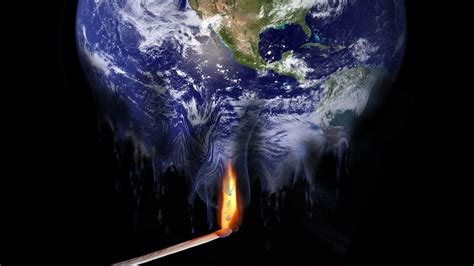
Key Takeaways
- Global temperatures are projected to rise between 2.5°C and 4.4°C by 2100, significantly surpassing the Paris Agreement targets.
- Urgent and substantial reductions in greenhouse gas emissions are required, including a 6% annual decrease in fossil fuel production by 2030.
- Massive investments in renewable energy infrastructure are essential, with an estimated $4 trillion needed annually by 2030.
Overview
The trajectory of climate change remains a critical global concern, marked by escalating temperatures, rising greenhouse gas emissions, and intensifying environmental impacts. Current data indicates that without decisive and immediate action, the world is on a path to exceed the temperature thresholds set by international agreements, leading to profound ecological, economic, and social consequences.
Projected Temperature Increases
Global average temperatures have already risen by approximately 1.2°C since the late 19th century. Projections suggest that, under current policies, temperatures could increase by 2.5°C to 4.4°C by the end of the 21st century. This range significantly exceeds the Paris Agreement's goal of limiting warming to well below 2°C and striving for 1.5°C. The likelihood of surpassing the 1.5°C threshold is high, with estimates indicating an 80% likelihood that the annual average temperature will exceed this level at least once in the next five years.
Greenhouse Gas Emissions
Greenhouse gas concentrations, particularly carbon dioxide (CO2), have reached over 415 parts per million (ppm), levels not observed in millions of years. Current emission trajectories suggest a continuation of rising CO2 levels, contributing significantly to global warming. To limit warming to 1.5°C, it is imperative to achieve approximately 50% emissions reductions by 2030 and to decrease fossil fuel production by around 6% annually between 2020 and 2030.
Extreme Weather Events
The increasing global temperatures have been linked to a rise in the frequency and intensity of extreme weather events. This includes more severe heatwaves, prolonged droughts, intensified hurricanes, and heavy rainfall leading to flooding. These events not only cause immediate damage but also have long-term socio-economic impacts on affected regions.
Sea-Level Rise
Global sea levels have risen by approximately 15-20 cm since 1900. Projections indicate a potential rise of up to 1 meter by 2100 if greenhouse gas emissions continue unabated. Coastal regions are particularly vulnerable, with estimates suggesting that by 2050, up to $106 billion worth of coastal property may be submerged under sea levels.
Arctic Ice and Polar Regions
The Arctic ice cap is diminishing at an unprecedented rate. In 2023, the Arctic sea ice reached a record low extent for September, underscoring the rapid changes in polar environments. The loss of Arctic ice contributes to feedback loops that accelerate global warming and disrupt global weather patterns.
Ocean Acidification
Oceans absorb a significant portion of atmospheric CO2, leading to increased acidification. Elevated acidity levels pose severe threats to marine ecosystems, including coral reefs and shellfish populations, which are vital for biodiversity and fisheries.
Climate Change Impacts
Climate change affects various aspects of the natural and human world. Ecosystems are disrupted, water resources become scarcer in some regions while others face excessive flooding, agricultural productivity is threatened, and human health is at risk due to increased heat-related illnesses and the spread of vector-borne diseases. Moreover, climate change exacerbates social and economic inequalities, disproportionately affecting vulnerable communities.
Renewable Energy Transition
Transitioning to renewable energy sources is critical in mitigating climate change. Currently, there is momentum towards adopting solar, wind, and other renewable technologies. However, the pace of this transition must accelerate significantly. Projections indicate a need to triple investments in renewable energy by 2050 and double clean energy electricity supply within the next eight years to achieve net-zero emissions by 2050.
Policy and Global Action
International policies, such as the Paris Agreement, aim to limit global warming through nationally determined contributions (NDCs). Despite commitments from many nations to achieve net-zero emissions by mid-century, there remains a substantial gap between pledges and actual policy implementation. Current policies are insufficient, leading to projections of warming well beyond the targeted thresholds. Enhanced cooperation, robust policy frameworks, and immediate action are essential to bridge this gap.
Urgent Measures Needed
To alter the current trajectory of climate change, urgent and transformative measures are necessary:
- Rapid Reduction of Greenhouse Gas Emissions: Implementing policies to significantly cut CO2 and other greenhouse gas emissions is paramount. This includes phasing out fossil fuels and transitioning to clean energy sources.
- Massive Investments in Renewable Energy: Allocating an estimated $4 trillion annually by 2030 for renewable energy infrastructure and technology is crucial for scaling up renewable energy capacity.
- Enhancing Adaptation Strategies: Developing and funding robust adaptation strategies to prepare for the inevitable impacts of climate change, such as building resilient infrastructure and protecting vulnerable ecosystems.
- Strengthening International Collaboration: Fostering global cooperation and compliance with international agreements to ensure collective action against climate change.
Economic Implications
The economic ramifications of climate change are vast. Beyond the direct costs associated with extreme weather damage and sea-level rise, there are significant long-term economic challenges related to health impacts, decreased agricultural productivity, and loss of biodiversity. Investing in mitigation and adaptation not only helps prevent these costs but also presents opportunities for economic growth through the development of green technologies and sustainable industries.
Adaptation and Mitigation Strategies
Effective climate change strategies encompass both mitigation and adaptation:
-
Mitigation: Focuses on reducing or preventing the emission of greenhouse gases. Key approaches include transitioning to renewable energy, enhancing energy efficiency, reforestation, and adopting sustainable agricultural practices.
-
Adaptation: Involves adjusting to actual or expected climate changes. This includes developing resilient infrastructure, implementing early warning systems for extreme weather events, and protecting water resources.
Combining these strategies is essential for minimizing the adverse effects of climate change and ensuring a sustainable future.
Conclusion
The current trajectory of climate change is alarming, with global temperatures set to rise significantly beyond the targets established by international agreements. The pressing need for immediate and substantial action to reduce greenhouse gas emissions, invest in renewable energy, and implement effective adaptation strategies cannot be overstated. Bridging the gap between policy pledges and actionable measures is vital to mitigate the severe impacts of climate change and safeguard the planet for future generations.
References
For more detailed information on the current trajectory of climate change, please visit the following resources:
Last updated January 11, 2025