
Overview of NTUST
Comprehensive insights into history, infrastructure, attractions, and academic excellence
Key Highlights
- Historical Milestones: Discover NTUST’s evolution from its inception in 1974 to its modern role as a leading technological institution.
- Campus and Infrastructure: Understand the organization of NTUST’s multiple campuses, significant building projects, and cutting-edge facilities.
- Attractions and Academic Value: Learn about the nearby cultural and recreational sites and why NTUST stands out for prospective students.
Detailed Historical Overview
The National Taiwan University of Science and Technology, widely known as NTUST or Taiwan Tech, has established itself as one of the foremost technical institutes in Taiwan. Founded on August 1, 1974, the institution originally bore the name National Taiwan Institute of Technology. This founding moment occurred at a time when Taiwan was undergoing rapid industrialization and economic growth. The need for a skilled workforce, primarily focusing on engineering and technology, inspired the creation of NTUST to train highly qualified professionals capable of driving the nation’s technological progress.
Over the decades, NTUST has transformed in scope and reputation. Initially set up to address urgent requirements in industrial expertise, the university gradually expanded its academic and research programs beyond the basic technical disciplines. Today, NTUST is celebrated not only for its engineering and computer science specialties but also for its pioneering research in building technology and industry-university collaborative efforts. The institution’s evolution reflects Taiwan’s commitment to building a knowledge-based economy and sustaining its competitive edge in the global market.
Key Developments in NTUST’s History
Foundation and Early Years
NTUST’s journey began in 1974. As the original National Taiwan Institute of Technology, it was the first institution in Taiwan’s newly developing system of higher technical education. In the formative years, the focus was primarily on imparting skill-intensive training to address the immediate industrial needs. The curriculum was tailored to blend practical know-how with theoretical foundations, ensuring that graduates could step directly into critical roles within the expanding economy.
Expansion and Evolution
As the global landscape of technology changed, NTUST adapted its mission. A series of developmental programs under the Ministry of Education’s “Building Top Universities and Elite Research Centers Development Plan” provided the necessary government support to transform NTUST into a center of academic excellence. A significant marker in its evolution was the recent expansion in 2023 when NTUST acquired the campus of Hwa Hsia University of Technology and established the Huaxia Campus in Zhonghe District, New Taipei City. This strategic move expanded the university’s geographical and academic footprint.
Modern Era and Academic Recognition
Today, NTUST is recognized as the best technical university in Taiwan. It excels not only in engineering but also in specialized research areas that integrate humanities and the arts with technology. This multidimensional approach is prominently showcased through its initiatives like the Taiwan Building Technology Center, which aims to improve the safety and quality of modern buildings by applying interdisciplinary research. The university’s commitment to continuous improvement has led to its high rankings in national graduate program evaluations and substantial recognition in industry-related collaborative research.
Campus Architecture and Facilities
NTUST is known for its modern and well-organized campuses that foster an environment conducive to learning, research, and personal growth. The institution operates across multiple campuses, each designed to meet the diversifying needs of its student body and research initiatives.
Campus Network and Organization
Multi-Campus System
NTUST’s academic and operational infrastructure is distributed among five primary campuses. The main campus, located in Taipei City’s Da’an District (often referred to as the Gongguan campus), covers an area of approximately 10 hectares, serving as the central hub for teaching, research, and student facilities. Alongside the main campus, branch campuses located in Tu-Cheng, Keelung, Gong-Guan, and Chupei extend the university’s reach and provide specialized facilities tailored to regional industries.
Modern Infrastructure and Key Buildings
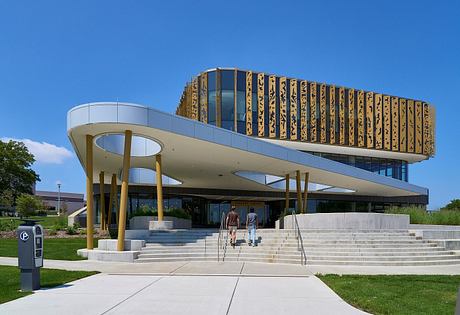
A significant highlight of NTUST is the array of state-of-the-art facilities and buildings that support its academic vision. Among these, the Taiwan Building Technology Center (TBTC) stands out for its role in integrating technology with everyday life. This center is designed to combine research in science, the humanities, and the arts, ultimately addressing real-world issues in building design, safety, and sustainability. Many buildings on campus are fitted with advanced laboratories, collaborative spaces, and recreational facilities that encourage a holistic educational experience.
For instance, the International Building serves as both a functional research space and a cultural meeting ground for students from around the world. The TBTC, in particular, is a flagship project that embodies the university’s commitment to innovation in building technology—a sector that is crucial for public safety and urban planning.
A Closer Look at Campus Facilities
State-of-the-Art Laboratories and Collaborative Spaces
Technological advancement relies heavily on accessible, well-equipped laboratories and research centers. NTUST's campuses are favorites among scholars for their high-end labs that are frequently updated to meet contemporary research needs. These facilities create an optimal ecosystem for collaborative projects, bridging the gap between academic theories and practical industry applications. Students and faculty alike benefit from specialized environments designed to support high-impact projects in areas such as electrical engineering, computer science, and material sciences.
Student Life Enhancements
Beyond academic and research purposes, the campus infrastructure is designed to enhance overall student life. Athletic centers, libraries, and recreational zones not only contribute to an active lifestyle but also foster social integration. The harmonious blend of modern architecture with landscaped green spaces creates an inviting ambiance. This design interplay is critical in encouraging both intellectual and physical well-being. An example is the use of quiet gardens and communal seating areas where students can study or collaborate outside traditional classroom settings.
Campus Overview Table
| Campus | Location | Area (hectares) | Highlights |
|---|---|---|---|
| Main Taipei Campus | Da’an District, Taipei City | ~10 | International Building, TBTC, central facilities |
| Tu-Cheng Campus | Regional location | Varies | Specialized programs |
| Keelung Campus | Keelung City | Part of the 29.44 total | Industry partnerships |
| Gong-Guan Campus | Regional location | Part of the 29.44 total | Focused research centers |
| Chupei Campus | Regional location | Part of the 29.44 total | Supportive student services |
| Huaxia Campus | Zhonghe District, New Taipei City | Additional acquired space | Expansion for modern research |
Attractions and Interesting Places Nearby
NTUST’s strategic location in Taipei and its vicinity to other metropolitan centers offers students and visitors an enriched lifestyle beyond academics. The areas surrounding NTUST combine modern urban amenities with traditional cultural experiences, making the region highly appealing for both local and international communities.
Cultural and Recreational Attractions
Urban Landmarks and Historical Sites
NTUST is located in areas that are steeped in history and vibrant culture. In Taipei, major sites such as Taipei 101 provide breathtaking views of the city and serve as a shopping and dining hub for local and international tourists alike. The dichotomy of modern skyscrapers set against the backdrop of traditional markets adds to the charm of the city. Similarly, districts like Dadaocheng preserve traditional architecture and serve as living museums that offer insights into Taiwan’s rich cultural history.
Nature and Leisure
For students and staff interested in balancing intensive academic life with relaxation, numerous parks and green spaces in and around Taipei provide an excellent retreat. Daan Forest Park, for instance, is a major urban park that doubles as a recreational space for jogging, picnicking, and community events. The park’s expansive lawns and scenic water features are a welcome break from the busy campus environment.
Convenience in Urban Living
Accessibility and Transportation
NTUST’s campuses are well-connected by public transportation, making it easy for students, faculty, and visitors to access various attractions and services throughout Taipei. Efficient transit systems, including the Taipei Metro, buses, and taxis, ensure that important sites such as the Taipei Zoo, shopping districts like Ximen and Xinyi, and cultural centers are within easy reach. This level of accessibility significantly enhances the overall quality of life for the campus community.
Surrounding Amenities and Social Life
The proximity of NTUST to leisure centers, eateries, and entertainment venues further enriches the student experience. Local shopping streets, traditional markets, and modern malls offer a diverse range of retail and cultural experiences. These neighborhood attractions play a crucial role in promoting community engagement and providing a balanced lifestyle for students who wish to enjoy both academic and social pursuits.
Reasons for Choosing NTUST
Prospective students and industry professionals find NTUST highly appealing for several well-founded reasons. The university’s strong academic reputation, innovative research environment, and strategic urban location combine to create an exceptional institution of higher learning.
Academic Excellence and Research Opportunities
Premier Technical Education
NTUST’s standing as one of the top technical universities in Taiwan is underpinned by a solid commitment to academic excellence. The university is recognized for its comprehensive programs in engineering, computer science, electrical engineering, and various fields of technology. Its curriculum is designed to ensure that students gain both deep theoretical insights and valuable practical experience. In addition to teaching fundamentals, the university emphasizes the application of new technologies and research methodologies in solving real-world problems.
Industry-University Collaborations
A driving force behind NTUST’s success is its robust partnership with industry stakeholders. Collaborative research projects, internships, and cooperative education programs create a dynamic ecosystem where theory meets practice. These initiatives help students transition smoothly from academic environments into the professional world by equipping them with hands-on skills demanded by today’s employers. NTUST's high ranking in industry-university cooperative research awards is a testament to its sustainable efforts in fostering innovative industry solutions.
Unique Research Focus
Taiwan Building Technology Center (TBTC)
Among the numerous research initiatives at NTUST, the Taiwan Building Technology Center deserves special mention. This center is a pioneering project that serves as a bridge between technology, humanities, and the arts. By focusing on building safety, sustainability, and quality of life, the TBTC integrates interdisciplinary research to address challenges in urban planning and development. Its innovative approach to building technology has positioned NTUST as a leader in this crucial area, making it an attractive option for students who aspire to work in cutting-edge research and practical applications.
International Exposure and Global Perspective
Diverse Student Community and English Programs
Another compelling reason for choosing NTUST is its commitment to fostering an international academic environment. The university has actively expanded its global footprint by offering English-based programs and attracting a diverse body of international students. Over the years, the number of international students has grown significantly, which not only enhances classroom discussions but also prepares domestic students for a globalized workplace. Cross-cultural exchanges and international collaborations are integral to the NTUST experience, offering a broader perspective on education and research.
Global Research Partnerships
NTUST’s collaborations extend well beyond Taiwan’s borders. The institution maintains partnerships with universities and research centers worldwide, facilitating dual degree programs, joint research projects, and academic exchanges. This network of global alliances enriches the academic curriculum and provides students with opportunities to engage with cutting-edge research on an international scale. These relationships help foster a global mindset necessary for tackling today's complex technological challenges.
Strategic Urban Location
Vibrant Campus in a Dynamic City
Located in the heart of Taipei, NTUST benefits immensely from its urban environment. Its campuses are embedded in a city known for its blend of traditional culture and modern sophistication. The strategic location not only ensures accessibility and convenience but also provides a stimulating backdrop for academic and personal growth. The diversity and vibrancy of Taipei offer endless opportunities for cultural immersion, networking, and leisure, making NTUST a strategically advantageous choice for students.
Academic and Community Impact
Integration of Humanities, Arts, and Technology
Multidisciplinary Curriculum
One of NTUST’s distinguishing features is its commitment to integrating various academic disciplines. By weaving together studies in humanities, arts, and science, the university ensures that its students receive a balanced education that prepares them for the complexities of modern challenges. This holistic approach encourages creativity and critical thinking, enabling students to develop innovative solutions that are both technically sound and culturally relevant. Courses and workshops often include collaborative projects that benefit from the diverse perspectives of students from different disciplines.
Sustainable Development and Community Engagement
Commitment to Environmental and Social Responsibility
NTUST is also noted for its emphasis on sustainable development. Within its curriculum and research projects, the university incorporates principles of environmental stewardship and social responsibility. Initiatives around green technologies, sustainable building practices, and energy efficiency are integrated into many academic programs. This commitment is reflected in both campus operations and community outreach programs, which aim to contribute positively to the surrounding urban setting and promote a culture of sustainability among students.
Community and Cultural Engagement
The local community plays an instrumental role in the NTUST experience. The proximity to cultural landmarks and vibrant urban districts provides students with engaging opportunities outside the classroom. From community festivals to local art exhibitions, there is a rich tapestry of cultural and social events that encourage active participation and learning beyond academic confines. These experiences ultimately enhance the personal development of students and instill a deeper appreciation of societal values.
Conclusion and Final Thoughts
The National Taiwan University of Science and Technology embodies a progressive educational philosophy that balances rich historical heritage with cutting-edge research and technological innovation. From its humble beginnings as the National Taiwan Institute of Technology in 1974 to its current status as Taiwan’s leading technical university, NTUST has successfully navigated the evolving demands of global industry and academic research.
The university’s multi-campus system, modern infrastructure, and strategic emphasis on interdisciplinary studies create an enriching academic environment where theory and practice converge. The state-of-the-art Taiwan Building Technology Center is a prime example of NTUST’s commitment to innovating through research that integrates humanities, arts, and science, further enhancing urban safety and quality of life.
Additionally, NTUST’s location in Taipei offers a blend of historical richness and modern urban conveniences, ensuring that the academic experience is complemented by cultural immersion, digital connectivity, and recreational opportunities. International exposure through diverse student communities and global research partnerships prepares graduates to be effective, globally-aware professionals capable of facing the challenges of today’s dynamic world.
Overall, NTUST stands as a beacon of academic excellence, technological innovation, and cultural integration. For prospective students seeking a balanced blend of rigorous technical education, vibrant campus life, and strategic industry connections, NTUST represents an ideal choice. Its rich history, forward-thinking vision, and commitment to social and environmental sustainability make it a compelling institution for those looking to both shape and be shaped by the future.
References
- NTUST Official Campus Info - NTUST
- NTUST History and Overview - Wikipedia
- NTUST Attractions and Campus Life - NTUST
Recommended Related Queries
Last updated February 24, 2025